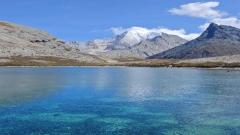
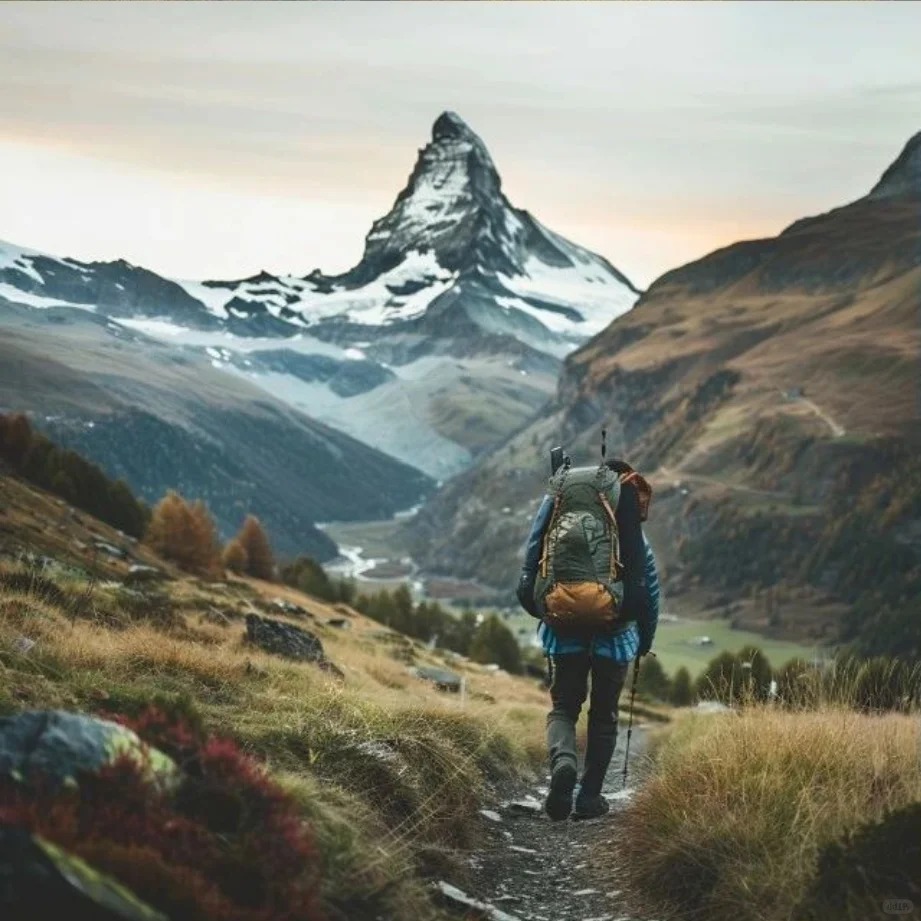
Ngari, located in the remote western reaches of Tibet, is one of the most breathtaking and challenging travel destinations on Earth. Home to sacred Mount Kailash, the mystical Lake Manasarovar, and the ancient ruins of the Guge Kingdom, this region attracts adventurers, pilgrims, and photographers from around the globe. However, traveling to Ngari is not like visiting a typical tourist destination. The extreme altitude, harsh climate, and strict travel regulations require careful preparation and deep respect for the environment. Whether you are planning a spiritual pilgrimage or an overland expedition, understanding what lies ahead is crucial for your safety and enjoyment. This guide covers everything you need to prepare for your journey into the roof of the world.
Key Takeaways:
- Altitude sickness is a serious risk; gradual acclimatization is mandatory.
- Foreign travelers must obtain specific permits beyond the standard Tibet Travel Permit.
- The best time to visit Ngari is from May to June and September to October.
- Overland travel requires reliable 4×4 vehicles and experienced local drivers.
- Pack for extreme temperature fluctuations and carry essential medications.
Understanding the Extreme Altitude When Traveling to Ngari
The most critical factor to consider before traveling to Ngari is its staggering elevation. The average altitude in the Ngari Prefecture exceeds 4,500 meters (about 14,700 feet), with some mountain passes reaching well over 5,000 meters. At these heights, the oxygen level is roughly half of what you experience at sea level. Even seasoned mountaineers and frequent high-altitude travelers can find themselves struggling if they do not approach the ascent correctly.
Altitude sickness, known locally as Acute Mountain Sickness (AMS), is a genuine medical concern. Symptoms range from mild headaches, nausea, and dizziness to severe conditions like High Altitude Pulmonary Edema (HAPE) or High Altitude Cerebral Edema (HACE), which can be fatal if left untreated. You cannot fly directly into Ngari from low elevations without risking severe health consequences. The standard and safest practice is to spend several days in Lhasa (3,650 meters) to acclimatize before beginning the long drive westward. During this time, rest frequently, drink plenty of water, avoid alcohol, and eat light meals.
Consulting a doctor before your trip is highly recommended. Many travelers take prophylactic medications like acetazolamide (Diamox) to aid acclimatization, but this should only be done under professional medical guidance. Once on the road to Ngari, listen to your body. If symptoms worsen, the only true cure is descending to a lower elevation immediately.
Permits and Regulations Required for Ngari
Tibet has unique travel regulations, and Ngari adds another layer of bureaucratic requirements. All foreign passport holders must first obtain a Tibet Travel Permit (TTP) to enter the Tibet Autonomous Region. This permit is arranged through a registered Tibetan travel agency, as independent travel for foreigners is not permitted in Tibet.
However, because Ngari borders India and Nepal, it is classified as a sensitive military and border zone. To travel here, you will also need an Alien’s Travel Permit (ATP) and a Military Border Pass. These documents are usually applied for by your travel agency once you arrive in Lhasa, but the process takes time—often several working days. Planning your itinerary with enough buffer time in Lhasa is essential so your guide can secure these papers before you depart for the west.
If your goal includes trekking around Mount Kailash, additional permissions may be required depending on current local policies. Always work with a reputable operator, such as Tibet Yulong Travel, who understands the intricate paperwork involved. Attempting to bypass these regulations or traveling without proper documentation will result in being turned away at checkpoints, fined, or deported. Keep all your permits easily accessible, as police and military checkpoints are frequent along the highways leading into Ngari.
The Best Time to Visit Ngari
Timing your trip correctly can make the difference between a magical experience and a logistical nightmare. Due to its high elevation and geographical position, Ngari experiences brutal winters and a short, unpredictable summer monsoon season. The optimal windows for traveling to Ngari are late spring (May to mid-June) and early autumn (September to October).
During May and June, the winter snows have melted enough to make the mountain passes navigable, and the skies are generally clear, offering spectacular views of the Himalayas and the Transhimalayan ranges. The temperatures during the day are manageable, though nights remain freezing. September and October provide similar clarity, with crisp air and stable weather patterns following the retreat of the summer monsoon rains. The autumn light in Ngari is particularly favored by photographers for its golden hues and dramatic cloud formations.
July and August bring the monsoon, which means heavy rainfall, muddy roads, and a higher risk of landslides blocking the already remote highways. Winter, from November through April, is generally advised against for casual tourists. Temperatures plunge far below zero, heavy snowfall frequently closes the G219 highway and surrounding passes, and basic amenities like running water and heating become scarce or non-existent in guesthouses.
Transportation and Route Options to Ngari
Reaching Ngari is an adventure in itself. There are no direct commercial flights from major international hubs, and even domestic flights within China to Ngari Gunsa Airport are limited, heavily weather-dependent, and subject to sudden cancellations. Furthermore, flying directly into Gunsa Airport (elevation 4,274 meters) without prior acclimatization is extremely dangerous.
The most popular and practical way to reach Ngari is by overland vehicle from Lhasa. The journey typically follows the southern route via the G219 highway, passing through Shigatse, Saga, and eventually reaching Darchen, the base town for Mount Kailash. This drive covers roughly 1,200 to 1,500 kilometers and takes anywhere from three to five days, depending on stops and road conditions. While the G219 has been significantly paved and improved in recent times, certain stretches remain rough, and the sheer distance requires stamina.
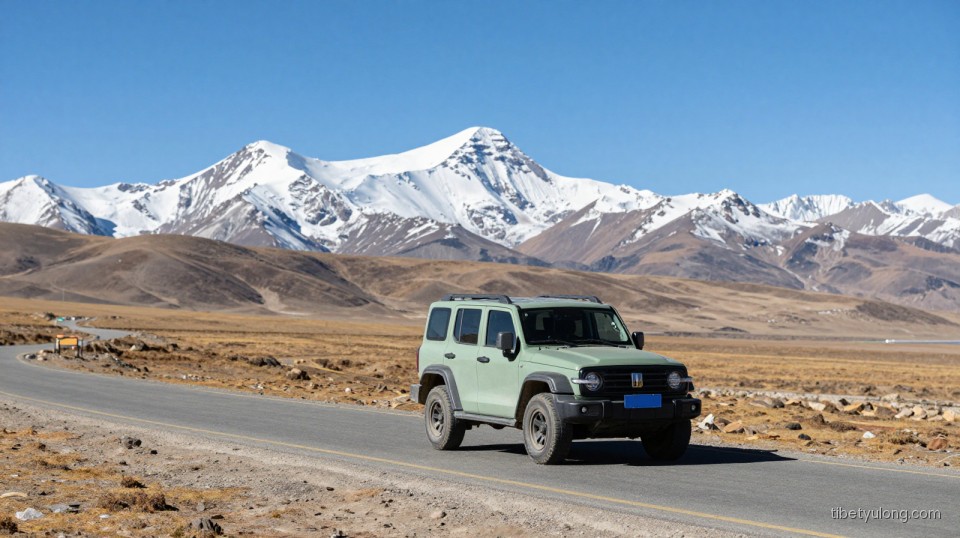
You must hire a licensed driver with a robust 4×4 vehicle, such as a Toyota Land Cruiser. Public transportation is virtually non-existent for tourists heading into these remote areas. A knowledgeable driver provided by agencies like Tibet Yulong Travel is invaluable, as they understand the terrain, know where to find fuel, and can navigate unexpected road closures. Never attempt to self-drive in Ngari unless you are part of a highly specialized, permitted expedition with extensive off-road and high-altitude experience.
Accommodation and Dining Expectations
Managing your expectations regarding comfort is vital when traveling to Ngari. This is one of the most sparsely populated regions on the planet. Do not expect luxury hotels or diverse culinary options. In towns like Shiquanhe (the capital of Ngari Prefecture) and Darchen, you will find basic guesthouses and small hotels. While standards have improved over the years, amenities are still rudimentary compared to urban centers.
Hot water for showers is not always guaranteed, and heating systems can be unreliable during colder months. Power outages occur occasionally. It is highly advisable to bring a sleeping bag liner for added hygiene and warmth, regardless of the hotel’s star rating. Camping is an option for trekkers around Mount Kailash, but facilities are strictly basic, often consisting of nothing more than a flat patch of ground and a communal tent.
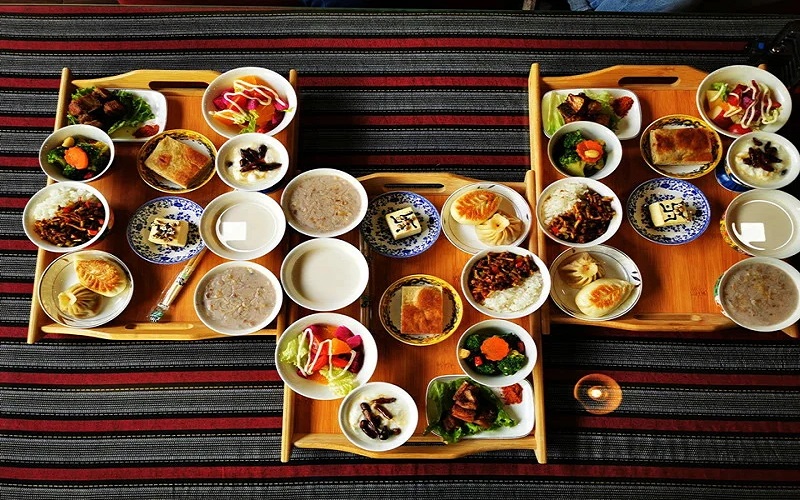
Food options are similarly limited. Restaurants primarily serve simple Tibetan fare—such as yak meat, tsampa (roasted barley flour), butter tea, and noodle soups—or basic Sichuan-style Chinese dishes brought in by migrant workers. Fresh vegetables and fruits are expensive and scarce due to the immense cost of transporting them over the mountains. Travelers with dietary restrictions or sensitive stomachs should pack their own supply of snacks, energy bars, instant noodles, and water purification tablets. Staying hydrated is crucial, so buy bottled water whenever you see it available in larger towns before heading into the deeper wilderness.
Packing Essentials for Your Ngari Journey
Packing for Ngari requires preparing for extreme contrasts. You might experience scorching sun and freezing winds within the same hour. Layering is the most effective strategy. Start with moisture-wicking thermal base layers, add insulating mid-layers like fleece or down jackets, and finish with a windproof and waterproof outer shell.
Sun protection is paramount. The UV radiation at altitudes above 4,500 meters is intense enough to cause severe sunburns and snow blindness quickly. Bring high-SPF sunscreen, lip balm with SPF, wide-brimmed hats, and high-quality polarized sunglasses. A buff or face mask is useful for protecting against the dry, dusty winds that sweep across the plateau.
Your medical kit should be comprehensive. Include pain relievers, anti-diarrheal medication, blister treatments, throat lozenges, and any personal prescriptions. Because pharmacies are rare in Ngari, you must be self-sufficient. Electronics drain batteries much faster in cold, high-altitude environments, so carry multiple high-capacity power banks and keep your devices close to your body heat when not in use. Finally, bring wet wipes, hand sanitizer, and toilet paper, as restroom facilities along the highways are often primitive pit latrines lacking basic supplies.
Respecting Local Culture and the Environment
Ngari is deeply sacred to four religions: Buddhism, Hinduism, Jainism, and Bon. Mount Kailash is considered the center of the universe by millions of believers. When traveling here, cultural sensitivity is not just polite; it is mandatory. Always walk clockwise around stupas, mani stones, and sacred lakes. Never point your feet toward religious shrines or monks, and ask for permission before photographing locals or religious ceremonies.
Environmental conservation is equally important. The ecosystem in western Tibet is incredibly fragile. Waste does not decompose easily in the cold, arid climate, and there are very few garbage collection services outside of main towns. Adopt a strict “leave no trace” philosophy. Carry all your trash back to larger cities where disposal facilities exist. Avoid using single-use plastics where possible, and never disturb wildlife, including the wild asses, antelopes, and marmots that roam the Changtang plains near Ngari. By respecting both the spiritual significance and the ecological fragility of the region, you ensure that traveling to Ngari remains a profound and sustainable experience for generations to come.