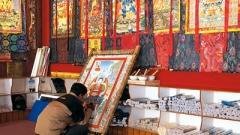
Ngari, located in the remote western reaches of Tibet, is a destination that challenges even the most seasoned travelers while rewarding them with landscapes and cultural experiences found nowhere else on Earth. Sitting at an average elevation exceeding 4,500 meters, this vast plateau region is home to sacred mountains, pristine lakes, and the remnants of forgotten civilizations. For those seeking the ultimate high-altitude adventure, exploring the best things to do in Ngari means stepping into a world where ancient traditions remain deeply intertwined with raw, untouched nature. Whether you are drawn by spiritual pilgrimage or dramatic geography, Ngari demands respect and preparation.
Key Highlights:
- Trek the sacred Mount Kailash kora route
- Explore the ancient ruins of the Guge Kingdom
- Visit the stunning waters of Lake Manasarovar
- Discover unique geological formations in Zanda Earth Forest
- Experience authentic nomadic Tibetan culture
Embarking on the Mount Kailash Kora in Ngari
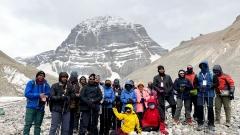
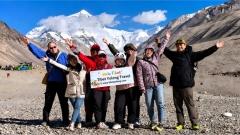
No list detailing the best things to do in Ngari would be complete without mentioning Mount Kailash. Standing at 6,638 meters, this pyramid-shaped peak is not just a geographical marvel but one of the most sacred sites in the world. Revered by Hindus, Buddhists, Jains, and followers of the Bon religion, it draws thousands of pilgrims annually who undertake the arduous 52-kilometer circumambulation known as the kora.
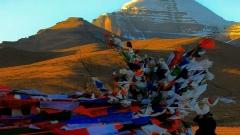
The trek typically takes three days for most travelers, though devout pilgrims sometimes complete it in a single grueling day. The journey begins near the settlement of Darchen and quickly ascends through sweeping valleys flanked by snow-capped peaks. The highest point of the route is the Dolma La Pass, which sits at a breathless 5,630 meters. Crossing this pass is both a physical and spiritual milestone, often marked by colorful prayer flags snapping fiercely in the wind.
Hiking the kora requires excellent physical conditioning and proper acclimatization. Altitude sickness is a genuine risk, and rushing the ascent can lead to severe health complications. It is highly recommended to spend several days acclimatizing in lower-altitude areas before attempting the trek. Hiring local yaks or horses to carry heavy gear allows trekkers to focus entirely on the rhythm of their footsteps and the profound silence of the surrounding landscape.
Exploring the Ancient Ruins of the Guge Kingdom
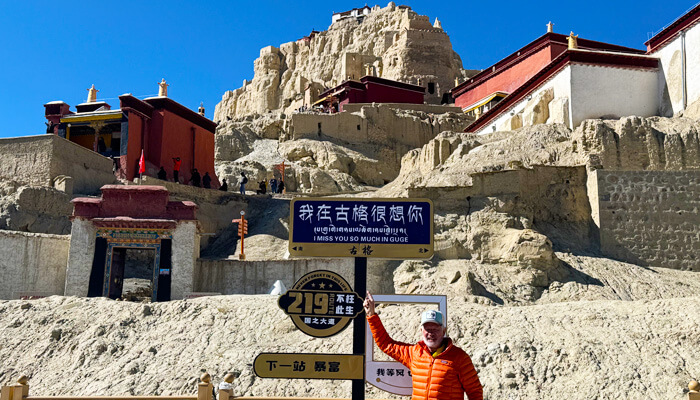
History enthusiasts will find that investigating the Guge Kingdom ruins is among the most fascinating things to do in Ngari. Located in the Zanda County area, these sprawling remains sit atop a steep, eroded hill, offering panoramic views of the surrounding barren terrain. The Guge Kingdom flourished between the 10th and 17th centuries, serving as a vital hub for trade and Buddhist scholarship along the ancient routes connecting Tibet, India, and Central Asia.
The kingdom’s sudden and mysterious collapse in the 17th century left behind a hauntingly beautiful archaeological site. Visitors can explore hundreds of caves, residential structures, temples, and defensive walls carved directly into the yellow earth. The White Temple and Red Temple are particularly notable, preserving fragments of intricate murals that depict Buddhist deities, historical figures, and scenes of daily life. These paintings provide invaluable insights into the artistic styles and religious practices of medieval western Tibet.
Navigating the ruins requires sturdy footwear and a careful step, as the paths are uneven and the drop-offs are steep. Because the site is highly sensitive to erosion and human impact, visitors must adhere strictly to designated pathways and avoid touching the fragile murals. Engaging a knowledgeable guide significantly enhances the experience, transforming scattered mud-brick walls into a vivid narrative of a lost empire.
Visiting the Sacred Waters of Lake Manasarovar
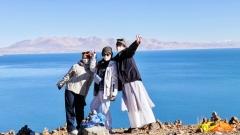
Situated at the foot of Mount Kailash, Lake Manasarovar is another essential stop when planning things to do in Ngari. At an elevation of 4,590 meters, it is one of the highest freshwater lakes in the world. In Hindu and Buddhist cosmology, the lake is believed to be the earthly manifestation of purity, and bathing in or drinking its waters is said to cleanse sins accumulated over countless lifetimes.
The visual contrast between the deep sapphire blue of the lake and the stark white snows of Mount Kailash creates one of the most photographed landscapes in all of Asia. Along the shores, small monasteries such as Chiu Monastery offer quiet spots for reflection. Pilgrims can often be seen performing prostrations along the water’s edge, adding a deeply moving human element to the natural grandeur.
Unlike nearby Lake Rakshastal, which is traditionally considered inauspicious and lacks outlets, Lake Manasarovar supports a delicate ecosystem. Birdwatchers may spot bar-headed geese, brown-headed gulls, and other migratory species resting on its shores during warmer months. Camping near the lake is possible, but nighttime temperatures drop drastically, making high-quality thermal sleeping gear an absolute necessity.
Marveling at the Zanda Earth Forest
For a dramatic shift in scenery, traveling to the Zanda Earth Forest stands out as one of the most visually striking things to do in Ngari. This sprawling geological wonder consists of massive, naturally sculpted clay pillars and deep ravines created by millions of years of wind and water erosion. Stretching across hundreds of square kilometers, the landscape resembles the surface of another planet more than the Tibetan Plateau.
The colors of the earth forest shift dramatically depending on the time of day. During sunrise and sunset, the clay formations glow in brilliant shades of gold, crimson, and burnt orange, providing extraordinary opportunities for photography. The Sutlej River cuts through the heart of this terrain, sustaining small pockets of green vegetation that sharply contrast with the arid surroundings.
Driving through the Zanda Earth Forest is an adventure in itself, as the roads wind tightly between towering earthen spires. There are few formal facilities or marked trails here, which preserves the wild, uncommercialized atmosphere of the region. Travelers should ensure their vehicles are well-maintained and equipped with spare tires, as the rugged terrain can be unforgiving.
Experiencing Nomadic Culture and Local Traditions
Beyond its monumental landmarks, immersing oneself in the local way of life is one of the most rewarding things to do in Ngari. The region is sparsely populated, primarily inhabited by nomadic herders who have adapted to the extreme altitude and harsh climate over generations. Their lifestyle revolves around tending yaks, sheep, and goats across the vast, open grasslands.
Visitors passing through remote settlements may have the opportunity to interact with local families. Traditional hospitality often includes being offered butter tea, a salty, calorie-rich beverage essential for surviving the cold, or tsampa, roasted barley flour mixed into a dough. These simple exchanges offer a genuine window into a culture that has remained largely unchanged by modern globalization.
Festivals and religious gatherings also play a central role in community life. Depending on the timing of your visit, you might witness traditional cham dances performed by monks, where elaborate masks and costumes bring ancient mythological stories to life. Respecting local customs, asking permission before taking photographs of people, and dressing modestly when visiting monasteries are fundamental aspects of responsible travel in this deeply spiritual region.
Practical Tips for Planning Your Ngari Journey
Reaching and navigating Ngari requires meticulous planning due to its extreme remoteness. The primary gateway is Shiquanhe (also known as Ali), which serves as the administrative center of the prefecture. Travelers can reach Shiquanhe via long overland drives from Lhasa or Kashgar, or by flying into Ngari Gunsa Airport, though flight schedules are limited and subject to weather conditions.
Obtaining the necessary permits is mandatory. Foreign travelers require a Tibet Travel Permit and an Alien Travel Permit specifically for the Ngari region, which must be arranged through a registered travel agency well in advance. Independent travel is generally not permitted, making organized tours a practical necessity.
Because the infrastructure in western Tibet is basic, carrying essential supplies—including medications, water purification tools, and extra layers of clothing—is crucial. When organizing complex logistics like the Mount Kailash kora or cross-border overland routes, many experienced travelers rely on specialized agencies. Companies such as Tibet Yulong Travel frequently assist visitors in securing permits, arranging reliable transportation, and providing experienced guides who understand the unique challenges of the Ngari environment. Partnering with knowledgeable operators ensures that safety protocols are followed while maximizing the depth of your cultural and natural exploration.