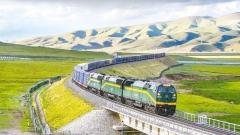
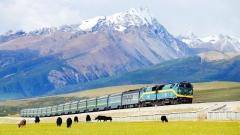
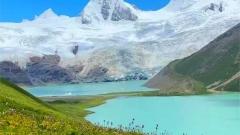
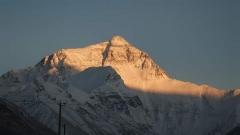
Traveling across the Tibetan Plateau is an unforgettable experience filled with breathtaking landscapes, ancient monasteries, and vibrant local cultures. However, one practical aspect that often catches international travelers off guard involves restroom situations. Understanding toilet facilities on Tibet road trips what to expect is essential for anyone planning this high-altitude adventure. Unlike urban centers in other parts of the world, remote stretches of the plateau offer very different sanitary conditions. Preparing yourself mentally and physically for these differences will significantly enhance your travel comfort. This guide breaks down exactly what you will encounter, how to manage hygiene, and what supplies you must pack before hitting the open road.
Key Takeaways:
- Public restrooms are rare outside major towns like Lhasa or Shigatse.
- Squat toilets are the standard design across most rural areas.
- Toilet paper is almost never provided; always carry your own supply.
- Nature serves as the primary restroom during remote scenic drives.
- Portable camping toilets are highly recommended for long journeys.
Understanding Toilet Facilities on Tibet Road Trips What to Expect
When discussing toilet facilities on Tibet road trips what to expect, the first thing to understand is the vast difference between urban infrastructure and rural reality. In cities such as Lhasa, Shigatse, and Nyingchi, you will find modern hotels equipped with Western-style flush toilets, hot water, and standard plumbing. Restaurants and shopping malls in these urban hubs also maintain relatively clean and accessible restrooms. However, the moment you leave the city limits and begin driving along national highways or rural roads, the situation changes dramatically.
The distances between towns on the Tibetan Plateau can be immense. You might drive for three to five hours without passing through a settlement large enough to have a public restroom. Gas stations are the most reliable places to find basic facilities, but even these vary wildly in quality. Some newer gas stations built along major routes like the G318 highway feature tiled restrooms with running water, while older, more remote outposts may only offer a simple outhouse. Knowing this rhythm of travel helps you plan your hydration and restroom stops strategically. Experienced guides from agencies like Tibet Yulong Travel always advise their clients to use the restroom whenever a decent opportunity arises, rather than waiting until it becomes an emergency.
The Reality of Pit Latrines and Squat Toilets
If you are wondering about toilet facilities on Tibet road trips what to expect regarding the actual physical structures, prepare yourself for squat toilets. The squat toilet is the predominant design throughout rural China, and Tibet is no exception. These facilities consist of a porcelain or concrete basin set into the floor, requiring users to squat over them rather than sit. For travelers who have never used a squat toilet, this can feel awkward and physically demanding, especially at high altitudes where simply bending down can cause dizziness or shortness of breath.
Many roadside restrooms are essentially dry pit latrines. These are simple structures—sometimes just four walls and a roof, sometimes lacking a door entirely—built over a deep hole in the ground. There is no flushing mechanism. Instead, a bucket of water and a scoop might be provided nearby, though this is not guaranteed. The smell in these unventilated pit latrines can be quite strong, particularly during the warmer summer months when tourism peaks. It is important to approach these facilities with an open mind and a sense of practicality. They serve a vital function in areas where modern plumbing infrastructure is incredibly difficult and expensive to install due to the permafrost and rugged terrain.
Restroom Conditions at Major Tourist Attractions
Tourist attractions present a mixed bag when considering toilet facilities on Tibet road trips what to expect. Highly visited sites managed by official tourism boards generally have better infrastructure. For example, the base camp area for Mount Everest (Everest Base Camp) has seen significant upgrades over recent years. Eco-friendly, prefabricated restroom units have been installed to handle the influx of visitors while minimizing environmental impact. Similarly, major monasteries like Tashilhunpo or the areas immediately surrounding Yamdrok Lake usually have designated public toilets for tourists.
However, “better” does not necessarily mean “Western standard.” Even at these upgraded tourist sites, squat toilets remain the norm. Furthermore, the sheer volume of visitors during peak season can overwhelm the cleaning staff, meaning a facility that starts the morning clean might become quite unpleasant by mid-afternoon. At lesser-known viewpoints, mountain passes adorned with prayer flags, or remote lakes, there are often no built facilities whatsoever. In these instances, your tour guide or driver will direct you to a discreet spot behind a rock formation or a small hill. Learning to comfortably and respectfully answer the call of nature outdoors is a crucial skill for any Tibet road trip.
Essential Supplies to Pack for Hygiene
No discussion about toilet facilities on Tibet road trips what to expect is complete without addressing personal preparation. Relying on finding supplies at roadside stops is a recipe for discomfort. You must build a dedicated “restroom kit” and keep it easily accessible in your daypack, not buried in your main luggage in the trunk of the vehicle.
First and foremost, bring ample toilet paper. Public restrooms in Tibet almost never provide it. Carry several rolls or, better yet, compressed travel tissues that take up less space. Wet wipes are another absolute necessity. Because running water and soap are rarely available at rural stops, antibacterial wet wipes allow you to clean your hands thoroughly after using a pit latrine. Hand sanitizer gel should also be a permanent fixture in your pocket.
For female travelers, packing an adequate supply of feminine hygiene products is critical, as these items are virtually impossible to purchase once you leave Lhasa. Ziplock bags are incredibly useful for carrying used tissues or hygiene products out of remote natural areas, adhering to Leave No Trace principles. Additionally, consider bringing a small bottle of odor-neutralizing spray if you are sensitive to smells, as well as a few disposable toilet seat covers, although these are mostly useless for squat toilets, they can occasionally be adapted for the rare Western-style seat you might encounter in a nicer guesthouse.
Dealing with High Altitude and Physical Challenges
Understanding toilet facilities on Tibet road trips what to expect also requires factoring in the physiological effects of altitude. The average elevation of the Tibetan Plateau exceeds 4,000 meters (about 13,000 feet). At this height, your body works much harder to perform basic functions. Squatting down and standing back up quickly can trigger orthostatic hypotension—a sudden drop in blood pressure leading to dizziness, lightheadedness, or even fainting.
When using a squat toilet, move slowly. Do not rush the process. Hold onto a wall or a sturdy pipe if one is available to stabilize yourself. If you suffer from severe altitude sickness, joint pain, or mobility issues, using a traditional squat toilet can be nearly impossible. In such cases, having alternative plans is vital. Some travelers bring a portable folding toilet frame that allows them to sit rather than squat, which can be placed over a pit latrine or used with waste bags in an emergency. Discussing any mobility concerns with your travel agency beforehand is highly recommended. Professional operators like Tibet Yulong Travel are accustomed to tailoring itineraries and providing extra support for travelers who need specific accommodations due to health or physical limitations.
Portable Camping Toilets: A Game Changer
For those deeply concerned about toilet facilities on Tibet road trips what to expect, investing in or renting a portable camping toilet is perhaps the best advice available. Modern portable toilets are lightweight, compact, and surprisingly comfortable. They typically consist of a freshwater flush tank on top and a sealed waste-holding tank on the bottom, utilizing chemical treatments to break down waste and neutralize odors.
Having a portable toilet in your support vehicle completely eliminates the anxiety of long drives between rest stops. If you need to go while crossing a barren stretch of the Changtang plateau, your driver can simply pull over, set up a privacy tent, and you can use your own clean, seated facility. While emptying the waste tank responsibly requires some effort—you must find designated dump stations or approved disposal areas, never dumping waste into the pristine environment—the peace of mind it provides is invaluable. Many premium overland tours now include portable toilets as standard equipment in their vehicles specifically because operators know how much comfort matters on these rugged routes.
Etiquette and Environmental Responsibility
When navigating toilet facilities on Tibet road trips what to expect, respecting the local environment and culture is paramount. The Tibetan Plateau features a fragile ecosystem that recovers very slowly from damage. Furthermore, the landscape holds deep spiritual significance for local Tibetan people.
If you must relieve yourself outdoors, do so far away from water sources. A general rule is to stay at least 70 steps (roughly 60 meters) away from any lake, river, or stream to prevent contamination. Dig a small cathole about 15 to 20 centimeters deep using a small trowel, and bury your waste completely afterward. Never leave toilet paper exposed on the ground; if it cannot be buried deeply enough, pack it out in a sealed plastic bag. Avoid urinating or defecating near mani stones (carved prayer stones), stupas, monasteries, or mountain passes draped in prayer flags, as this is considered highly disrespectful in Tibetan Buddhist culture. Your guide will always help point out appropriate, discreet locations that respect both ecological boundaries and cultural sensitivities.
Food, Water, and Digestive Considerations
Your digestive system plays a massive role in how you interact with toilet facilities on Tibet road trips what to expect. Traveler’s diarrhea is common anywhere you visit developing regions, and the combination of unfamiliar food, high altitude, and different water bacteria can upset your stomach. Frequent bathroom urgency makes knowing where the next toilet is a constant source of stress.
To minimize this risk, drink only bottled or thoroughly boiled water. Avoid raw vegetables and salads at small roadside eateries, as they may have been washed in untreated water. Stick to cooked, hot meals. Overeating rich, greasy foods can also strain your digestion at high altitudes, where metabolic processes slow down. Eating lighter meals keeps your digestive system functioning smoothly, reducing unexpected restroom emergencies. Carrying over-the-counter anti-diarrheal medication and rehydration salts in your medical kit is a smart precaution. If you do experience stomach issues, inform your guide immediately so they can adjust the driving schedule to ensure you have access to facilities when needed.
How Professional Guides Make a Difference
Ultimately, grasping toilet facilities on Tibet road trips what to expect is much easier when you travel with experienced professionals. Independent backpacking in Tibet comes with strict permit regulations anyway, meaning almost all foreign travelers must book through a registered agency. The quality of that agency directly impacts your daily comfort.
A seasoned local driver knows every usable gas station, restaurant restroom, and hidden outdoor spot along hundreds of kilometers of highway. They know which village guesthouses have recently renovated their bathrooms and which ones should be avoided. Agencies like Tibet Yulong Travel prioritize traveler comfort by selecting routes with the best possible logistical support, maintaining clean vehicles, and providing clear briefings on hygiene practices before the trip begins. Their guides act as translators, helping you politely ask restaurant owners if you can use their private restrooms even if you are not eating there—a common practice that is usually met with hospitality if asked correctly. Having a knowledgeable team managing the logistics transforms what could be a stressful aspect of the journey into a manageable, minor detail.
Navigating Nighttime Restroom Needs
One specific challenge related to toilet facilities on Tibet road trips what to expect involves nighttime routines. Outside of Lhasa and larger towns, you will likely sleep in basic guesthouses, monastery-run hostels, or camping tents. In many rural guesthouses, en-suite bathrooms are a luxury. You might have a clean bed in a heated room, but the toilet is located in a separate building across a dark, freezing courtyard.
Temperatures on the plateau plummet rapidly after sunset, even in summer. Walking outside in the middle of the night to use an unlit, unheated outhouse is a jarring experience. Always keep a headlamp or a strong flashlight right next to your bed. Wear slip-on insulated boots or thick-soled shoes so you do not have to struggle with laces in the cold. Layer up with a heavy coat before stepping out. For those staying in tents, a dedicated urine bottle (clearly marked and kept separate from drinking bottles) is a standard mountaineering trick used by both men and women to avoid leaving the warmth of a sleeping bag at 3 AM. Embracing these practical habits ensures your nights remain restful despite the rustic conditions.
Mental Preparation for the Journey
Perhaps the most overlooked element of toilet facilities on Tibet road trips what to expect is psychological readiness. Travelers accustomed to pristine, automated, climate-controlled restrooms may initially feel shocked or discouraged by the realities of the Tibetan Plateau. It is easy to let bathroom anxieties overshadow the majestic scenery and profound cultural encounters that make Tibet so special.
Approach the journey with a spirit of adaptability. Remind yourself that millions of people live comfortably in these environments every day, and the infrastructure reflects the extreme geographical challenges of building at the roof of the world. By packing the right gear, listening to your guide, staying hydrated safely, and maintaining a flexible mindset, the restroom situation quickly becomes routine. The focus shifts back to where it belongs: watching wild antelopes run across the grasslands, spinning prayer wheels in ancient courtyards, and witnessing sunsets over snow-capped peaks that defy description. Proper preparation turns potential discomfort into just another part of the great adventure, allowing you to fully immerse yourself in the unparalleled magic of traveling through Tibet.