Standing at the northern foot of the world’s highest peak offers a perspective unlike anywhere else on Earth. The journey to Everest Base Camp Tibet is not merely a physical expedition; it is a profound cultural immersion into the heart of the Himalayas. Unlike its southern counterpart in Nepal, the Tibetan side provides direct vehicular access, making the dream of standing face-to-face with Mount Everest achievable for travelers of varying fitness levels. As you plan your adventure to EBC Tibet, understanding the unique logistics, permit requirements, and high-altitude environment is crucial for a safe and memorable experience. This guide covers everything you need to know to prepare for your visit, ensuring you navigate the breathtaking landscapes and rich heritage of the Tibetan plateau with confidence.
Key Takeaways:
- Foreign travelers must secure a Tibet Travel Permit before entering the region.
- The paved road allows vehicles to reach near the base camp directly.
- Altitude sickness prevention requires gradual acclimatization over several days.
- Rongbuk Monastery remains the highest spiritual site near the mountain.
- Spring and autumn provide the clearest views of the summit.
Why Choose Everest Base Camp Tibet Over Other Routes
When discussing Mount Everest expeditions, many immediately think of the multi-day treks required on the southern side. However, Everest Base Camp Tibet offers a distinctly different and highly accessible approach. The Chinese government has invested heavily in infrastructure, paving the Friendship Highway and extending roads right up to the base camp area. This means that instead of trekking for over a week through rugged terrain, visitors can drive from Lhasa or Shigatse, stopping at scenic viewpoints along the way.
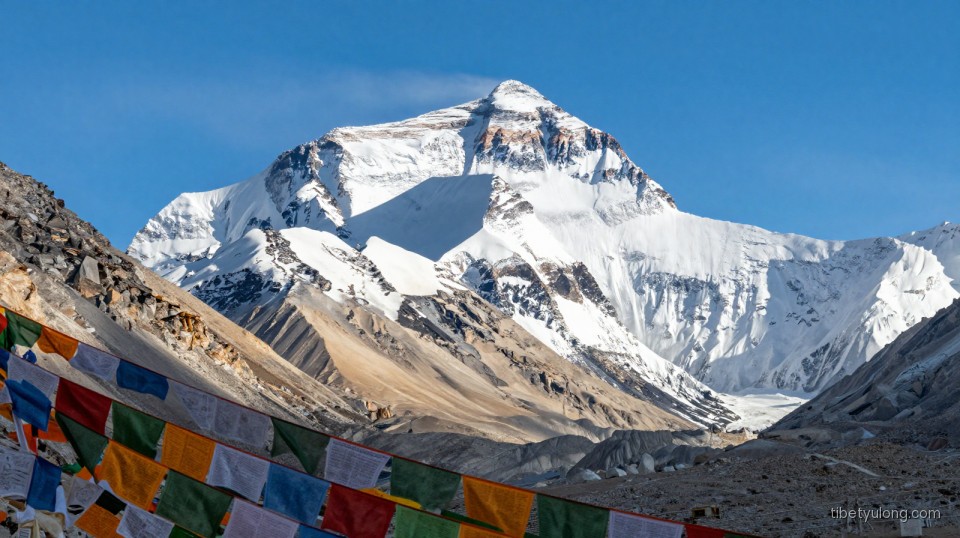
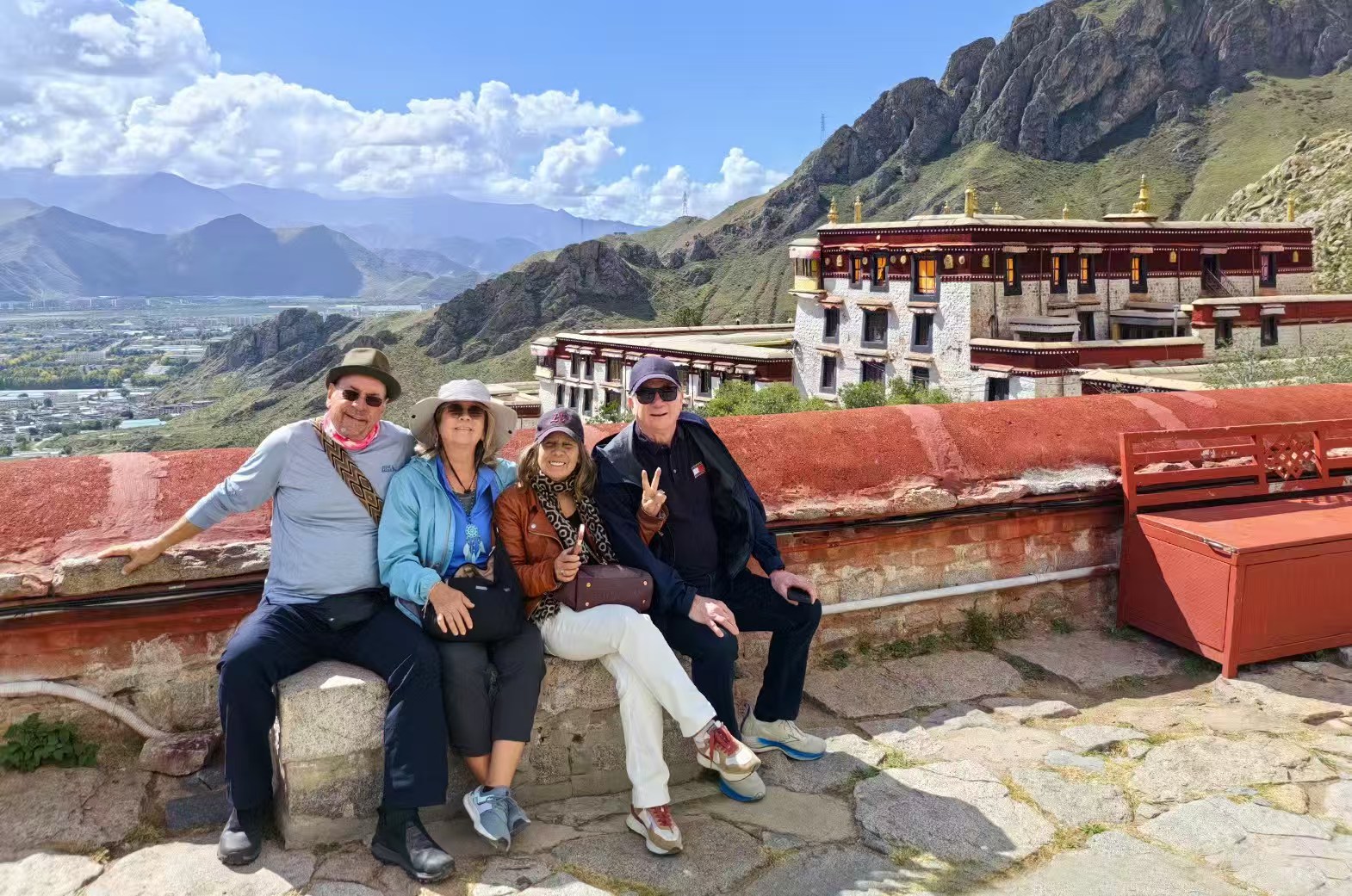
The northern route also presents a more dramatic, unobstructed view of Everest’s north face. Without the deep valleys that characterize the southern approach, the sheer scale of the mountain becomes immediately apparent. Furthermore, the cultural context of EBC Tibet is deeply intertwined with Tibetan Buddhism. You will pass ancient monasteries, encounter nomadic herders, and witness prayer flags fluttering against stark blue skies long before you even glimpse the peak. For photographers and those seeking a less physically grueling but equally awe-inspiring experience, the Tibetan side remains an unparalleled choice.
Essential Permits for Visiting Everest Base Camp Tibet
Navigating the bureaucratic landscape is the most critical step in planning your trip. Independent travel to Everest Base Camp Tibet is not permitted for foreign passport holders. You must be part of an organized tour arranged through a registered local travel agency. The foundational document you need is the Tibet Travel Permit (TTP), issued by the Tibet Tourism Bureau. Your chosen agency will apply for this on your behalf using copies of your passport and Chinese visa. Processing typically takes several weeks, so early planning is mandatory.
Beyond the TTP, reaching EBC Tibet requires an Alien Travel Permit (also known as the PSB Permit) because the base camp is located in a restricted border zone. Additionally, if your itinerary includes areas very close to the actual border line, a Military Border Pass might be necessary. All these documents are handled by your tour operator. It is vital to carry the original Tibet Travel Permit with you at all times during your journey, as checkpoints are frequent between Lhasa, Shigatse, and Tingri. Attempting to bypass these regulations will result in denied entry and potential legal complications.
Best Time to Visit EBC Tibet
Timing your visit significantly impacts your experience at Everest Base Camp Tibet. The weather on the Tibetan plateau is extreme, characterized by harsh winters and brief, unpredictable summers. Generally, the optimal windows for visiting EBC Tibet fall during spring (April to May) and autumn (September to November). During these months, the monsoon rains have either not yet arrived or have recently departed, resulting in clearer skies and higher probabilities of witnessing an unobstructed sunrise or sunset over the summit.
Winter months (December to February) bring freezing temperatures and heavy snowfall, which can occasionally block mountain passes, though the skies are often crystal clear. Summer (June to August) coincides with the monsoon season. While temperatures are milder, thick clouds frequently obscure the peak, and rain can make unpaved secondary roads muddy. If your primary goal is photography and seeing the mountain clearly, prioritize the shoulder seasons. Keep in mind that regardless of the month, nighttime temperatures at the base camp remain below freezing, necessitating serious cold-weather gear year-round.
The Journey: Getting to Everest Base Camp Tibet
The classic overland route to Everest Base Camp Tibet usually begins in Lhasa, allowing travelers to start acclimatizing at 3,650 meters. From Lhasa, the journey heads west toward Shigatse, Tibet’s second-largest city, situated at around 3,840 meters. A common stop en route is Yamdrok Lake, one of the three great sacred lakes of Tibet, whose turquoise waters contrast sharply with the surrounding brown mountains.
From Shigatse, the road continues to Tingri (New Tingri or Shegar), which sits at approximately 4,300 meters. Tingri serves as the final major staging post before the ascent into the Everest Nature Reserve. Leaving Tingri, the road climbs steeply over the Pang La pass (5,200 meters). This vantage point offers one of the most famous panoramas in the Himalayas—a sweeping view of five peaks over 8,000 meters, including Makalu, Lhotse, Everest, Cho Oyu, and Shishapangma. After descending from the pass, the road winds through the Rongbuk Valley until you finally arrive at Everest Base Camp Tibet, sitting at an elevation of roughly 5,200 meters.
Managing Altitude Sickness at EBC Tibet
Altitude sickness is the primary health concern when visiting Everest Base Camp Tibet. At 5,200 meters, the oxygen level is roughly half of what it is at sea level. Acute Mountain Sickness (AMS) can affect anyone, regardless of age or physical fitness. Symptoms include headaches, nausea, dizziness, fatigue, and shortness of breath. The golden rule for preventing AMS is gradual acclimatization. Do not fly directly into high altitudes and immediately push for the base camp. Spend at least two to three days in Lhasa exploring lower-intensity sites like the Potala Palace and Jokhang Temple before heading west.
Stay well-hydrated, avoid alcohol for the first few days, and eat light, carbohydrate-rich meals. Many travelers consult their doctors prior to the trip regarding prophylactic medications like acetazolamide (Diamox). Once you reach EBC Tibet, move slowly. Avoid strenuous walking or running. Tour operators typically provide supplemental oxygen cylinders in vehicles and at guesthouses, which can alleviate mild symptoms. If severe symptoms like confusion, persistent vomiting, or difficulty breathing at rest occur, immediate descent to a lower altitude is the only effective treatment.
Accommodation and Facilities Near Everest Base Camp Tibet
Travelers should adjust their expectations regarding comfort when staying near Everest Base Camp Tibet. Luxury hotels do not exist at this altitude. Accommodation primarily consists of the Rongbuk Monastery Guesthouse or seasonal tent guesthouses operated by local Tibetan families during the warmer months. Rooms are basic, often featuring multiple beds, thick blankets, and minimal heating. Electricity may be limited or reliant on solar power, meaning charging devices can be challenging. Hot water is rarely guaranteed.
Sanitation facilities are rudimentary, typically consisting of outdoor pit toilets. Dining options are limited to whatever the guesthouse or tent camp kitchen prepares—usually simple noodle soups, rice dishes, yak meat, and sweet tea. It is highly recommended to bring your own snacks, such as energy bars, nuts, and chocolate, to supplement the available food. Sleeping bags rated for sub-zero temperatures are essential, even if bedding is provided. Despite the rustic conditions, falling asleep beneath the shadow of the world’s highest peak is an experience that far outweighs the lack of modern amenities.
What to Pack for Your Everest Base Camp Tibet Adventure
Packing correctly is essential for surviving and enjoying your time at Everest Base Camp Tibet. The environment demands layered clothing to handle drastic temperature shifts between day and night. Start with moisture-wicking thermal base layers, add insulating mid-layers like fleece or down jackets, and top it off with a windproof and waterproof outer shell. A warm hat, insulated gloves, and thick wool socks are non-negotiable.
Footwear should consist of sturdy, broken-in hiking boots with good ankle support, especially if you plan to walk around the Rongbuk valley. Protect yourself from the intense UV radiation at high altitudes by packing high-SPF sunscreen, lip balm with sun protection, and polarized sunglasses. A headlamp is useful for navigating the camp at night. Bring personal toiletries, wet wipes (as showers are rare), and a basic first-aid kit including pain relievers, blister plasters, and any prescribed altitude medication. Power banks are crucial since electrical outlets are scarce. Finally, carry sufficient cash in Chinese Yuan, as ATMs and card payment systems do not exist once you leave the larger towns.
Cultural Etiquette and Responsible Travel at EBC Tibet
Visiting Everest Base Camp Tibet places you within a fragile ecosystem and a deeply spiritual culture. Respect for local customs is paramount. When visiting Rongbuk Monastery or other religious sites, always walk clockwise around stupas, mani stones, and prayer wheels. Ask for permission before photographing monks or local residents, and never touch someone on the head, as it is considered highly disrespectful in Tibetan culture. Dress modestly when entering temples, removing hats and sunglasses.
Environmental responsibility is equally critical. The high-altitude environment decomposes waste incredibly slowly. Carry out all your trash, including biodegradable items, back to larger towns where proper disposal exists. Stick to established paths to avoid damaging the sparse alpine vegetation. By traveling mindfully, you help preserve the sanctity and natural beauty of EBC Tibet for future generations.
Planning Your Trip with Local Expertise
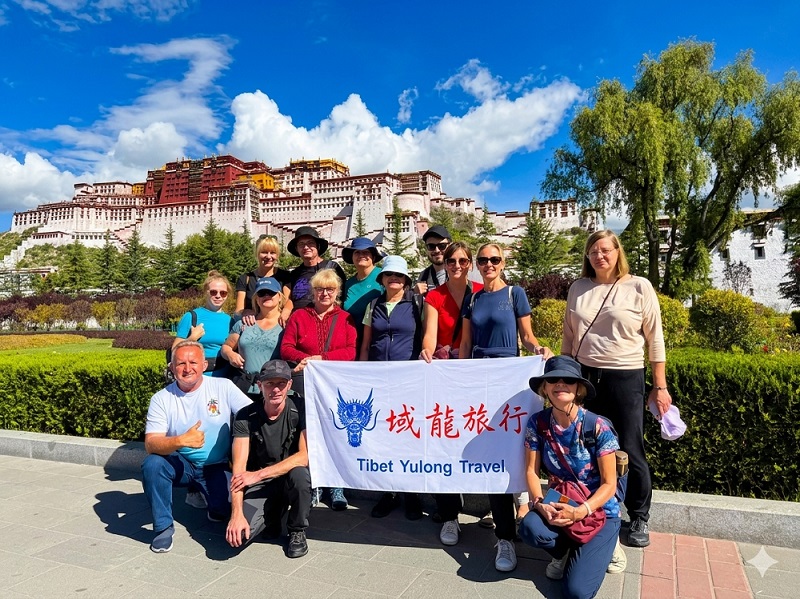
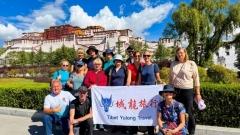
Successfully organizing a journey to such a remote and regulated destination requires reliable local support. Engaging a reputable agency ensures that your permits are processed smoothly, your transportation is safe, and your guides are knowledgeable about both the geography and the culture. Agencies like Tibet Yulong Travel specialize in crafting itineraries that prioritize proper acclimatization while maximizing your time experiencing the highlights of the Tibetan plateau. Their experienced drivers and guides understand the nuances of the road to Everest Base Camp Tibet, providing invaluable support in case of altitude issues or unexpected weather changes. Partnering with professionals who understand the logistical realities of EBC Tibet transforms a complex planning process into a seamless adventure, allowing you to focus entirely on the majesty of the Himalayas.