Planning an overland journey from Lhasa to Mount Everest is one of the most rewarding travel experiences in the world. However, navigating the vast Tibetan plateau requires careful preparation, especially regarding where you will rest each night. The altitude changes dramatically as you leave Lhasa, making the choice of lodging crucial for both comfort and safety. Finding the best accommodations ensures your body adapts properly while keeping your energy high for the spectacular views ahead. Whether you prefer modern amenities or authentic local guesthouses, the route offers diverse options.
Before diving into the details, here are the key takeaways about finding the best accommodations on this route:
- Book hotels in Lhasa early to secure rooms with oxygen supply.
- Gyantse and Shigatse offer reliable mid-range hotel options.
- Tingri serves as the primary staging town before the final ascent.
- Rongbuk provides basic guesthouse and tent stays near the base camp.
- Altitude sickness prevention should guide your lodging choices daily.
Best Accommodations in Lhasa Before Starting Your Journey
Lhasa is the starting point for almost all overland tours to Mount Everest, sitting at an elevation of about 3,650 meters. Spending two to three days here is essential for acclimatization, which means selecting the right place to stay can significantly impact your overall trip. The city offers a wide range of lodging, from international luxury brands to traditional Tibetan boutique hotels.
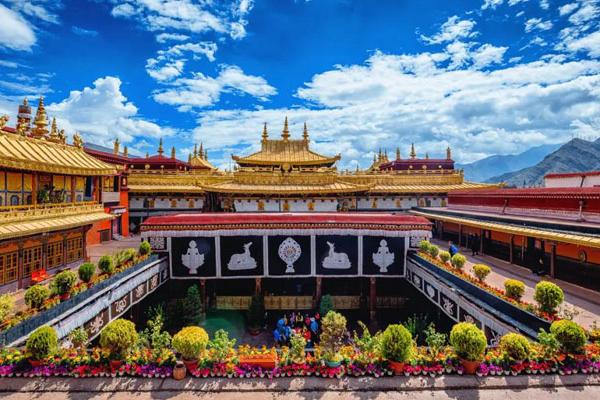
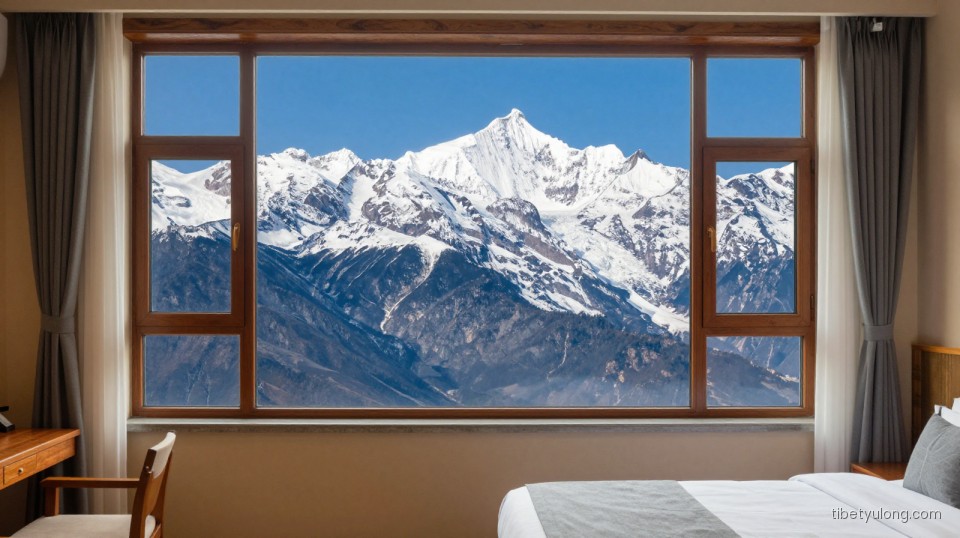
For travelers seeking premium comfort, several high-end hotels provide centralized oxygen systems, heated floors, and English-speaking staff. These properties are particularly beneficial during your first few nights when the effects of high altitude are most pronounced. Rooms equipped with supplemental oxygen allow your body to recover efficiently after daytime explorations of the Potala Palace and Jokhang Temple.
Mid-range boutique hotels around the Barkhor Street area offer a more culturally immersive experience. Many of these properties feature traditional Tibetan architecture, wooden carvings, and courtyards. While they might not have the extensive medical facilities of larger hotels, their central locations make it easy to explore the old city on foot. When evaluating the best accommodations in Lhasa, prioritize places that offer reliable hot water, heating, and responsive customer service, as infrastructure can occasionally be unpredictable at this altitude.
Finding the Best Accommodations in Shigatse and Gyantse
Leaving Lhasa, the route typically passes through Gyantse before reaching Shigatse, Tibet’s second-largest city. This segment of the drive takes you over high mountain passes, including Karo La, meaning you will sleep at increasingly higher elevations. Choosing appropriate lodging here is vital for maintaining a safe acclimatization profile.
Gyantse is often used as a lunch stop or a brief overnight stay. The town has a handful of decent hotels catering to tourists. While you should not expect five-star luxury, the better establishments provide clean beds, private bathrooms, and adequate heating. Staying in Gyantse allows you to visit the famous Pelkor Chode Monastery and its unique Kumbum stupa without rushing.
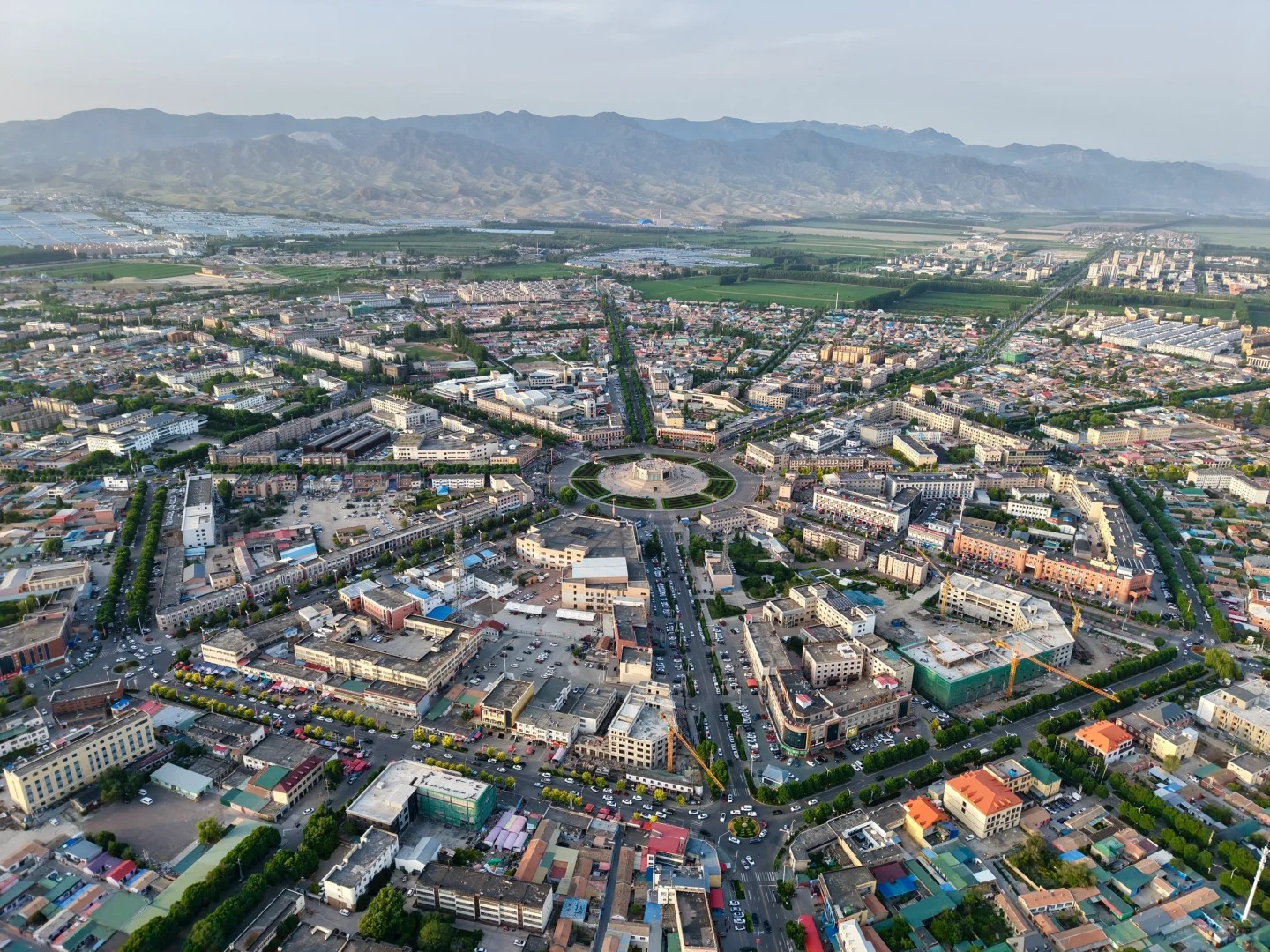
Shigatse, located at around 3,840 meters, offers a much broader selection of lodging. As a major urban center, it hosts several well-established hotels that frequently appear on lists of the best accommodations for Everest tours. Many tour groups spend the night here to break up the long drive and visit the Tashilhunpo Monastery. Hotels in Shigatse generally offer better infrastructure than those further west. Look for properties that advertise newly renovated rooms, as older buildings may struggle with insulation during colder months. Reliable Wi-Fi, hot showers, and on-site restaurants serving both Chinese and Western food are standard features in the better hotels here.
Best Accommodations in Tingri for Everest Base Camp Preparation
Tingri, also known as Old Tingri or Shegar, sits at approximately 4,300 meters and acts as the last major town before entering the Mount Everest Nature Reserve. The atmosphere shifts noticeably here; the landscape becomes harsher, the air thinner, and the lodging options more utilitarian. Despite this, Tingri remains a critical stopover.
The town has developed significantly due to mountaineering and tourism traffic. Several hotels cater specifically to travelers heading to Everest. When searching for the best accommodations in Tingri, focus on cleanliness and heating rather than luxury. Most hotels offer standard twin rooms with thick blankets or electric blankets to combat the freezing nighttime temperatures. Hot water availability can be limited, so it is wise to confirm shower schedules upon check-in.
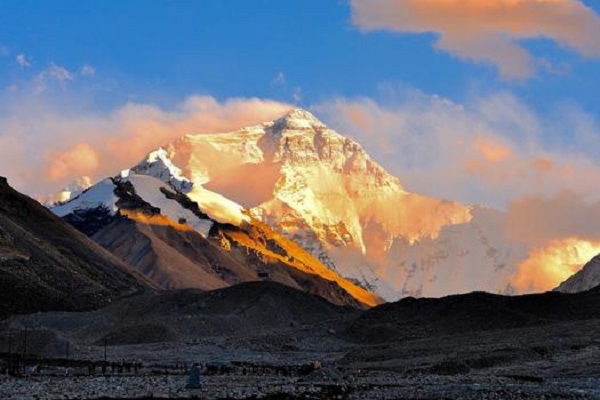
Tingri is also a fantastic place to catch your first unobstructed view of Mount Everest, weather permitting. Many travelers choose to spend an extra night here if they feel the altitude catching up with them. Rushing from Shigatse directly to the base camp area without a proper stop in Tingri increases the risk of acute mountain sickness. Reputable operators like Tibet Yulong Travel always structure their itineraries to include strategic overnight stops in towns like Tingri, ensuring clients have adequate time to adjust before pushing higher. Their expertise in logistics means travelers are placed in the most reliable lodges available in these remote areas.
Experiencing the Best Accommodations Near Everest Base Camp
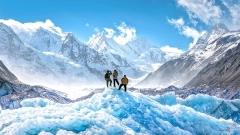
Reaching the Everest Base Camp area is the pinnacle of the journey, but it also presents the most challenging environment for resting. Located above 5,000 meters, the options here are strictly limited by the harsh climate and environmental protection regulations. You will not find conventional hotels at the base camp itself.
Historically, travelers stayed in local tent guesthouses run by Tibetan families at the base camp. These tents are surprisingly sturdy, built with heavy yak wool and supported by wooden frames. Inside, you will find basic cots, thick mattresses, and a central stove burning yak dung, which keeps the interior remarkably warm despite the sub-zero temperatures outside. Staying in these tents is a cultural experience in itself, offering a chance to drink butter tea with locals and gaze at the starry sky away from any light pollution.
Alternatively, the Rongbuk Monastery Guesthouse is the highest lodging facility in the region. It offers simple dormitory-style rooms and a few private rooms. The amenities are extremely basic—expect shared pit toilets and no running water inside the rooms. However, the proximity to the monastery and the iconic view of Everest’s north face make it highly sought after. If you are compiling a list of the best accommodations for an Everest tour, Rongbuk and the tent camps represent the ultimate rugged adventure rather than conventional comfort.
It is important to note that environmental policies frequently update access rules. Sometimes, tourists are required to stay at the Rongbuk guesthouse or designated eco-camps slightly lower down rather than pitching tents right at the historic base camp marker. Always verify current regulations with your travel agency before departure.
Essential Tips for Booking the Best Accommodations on the Route
Securing the right places to sleep along the Lhasa to Everest route requires more than just clicking a booking button online. The infrastructure in remote Tibet operates differently than in major global cities, and planning ahead is non-negotiable.
First, travel to the Tibet Autonomous Region requires specific permits, including the Tibet Travel Permit and the Alien Travel Permit for visiting Everest. Independent travel is generally not permitted for foreign passport holders; you must be part of an organized tour. Therefore, your accommodation bookings are usually handled by your tour operator. Working with experienced agencies ensures you are placed in vetted, safe, and relatively comfortable properties.
Second, manage your expectations regarding amenities. Even the best accommodations in smaller towns like Tingri or near Rongbuk will lack the polish of city hotels. Power outages can occur, and plumbing systems are sensitive at high altitudes. Bringing personal items like wet wipes, a sleeping bag liner, and a headlamp will vastly improve your comfort level.
Third, consider the season. During peak tourist months, the limited number of quality rooms in Shigatse and Tingri fills up rapidly. Agencies like Tibet Yulong Travel leverage long-standing relationships with local hoteliers to secure rooms even during busy periods, preventing last-minute downgrades to substandard lodging. They understand which properties maintain consistent hygiene standards and which ones struggle during the winter freeze.
Finally, listen to your body. If you experience severe headaches or breathlessness at a lower-altitude hotel, communicate with your guide immediately. Sometimes, altering the itinerary to spend an extra night at a lower elevation is the smartest decision you can make. The goal is to reach Everest safely, and choosing the right places to rest is the foundation of that success.
Traveling from Lhasa to Mount Everest is a profound journey across the roof of the world. By understanding the lodging landscape—from oxygen-equipped hotels in Lhasa to yak-wool tents at Rongbuk—you can prepare mentally and physically for the road ahead. Prioritizing comfort, safety, and proper acclimatization through carefully selected accommodations transforms a grueling expedition into a life-changing adventure.