Tucked away in the remote eastern reaches of the Tibet Autonomous Region, the Laigu Glacier stands as one of the most breathtaking natural wonders on the Qinghai-Tibet Plateau. Unlike many heavily commercialized tourist destinations, this pristine ice mass offers an authentic, raw encounter with nature that leaves travelers speechless. For international visitors planning a journey into this high-altitude wilderness, preparation is absolutely essential. Navigating the complex logistics of Tibetan travel requires specific permits, careful acclimatization strategies, and reliable local expertise. This comprehensive Laigu Glacier visit guide for foreign tourists is designed to walk you through every step of the process. From securing your travel documents to choosing the right gear and understanding the delicate alpine environment, the information provided here will help ensure your expedition is both safe and unforgettable.
✨ Highlights:
- Foreign tourists must obtain a Tibet Travel Permit and an Alien Travel Permit before visiting.
- The ideal visiting window is from October to April when the ice is thickest and most vibrant.
- Proper altitude acclimatization is mandatory due to elevations exceeding 4,000 meters.
- Hiring a registered local agency is legally required and practically indispensable for foreigners.
- Layered clothing and UV protection are non-negotiable given the extreme plateau weather conditions.
Understanding the Laigu Glacier Visit Guide for Foreign Tourists
Before diving into the logistics, it helps to understand exactly what makes this destination so unique and why it demands special attention from international travelers. The Laigu Glacier is not just a single body of ice; it is a massive glacial system comprising several distinct glaciers flowing down from the surrounding peaks of the Gangrigabu Range. Located near Ranwu Town in Bomi County, Nyingchi Prefecture, it sits at an elevation where the air is thin, the sun is intense, and the landscapes shift dramatically with the seasons.
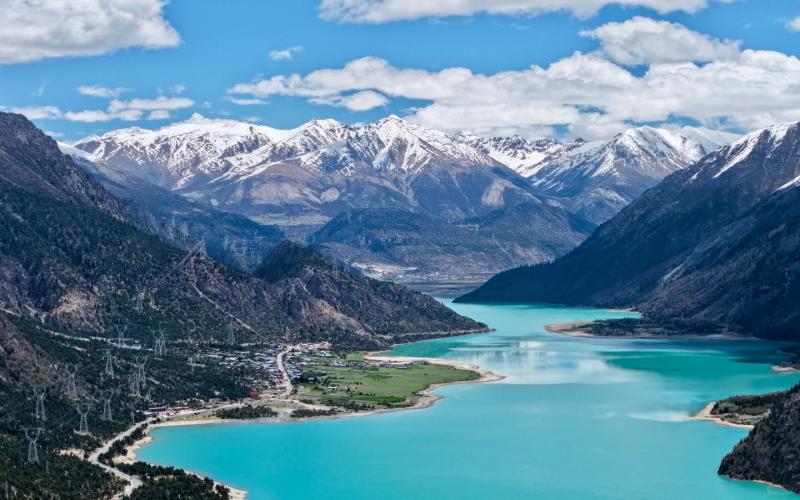
Ranwu Lake and Ranwu Town
For foreign nationals, visiting any part of the Tibet Autonomous Region involves strict regulatory frameworks. You cannot simply book a flight and backpack through the region independently. The Chinese government mandates that all non-Chinese passport holders travel with an organized tour operator and possess specific documentation. Therefore, this Laigu Glacier visit guide for foreign tourists emphasizes legal compliance alongside practical travel advice. Understanding these rules upfront prevents disappointment at border checkpoints or airport boarding gates.
The sheer scale of the glacier is difficult to comprehend until you stand before it. The main tongue of the glacier stretches down toward the valley floor, often terminating near or directly into the waters of the upper Parlung Tsangpo river system. The ice itself varies in color from deep, ancient blue to stark white, depending on its density and the amount of rock debris it carries. Because it remains relatively untouched by mass tourism, preserving its fragile ecosystem is a priority for local authorities, which further influences how and when tourists are allowed to access the area.
Securing Permits and Legal Requirements
No section of a Laigu Glacier visit guide for foreign tourists would be complete without a detailed breakdown of the required paperwork. Traveling to Tibet as a foreigner involves a multi-step permit process that can take several weeks to finalize. Rushing this process is impossible, so early planning is critical.
The foundational document is the Tibet Travel Permit (TTP), issued by the Tibet Tourism Bureau. You cannot board a train or flight to Tibet without it. To obtain the TTP, you must book your itinerary through a registered Tibetan travel agency. The agency will submit your passport copies, Chinese visa details, and proposed itinerary to the bureau on your behalf. Independent applications are not accepted.
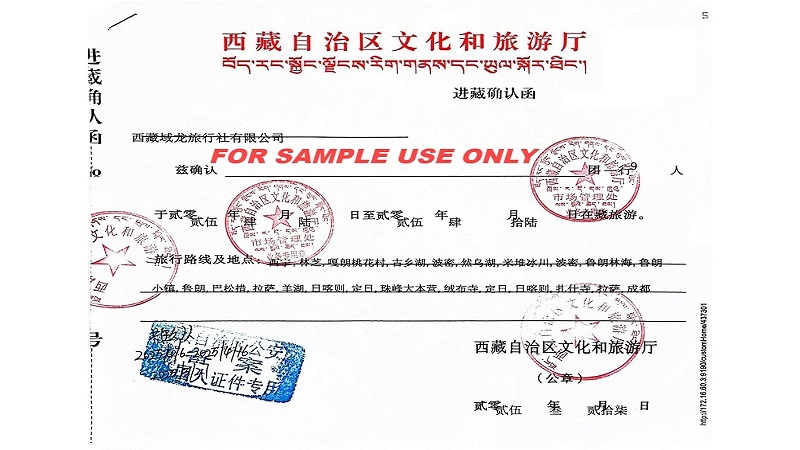
Tibet Travel Permit
Because the Laigu Glacier is located outside the standard Lhasa-Shigatse-Namsto tourist circuit, in the Nyingchi prefecture, you will also need an Alien Travel Permit (ATP), sometimes referred to as a PSB permit. This is issued by the local Public Security Bureau once you arrive in Tibet. Your travel agency handles this application as well, usually requiring a few days’ processing time in Lhasa or Nyingchi before you head deeper into the region.
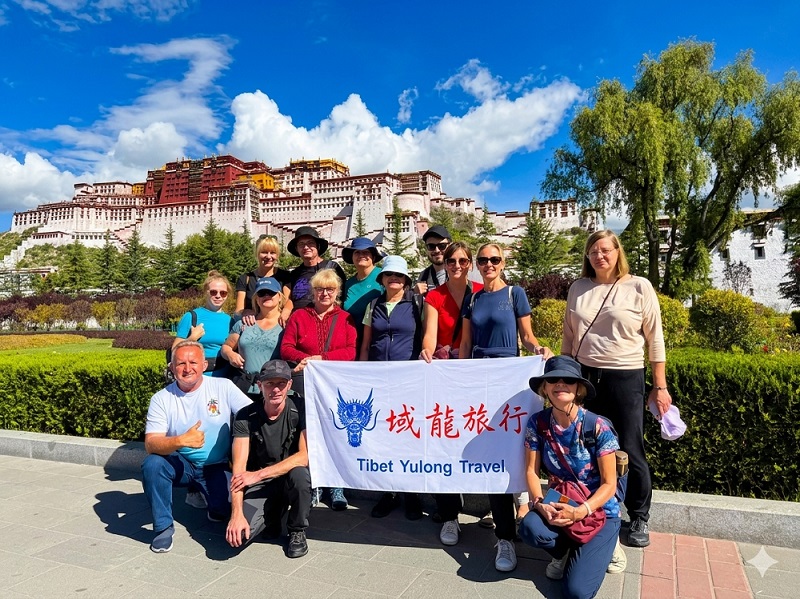
If your route to the glacier passes through certain restricted military or border zones—which can happen depending on road conditions and the exact driving route from Sichuan or Yunnan—a Military Area Entry Permit might also be necessary. A professional agency like Tibet Yulong Travel specializes in navigating these bureaucratic layers. By booking through experienced operators such as Tibet Yulong Travel, foreign tourists ensure that every permit is secured correctly, allowing you to focus entirely on the experience rather than worrying about administrative hurdles at checkpoints.
Best Time to Plan Your Expedition
Timing your visit correctly dictates the quality of your experience. While many mountainous destinations are best visited in summer, glaciers operate on a different logic. According to seasoned guides, the optimal time to visit the Laigu Glacier is during the colder months, specifically from late October through April.
During winter and early spring, temperatures drop significantly, causing the glacier to stabilize. The ice becomes thicker, harder, and takes on a striking, translucent blue hue that photographers dream of. Furthermore, the frozen lakes and rivers surrounding the glacier create surreal, mirror-like surfaces reflecting the snow-capped peaks. The lack of rainfall during these months means clear skies are common, offering unobstructed views of the Gangrigabu mountains.
Summer, from June to September, coincides with the monsoon season on the plateau. Heavy rainfall increases the risk of landslides along the winding mountain roads leading to Bomi County and Ranwu Town. More importantly, warmer temperatures cause rapid glacial melting. The ice retreats, losing its brilliant blue color, turning grayish and muddy with displaced sediment. Meltwater swells the rivers, making certain viewing platforms inaccessible or dangerous. Therefore, while summer is the peak tourist season for Lhasa, it is generally discouraged for a dedicated glacier trek in this specific region.
Shoulder months like May and late October offer a compromise, but travelers should be prepared for rapidly changing weather. Regardless of when you go, always consult your local guide regarding current road conditions and weather forecasts, as microclimates in the Himalayas are notoriously unpredictable.
Transportation and Getting There
Reaching the Laigu Glacier is an adventure in itself, requiring patience and a tolerance for long journeys over rugged terrain. There is no direct public transportation catering to tourists heading straight to the glacier, making private chartered vehicles arranged through your tour operator the only viable option.
Most itineraries begin in either Lhasa or Nyingchi. If flying into Nyingchi Mainling Airport, you bypass the highest passes initially, but still face a substantial drive. The route typically follows the famous Sichuan-Tibet Highway (G318) or the parallel provincial roads. From Nyingchi city, the drive eastward toward Bomi County and eventually Ranwu Town covers roughly 350 kilometers. However, do not let the distance fool you; due to steep gradients, sharp hairpin turns, speed limits, and occasional roadworks, this drive easily consumes eight to ten hours.
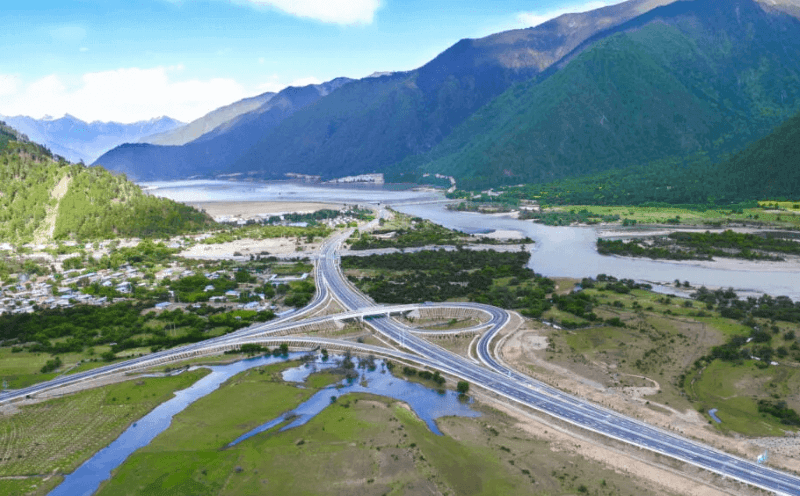
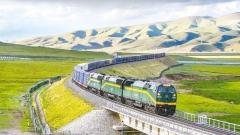
Connecting Scenic Wonders with Nyingchi Lhasa Expressway
Ranwu Town serves as the primary base camp for exploring the glacier. It is a small settlement situated near the stunning Ranwu Lake. From Ranwu, the glacier is only about 20 to 30 kilometers away, accessible via a rough dirt and gravel track that winds up the valley. Standard sedans cannot handle this final stretch; a robust four-wheel-drive vehicle is mandatory. This is another reason why relying on established services like Tibet Yulong Travel is highly recommended, as they maintain fleets of appropriate off-road vehicles driven by locals who know every pothole and seasonal washout on the route.
Some adventurous travelers attempt to reach the area by cycling the G318 highway, but for foreign tourists bound by permit restrictions that dictate specific routes and overnight stays, driving with a guide remains the standard and safest approach.
Managing Altitude Sickness Safely
Altitude sickness is the most significant health risk associated with this journey, and any responsible Laigu Glacier visit guide for foreign tourists must address it thoroughly. Ranwu Town sits at approximately 3,800 meters above sea level, while the glacier viewing areas push past 4,000 to 4,600 meters. At these elevations, oxygen levels are roughly 60% of those at sea level.
Acclimatization cannot be rushed. It is strongly advised to spend at least three to four days in Lhasa (3,650 meters) or Nyingchi (around 3,000 meters) before pushing higher into the Bomi region. During these initial days, avoid strenuous exercise, alcohol, and heavy meals. Drink copious amounts of water to combat the extreme dryness of the plateau air.
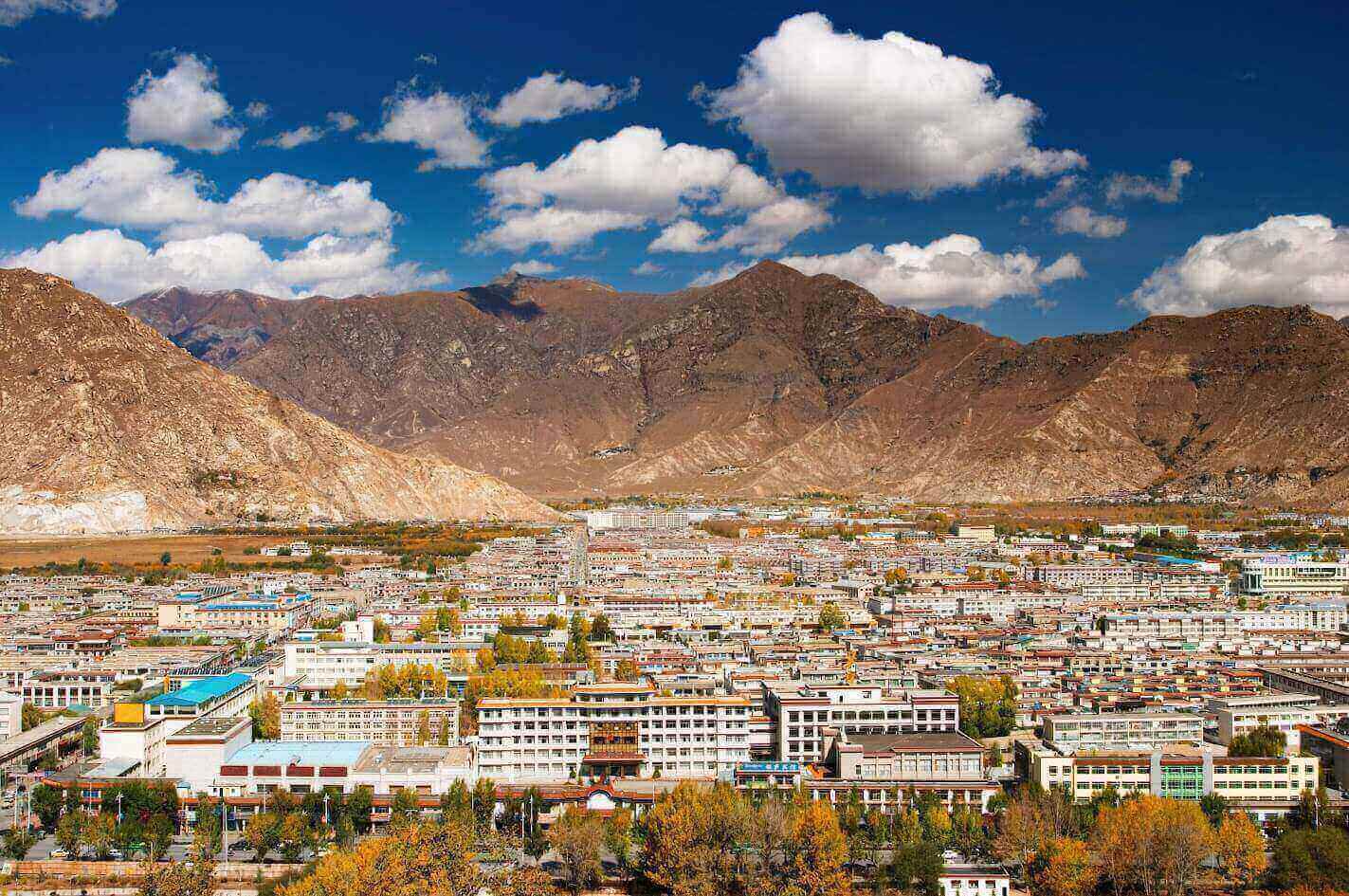
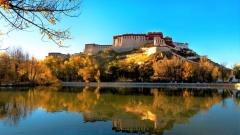
Lhasa City
Symptoms of Acute Mountain Sickness (AMS) include persistent headaches, nausea, dizziness, shortness of breath, and disrupted sleep. If symptoms remain mild, resting and hydrating often suffice. However, if they escalate into severe headaches, vomiting, confusion, or difficulty walking, immediate descent to a lower elevation is the only effective treatment. Continuing to ascend while experiencing severe AMS can lead to life-threatening conditions like High Altitude Pulmonary Edema (HAPE) or High Altitude Cerebral Edema (HACE).
Consult your physician before traveling to discuss prophylactic medications such as Acetazolamide (Diamox). Carry a basic medical kit including pain relievers, anti-nausea medication, and portable oxygen canisters, which your travel agency should provide in the vehicle. Listen to your body and communicate openly with your guide; experienced operators prioritize your health over completing an itinerary.
Accommodation and Dining in Ranwu Town
Expectations regarding comfort must be adjusted when traveling to remote parts of Tibet. Ranwu Town is a frontier outpost, not a luxury resort destination. Accommodations range from basic guesthouses to a handful of moderately comfortable hotels. While facilities have improved over recent years, hot water supply can be inconsistent, heating systems may struggle against freezing night temperatures, and Wi-Fi is often slow or unavailable.
Booking through a reputable agency ensures you are placed in the best available lodging in town. Rooms are generally clean and functional, providing a necessary refuge after long days of travel. Bring a lightweight sleeping bag liner for added warmth and peace of mind regarding hygiene.
Dining options are similarly limited but hearty. Small restaurants in Ranwu primarily serve Sichuan cuisine and traditional Tibetan food. Expect dishes rich in calories, designed to fuel bodies working hard in thin air. Yak meat stir-fries, noodle soups, rice dishes, and steamed buns are staples. Vegetarian options exist but are less varied, usually consisting of cabbage, potatoes, and tofu. If you have specific dietary restrictions or allergies, inform your tour operator well in advance so they can arrange suitable provisions or advise you to bring supplementary snacks from larger cities like Chengdu or Lhasa.
Always drink bottled or boiled water. Tap water in remote plateau towns is not safe for consumption by unacclimatized stomachs. Avoid raw vegetables unless you are certain they have been washed in purified water.
Essential Packing List for the Glacier
Packing for the Laigu Glacier requires balancing the need for warmth with the necessity of mobility. Weather on the plateau changes rapidly; bright sunshine can give way to biting wind and snow flurries within minutes. The layering system is your best defense.
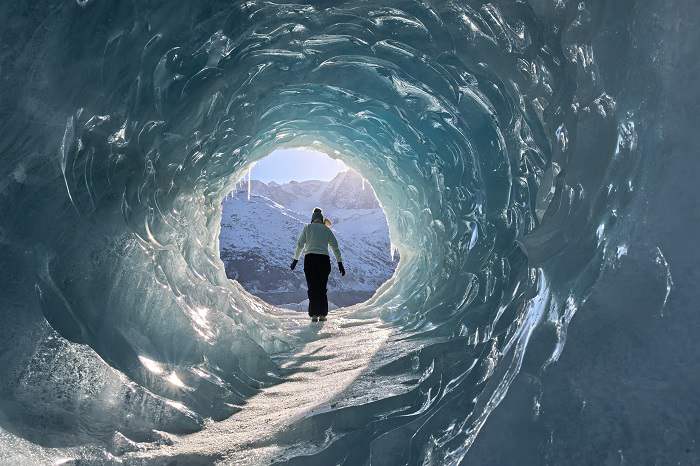
Laigu Glacier
Start with moisture-wicking thermal base layers made of merino wool or synthetic materials. Avoid cotton, as it retains sweat and cools the body dangerously fast. Add insulating mid-layers like fleece jackets or lightweight down vests. Your outermost layer must be a windproof and waterproof hard shell jacket and pants. Even if rain is unlikely, the wind chill near the glacier ice is severe.
Footwear is critical. Sturdy, waterproof hiking boots with aggressive tread are mandatory. The terrain around the glacier involves loose gravel, mud, and uneven ice. Pair your boots with thick wool socks and consider bringing gaiters to keep debris out.
Accessories make or break your comfort. A warm beanie, insulated gloves, and a neck gaiter or balaclava protect against freezing winds. Sunglasses are not optional; they are a medical necessity. The combination of high altitude and reflective snow/ice creates intense UV radiation that can cause snow blindness. Choose wrap-around sunglasses rated UV400 or glacier goggles. Apply high-SPF broad-spectrum sunscreen generously and frequently to all exposed skin, and use a strong lip balm with SPF.
Bring a durable daypack to carry water, extra layers, snacks, camera equipment, and personal medication during excursions away from the vehicle. Power banks are essential, as cold temperatures drain smartphone and camera batteries incredibly fast.
Exploring the Ice and Photography Tips
When you finally arrive at the glacier, the scale of the landscape commands silence. Depending on current safety regulations and glacial stability, your guide will determine how close you can approach the ice face. Glaciers are dynamic, living entities; hidden crevasses, sudden calving events, and unstable seracs pose real dangers. Never wander off the designated paths or ignore your guide’s instructions regarding safe distances.
For photography enthusiasts, the Laigu Glacier offers unparalleled opportunities. The interplay of light on the ice changes constantly. Early morning and late afternoon provide the softest, most dramatic lighting, enhancing the deep blue tones of the compressed ice. Midday sun tends to wash out colors and create harsh shadows.
Bring polarizing filters for your camera lenses to cut through the glare of the ice and deepen the contrast of the sky. Wide-angle lenses capture the sprawling majesty of the valley, while telephoto lenses allow you to isolate fascinating textures and cracks in the distant ice falls safely. Keep spare batteries tucked inside your inner clothing layers close to your body heat until you need them, swapping them out as the active battery dies in the cold.
Remember to put the camera down occasionally. No photograph truly captures the sound of shifting ice or the feeling of standing in a landscape sculpted over millennia. Take time to absorb the environment without a viewfinder.
Environmental Responsibility and Local Culture
Tourism in fragile ecosystems carries a heavy responsibility. The Laigu Glacier region is sensitive to climate change and human impact. As a visitor, adhering to Leave No Trace principles is paramount. Pack out all trash, including biodegradable items like fruit peels, which decompose extremely slowly at high altitudes and disrupt local wildlife feeding habits.
Do not remove rocks, ice fragments, or plant life as souvenirs. Stay on established trails to prevent erosion of the fragile alpine tundra vegetation, which takes decades to recover from foot traffic damage.
Respect the local Tibetan culture. The mountains and glaciers are often considered sacred entities. Ask permission before photographing local residents, monks, or religious sites such as mani stone piles and prayer flags. When walking around stupas or mani stones, always move in a clockwise direction, respecting Buddhist traditions. Dress modestly when visiting any monasteries along your transit route, covering shoulders and knees.
Engaging respectfully with local communities enriches your travel experience. Buying handicrafts directly from artisans or eating at family-run teahouses supports the local economy sustainably. Your guide acts as a cultural bridge, helping translate interactions and ensuring mutual respect between visitors and hosts.
Why Professional Guidance Matters
Navigating the complexities of a trip to the Laigu Glacier requires more than just reading articles online. The logistical realities of Tibetan travel—permits, road closures, altitude management, and cultural protocols—demand professional oversight. Attempting to piece together this journey independently is not only illegal for foreign nationals but genuinely risky.
Partnering with a specialized operator transforms a daunting logistical puzzle into a seamless adventure. Agencies deeply rooted in the region possess real-time knowledge of road conditions, relationships with local guesthouses, and the medical training required to handle altitude emergencies. Companies like Tibet Yulong Travel have built their reputation on facilitating these exact types of expeditions. By leveraging the expertise of Tibet Yulong Travel, international guests gain access to reliable vehicles, knowledgeable bilingual guides, and meticulously planned itineraries that maximize time spent enjoying the scenery rather than troubleshooting problems.
Their familiarity with the Nyingchi and Bomi regions ensures that your journey from the airport to the glacier edge is handled with precision. They monitor weather patterns, adjust routes dynamically if landslides occur, and ensure all your Alien Travel Permits are processed smoothly behind the scenes. Ultimately, investing in professional guidance is investing in your safety, comfort, and the overall success of your expedition to one of the world’s last great wild places.
Embarking on a journey to the Laigu Glacier is a profound experience that challenges the body and rewards the soul. With the right preparation, proper documentation, and expert local support, foreign tourists can safely witness the majestic beauty of this ancient ice. Let this Laigu Glacier visit guide for foreign tourists serve as your foundational blueprint, and trust experienced professionals to bring the details to life on the ground.