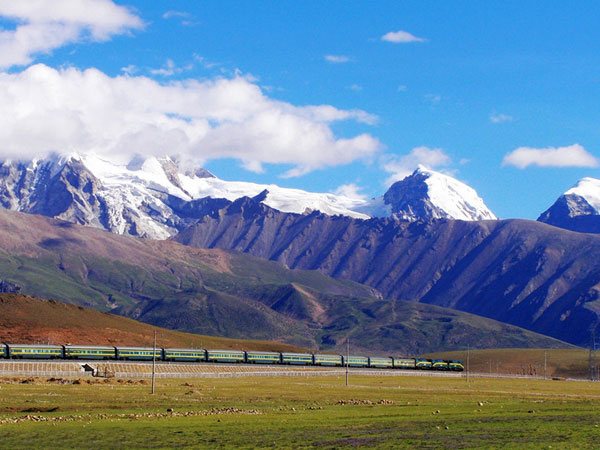
Deep in the vast wilderness of the Qinghai-Tibet Plateau lies a destination that few travelers ever witness. The Zhari Namco hidden lake tour northern Tibet offers an unparalleled journey into one of the most remote and pristine environments on Earth. Unlike the heavily visited southern routes, this expedition takes you across endless grasslands, past nomadic encampments, and into landscapes where human presence is merely a whisper. Zhari Namco remains largely untouched by mass tourism, preserving its crystalline waters and surrounding ecological balance. For those seeking true solitude and raw natural beauty, embarking on a Zhari Nanmuco hidden lake tour northern Tibet is a transformative experience. It demands physical endurance, careful preparation, and deep respect for the fragile high-altitude environment, but rewards explorers with vistas that defy imagination.
✨ Highlights:
- Remote location far from standard tourist trails.
- Altitudes frequently exceeding 4,800 meters above sea level.
- Strict requirement for Alien Travel Permits.
- Best visited during the brief summer months.
- Essential need for specialized off-road vehicles.
Planning Your Zhari Namuco Hidden Lake Tour Northern Tibet
Organizing a Zhari Namuco hidden lake tour northern Tibet requires meticulous planning months in advance. Because this region falls outside the typical Lhasa-Shigatse-Namtso circuit, standard travel agencies rarely offer pre-packaged itineraries. You must work with operators who possess genuine logistical experience in the Changtang region. The first step is securing the necessary documentation. Foreign travelers require a Tibet Travel Permit issued through a registered agency, as well as an Alien Travel Permit (PSB permit) specifically covering the northern prefectures like Nagqu. Without these documents, checkpoints along the desolate highways will turn you back immediately.
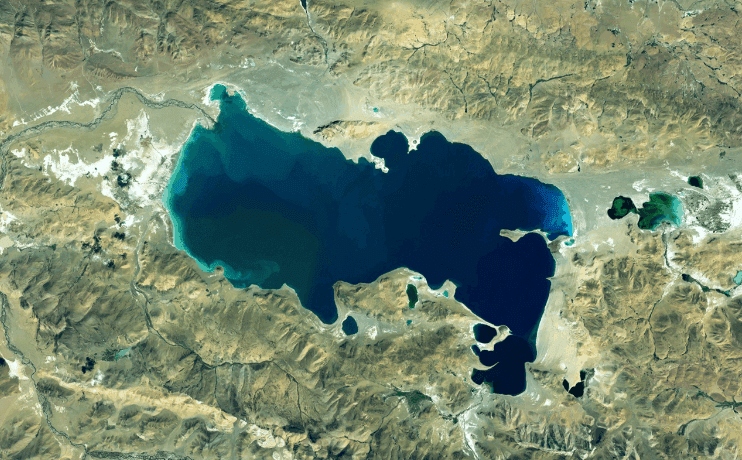
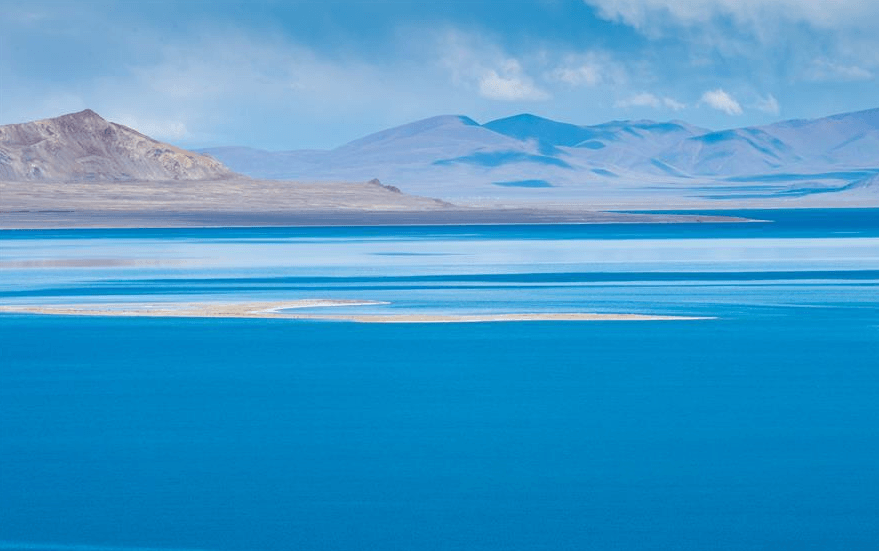
Panoramic View of Zhari Namco
Timing is another critical factor. The window for visiting Zhari Namuco is remarkably narrow. Winter brings extreme cold, with temperatures plunging well below minus thirty degrees Celsius, and heavy snowfall renders the unpaved tracks impassable. The optimal season for a Zhari Namuco hidden lake tour northern Tibet generally falls between late June and early September. During these months, daytime temperatures hover around ten to fifteen degrees Celsius, making outdoor activities bearable, though nights remain freezing. Furthermore, the summer meltwater feeds the lake, ensuring it reaches its most vibrant shades of blue and green.
Vehicle selection cannot be compromised. Standard SUVs are insufficient for the terrain leading to Zhari Namuco. You need fully equipped, high-clearance 4×4 vehicles—typically Toyota Land Cruisers or similar robust models—fitted with reinforced suspension, spare tires, extra fuel tanks, and recovery gear. The distances between fuel stations in northern Tibet can exceed several hundred kilometers, meaning your convoy must carry enough diesel to complete the round trip safely. Working with experienced local coordinators, such as Tibet Yulong Travel, ensures that your vehicle logistics, driver expertise, and route planning meet the rigorous demands of the Changtang plateau. Their familiarity with the unmarked dirt tracks and seasonal river crossings is often the difference between a successful expedition and a stranded vehicle.
The Geography and Route of the Zhari Namuco Hidden Lake Tour Northern Tibet
Understanding the geography is essential before undertaking a Zhari Namuco hidden lake tour northern Tibet. Zhari Namuco is situated within the broader Changtang Nature Reserve, a massive expanse of alpine tundra and high-altitude lakes stretching across northern Tibet. The lake itself sits at an elevation of approximately 4,800 to 5,000 meters, surrounded by rolling hills and flat plains devoid of trees. The water is brackish, typical of the endorheic basins found throughout the plateau, where water flows in but has no outlet to the sea, resulting in mineral-rich, deeply colored lakes.
The most common approach begins in Lhasa, traveling northward toward Nagqu. From Nagqu, the paved roads gradually give way to gravel and eventually to mere tire tracks cutting through the grasslands. The route passes near other notable bodies of water, such as Siling Co and Namtso, but diverges significantly further west and north into the true wilderness. Driving days are long, often involving eight to twelve hours of rugged overland travel to cover relatively short distances. The landscape shifts constantly—from arid, rocky outcroppings to lush summer pastures dotted with yaks and Tibetan antelopes.
Navigation relies heavily on GPS coordinates and the memory of veteran drivers, as signposts are virtually nonexistent. When planning a Zhari Namuco hidden lake tour northern Tibet, expect the itinerary to include multiple overnight stops in remote locations. There are no hotels or guesthouses near the lake itself. Accommodation consists entirely of expedition-style camping. Your support team will set up weather-resistant tents, and meals are prepared using portable stoves. The isolation is absolute; once you leave the main arterial roads, cellular service vanishes completely, leaving satellite communication as the only link to the outside world in case of emergencies.
What to Expect on a Zhari Namuco Hidden Lake Tour Northern Tibet
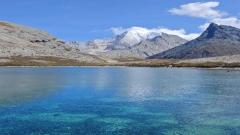
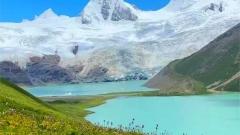
Arriving at the shores of Zhari Namuco is a profound moment for any traveler. The sheer scale of the emptiness is difficult to articulate until you stand there. On a clear day, the sky stretches endlessly overhead, a deep, piercing blue that seems to merge seamlessly with the turquoise and emerald hues of the lake. The silence is immense, broken only by the wind sweeping across the plains or the distant call of a migratory bird. A Zhari Namuco hidden lake tour northern Tibet strips away the noise of modern life, replacing it with the raw elements of earth, water, and sky.
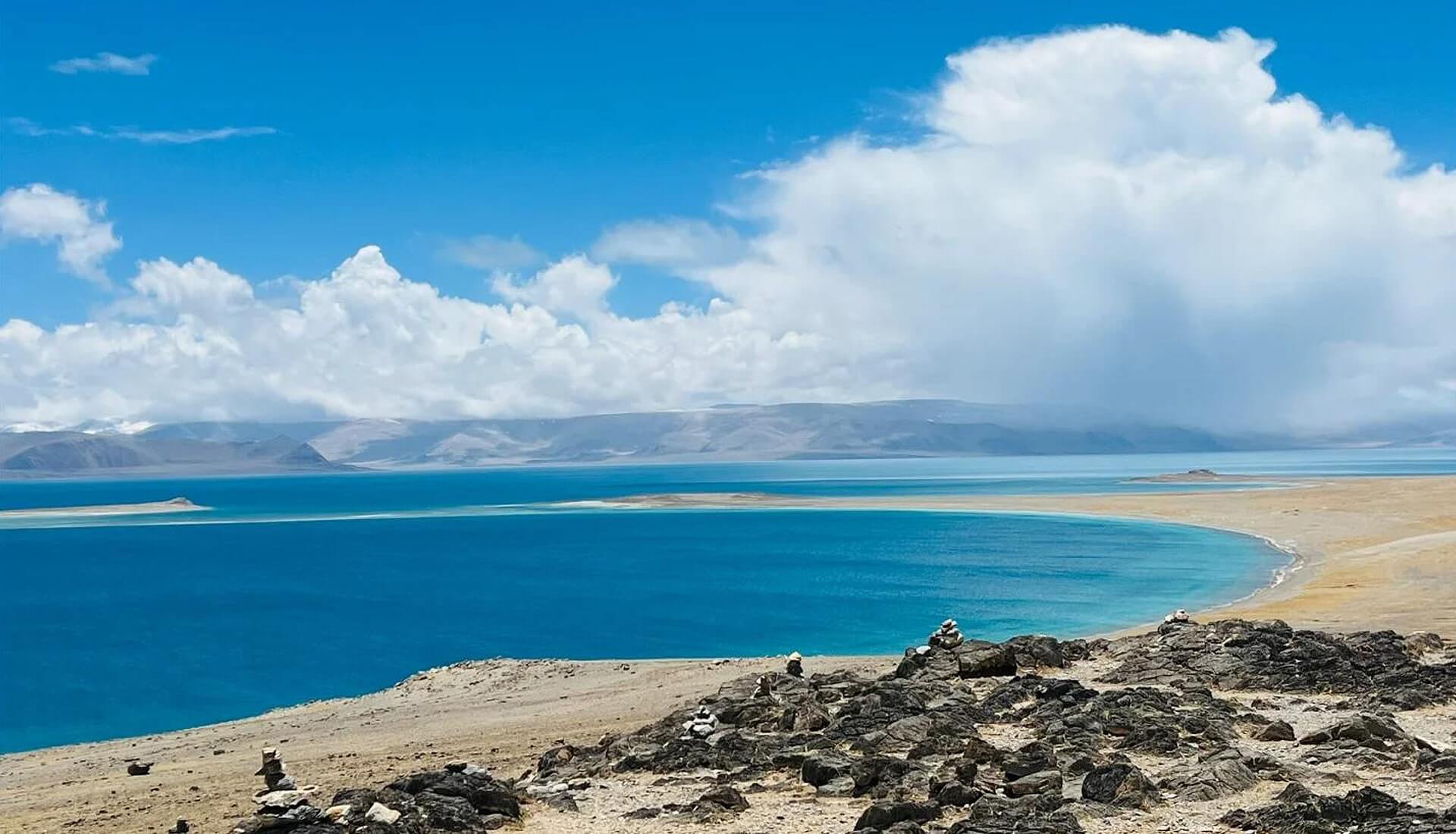
Zhari Namco Lake
The wildlife encounters along this route are among the best in Asia. The Changtang reserve is a sanctuary for species adapted to extreme altitudes. As your convoy navigates the tracks toward Zhari Namuco, it is common to see herds of wild Tibetan asses (kiang) galloping parallel to your vehicles. Flocks of black-necked cranes wade in the shallow wetlands feeding into the lake. If you are exceptionally fortunate, you might spot a Tibetan brown bear foraging in the distance or a solitary snow leopard navigating the rocky ridges, though the latter remains incredibly rare. The ecosystem here is fragile, and visitors on a Zhari Namuco hidden lake tour northern Tibet must adhere strictly to Leave No Trace principles. Nothing should be left behind, and wildlife must never be approached or disturbed.
The nomadic culture of northern Tibet also leaves a lasting impression. While Zhari Namuco itself is too harsh for permanent settlement, the surrounding pastures support Tibetan herders who move their yak and sheep flocks according to the seasons. You may encounter a family living in traditional black yak-hair tents. Interactions are usually brief but warm, offering a glimpse into a lifestyle that has remained largely unchanged for centuries. Purchasing fresh yak butter or yogurt directly from herders is sometimes possible, providing a unique culinary experience tied directly to the landscape.
Preparing for High Altitude on the Zhari Namuco Hidden Lake Tour Northern Tibet
Altitude sickness is the single greatest challenge when embarking on a Zhari Namuco hidden lake tour northern Tibet. At elevations nearing 5,000 meters, the oxygen concentration is roughly half of what it is at sea level. Even seasoned mountaineers and experienced travelers can suffer from Acute Mountain Sickness (AMS). Symptoms range from mild headaches, nausea, and fatigue to severe conditions like High Altitude Pulmonary Edema (HAPE) or High Altitude Cerebral Edema (HACE), which can be fatal if not treated promptly by descending to lower elevations.
Proper acclimatization is non-negotiable. You cannot fly into Lhasa and immediately drive to Zhari Namuco. A responsible itinerary builds in several days of gradual ascent. Spending three to four days in Lhasa (3,650 meters) allows your body to begin producing more red blood cells. Moving to higher towns like Damxung or Nagqu (around 4,500 meters) for another night or two further aids adaptation before pushing into the extreme altitudes of the lake basin. During this period, avoid alcohol, limit strenuous exercise, stay heavily hydrated, and consume easily digestible carbohydrates.
Medical preparation is equally vital. Consult a physician before your trip regarding prophylactic medications such as acetazolamide (Diamox), which helps accelerate acclimatization. Your expedition vehicle must carry supplemental oxygen cylinders or portable hyperbaric chambers (Gamow bags). Knowing how to recognize the early signs of AMS in yourself and your travel companions can save lives. If someone develops a persistent cough, confusion, or loss of coordination, the immediate protocol is descent. There are no hospitals or clinics near Zhari Namuco; the nearest medical facilities are hundreds of kilometers away. Therefore, a Zhari Namuco hidden lake tour northern Tibet should only be attempted by individuals in good health who understand the inherent risks involved.
Essential Gear for Your Zhari Namuco Hidden Lake Tour Northern Tibet
Packing correctly determines your comfort and safety during a Zhari Namuco hidden lake tour northern Tibet. The climate is characterized by intense solar radiation during the day and biting cold at night, regardless of the season. Layering is the fundamental strategy for clothing. Start with moisture-wicking base layers made of merino wool or synthetic materials to keep sweat away from your skin. Add insulating mid-layers, such as fleece jackets or down sweaters, to trap body heat. Your outermost layer must be a windproof and waterproof hard shell jacket and pants, as sudden storms can roll across the plateau without warning.
Footwear should consist of sturdy, waterproof hiking boots with excellent ankle support. The terrain around the lake involves walking over uneven, rocky ground and occasionally muddy shorelines. Thick wool socks are essential to prevent blisters and keep your feet warm inside the boots. Protect your extremities with insulated gloves, a warm beanie that covers your ears, and a neck gaiter or balaclava to shield against the relentless wind.
Sun protection is paramount. The thin atmosphere at 5,000 meters filters very little ultraviolet radiation. Apply high-SPF sunscreen (50+) generously and frequently to all exposed skin. Wear polarized sunglasses with UV400 protection to prevent snow blindness and eye strain, especially since the glare reflecting off the lake surface is intense. A wide-brimmed hat provides additional shade for your face and neck.
Beyond clothing, bring personal items that enhance survival and comfort. A high-quality sleeping bag rated for at least minus fifteen degrees Celsius is mandatory, as nighttime temperatures drop drastically even in summer. A sleeping pad with a high R-value insulates you from the frozen ground. Carry a comprehensive personal first-aid kit including blister treatment, pain relievers, anti-diarrheal medication, and any prescription drugs you require. Water purification tablets or a portable filter are useful, although your support team will typically boil water for drinking. Finally, bring high-capacity power banks or solar chargers, as there is no electricity available to recharge cameras, phones, or headlamps during a Zhari Namuco hidden lake tour northern Tibet.
Photography Tips for the Zhari Namuco Hidden Lake Tour Northern Tibet
For photographers, a Zhari Namuco hidden lake tour northern Tibet represents a dream canvas. The light on the Tibetan plateau behaves differently than anywhere else. The air is so dry and thin that colors appear hyper-saturated, and shadows are incredibly sharp. To capture the true essence of Zhari Namuco, understanding how to work with this extreme light is crucial.
The golden hours—shortly after sunrise and just before sunset—are spectacular. The low angle of the sun casts long shadows across the undulating grasslands and turns the surface of the lake into a mirror reflecting fiery oranges, pinks, and purples. However, midday photography should not be dismissed. The overhead sun penetrates deep into the water, revealing the striking gradients of blue and green that make the lake famous. Using a circular polarizing filter on your lens helps cut through the surface glare, allowing you to photograph the submerged rocks and the vivid colors beneath the waterline.
Equipment choices matter significantly. Dust is the primary enemy of camera gear in the Changtang. The unpaved roads generate fine, powdery silt that infiltrates everything. Avoid changing lenses outdoors whenever possible. Carry a rocket blower and microfiber cloths to clean your sensor and glass regularly. Bring multiple batteries, as cold temperatures drain lithium-ion cells much faster than usual. Keep spare batteries warm inside your inner jacket pockets close to your body heat until you need them.
When composing shots, emphasize the scale of the landscape. Including a small element—a person standing on the shore, a lone yak, or your expedition vehicle—provides a sense of proportion against the massive backdrop of the lake and the distant mountains. Astrophotography is another incredible opportunity here. With zero light pollution, the Milky Way arches over Zhari Namuco with breathtaking clarity. A sturdy tripod, a fast wide-angle lens, and long exposure settings will yield stellar images. Always remember that while capturing memories is important, taking time to simply put the camera down and absorb the environment is the true reward of a Zhari Namuco hidden lake tour northern Tibet.
Environmental Responsibility During Your Zhari Namuco Hidden Lake Tour Northern Tibet
The privilege of visiting such an isolated place carries a heavy responsibility. The ecosystem surrounding Zhari Namuco is incredibly delicate. Plant life grows slowly due to the short summers and poor soil, meaning a single tire track off the designated path can leave a scar on the landscape that lasts for decades. When undertaking a Zhari Namuco hidden lake tour northern Tibet, strict adherence to established tracks is mandatory. Drivers must never veer off-road to get closer to wildlife or bypass muddy sections.
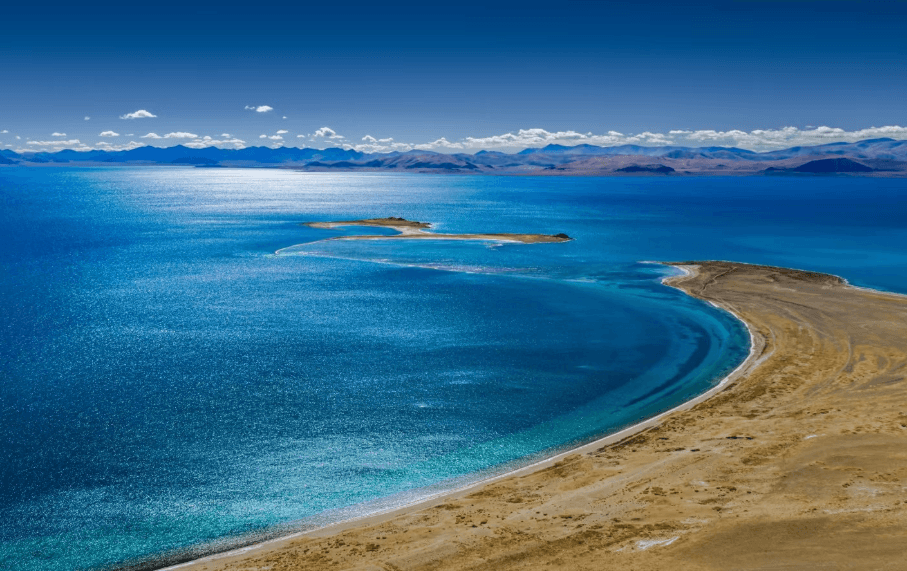
Zhari Namco Lake
Waste management is entirely in the hands of the expedition team. Everything brought into the Changtang must be carried out. This includes all packaging, food scraps, and human waste. Professional outfitters use portable toilet systems or dig catholes far from any water sources, packing out solid waste when required by local conservation regulations. Do not use soap or detergents directly in the lake or its tributary streams. The mineral balance of these closed-basin lakes supports unique microbial and avian life that can be easily disrupted by chemical pollutants.
Respecting the cultural sanctity of the land is equally important. In Tibetan Buddhism, many lakes and mountains are considered sacred entities. Zhari Namuco holds spiritual significance for local communities. Avoid loud noises, playing music, or engaging in disrespectful behavior near the water. If you encounter mani stones (carved prayer stones) or prayer flags, walk around them clockwise and never remove stones or disturb the arrangements. By approaching a Zhari Namuco hidden lake tour northern Tibet with humility and environmental consciousness, travelers help ensure that this hidden gem remains pristine for future generations.
Logistics and Support for a Zhari Namuco Hidden Lake Tour Northern Tibet
Executing a flawless expedition requires a highly coordinated support network. The success of a Zhari Namuco hidden lake tour northern Tibet hinges on the people managing the logistics behind the scenes. Your team should include experienced local drivers who know the terrain intimately, a knowledgeable guide capable of translating and explaining the cultural and geographical context, and ideally a cook who can prepare hot, nutritious meals under challenging conditions.
Food on the plateau needs to be calorie-dense and easy to prepare. Fresh vegetables are scarce once you leave the larger towns, so expeditions rely heavily on dried goods, canned provisions, root vegetables like potatoes and radishes, and meats such as yak or mutton. Hot beverages—butter tea, sweet milk tea, and instant soups—are essential for maintaining core body temperature and morale. Ensuring your team has adequate supplies for delays caused by weather or mechanical issues is a basic safety protocol. Vehicles breaking down in the Changtang can result in waiting days for assistance, so carrying essential spare parts like fan belts, fuses, and tire repair kits is standard practice.
Partnering with a reliable local operator makes a significant difference. Companies like Tibet Yulong Travel specialize in organizing complex overland journeys across Tibet’s most challenging regions. Their established relationships with local authorities streamline the permit process, and their fleet maintenance standards ensure vehicles can handle the punishment of the northern routes. Whether you are a solo adventurer joining a small group or organizing a private expedition, leveraging local expertise transforms a potentially dangerous endeavor into a manageable, unforgettable exploration. Ultimately, a Zhari Namuco hidden lake tour northern Tibet is not a casual vacation; it is a serious expedition that demands respect, preparation, and the right partners to navigate one of the world’s last great wildernesses safely.