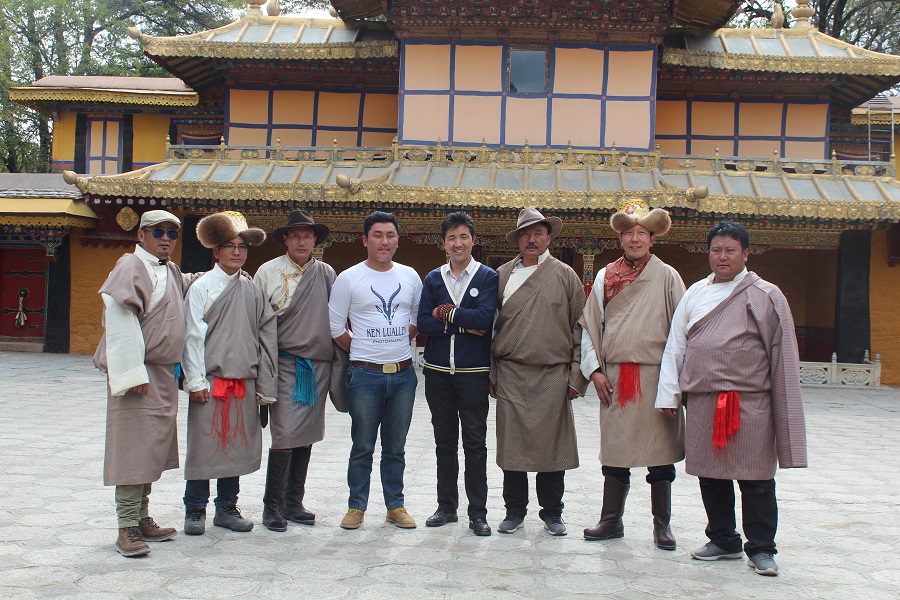
Shannan, often referred to as the cradle of Tibetan civilization, is a region rich in history, spirituality, and breathtaking natural landscapes. Located in southern Tibet along the middle reaches of the Yarlung Tsangpo River, it offers travelers an authentic glimpse into traditional Tibetan life. Choosing the best time to visit Shannan is crucial for ensuring a comfortable and enriching journey. The region’s high altitude means that weather patterns significantly impact road conditions, trekking routes, and overall travel experiences. Whether you are drawn by ancient monasteries, pristine lakes like Yamdrok Tso, or vibrant cultural festivals, timing your trip correctly will make all the difference. Understanding the distinct seasons helps visitors prepare adequately for temperature shifts and altitude challenges.
Key Takeaways:
- Autumn (Sept-Nov) offers clear skies and mild weather.
- Summer (June-Aug) brings lush scenery but frequent rain.
- Spring (March-May) features blooming flowers and fewer crowds.
- Winter (Dec-Feb) is cold but ideal for budget travelers.
- Local festivals heavily influence the best travel windows.
Understanding the Climate of Shannan
Before pinpointing the exact months for your itinerary, it is essential to understand the general climate dynamics of this high-altitude destination. Shannan sits at an average elevation of over 3,500 meters, which dictates its weather patterns. The region experiences a typical plateau temperate semi-arid climate characterized by intense solar radiation, significant temperature differences between day and night, and distinct dry and wet seasons. The annual average temperature hovers around 8°C, but this number can be misleading because summer days can feel quite warm under the direct sun, while winter nights drop well below freezing.
The oxygen levels in Shannan are roughly 60% to 70% of those found at sea level. This environmental factor means that physical exertion feels much harder, and acclimatization is necessary upon arrival regardless of when you choose to travel. The rainy season typically spans from June to September, bringing moisture from the Indian Ocean up through the Himalayan valleys. While this precipitation transforms the arid landscape into a greener environment, it also increases the risk of landslides on mountain roads. Conversely, the dry season, lasting from October to May, guarantees more sunshine but brings harsher winds and colder temperatures, especially during the deep winter months.
Autumn: The Best Time to Visit Shannan for Clear Views
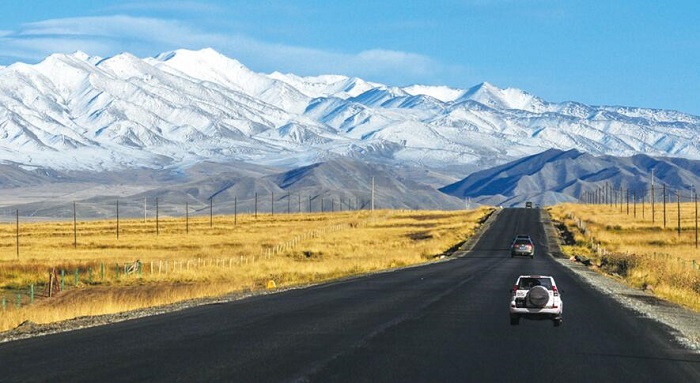
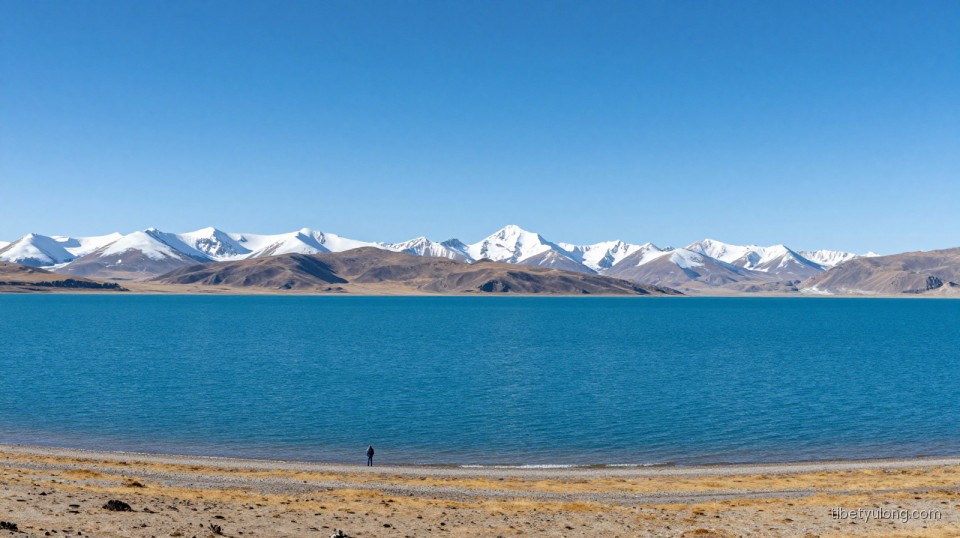
If you ask seasoned travelers and guides about the absolute best time to visit Shannan, the majority will point to autumn. Spanning from September to November, this season provides the most stable and comfortable conditions for exploration. By early September, the heavy monsoon rains begin to subside, leaving behind crisp air and remarkably clear skies. The visibility during these months is unparalleled, making it the prime window for photography and sightseeing. When you look toward the distant snow-capped peaks, there are rarely clouds obscuring the view.
During autumn, daytime temperatures usually range between 10°C and 20°C. While the mornings and evenings require a warm down jacket, the midday sun makes walking around historical sites like Yumbulagang—the first building in Tibet—or exploring the Samye Monastery incredibly pleasant. The changing colors of the vegetation along the Yarlung Valley add a spectacular golden hue to the landscape, contrasting beautifully with the deep blue sky and turquoise rivers. Furthermore, the reduced rainfall means that dirt roads leading to remote villages and sacred lakes remain passable, allowing for deeper exploration without the worry of getting stuck in mud. For those seeking the optimal balance of good weather, accessible terrain, and stunning visuals, autumn remains the undisputed champion among the seasons in Shannan.
Summer in Shannan: Lush Landscapes and Cultural Festivals
Summer, covering June through August, represents the wettest yet arguably the most vibrant period in the region. If your primary goal is to witness Shannan draped in green, this is the season to choose. The rainfall nourishes the barley fields and alpine meadows, creating a striking contrast against the rugged mountains. However, travelers must be prepared for sudden downpours, particularly in the afternoons. Packing waterproof gear, including sturdy rain boots and layered clothing, is absolutely mandatory.
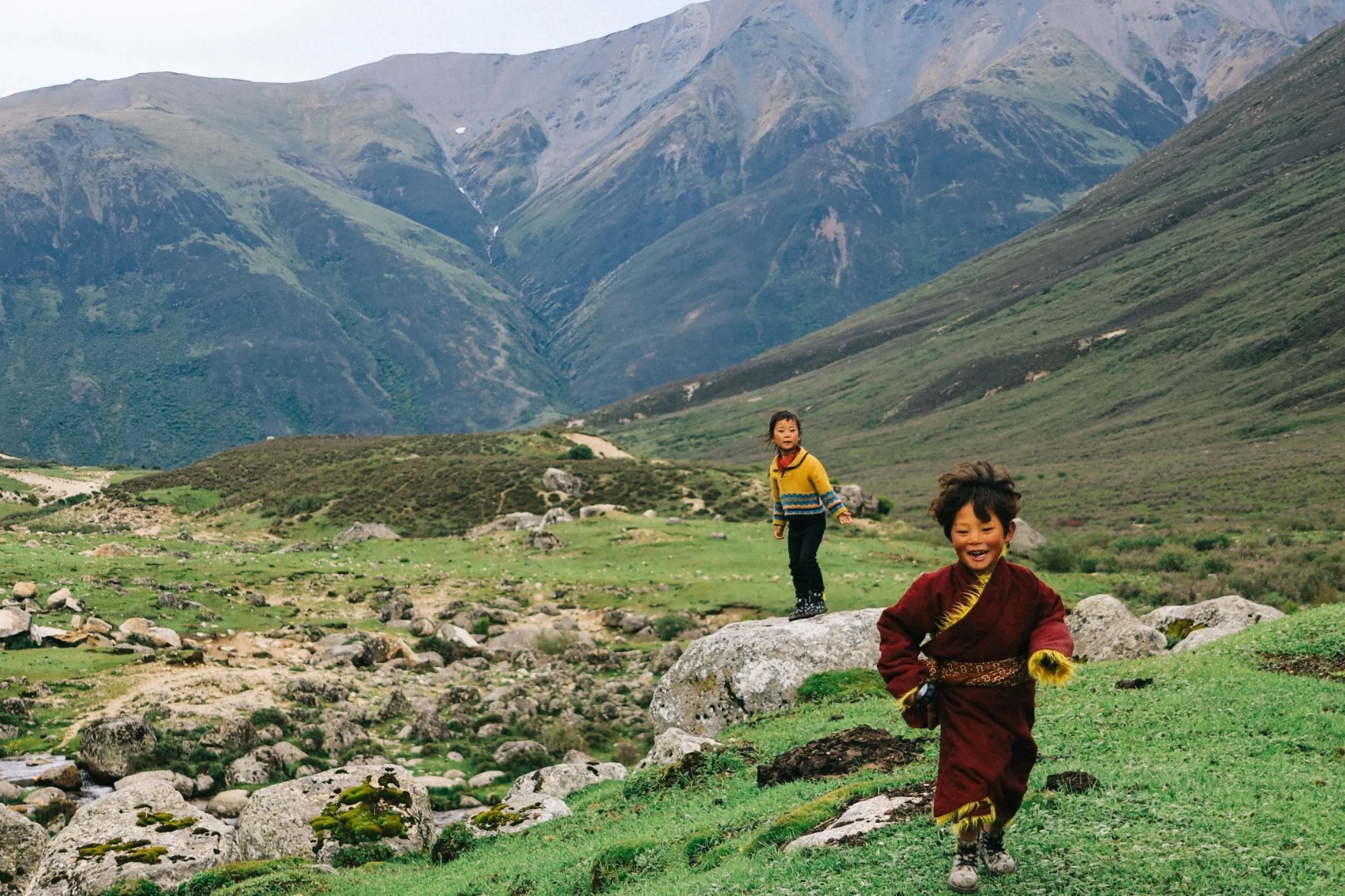
Despite the rain, summer holds a massive draw for culturally inclined tourists: the local festivals. The most notable is the Ongkor Festival, a traditional harvest celebration deeply rooted in agricultural Tibetan communities. During Ongkor, locals dress in their finest traditional attire, perform circle dances, race horses, and offer prayers for a bountiful harvest. Participating in or observing these events provides a profound connection to the living culture of the area. Additionally, the warmer nighttime temperatures make camping near Yamdrok Tso Lake more feasible than in other seasons. Just remember that summer is also the peak tourist season for Tibet as a whole, so booking accommodations and transport well in advance is highly recommended to secure your preferred arrangements.
Spring Awakening: Visiting Shannan from March to May
Spring in Shannan is a transitional period marked by melting snows, rising temperatures, and the gradual awakening of the high-altitude ecosystem. March can still feel quite wintry, especially at higher elevations, but by April and May, the climate becomes significantly milder. Daytime temperatures start climbing back into the double digits, though biting winds can still sweep through the valleys unexpectedly. One of the greatest advantages of traveling during spring is the relative absence of large tourist crowds. You can explore major monasteries and natural landmarks with a sense of solitude that is hard to find during the peak summer and autumn months.
May is particularly special as the peach blossoms and wildflowers begin to bloom in the lower river valleys, painting the landscape with delicate pinks and purples. The famous Nyingchi peach blossoms often steal the spotlight in Tibetan tourism, but the floral displays in the Shannan valleys are equally captivating and far less commercialized. Roads that might have been closed due to heavy winter snows generally reopen by late April, restoring access to more remote attractions. If you prefer a quieter journey and do not mind packing layers to handle fluctuating daily temperatures, spring offers a peaceful and visually rewarding experience.
Winter Challenges and Rewards in Shannan
Winter, from December to February, is undeniably the most challenging time to visit Shannan, but it comes with unique rewards for adventurous spirits. Temperatures frequently plummet below -10°C at night, and strong, cold winds are a daily reality. Many high-altitude passes may become impassable due to snow accumulation, and some guesthouses or smaller restaurants in rural areas close down for the season. Travelers must pack serious cold-weather gear, including thermal base layers, heavy insulated jackets, windproof outer shells, and reliable sleeping bags if venturing outside of heated hotels.
However, winter reveals a stark, majestic beauty. The skies are almost always a piercing, cloudless blue. The snow-dusted mountains and frozen edges of Yamdrok Tso create a surreal, almost extraterrestrial landscape. Moreover, winter is the time when devout Tibetan pilgrims undertake their spiritual journeys. You will encounter many locals performing kora (circumambulation) around sacred sites, offering a deeply authentic spiritual atmosphere devoid of commercial tourism. Financially, winter is the most economical time to travel. Flights to Lhasa, hotel rates, and vehicle hire costs drop significantly, making it an attractive option for budget-conscious travelers who can tolerate the cold.
Practical Travel Tips for Planning Your Shannan Trip
Regardless of when you decide to go, visiting Shannan requires careful logistical planning due to its remote location and strict travel regulations. All foreign travelers must obtain a Tibet Travel Permit before entering the region, and this process requires booking through a registered travel agency. Working with experienced operators like Tibet Yulong Travel can significantly streamline this process. They handle the complex permit applications, arrange reliable local transportation suited for high-altitude driving, and provide knowledgeable guides who understand both the geography and the cultural nuances of Shannan.
Acclimatization should never be rushed. Upon arriving in Lhasa, spend at least two to three days resting and adjusting to the altitude before heading south to Shannan. Drink plenty of water, avoid alcohol initially, and move slowly. When packing, think in layers. The temperature difference between standing in the shade and standing in the direct sunlight can exceed 15°C even on the same day. Sun protection is critical year-round; the high-altitude UV rays are intense enough to cause severe sunburn quickly, so high-SPF sunscreen, lip balm, sunglasses, and wide-brimmed hats are daily necessities. Finally, respect local customs by asking permission before photographing people or inside monastery chapels, ensuring your visit contributes positively to the preservation of this extraordinary cultural heritage.