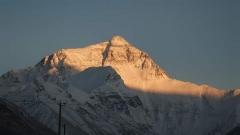
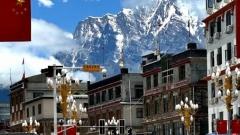
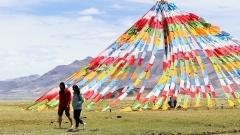
Sitting at an elevation of 4,590 meters on the Tibetan Plateau, Lake Manasarovar is one of the highest freshwater lakes in the world. Revered by Hindus, Buddhists, Jains, and Bon followers alike, it draws pilgrims and adventurers from every corner of the globe. If you are wondering how to go to Lake Manasarovar, the journey requires careful planning, proper documentation, and physical preparation due to the extreme altitude and remote location. Unlike standard tourist destinations, reaching this pristine body of water involves navigating complex logistics in western Tibet.
Before diving into the details, here are the key takeaways for planning your trip:
- Secure a Tibet Travel Permit and Alien Travel Permit well in advance.
- Fly or take the train to Lhasa, then travel overland to western Tibet.
- Acclimatize properly to avoid severe altitude sickness.
- Pack heavy winter clothing regardless of the season you visit.
- Consider hiring a specialized agency like Tibet Yulong Travel for seamless logistics.
Understanding the Geography of Lake Manasarovar
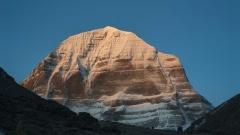
To figure out how to go to Lake Manasarovar, you first need to understand where it is located. The lake lies in the Ngari Prefecture of the Tibet Autonomous Region, near the border of Nepal and India. It sits just south of Mount Kailash, separated by a narrow strip of land. The nearest major town is Darchen, which serves as the base camp for both the Mount Kailash trek and visits to the lake.
The sheer remoteness of the area means there are no direct international flights or high-speed trains connecting the outside world to the lake’s shores. Every traveler must transit through central Tibet, usually starting in Lhasa, before making the long overland journey westward. This geographic reality dictates that visiting Lake Manasarovar is not a weekend getaway but rather a multi-day expedition requiring stamina and patience.
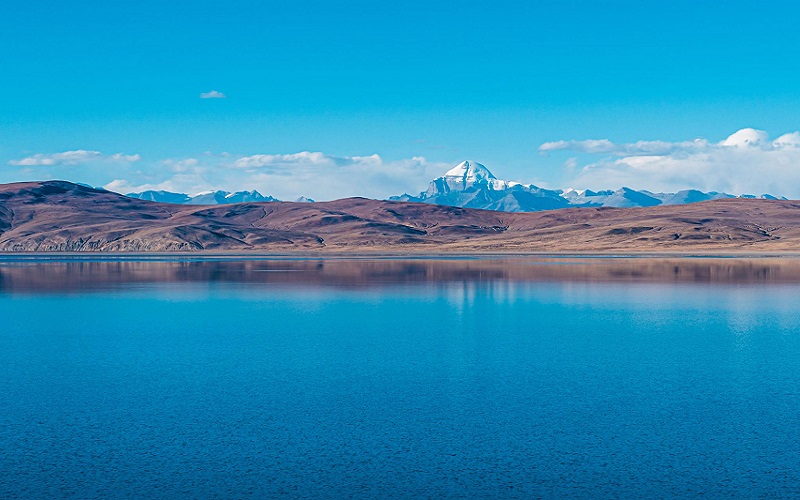
Mount Kailash And Lake Manasarovar
Best Routes to Reach Lake Manasarovar
When researching how to go to Lake Manasarovar, travelers generally have two main routing options, both originating from Lhasa. The choice depends on your time constraints, budget, and desire for scenic exploration.
The Southern Overland Route via Shigatse and Saga
The most popular and practical way to reach Lake Manasarovar is by driving the southern route. From Lhasa, the journey heads west along the Yarlung Tsangpo River valley. You will pass through Shigatse, Tibet’s second-largest city, and continue toward Lhatse and Saga. From Saga, the road turns northwest toward Paryang and finally Darchen.
This overland drive covers approximately 1,200 kilometers and typically takes three to four days if you include stops for sightseeing and acclimatization. The advantage of this route is the gradual increase in elevation, which gives your body time to adjust to the thinning oxygen levels. Along the way, you will pass vast grasslands, nomadic settlements, and stunning mountain passes. Most organized tours allocate specific nights in Shigatse and Saga to break up the journey safely.
The Northern Route via Ali (Shiquanhe)
An alternative approach involves flying or driving to Ali, also known as Shiquanhe, the administrative center of the Ngari Prefecture. There are domestic flights connecting Lhasa to Ali Kunsha Airport, though they are subject to weather conditions and schedule changes. Once in Ali, the drive south to Lake Manasarovar takes about four to five hours across rugged terrain.
While flying to Ali saves considerable time, it poses a significant risk regarding altitude sickness. Ali sits at around 4,300 meters, and jumping directly from lower elevations without a gradual ascent can trigger acute mountain sickness. Therefore, even if you choose to fly, spending several days acclimatizing in Lhasa beforehand is absolutely mandatory.
Essential Permits and Documentation
You cannot simply book a ticket and arrive at Lake Manasarovar. Foreign passport holders and non-Chinese citizens must obtain specific legal documents before entering the Tibet Autonomous Region, let alone the restricted Ngari Prefecture.
First, you need a Chinese Visa, obtained from a Chinese embassy or consulate in your home country. Second, you must secure a Tibet Travel Permit (TTP), issued by the Tibet Tourism Bureau. This permit is only available through registered travel agencies; independent applications are not accepted. Your agency will require copies of your passport and Chinese visa to process this document, which usually takes a few weeks.
Because Lake Manasarovar is located in a sensitive border region, the TTP alone is insufficient. You will also need an Alien Travel Permit (ATP) and, in some cases, a Military Border Pass. These additional documents are arranged by your tour operator once you are inside Tibet. Attempting to navigate these bureaucratic requirements alone is nearly impossible, which is why partnering with experienced professionals like Tibet Yulong Travel is highly recommended. They handle the paperwork efficiently, ensuring your itinerary complies with all local regulations so you can focus entirely on the journey.
Preparing for High Altitude at Lake Manasarovar
Understanding how to go to Lake Manasarovar is only half the battle; surviving the altitude comfortably is the other. At nearly 4,600 meters, the oxygen level is roughly half of what you experience at sea level. Physical fitness does not guarantee immunity to altitude sickness; even marathon runners can suffer if they ascend too quickly.
Start preparing weeks before your trip by staying hydrated, avoiding alcohol, and getting adequate sleep. Consult your doctor about carrying acetazolamide (Diamox), a medication commonly used to prevent and treat altitude sickness. Once in Tibet, follow the golden rule: climb high, sleep low. Do not overexert yourself during the first few days in Lhasa. Walk slowly, eat light meals rich in carbohydrates, and drink plenty of water.
When you finally arrive at Lake Manasarovar, resist the urge to rush down to the water’s edge immediately. Rest upon arrival in Darchen or your designated guesthouse. Symptoms like mild headaches, shortness of breath, and disrupted sleep are normal, but if you experience severe vomiting, confusion, or persistent coughing, descend to a lower altitude immediately and seek medical attention.
Best Time to Visit Lake Manasarovar
Timing your trip correctly makes a massive difference in your overall experience. The window for visiting Lake Manasarovar is relatively narrow due to the harsh climate of the Tibetan Plateau.
The best months to travel are generally from May to early October. During this period, daytime temperatures hover between 10°C and 20°C, making outdoor activities manageable. The skies are usually clear, offering unobstructed views of Mount Kailash and the deep blue waters of the lake. September and October are particularly favored by photographers because the autumn light casts a golden hue over the landscape, and the monsoon rains have subsided.
Winter, from November to April, brings freezing temperatures, heavy snowfall, and blocked mountain passes. Roads leading to Ngari can become impassable, and basic amenities like running water and heating in guesthouses are severely limited or completely shut down. Unless you are part of a highly specialized expedition, planning a winter visit is strongly discouraged.
Packing Essentials for the Journey
Packing for Lake Manasarovar requires balancing warmth, comfort, and weight limits. Even in summer, nighttime temperatures near the lake can drop below freezing. Layering is the most effective strategy. Bring thermal base layers, fleece mid-layers, and a windproof, waterproof down jacket.
Sun protection is critical at high altitudes. The UV index is incredibly strong, so pack high-SPF sunscreen, polarized sunglasses, and a wide-brimmed hat. Lip balm and heavy moisturizer are necessary to combat the dry, thin air.
Since infrastructure is basic, carry personal toiletries, wet wipes, hand sanitizer, and any prescription medications you need. A reliable power bank is essential, as electricity in remote guesthouses may be limited to certain hours. Comfortable, broken-in hiking boots are a must for walking around the lake’s perimeter or exploring nearby monasteries.
Accommodation and Facilities Near Lake Manasarovar
Do not expect luxury resorts when learning how to go to Lake Manasarovar. Accommodation options are primarily concentrated in Darchen and a few scattered guesthouses near the lake itself, such as those at Hor Qu or Chiu Monastery.
Facilities are basic. Rooms typically feature simple beds with heavy blankets. Heating might consist of a small stove burning yak dung or solar-powered electric heaters. Hot showers are rare and often cost extra; many travelers rely on wet wipes for hygiene. Toilets are usually squat-style pit latrines located outside the main building.
Food options are limited to local Tibetan fare, simple Chinese dishes, and occasionally basic Western items like fried eggs or noodles. Carrying your own supply of energy bars, nuts, and instant coffee is a smart move to supplement the available meals.
Why Choose a Professional Agency Like Tibet Yulong Travel
Navigating the complexities of a trip to western Tibet can be overwhelming. From securing the right permits to arranging reliable vehicles capable of handling unpaved mountain roads, the logistical burden is heavy. This is where specialized operators prove invaluable.
Agencies like Tibet Yulong Travel possess deep local knowledge and established networks within the Tibet Autonomous Region. They provide experienced drivers who know the terrain intimately, English-speaking guides who enrich your understanding of the local culture and religion, and well-maintained vehicles equipped with emergency oxygen supplies. By entrusting your journey to professionals, you eliminate the stress of DIY planning and ensure that your pilgrimage or adventure to Lake Manasarovar is safe, compliant, and deeply memorable. Their expertise transforms a daunting logistical challenge into a smooth, life-changing experience.