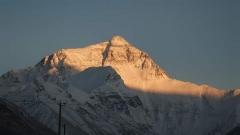
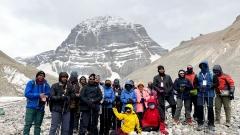
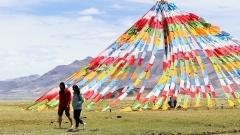
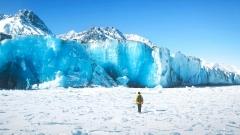
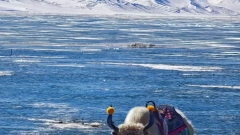
Few places on Earth offer the raw, unfiltered beauty of the Tibetan Plateau, but a Selincuo salt lake road trip northern Tibet remains one of the most spectacular journeys you can undertake. Far removed from the heavily trafficked tourist circuits near Lhasa, Selincuo (also known as Siling Co) is the largest inland lake in Tibet. Its vast expanse of deep blue water, framed by snow-capped peaks and endless grasslands, feels like standing at the edge of the world. This journey is not just about reaching a destination; it is about traversing the remote Changtang region, encountering nomadic herders, and witnessing wildlife that exists nowhere else. Whether you are an avid photographer, a seasoned overlander, or a traveler seeking profound solitude, navigating the high-altitude terrain toward this magnificent body of water delivers an experience that redefines what adventure means.
✨ Highlights:
- Altitude exceeds 4,500 meters; proper acclimatization is absolutely essential before departure.
- A sturdy 4×4 vehicle is required due to unpaved and rugged terrain conditions.
- The best visiting months are May through October for relatively stable weather.
- Independent travel is restricted; foreign visitors must book through authorized agencies.
- Wildlife sightings, including Tibetan antelopes and wild yaks, are common along the route.
Why Choose a Selincuo Salt Lake Road Trip Northern Tibet
When travelers think of Tibet, their minds often drift to the Potala Palace, Mount Everest Base Camp, or the sacred waters of Yamdrok Lake. However, the true wilderness of the plateau lies further north. Embarking on a Selincuo salt lake road trip northern Tibet allows you to step off the beaten path and into a landscape that has remained largely unchanged for centuries. Selincuo is not just a lake; it is a dynamic ecosystem and a geological marvel.
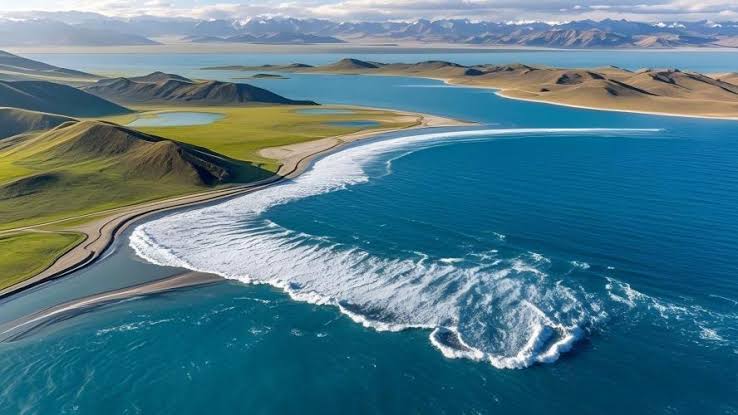
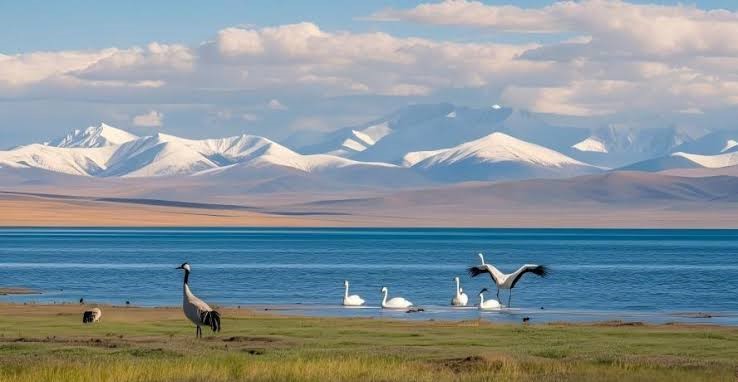
The lake has been expanding rapidly over the past few decades, absorbing smaller neighboring lakes and becoming a crucial habitat for migratory birds and endemic fish species. Unlike the more commercialized destinations in central Tibet, the northern routes leading to Selincuo offer a sense of isolation that is increasingly rare in modern travel. You will drive for hours without seeing another vehicle, passing through valleys where golden eagles soar overhead and black-necked cranes wade in shallow wetlands. For those who crave authenticity and are willing to endure the physical demands of high-altitude travel, this route provides an unparalleled reward.
Understanding the Geography and Scale of Selincuo
To truly appreciate a Selincuo salt lake road trip northern Tibet, you must first understand the sheer scale of the environment you are entering. Located in the Nagqu Prefecture of the Tibet Autonomous Region, Selincuo sits at an elevation of approximately 4,530 meters above sea level. It covers an area that fluctuates but generally exceeds 2,300 square kilometers, making it larger than many well-known lakes globally.
The lake is endorheic, meaning it has no outflow to the ocean. Water leaves only through evaporation, which concentrates minerals and gives the lake its striking, vivid colors—ranging from deep sapphire to pale turquoise depending on the sunlight and depth. The surrounding landscape is characterized by the Changtang Nature Reserve, one of the largest protected areas in Asia. This high-altitude steppe is dotted with hot springs, geothermal vents, and smaller satellite lakes like Dongguicuomei and Bengcuo. The geography dictates everything about your journey, from the routes you can take to the times of year it is safe to travel. The ground here is unforgiving, shifting from solid rock to muddy bogs seemingly overnight during the brief summer thaw.
Planning Your Route for the Selincuo Salt Lake Road Trip Northern Tibet
Route planning is the backbone of any successful Selincuo salt lake road trip northern Tibet. There is no single highway that drops you directly at the lake’s shore. Instead, you must navigate a network of primary roads and secondary dirt tracks. Most journeys originate in Lhasa, traveling northward via National Highway G109 toward Nagqu, and then branching westward into the deeper reaches of the Changtang.
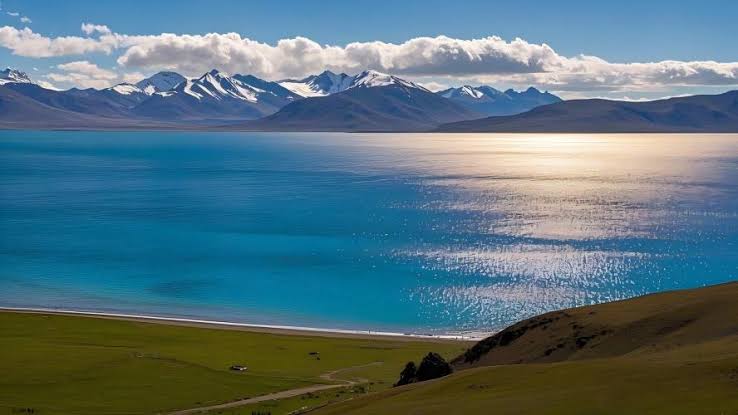
A popular itinerary involves driving from Lhasa to Namtso Lake first, allowing your body a day to adjust to elevations above 4,700 meters. From Namtso, the route pushes northwest toward Bange County. Bange serves as the last major outpost with reliable fuel, basic guesthouses, and supplies before you enter the true wilderness surrounding Selincuo. From Bange, the road degrades significantly. You will follow dirt tracks that wind through mountain passes exceeding 5,000 meters. It is vital to have GPS coordinates pre-loaded, as signage is virtually non-existent once you leave the main highways. The final approach to the lake often requires driving along its southern or western shores, where the views are most dramatic, though access points can change based on recent rainfall and lake expansion.
Best Time of Year for Your Journey
Timing your Selincuo salt lake road trip northern Tibet correctly can mean the difference between a magical experience and a logistical nightmare. The window for travel is remarkably narrow. The optimal time to visit is from late May to early October. During these months, daytime temperatures hover around 10°C to 15°C, and the mountain passes are generally free of heavy snow blockages.
July and August bring the monsoon rains to the plateau. While the rain makes the grasslands incredibly lush and green, it also turns dirt roads into impassable mud traps. If you travel during the peak of the rainy season, flexibility in your schedule is mandatory. September and October are widely considered the sweet spot. The rains have subsided, the skies are piercingly clear, and the autumn light casts long, golden shadows across the landscape, creating ideal conditions for photography. Winter travel, from November through April, is strongly discouraged for all but the most extreme expedition teams. Temperatures plummet well below -20°C, roads are buried under snow, and emergency assistance is virtually impossible to summon.
Vehicle Requirements and Driving Conditions
You cannot attempt a Selincuo salt lake road trip northern Tibet in a standard sedan or even a soft-roader. The driving conditions demand a robust, high-clearance 4×4 vehicle. Toyota Land Cruisers (specifically the 70 or 200 series) and Mitsubishi Pajeros are the undisputed kings of the Tibetan plateau. These vehicles are favored because parts are relatively easy to find in larger towns, and local mechanics know how to fix them.
The roads outside of the national highways are deeply rutted, rocky, and frequently crossed by glacial streams. Tire punctures are a daily occurrence rather than a possibility. You must carry at least two full-sized spare tires, a heavy-duty jack, tire repair kits, and an air compressor. Fuel management is equally critical. Gas stations become scarce once you pass Nagqu and Bange. You should carry additional fuel in approved jerry cans, ensuring you always have enough range to backtrack if a road becomes blocked. Furthermore, driving at altitudes above 4,500 meters affects both human and machine. Engines lose power due to thin air, meaning climbs that would be effortless at sea level require low gears and patience. Drivers must also be hyper-aware of wandering livestock and wildlife that frequently cross the tracks without warning.
Essential Permits and Regulations
Navigating the bureaucratic requirements is a mandatory step before starting your Selincuo salt lake road trip northern Tibet. Foreign passport holders cannot travel independently in the Tibet Autonomous Region. You are required to obtain a Tibet Travel Permit (TTP), which can only be arranged through a registered local travel agency. Additionally, because Selincuo is located in a remote and ecologically sensitive area, you will need an Alien Travel Permit (ATP) issued by the Public Security Bureau, as well as potential military permits depending on the exact route taken near border zones.
It is highly recommended to organize your trip through experienced operators such as Tibet Yulong Travel, who specialize in complex overland itineraries. Agencies like Tibet Yulong Travel handle the intricate paperwork, secure the necessary local guides, and ensure that all legal requirements are met before you even start the engine. Attempting to bypass these regulations or travel without a guide will result in being turned back at checkpoints, which are strictly enforced throughout the Nagqu prefecture. Chinese citizens also require specific permits to enter the Changtang Nature Reserve, emphasizing the region’s protected status.
Dealing with High Altitude on the Road
Altitude sickness is the greatest threat to any Selincuo salt lake road trip northern Tibet. At 4,530 meters, the oxygen level is roughly 55% of what it is at sea level. Acute Mountain Sickness (AMS) can affect anyone, regardless of age or physical fitness. Symptoms include severe headaches, nausea, dizziness, shortness of breath, and insomnia. In extreme cases, it can progress to High Altitude Pulmonary Edema (HAPE) or High Altitude Cerebral Edema (HACE), both of which are life-threatening.
Proper acclimatization is non-negotiable. Do not fly directly into a high-altitude location and immediately drive north. Spend at least three to four days in Lhasa (3,650 meters) allowing your body to produce more red blood cells. Hydration is key; drink significantly more water than you normally would, and avoid alcohol entirely during the first few days of your trip. Carry supplemental oxygen cylinders in your vehicle—not just the small portable cans, but large medical-grade tanks. Medications like Acetazolamide (Diamox) can aid acclimatization, but consult a physician before your trip. If someone in your group develops severe symptoms, the only true cure is immediate descent to a lower elevation. Your itinerary must always account for a rapid exit strategy.
What to Pack for the Selincuo Salt Lake Road Trip Northern Tibet
Packing for a Selincuo salt lake road trip northern Tibet requires balancing warmth, utility, and space constraints within a 4×4 vehicle. The temperature swings are extreme; you might experience blazing sunshine at noon and freezing winds by sunset. Layering is the fundamental rule of dressing for the plateau.
Start with moisture-wicking thermal base layers, add insulating mid-layers like fleece or down jackets, and finish with a windproof and waterproof outer shell. Sturdy, broken-in hiking boots are essential, especially when walking along the rocky shores of the lake. Sun protection is paramount at this altitude. The UV index is extraordinarily high, so pack SPF 50+ sunscreen, polarized sunglasses with UV protection, and wide-brimmed hats. Lip balm and heavy moisturizers will prevent your skin from cracking in the dry, thin air.
Beyond clothing, your packing list must include a comprehensive first-aid kit tailored for remote travel, water purification tablets, high-calorie snacks (nuts, chocolate, energy bars), power banks for charging electronics (as electricity is unreliable outside major towns), and headlamps. Bring binoculars for wildlife viewing and a quality camera with extra batteries, as cold temperatures drain battery life rapidly.
Wildlife Encounters in the Changtang Region
One of the most rewarding aspects of a Selincuo salt lake road trip northern Tibet is the opportunity to witness the unique fauna of the Changtang Nature Reserve. This harsh environment supports a surprising variety of wildlife that has adapted to the extreme cold and altitude. As you drive the dusty tracks toward the lake, keep your eyes scanning the horizon.
Herds of Tibetan antelope (Chiru) are a common sight, particularly in the summer months when they migrate to calving grounds. These elegant creatures move swiftly across the plains. You may also encounter the massive, shaggy wild yak, a symbol of the untamed plateau. Unlike domesticated yaks, wild yaks are solitary or found in small groups and should be observed from a safe distance, as they can be aggressive if threatened. Tibetan wild asses (Kiang) roam the valleys in large herds, often pacing vehicles out of curiosity. Birdwatchers will be thrilled by the presence of black-necked cranes, bar-headed geese, and various species of raptors, including the Himalayan griffon vulture. Respecting these animals means never feeding them, keeping noise levels down, and maintaining a respectful distance to avoid causing stress.
Photography Tips for Capturing Selincuo
A Selincuo salt lake road trip northern Tibet is a photographer’s dream, but capturing the scale and beauty of the landscape requires technique and preparation. The intense light and high contrast of the plateau can trick camera meters, often resulting in underexposed landscapes or blown-out skies.
Use a circular polarizer filter to cut through the glare on the lake’s surface and deepen the blue of both the water and the sky. Golden hour—shortly after sunrise and just before sunset—provides the most dramatic lighting, casting warm hues across the mountains and turning the lake into a mirror reflecting the sky. Because the air is incredibly thin and free of pollution, stars shine with astonishing clarity. Astrophotography at Selincuo is world-class; bring a sturdy tripod and a fast wide-angle lens to capture the Milky Way arching over the dark waters.
Always carry lens cleaning cloths, as the fine dust kicked up by vehicles settles on glass quickly. When photographing local nomads or monks, always ask for permission first. A smile and a gesture toward your camera usually suffice, but respect their decision if they decline. Finally, remember to put the camera down occasionally. No lens can fully capture the feeling of standing at the edge of the world.
Cultural Interactions with Nomadic Herders
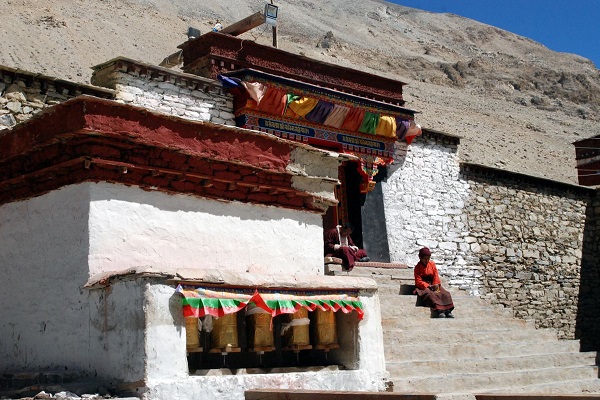
The human element of a Selincuo salt lake road trip northern Tibet is defined by the nomadic herders who call the Changtang home. These resilient communities have lived in harmony with the harsh environment for generations, moving their herds of yaks, sheep, and goats according to the seasons. Their homes are typically black tents woven from yak hair, designed to withstand fierce winds while allowing smoke from interior fires to escape.
Encountering nomads on your journey offers a glimpse into a traditional way of life that is slowly changing. If you are invited into a tent, it is customary to accept a cup of butter tea or sweet milk tea. Refusing hospitality can sometimes be seen as impolite, so even a small sip is appreciated. Communication may be limited to gestures and smiles, as Tibetan dialects spoken in the north differ significantly from those in Lhasa, and English is rarely spoken. Small gifts, such as school supplies for children or practical items, are better received than money, which can disrupt local dynamics. Always approach interactions with humility and respect for their customs and their land.
Accommodation and Camping Logistics
Do not expect luxury hotels when undertaking a Selincuo salt lake road trip northern Tibet. Once you leave cities like Nagqu or towns like Bange, formal accommodation ceases to exist. You have two primary options: basic guesthouses in small county towns or wild camping.
Guesthouses in places like Bange offer simple beds, often without private bathrooms or running hot water. They provide a roof and warmth, which is invaluable after a long day of driving. However, to truly experience the lake, camping is necessary. Wild camping on the plateau requires specialized gear. A four-season tent capable of withstanding high winds is mandatory. Sleeping bags rated for -15°C or lower will ensure you survive the freezing nights. Foam sleeping pads or insulated inflatable mats protect you from the frozen ground.
Camp setup should be done before dark, as temperatures drop rapidly once the sun sets. Choose flat ground away from riverbeds that could flash-flood, and ideally sheltered by natural windbreaks. Leave No Trace principles are strictly enforced in spirit; pack out all garbage, including organic waste, as decomposition takes years at this altitude.
Food and Water Management on the Road
Sustaining yourself during a Selincuo salt lake road trip northern Tibet requires careful planning. Restaurants disappear entirely once you enter the deep Changtang. You must carry all your food supplies from Lhasa or Nagqu. Rely on calorie-dense, non-perishable foods. Instant noodles, dried meats, nuts, peanut butter, crackers, and vacuum-sealed meals are staples of plateau road trips.
If you have a portable gas stove, you can boil water for hot meals and drinks, which significantly boosts morale in the cold evenings. Fresh fruits and vegetables are difficult to keep from freezing or spoiling, so consume them in the first few days of your journey. Water is abundant in the form of rivers and lakes, but it must never be consumed untreated. Even pristine-looking glacial streams can contain parasites or bacteria. Use a combination of mechanical filtration and chemical purification (like iodine or chlorine dioxide tablets) or simply boil all drinking water. Given the high altitude, your body loses moisture rapidly through respiration, so aim to drink at least three to four liters of water daily to stave off dehydration and assist with acclimatization.
Safety and Emergency Preparedness
Safety on a Selincuo salt lake road trip northern Tibet relies entirely on self-sufficiency. Mobile phone coverage is sporadic at best and completely absent for long stretches of the journey. You cannot rely on calling for help if your vehicle breaks down or someone falls ill.
Traveling in a convoy of at least two vehicles is the safest approach. If one vehicle gets stuck in the mud or suffers a mechanical failure, the other can provide a tow or transport passengers to safety. Satellite communication devices, such as Garmin inReach or satellite phones, are highly recommended investments for emergencies. Before departing, leave a detailed itinerary with your agency or hotel in Lhasa, including expected check-in dates at various waypoints. Mechanical knowledge is crucial; drivers should know how to bleed brakes, patch tires, and troubleshoot basic engine issues. Carry recovery gear including kinetic ropes, shackles, traction boards, and a shovel. The margin for error in northern Tibet is razor-thin, and preparedness is your only true safety net.
Environmental Responsibility and Conservation
The ecosystem you traverse during a Selincuo salt lake road trip northern Tibet is incredibly fragile. The Changtang Nature Reserve was established to protect this unique biosphere, and visitors bear a heavy responsibility to minimize their impact. The permafrost layer beneath the soil is thin, and tire tracks left off established paths can scar the landscape for decades, accelerating erosion and destroying grazing lands for local wildlife.
Always stay on existing tracks, even if they seem rough or indirect. Never wash your vehicle or yourself directly in the lake or rivers using soap or chemicals. Human waste should be buried in catholes dug at least 20 centimeters deep and far from any water source, though carrying out solid waste is increasingly encouraged. Plastic pollution is a growing concern on the plateau; ensure every wrapper, bottle, and bag you bring in leaves with you. By practicing strict environmental ethics, you help preserve the stark, untouched beauty of Selincuo for future explorers and protect the livelihoods of the nomadic communities who depend on this land.
The Role of Local Guides and Tibet Yulong Travel
Successfully executing a Selincuo salt lake road trip northern Tibet is rarely a solo endeavor, especially for international visitors. The logistics, permits, language barriers, and navigational challenges make professional support indispensable. This is where experienced operators prove their worth. Companies like Tibet Yulong Travel specialize in crafting overland expeditions that balance adventure with safety and compliance.
Tibet Yulong Travel provides knowledgeable local guides who understand the nuances of the Changtang terrain. These guides do more than just point the way; they act as cultural interpreters, facilitating respectful interactions with nomadic families, and serve as first responders trained in high-altitude medicine. Their drivers are veterans of the plateau, possessing an intuitive understanding of how to read the landscape, avoid hidden bogs, and manage vehicle stress. By organizing your journey through Tibet Yulong Travel, you ensure that your permits are legally secured, your route is optimized for current road conditions, and your environmental footprint is managed responsibly. Their deep roots in the local community mean that your travel dollars contribute positively to the regional economy, supporting sustainable tourism practices in one of the world’s most remote environments.
Frequently Asked Questions About the Journey
How many days does a Selincuo salt lake road trip northern Tibet typically take?
A round trip from Lhasa, incorporating necessary acclimatization stops and exploration time around the lake, generally requires 8 to 12 days. Rushing the itinerary increases the risk of altitude sickness and vehicle breakdowns.
Is it possible to swim in Selincuo?
Swimming is strongly discouraged and practically impossible. The water is near freezing year-round, and the high salinity combined with the extreme altitude makes physical exertion in the water incredibly dangerous. Hypothermia would set in within minutes.
Are there ATMs or places to buy supplies near the lake?
No. Once you leave Bange County, there are no commercial facilities, banks, or shops. All cash, fuel, food, and supplies must be purchased and packed before entering the reserve.
Can I use drones for photography at Selincuo?
Drone usage in Tibet is heavily restricted. Many areas, particularly near borders, military installations, and nature reserves, strictly prohibit drone flights. You must consult with your travel agency, such as Tibet Yulong Travel, regarding current local aviation laws before bringing or flying a drone, as confiscation and fines are common penalties for violations.
What happens if the weather turns bad during the trip?
Flexibility is built into every good itinerary. If heavy snow blocks a pass or torrential rain turns the roads to deep mud, your guide and driver will assess the situation. This may involve waiting out the storm in the vehicle, backtracking to the nearest town, or taking an alternative, longer route. Safety always supersedes the planned schedule.