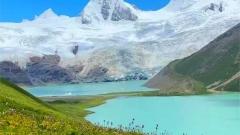
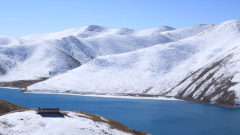
Arriving in Lhasa feels like stepping into another world entirely. Perched at an elevation of over 3,600 meters, this ancient city is the spiritual and cultural heart of Tibet. For anyone embarking on a journey through this remarkable region, knowing exactly what to see and experience is crucial for making the most of your time. Whether you are drawn by deep-rooted Buddhist traditions, breathtaking Himalayan landscapes, or the unique daily rhythms of high-altitude living, planning your itinerary carefully ensures a smooth and enriching trip.
Because altitude sickness is a real consideration when traveling to such heights, pacing yourself is essential. You cannot rush through Lhasa. The air is thinner, the sunlight is more intense, and the pace of life moves to the rhythm of prayer wheels and chanting monks. To help you navigate this extraordinary destination, we have compiled a comprehensive list of 14 things to do in Lhasa during your Tibet travel. Pay special attention to the first nine—they are considered absolute must-do activities that define the essence of visiting this sacred city.
Key Points
1. Explore the Majestic Potala Palace: Tour the iconic architectural landmark of Lhasa, ensuring tickets are booked in advance due to strict daily limits.
2. Join the Pilgrims at Jokhang Temple: Experience the spiritual heart of the city and observe devoted pilgrims at this living, active temple.
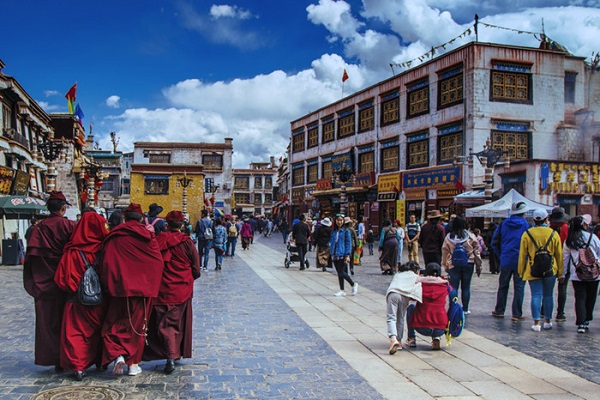
3. Walk the Barkhor Kora Circuit: Immerse yourself in local culture and shopping by walking clockwise along the historic pilgrimage and commercial street.
4. Witness Monastic Debates at Sera Monastery: Observe monks engage in energetic, theatrical philosophical debates in the shaded courtyards.
5. Marvel at the Golden Roofs of Drepung Monastery: Wander through the sprawling hillside complex that was once the largest monastery in the world.
6. Hike Up to Chakpori Hill for Panoramic Views: Climb the stone steps to capture the most iconic photographic vantage point of the Potala Palace.
7. Taste Authentic Tibetan Cuisine: Try local delicacies designed for high altitudes, including momos, thukpa, yak butter tea, and tsampa.
8. Visit Norbulingka, the Summer Palace: Stroll through the lush gardens, pavilions, and tranquil ponds of the Dalai Lamas’ former summer retreat.
9. Experience the Local Teahouse Culture: Blend in with locals by visiting traditional social hubs to sip sweet milk tea and observe daily life.
10. Shop for Handicrafts at Specialized Markets: Find authentic traditional Tibetan medicine, thangka scrolls, and handmade incense while supporting local artisans.
11. Take a Day Trip to Ganden Monastery: Drive out to a dramatic mountain ridge east of Lhasa to enjoy breathtaking valley views and the Ganden Kora hike.
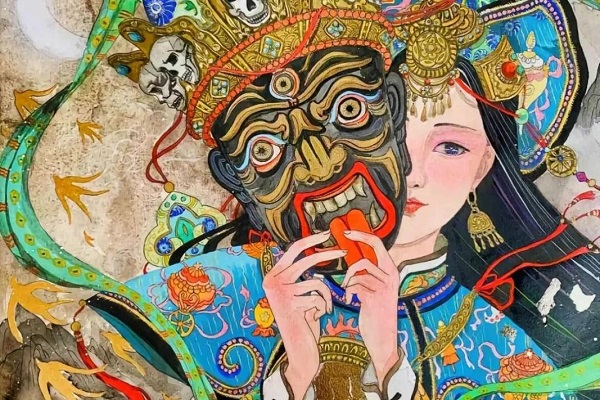
12. Watch a Traditional Tibetan Opera Performance: Experience mesmerizing folk tales and Buddhist legends told through chanting, dancing, and colorful masks.
13. Photograph Prayer Flags at the Lhasa River: Capture stunning pictures of colorful prayer flags silhouetted against the sky in a peaceful setting.
14. Relax and Acclimatize at a Local Park: Unwind at spaces like Zongjiao Lukang Park to rest, breathe, and safely adjust to high altitudes.
The 9 Must-Do Activities in Lhasa
1. Explore the Majestic Potala Palace
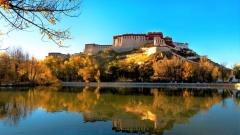
No Tibet travel experience is complete without standing before the towering white and red walls of the Potala Palace. Once the winter residence of the Dalai Lamas, this architectural marvel dominates the Lhasa skyline. Inside, you will find thousands of rooms filled with intricate murals, golden stupas, and centuries of history. Because visitor numbers are strictly limited each day to protect the ancient structure, booking your tickets well in advance through your tour operator is mandatory. Allow at least two to three hours to walk through the palace, taking your time on the steep staircases to respect both the architecture and your own acclimatization process.
2. Join the Pilgrims at Jokhang Temple
If the Potala Palace is the visual symbol of Lhasa, Jokhang Temple is its beating spiritual heart. Built in the seventh century, this temple houses the Jowo Shakyamuni, the most revered statue in Tibetan Buddhism. Walking through the dimly lit corridors, surrounded by the scent of yak butter lamps and the low hum of prayers, offers a profoundly moving experience. Unlike many museums where artifacts sit behind glass, Jokhang is a living temple. Pilgrims travel for weeks, sometimes prostrating every step of the way, just to reach its doors. Spending time here provides a genuine window into the faith that sustains the people of Tibet.
3. Walk the Barkhor Kora Circuit
Surrounding Jokhang Temple is the Barkhor Street circuit, a circular pilgrim route known as a kora. Walking this path clockwise alongside locals spinning prayer wheels and murmuring mantras is one of the best ways to immerse yourself in local culture. But Barkhor is not just a religious route; it is also the oldest commercial street in Lhasa. Here, vendors sell everything from turquoise jewelry and singing bowls to traditional clothing and religious texts. Take your time navigating the crowds, stop to examine the craftsmanship of local artisans, and let the vibrant energy of the street wash over you.
4. Witness Monastic Debates at Sera Monastery
Located just north of central Lhasa, Sera Monastery is famous for one specific, highly energetic tradition: the monk debates. Every afternoon, monks gather in a courtyard shaded by trees to debate Buddhist philosophy. The sessions are theatrical and intense, featuring loud claps, dramatic gestures, and rapid-fire questioning. It is a fascinating educational spectacle that draws travelers from all over the world. Sitting quietly on the sidelines, you can observe how these scholars sharpen their minds and deepen their understanding of ancient texts. This interactive form of learning is a highlight of any Tibet travel itinerary.
5. Marvel at the Golden Roofs of Drepung Monastery
Drepung was once the largest monastery in the world, housing up to 10,000 monks at its peak. Today, it remains a sprawling complex built into the hillside west of Lhasa. Exploring Drepung means wandering through narrow alleys, climbing steep stone steps, and discovering quiet courtyards where young monks study. The main assembly hall is vast, supported by massive wooden pillars draped in silk. Visiting Drepung offers a quieter, more contemplative alternative to the busier sites in the city center, allowing you to appreciate the sheer scale of monastic life in Tibet.
6. Hike Up to Chakpori Hill for Panoramic Views
Directly opposite the Potala Palace sits Chakpori Hill, a sacred site covered in carved mani stones and fluttering prayer flags. A relatively short but steep hike up the stone steps rewards you with the most iconic photographic vantage point in Lhasa. From the viewing platform, you can frame the entire Potala Palace against the backdrop of the surrounding mountains. Many photographers prefer to visit early in the morning or late in the afternoon when the light casts a golden glow over the white walls. Beyond the views, the hill itself is rich in history, having served as a medical college in centuries past.
7. Taste Authentic Tibetan Cuisine
Engaging with the local food scene is a non-negotiable part of your Tibet travel adventure. Tibetan cuisine is designed to provide warmth and energy in a harsh, high-altitude climate. You must try momos, the beloved steamed dumplings filled with yak meat or vegetables. Thukpa, a hearty noodle soup, is perfect for warming up after a long day of sightseeing. Do not miss the chance to drink yak butter tea—a salty, rich beverage that locals consume throughout the day. For those with a sweeter palate, tsampa (roasted barley flour mixed with tea and butter) offers a unique, earthy flavor profile unlike anything else in the world.
8. Visit Norbulingka, the Summer Palace
While the Potala Palace served as the winter residence, Norbulingka was the summer retreat for the Dalai Lamas. Translating to “Jewel Park,” this UNESCO World Heritage site is a sprawling complex of gardens, pavilions, and palaces. It provides a stark contrast to the imposing stone architecture of central Lhasa, offering lush greenery, shaded walking paths, and tranquil ponds. Locals frequently visit Norbulingka for picnics, especially during festivals. Strolling through these gardens gives you a sense of the leisurely side of historical Tibetan leadership and offers a peaceful escape from the bustling streets.
9. Experience the Local Teahouse Culture
To truly understand daily life in Lhasa, you need to step inside a traditional teahouse. These establishments are social hubs where locals gather to chat, play dice, sip sweet milk tea, and eat simple meals. Unlike formal restaurants, teahouses are relaxed, noisy, and deeply authentic. Sit on a wooden bench, order a thermos of sweet tea, and simply watch the world go by. You might see elderly women turning prayer wheels, monks resting between studies, or friends sharing stories. Participating in this everyday ritual bridges the gap between being a tourist and becoming a temporary part of the community.
5 More Excellent Things to Do in Lhasa
Once you have completed the essential nine activities, there is still plenty to explore to round out your Tibet travel experience. These additional five suggestions offer deeper insights and varied adventures around the capital.
10. Shop for Handicrafts at the Tibetan Traditional Hospital Market
For meaningful souvenirs, skip the generic trinket shops and head toward areas specializing in traditional Tibetan medicine and crafts. You can find beautifully crafted incense made from high-altitude herbs, hand-painted thangka scrolls, and intricately woven carpets. Buying directly from workshops or reputable galleries ensures authenticity and supports local artisans who keep these ancient skills alive.
11. Take a Day Trip to Ganden Monastery
If you have an extra day, driving out to Ganden Monastery is highly recommended. Located about 50 kilometers east of Lhasa, it sits dramatically on a mountain ridge. The drive itself offers sweeping views of the Kyichu River valley. Upon arrival, you can undertake the famous Ganden Kora, a hiking trail that circles the monastery and provides staggering views of the surrounding peaks. It is significantly less crowded than the monasteries within the city limits.
12. Watch a Traditional Tibetan Opera Performance
Lhamo, or Tibetan opera, combines chanting, dancing, and brightly colored masks to tell ancient folk tales and Buddhist legends. While performances are most common during major festivals like Shoton, some cultural centers and theaters in Lhasa offer shows for visitors year-round. The elaborate costumes and distinct vocal styles make it a mesmerizing cultural experience that adds a performative layer to your understanding of Tibet.
13. Photograph the Vibrant Prayer Flags at the Lhasa River
The banks of the Lhasa River and the bridges crossing it are often adorned with thousands of colorful prayer flags. In Tibetan belief, the wind carries the printed mantras across the landscape, spreading goodwill and compassion. Taking a quiet walk along the river, especially near sunset, allows you to capture stunning photographs of these flags silhouetted against the sky while enjoying a moment of reflection away from the city center.
14. Relax and Acclimatize at a Local Park
Never underestimate the importance of rest when traveling at high altitudes. Places like Zongjiao Lukang Park, located just behind the Potala Palace, feature small lakes where locals row boats and feed birds. Finding a bench under a willow tree to read, breathe, and let your body adjust to the thin air is not just a leisure activity; it is a vital health practice during your stay in Lhasa. Respecting your physical limits ensures you have the energy to fully enjoy every other aspect of your journey through Tibet.