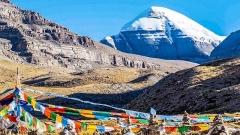
Nestled in the lush landscapes of eastern Tibet, the experience of a Lake Basum Tso boat ride and lakeside hike Nyingchi offers travelers an unparalleled journey into nature. Known as one of the most beautiful alpine lakes in China, Basum Tso sits at an elevation of about 3,480 meters, surrounded by snow-capped peaks and dense forests. Whether you are gliding across its emerald waters or trekking along its serene shores, the lake provides a peaceful escape from the bustling world. For those planning this adventure, understanding the logistics, cultural significance, and natural beauty of the area is essential. A well-planned trip ensures you can fully immerse yourself in the tranquility of the region while respecting the local environment and traditions.
✨ Highlights:
- Boat rides offer panoramic views of surrounding snow-capped mountains.
- The lakeside hike features ancient forests and Tibetan spiritual sites.
- Best visited between April and October for optimal weather conditions.
- Acclimatization in Nyingchi is crucial due to the high altitude.
- Local guides enhance the experience with cultural and ecological insights.
Planning Your Lake Basum Tso Boat Ride and Lakeside Hike Nyingchi Adventure
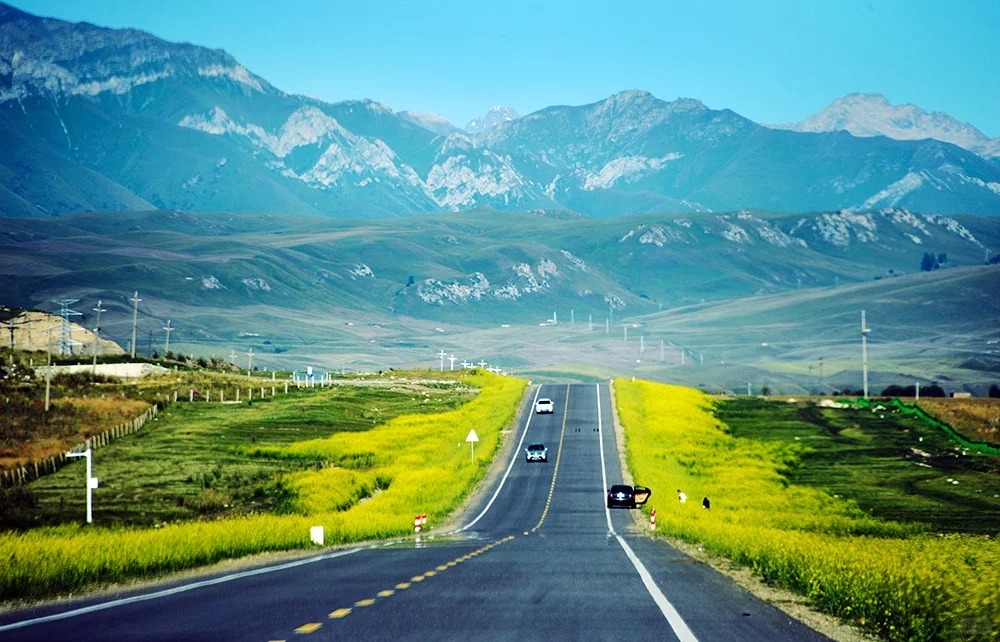
Embarking on a Lake Basum Tso boat ride and lakeside hike Nyingchi requires careful preparation, primarily because of the geographical and climatic conditions of the Tibetan Plateau. Located in Gongbo’gyamda County, roughly 120 kilometers from the Bayi District of Nyingchi, the lake is accessible via a well-maintained highway that winds through spectacular river valleys and mountain passes. The drive itself is a visual feast, transitioning from the subtropical vegetation of lower Nyingchi to the crisp, alpine environment surrounding the lake. Because the journey takes approximately two to three hours from Nyingchi town, most travelers opt to dedicate a full day to the excursion or stay overnight in nearby accommodations to fully appreciate the morning and evening light on the water.
When planning your itinerary, it is important to consider the time required for both the boat ride and the hike. Rushing through either activity diminishes the experience. A typical visit involves arriving in the morning when the winds are calmest, taking a boat tour to the central island, and then spending the afternoon walking the designated trails along the shoreline. If you are traveling independently, hiring a reliable vehicle is necessary, as public transportation directly to the lake’s entrance can be infrequent. Many visitors find that working with experienced local operators, such as Tibet Yulong Travel, simplifies these logistics significantly. Professional travel services can arrange seamless transportation, secure boat tickets, and provide knowledgeable guides who understand the nuances of the terrain and the weather patterns, ensuring your Lake Basum Tso boat ride and lakeside hike Nyingchi proceeds smoothly without unexpected delays.
Altitude is another critical factor in your planning. Although Nyingchi is known as the “Jiangnan of Tibet” due to its relatively lower elevation and higher oxygen levels compared to Lhasa, Basum Tso still sits at nearly 3,500 meters above sea level. Visitors should spend at least a few days acclimatizing in Nyingchi before ascending to the lake. Staying hydrated, avoiding strenuous physical exertion upon arrival, and moving at a deliberate pace are standard practices to prevent altitude sickness, allowing you to enjoy the physical demands of the lakeside hike comfortably.
Experiencing the Lake Basum Tso Boat Ride and Lakeside Hike Nyingchi on the Water
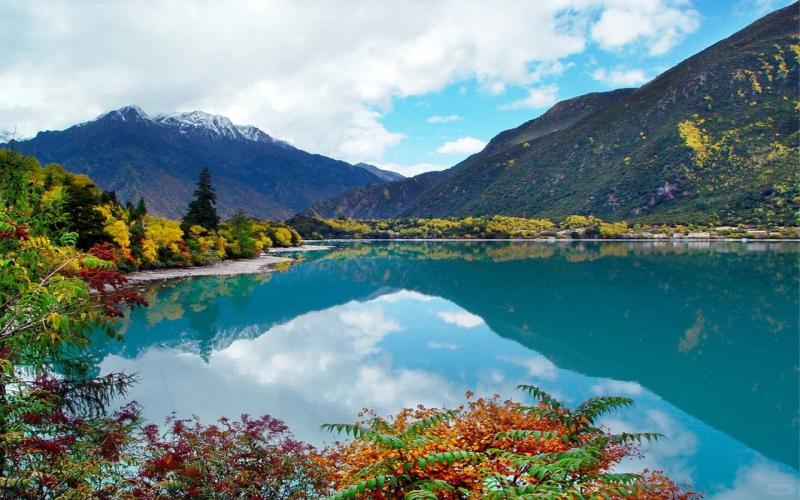
The centerpiece of any visit to this sacred body of water is undoubtedly the boat journey. A Lake Basum Tso boat ride and lakeside hike Nyingchi experience begins with stepping onto one of the traditional-style ferries or wooden boats that navigate the lake’s pristine surface. The water of Basum Tso is renowned for its striking color, which shifts depending on the season and the angle of the sun. In spring and summer, the glacial meltwater gives the lake a vivid, almost surreal shade of turquoise and emerald green, while in autumn, the reflection of the golden forests turns the water into a mirror of warm hues.
As the boat departs from the pier, the immediate sensation is one of profound silence, broken only by the gentle lapping of water against the hull and the distant calls of migratory birds. The lake stretches over 15 kilometers in length and covers an area of about 26 square kilometers, providing ample space to feel entirely disconnected from modern life. During the boat ride, the captain usually navigates toward Tashi Island, a small landmass situated near the center of the lake. This island is not merely a geographical feature but a site of immense spiritual importance to the local Tibetan Buddhist community.
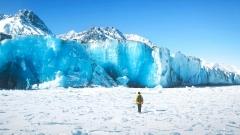
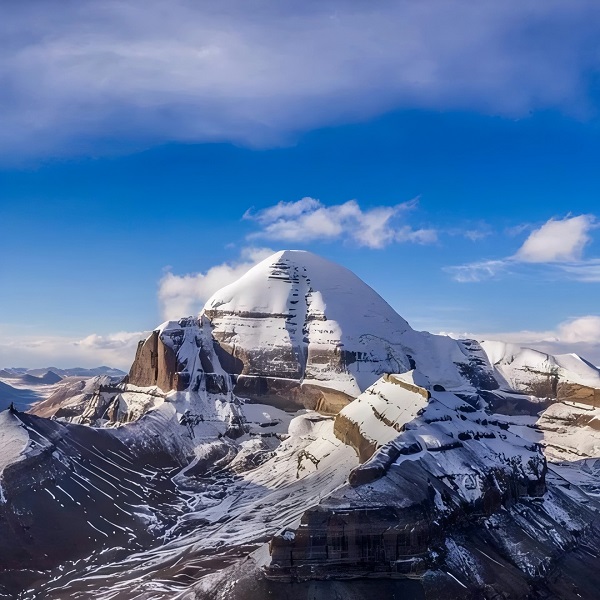
From the vantage point of the boat, the surrounding landscape reveals its true grandeur. The Nyainqentanglha mountain range forms a dramatic backdrop, with several peaks exceeding 6,000 meters remaining snow-covered even during the warmer months. The contrast between the stark white glaciers, the dark green coniferous forests covering the lower slopes, and the brilliant blue of the sky creates a visual palette that photographers and nature lovers find irresistible. The boat ride typically lasts around 30 to 45 minutes each way, offering plenty of time to absorb the scenery, breathe in the crisp alpine air, and understand why the local Gongbo Tibetans revere this lake as a sacred entity. Participating in a Lake Basum Tso boat ride and lakeside hike Nyingchi allows you to view these towering peaks from a perspective impossible to achieve from the shore alone.
Exploring Tashi Island During Your Lake Basum Tso Boat Ride and Lakeside Hike Nyingchi
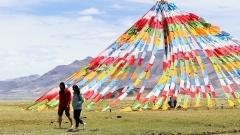
No discussion of a Lake Basum Tso boat ride and lakeside hike Nyingchi is complete without detailing the arrival at Tashi Island. Accessible only by boat, this small island is densely packed with religious artifacts, ancient trees, and historical structures. Upon disembarking, visitors are greeted by fluttering prayer flags strung between tall pine trees, their vibrant colors standing out sharply against the natural greens and blues of the surroundings. The constant movement of the flags in the mountain breeze is believed by locals to carry prayers and mantras into the wind, spreading goodwill across the region.
The island is home to the Cuozong Gongba Monastery, a small but historically significant temple belonging to the Nyingma sect of Tibetan Buddhism. Built centuries ago, the monastery houses statues of Padmasambhava (Guru Rinpoche) and other revered figures. The architecture is traditional, featuring whitewashed walls, intricately painted wooden eaves, and the distinct scent of juniper incense burning inside. Visitors are welcome to walk around the monastery clockwise, following the traditional kora route, but are expected to maintain a respectful demeanor, speak softly, and ask for permission before photographing monks or interior religious artifacts.
Beyond the monastery, Tashi Island holds several natural curiosities that are deeply intertwined with local folklore. One of the most famous is the hollow tree, an ancient trunk that has naturally formed a cavity large enough for a person to step inside. According to local legend, passing through this tree can cleanse one of sins and bring good fortune. Another notable feature is the presence of medicinal plants and herbs that grow wild across the island, utilized by local practitioners for generations. Spending an hour exploring Tashi Island adds a rich layer of cultural and spiritual depth to your Lake Basum Tso boat ride and lakeside hike Nyingchi, transforming a simple sightseeing trip into a meaningful cultural encounter.
The Trails and Scenery of the Lake Basum Tso Boat Ride and Lakeside Hike Nyingchi
After returning from the island, the second half of the Lake Basum Tso boat ride and lakeside hike Nyingchi focuses on terrestrial exploration. The lakeside hiking trails offer a different, more intimate perspective of the ecosystem. Unlike the rugged, multi-day treks found in other parts of Tibet, the paths around Basum Tso are generally well-defined and suitable for travelers with moderate fitness levels. The primary hiking routes follow the shoreline, winding through old-growth forests dominated by spruce, fir, and various species of rhododendron.
During the spring months, particularly in May, the rhododendrons bloom explosively, carpeting the forest floor and the trail edges in shades of pink, red, and white. Walking through these floral tunnels is one of the highlights of the Nyingchi region. As you hike, the canopy provides dappled shade, and the sound of the water gently hitting the pebble beaches accompanies your steps. The trails occasionally open up to clearings where you can sit on smooth glacial rocks and look back across the expanse of the lake, watching other boats glide silently over the water.
For those interested in ecology, the lakeside hike is a masterclass in biodiversity. The transition zone between the aquatic environment and the alpine forest supports a variety of wildlife. It is common to spot numerous bird species, including ducks, geese, and occasionally raptors circling the thermals above the valley. The forests are also home to smaller mammals, though they tend to remain hidden from hikers. The trails are marked by natural features and occasionally by mani stones—rocks carved with Buddhist mantras, most commonly “Om Mani Padme Hum.” These stones are placed deliberately by pilgrims and locals, serving as waypoints of faith along the physical path. Engaging in the Lake Basum Tso boat ride and lakeside hike Nyingchi means walking a route that has been traversed by devout pilgrims for centuries, blending physical recreation with historical reverence.
Hiking distances can be tailored to your schedule. Some visitors choose to walk just a kilometer or two from the main pier to enjoy a quiet picnic, while others may spend three to four hours exploring the deeper sections of the forest trails. Regardless of the distance, wearing sturdy walking shoes is recommended, as the terrain can be uneven, featuring exposed tree roots and loose gravel near the water’s edge.
Seasonal Variations for Your Lake Basum Tso Boat Ride and Lakeside Hike Nyingchi
The timing of your visit drastically alters the character of a Lake Basum Tso boat ride and lakeside hike Nyingchi. Each season paints the landscape in entirely different colors and presents unique atmospheric conditions. Understanding these variations helps in setting expectations and packing appropriately.
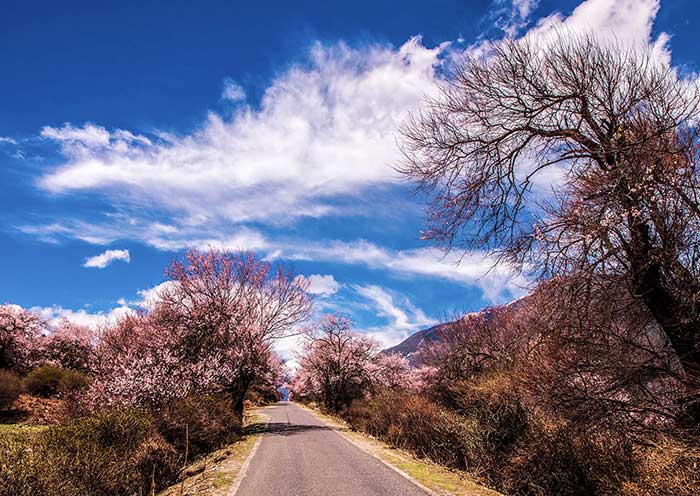
Spring, from April to May, is widely considered one of the best times to visit. This period coincides with the famous Nyingchi Peach Blossom Festival, although the peach trees are mostly found at lower elevations. At Basum Tso, spring brings the melting of winter snows, feeding the lake and turning the water a brilliant, milky turquoise. The surrounding forests awaken, and the blooming alpine flowers make the lakeside hike exceptionally colorful. The temperatures are cool but comfortable during the day, though mornings and evenings require warm layers.
Summer, spanning June to August, introduces the monsoon influence to the region. While rainfall increases, it often comes in short, heavy showers followed by clear skies. The forests are at their lushest, deep green and vibrant. The lake’s water level rises, and the mist rolling off the surface creates a mystical, ethereal atmosphere. However, summer clouds can sometimes obscure the highest snowy peaks. Despite the rain, the boat rides continue to operate, and the fresh, washed air makes the hike incredibly invigorating.
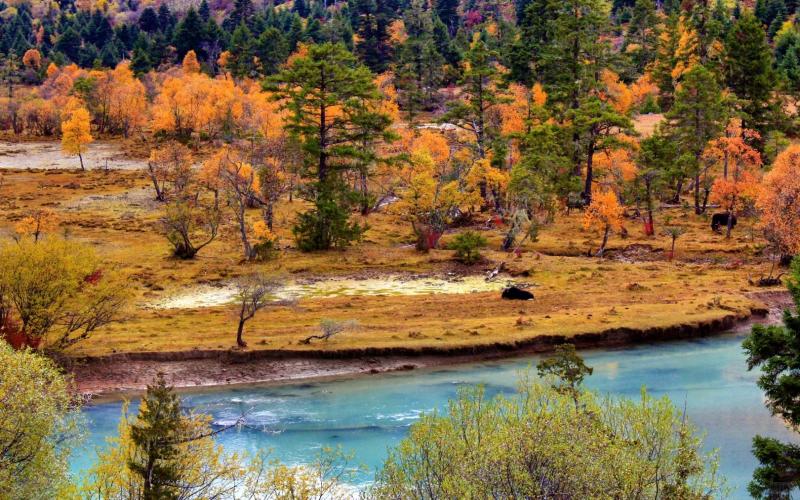
Autumn, from September to November, is arguably the most photogenic season for a Lake Basum Tso boat ride and lakeside hike Nyingchi. The deciduous trees mixed within the coniferous forests turn brilliant shades of gold, orange, and crimson. The contrast between the autumn foliage, the deep blue water, and the newly snow-dusted peaks is staggering. The weather stabilizes, offering crisp, clear days with excellent visibility. This is the peak season for photographers and hikers who prefer cooler, dry conditions.
Winter, from December to March, transforms Basum Tso into a frozen wonderland. The lake partially or completely freezes over, meaning boat rides are suspended during the coldest months. However, the lakeside hike remains possible and offers a stark, silent beauty devoid of tourist crowds. The ice formations along the shore and the heavy snow on the pines create a monochromatic landscape that is profoundly peaceful. Winter visits are best suited for those already acclimatized to extreme cold and high altitudes.
Practical Tips for a Successful Lake Basum Tso Boat Ride and Lakeside Hike Nyingchi
To ensure your Lake Basum Tso boat ride and lakeside hike Nyingchi is both enjoyable and safe, several practical considerations must be addressed before setting out. First and foremost is the entry ticket and boat fee structure. The scenic area requires an admission ticket, and the boat ride to Tashi Island usually involves an additional fee. These prices are regulated by the local tourism authority, but it is wise to have sufficient cash on hand, as mobile payment networks can occasionally be unreliable in remote mountainous areas.
Packing correctly is vital. Even in the height of summer, the temperature on the water and in the shaded forests can drop rapidly. Layering is the most effective strategy. A moisture-wicking base layer, an insulating middle layer like fleece, and a windproof, waterproof outer shell will prepare you for sudden weather changes. Sun protection is equally important; the UV radiation at 3,500 meters is intense. High-SPF sunscreen, polarized sunglasses to reduce the glare off the lake, and a wide-brimmed hat are non-negotiable items for both the boat ride and the hike.
Hydration and nutrition play a significant role in managing altitude. Bring an adequate supply of bottled water. Dehydration exacerbates the symptoms of altitude sickness, such as headaches and fatigue. While there are some small vendors near the entrance selling snacks and hot tea, carrying high-energy foods like nuts, chocolate, or energy bars ensures you have fuel during the longer stretches of the lakeside hike where facilities are absent.
Environmental responsibility is paramount. Basum Tso is a fragile alpine ecosystem and a sacred site. Visitors must adhere strictly to a “leave no trace” philosophy. All trash generated during the boat ride or the hike must be carried out. Furthermore, swimming in the lake is prohibited, both out of respect for local religious beliefs regarding the sanctity of the water and for personal safety, as the glacial water is dangerously cold year-round.
Engaging a local guide can elevate the entire experience. Guides affiliated with reputable agencies like Tibet Yulong Travel possess deep knowledge of the local flora, fauna, and history. They can point out subtle details on the hike that untrained eyes might miss, translate interactions with local monks on Tashi Island, and manage the logistical flow of the day so you can focus entirely on the beauty of the surroundings. Utilizing professional services for your Lake Basum Tso boat ride and lakeside hike Nyingchi guarantees that you navigate the cultural and physical landscape with respect and ease.
Cultural Significance and Local Life Around the Lake
A Lake Basum Tso boat ride and lakeside hike Nyingchi is not merely a physical journey through nature; it is a passage through the living culture of the Gongbo Tibetans. The people inhabiting the valleys around Nyingchi have developed a distinct subculture within the broader Tibetan identity, characterized by unique clothing, dialects, and festivals. Their relationship with Basum Tso is symbiotic and deeply reverent. The lake is viewed as a living deity, a protector of the valley, and a source of spiritual nourishment.
Along the hiking trails and near the lake’s perimeter, you may encounter locals performing rituals or simply going about their daily lives. Yak herders sometimes graze their animals in the meadows adjacent to the forests, and the sight of black yaks contrasting against the green grass is a quintessential Tibetan image. During specific religious dates, the number of pilgrims circumambulating the lake increases dramatically. While a full circumambulation of Basum Tso takes several days and ventures into much rougher terrain than the standard tourist hike, observing the devotion of the pilgrims adds a profound emotional resonance to the visit.
Respecting these cultural norms is essential. When passing mani stone piles or chortens (Buddhist shrines) along the hiking trail, always pass them on the left, keeping the sacred object to your right, which is the traditional direction of circumambulation. Avoid touching religious artifacts without permission, and always ask before taking portraits of local residents. By approaching the Lake Basum Tso boat ride and lakeside hike Nyingchi with cultural sensitivity, travelers foster positive interactions and help preserve the heritage of this extraordinary region.
Photography and Capturing the Beauty of the Lake
For photography enthusiasts, a Lake Basum Tso boat ride and lakeside hike Nyingchi presents endless opportunities. The interplay of light, water, and mountains changes minute by minute. During the boat ride, using a polarizing filter on your camera lens is highly recommended. It cuts through the surface glare of the water, revealing the submerged rocks and the incredible depth of the lake’s color. Wide-angle lenses are ideal for capturing the sweeping vistas of the mountain ranges from the deck of the boat, while telephoto lenses allow you to isolate details, such as eagles soaring near the peaks or the intricate carvings on the mani stones on Tashi Island.
On the lakeside hike, the lighting conditions shift as you move in and out of the dense forest canopy. The dappled light filtering through the leaves creates dramatic contrasts, perfect for moody, artistic shots of the trail. Early morning and late afternoon provide the softest, most directional light, casting long shadows and highlighting the textures of the ancient tree bark and the ripples on the shoreline. Remember to put the camera down occasionally, however. The true essence of a Lake Basum Tso boat ride and lakeside hike Nyingchi is best absorbed through direct experience, listening to the wind, smelling the pine needles, and feeling the profound stillness of the Tibetan plateau.
Partnering with specialized travel organizers like Tibet Yulong Travel ensures that your itinerary allows sufficient time at the most photogenic spots without feeling rushed. Their drivers and guides know exactly when the light hits the water perfectly and which bends in the hiking trail offer the most unobstructed views of the surrounding peaks. Ultimately, whether captured on film or etched into memory, the majesty of Basum Tso remains one of the defining highlights of any journey through eastern Tibet.