The Yarlung Valley holds a unique position in the history of the Himalayas. It is widely recognized as the birthplace of Tibetan culture, religion, and political power. For travelers seeking more than just high-altitude scenery, a Yarlung Valley cradle of Tibetan civilization tour offers an immersive journey into the origins of an entire civilization. Nestled along the banks of the Yarlung Tsangpo River, this fertile valley was where the first Tibetan kings established their rule and where Buddhism first took root in the region. Unlike the bustling streets of Lhasa, the Yarlung Valley provides a quieter, more contemplative atmosphere. Here, ancient ruins sit beside working farms, and centuries-old monasteries continue their daily rituals undisturbed by mass tourism. This comprehensive guide will walk you through everything you need to know to plan and experience this remarkable historical region.
✨ Highlights:
- Visit Yumbulagang, the oldest building in Tibet.
- Explore the sacred Samye Monastery complex.
- Discover the ancient Tibetan Kings’ Tombs at Chongye.
- Experience traditional rural life along the Yarlung River.
- Understand the deep roots of Tibetan Buddhism and pre-Buddhist traditions.
Why Choose a Yarlung Valley Cradle of Tibetan Civilization Tour
When planning a trip to the Tibetan plateau, most itineraries focus heavily on Lhasa, Shigatse, or Mount Everest. While these destinations are spectacular, they only tell part of the story. To truly understand how Tibetan society evolved, one must look south to the Yarlung Valley. A Yarlung Valley cradle of Tibetan civilization tour strips away the layers of modern development and transports visitors back to the era of the early Tibetan empire.
The valley’s geographical advantages made it the perfect incubator for early human settlement. Protected by towering mountains and nourished by the river, the land here is surprisingly fertile compared to the harsh northern steppes. This agricultural wealth allowed early communities to thrive, eventually leading to the rise of the Yarlung Dynasty in the early centuries of the common era. The dynasty unified various warring tribes and laid the administrative and cultural foundations that would later support the vast Tibetan Empire.
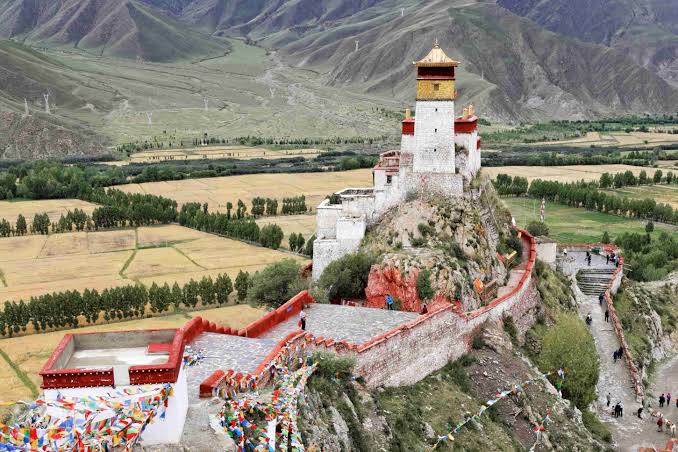
Yarlung Valley: Samye and Tsetang. First monastery and Fort.
Choosing this route means engaging with living history. You are not merely looking at museum artifacts; you are walking through landscapes that have been continuously inhabited and revered for over two millennia. The local farmers still cultivate barley using methods passed down through generations, and the monks in the valley’s monasteries chant texts that were translated here during the earliest days of Tibetan Buddhism. This continuity makes the Yarlung Valley an unparalleled destination for culturally focused travelers.
Tsetang: The Gateway to Ancient History
Any exploration of the region begins in Tsetang, the administrative center of the Shannan prefecture and the primary base for your Yarlung Valley cradle of Tibetan civilization tour. Situated at an elevation of roughly 3,500 meters, Tsetang serves as a crucial acclimatization point for those arriving from lower altitudes. The town itself is a blend of modern Chinese infrastructure and traditional Tibetan architecture, offering comfortable guesthouses, reliable restaurants, and essential supplies before venturing deeper into the valley.
Tsetang’s name translates roughly to “playground,” stemming from a local legend about monkeys playing in the nearby forests. This legend is deeply tied to the Tibetan creation myth, which states that the Tibetan people descended from a union between a compassionate monkey (an incarnation of Avalokiteshvara) and a rock ogress. According to tradition, this mythical event occurred in the mountains directly above Tsetang, cementing the area’s status as the spiritual birthplace of the Tibetan race.
While in Tsetang, take time to visit the local market. Unlike the highly commercialized tourist markets in larger cities, the Tsetang market remains primarily a place for locals to trade goods. You will find yak butter, dried cheese, traditional wooden bowls, and vibrant textiles. Engaging with vendors here provides an authentic glimpse into daily life in the Yarlung Valley. From Tsetang, all major historical sites in the valley are accessible within a few hours’ drive, making it the perfect logistical hub for your itinerary.
Yumbulagang: The First Building in Tibet
A short drive south of Tsetang brings you to one of the most iconic structures on the plateau: Yumbulagang. Perched dramatically on the ridge of a steep hill overlooking the patchwork fields of the valley floor, this slender, tower-like fortress is widely considered the oldest building in Tibet. No Yarlung Valley cradle of Tibetan civilization tour is complete without standing in its shadow and contemplating its immense historical weight.
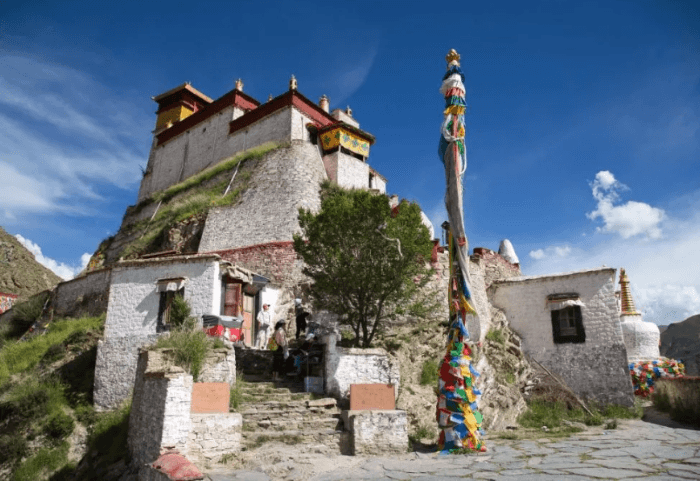
According to traditional accounts, Yumbulagang was constructed for Nyatri Tsenpo, the first king of the Yarlung Dynasty. Legend dictates that he descended from the heavens via a sky-rope to rule over the people of the valley. Initially serving as a royal palace, the structure underwent numerous transformations over the centuries. When the Tibetan capital eventually moved to Lhasa during the reign of Songtsen Gampo in the seventh century, Yumbulagang transitioned from a secular palace into a religious sanctuary.
Today, it functions as a monastery of the Gelug school of Tibetan Buddhism, though its architecture retains the defensive, fortified aesthetic of its royal origins. The climb to the top requires some physical effort due to the altitude and the steep stairs, but the reward is exceptional. From the upper balconies, you gain a panoramic view of the surrounding agricultural lands, illustrating exactly why the early kings chose this specific location to establish their power base. Inside, small chapels house statues of early kings and Buddhist deities, blending the pre-Buddhist royal heritage with later religious practices seamlessly.
Tradruk Temple: Echoes of Early Buddhism
Just a few kilometers from Yumbulagang lies Tradruk Temple, another cornerstone of the Yarlung Valley’s historical landscape. Founded in the seventh century by King Songtsen Gampo, Tradruk is one of the earliest Buddhist temples in Tibet. Its establishment was part of a deliberate strategy to suppress indigenous geomantic forces—often described in legends as pinning down a giant demoness whose body sprawled across the Tibetan plateau—with a network of temples. Tradruk was built to subdue a specific vital point of this mythical figure.
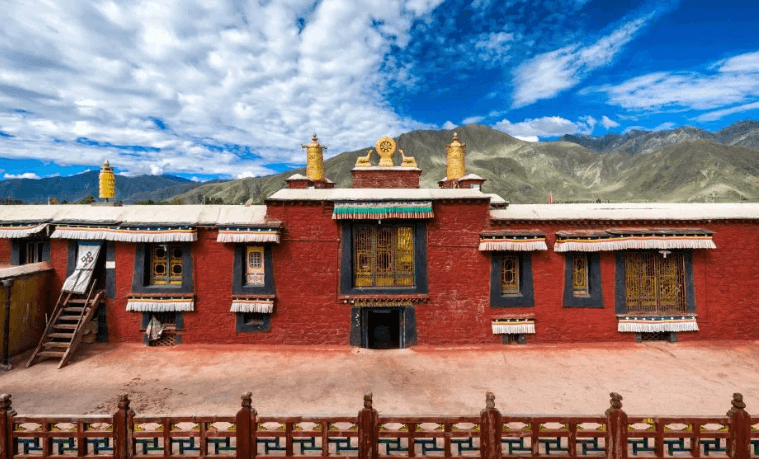
The temple’s most prized possession is a thangka (religious scroll painting) depicting Avalokiteshvara, said to be crafted from thousands of pearls. Although the original artifact has faced damage and restoration over the turbulent centuries, it remains a profound object of veneration. The architecture of Tradruk reflects its antiquity. Unlike the grand, sprawling monastic universities built in later centuries, Tradruk maintains a more intimate, fortress-like layout typical of early Tibetan religious structures.
Walking through its dimly lit corridors, illuminated by flickering butter lamps, visitors can sense the deep devotion that has permeated these walls for over a thousand years. The murals, though weathered, depict scenes from early Buddhist history and the lives of the Yarlung kings. For scholars and enthusiasts alike, Tradruk offers tangible evidence of how Buddhism was initially introduced and integrated into the existing cultural framework of the Yarlung Valley.
Samye Monastery: Where Buddhism Took Root
Crossing the Yarlung Tsangpo River leads to what is arguably the most important religious site in Tibetan history: Samye Monastery. Built in the eighth century under the patronage of King Trisong Detsen, Samye was the first fully ordained Buddhist monastery in Tibet. It was here that Indian masters like Padmasambhava and Shantarakshita helped formalize the translation of Buddhist texts into the Tibetan language, effectively birthing Tibetan Buddhism as a distinct tradition. A Yarlung Valley cradle of Tibetan civilization tour reaches its spiritual peak at this extraordinary complex.
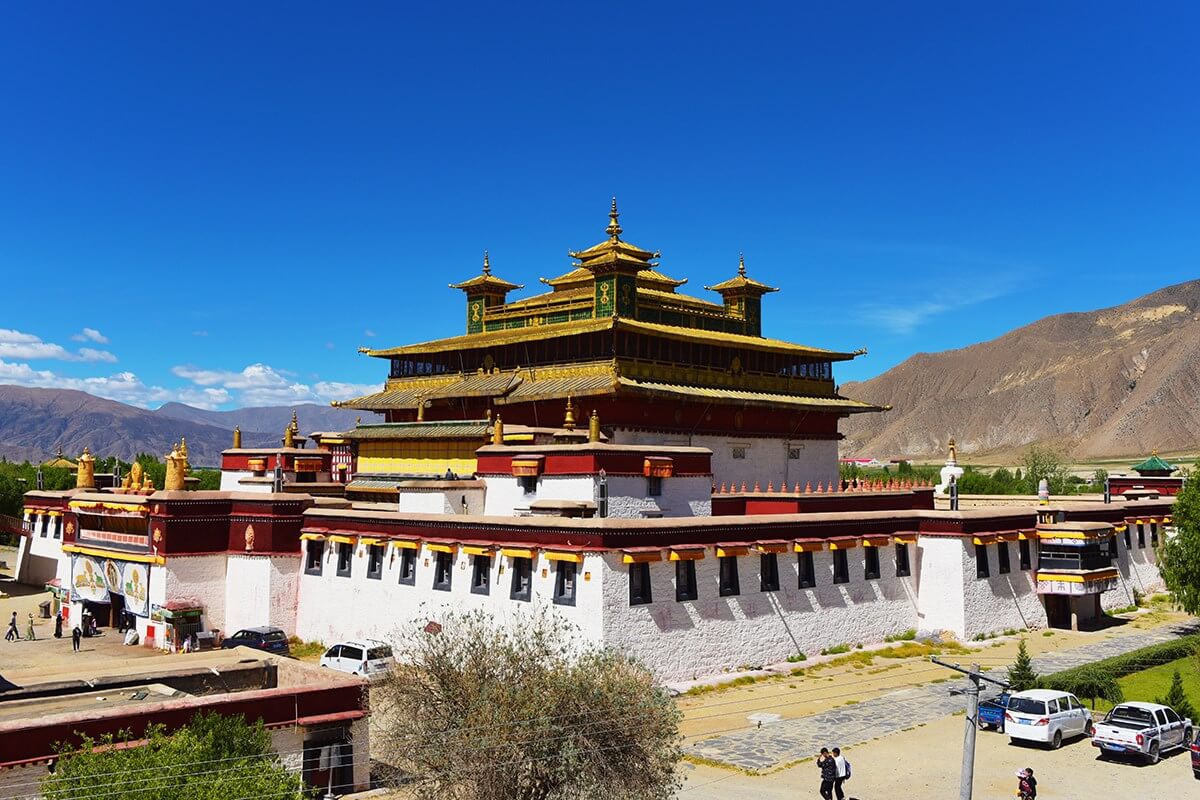
The architectural design of Samye is a three-dimensional mandala representing the Buddhist cosmos. The central temple symbolizes Mount Meru, the axis of the universe, while surrounding structures represent continents, oceans, and celestial bodies. This layout is not merely decorative; it serves as a physical tool for meditation and spiritual instruction. Walking through the complex feels like traversing a sacred map of the universe.
Samye is also historically significant because it hosted the famous Samye Debate, often misnamed the “Council of Lhasa”. This landmark debate between Indian gradualist and Chinese Chan Buddhist scholars took place here between 792–794 CE, to define Tibet’s Buddhist path. Tibetan tradition records the Indian gradual path prevailed, shaping Tibetan Buddhism ever since. Some modern scholars debate certain details of the event, yet its symbolic importance remains enormous.
The Tibetan Kings’ Tombs at Chongye
Traveling further south into the Yarlung Valley, the landscape narrows, and the mountains draw closer. Here lies the town of Chongye, home to the burial mounds of the early Tibetan emperors. These massive earthen pyramids are the final resting places of the Yarlung Dynasty kings, including the legendary Songtsen Gampo, who is credited with unifying Tibet and introducing Buddhism to the court.
The tombs are scattered across the hillsides, some heavily eroded by time and weather, others maintaining their imposing geometric shapes. Unlike Egyptian pyramids built of stone, these were constructed from rammed earth, a testament to the engineering capabilities of the early Tibetans. Visiting these tombs during a Yarlung Valley cradle of Tibetan civilization tour provides a somber, reflective counterpoint to the vibrant religious life seen in the monasteries.
Chongye was the original seat of power before the capital shifted north. Standing among these silent mounds, it is easy to imagine the military campaigns and diplomatic marriages orchestrated from this very valley. Some of the tombs feature small temples built atop them, where caretakers maintain shrines dedicated to the deceased kings, treating them almost as protective deities. This practice highlights the seamless transition from ancient royal ancestor worship to later Buddhist reverence that characterizes so much of Tibetan culture.
Exploring the Sacred Caves and Hermitages
Beyond the grand monuments, the Yarlung Valley is honeycombed with sacred caves and remote hermitages. These sites are deeply connected to the mythological origins of the Tibetan people and the early meditation retreats of Buddhist masters. The most famous of these is the cave associated with the monkey ancestor myth, located on the slopes of Mount Gongpori near Tsetang.
Reaching these caves usually requires hiking up steep, unpaved trails. The physical exertion is rewarded with profound silence and isolation. Many of these caves contain natural rock formations that locals interpret as footprints of saints, self-arisen mantras, or impressions of deities. Small shrines are often maintained inside by passing pilgrims who leave offerings of stones, prayer flags, or butter.
For the serious traveler, incorporating a hike to one of these hermitages adds a layer of physical engagement to the cultural experience. It demonstrates how the rugged geography of the Yarlung Valley shaped the ascetic nature of Tibetan spiritual practice. The mountains were not just barriers; they were sanctuaries. Understanding this relationship between the landscape and the spiritual mindset of the inhabitants is crucial for anyone undertaking a Yarlung Valley cradle of Tibetan civilization tour.
Agricultural Heritage and Local Life
While kings and monks dominate the historical narrative, the true engine of the Yarlung Valley has always been its agriculture. The valley floor is a patchwork of green and gold depending on the season, dominated by highland barley, wheat, and rapeseed. This agricultural abundance is what allowed the Yarlung Dynasty to feed armies, support artisans, and sustain large monastic populations.
Observing the farming techniques in the Yarlung Valley offers a window into a way of life that has changed remarkably little over the centuries. During planting and harvest seasons, villagers work together, often singing traditional work songs that echo across the fields. Water management is critical, and ancient irrigation channels still direct snowmelt from the mountains to the terraced fields.
Interacting with local families, if arranged respectfully through a guide, reveals the warmth and hospitality characteristic of rural Tibet. Visitors might be invited to share a bowl of salted butter tea or taste freshly roasted tsampa (barley flour). These simple exchanges ground the lofty historical concepts in everyday reality. The Yarlung Valley is not a dead museum; it is a living, breathing community where the past informs the present daily rhythms.
Practical Logistics for Your Journey
Organizing a Yarlung Valley cradle of Tibetan civilization tour requires careful planning due to the region’s strict travel regulations and challenging geography. Foreign travelers cannot visit Tibet independently; they must be part of an organized group or accompanied by a licensed guide, and they require a Tibet Travel Permit (TTP) plus an Alien Travel Permit (ATP, PSB permit) for visiting Shannan, in addition to a valid Chinese visa. These permits are arranged by registered travel agencies well in advance of your arrival. These permits are arranged by registered travel agencies well in advance of your arrival.
Transportation within the valley relies primarily on hired vehicles. Roads have improved significantly in recent decades, but some routes to remote hermitages or secondary sites remain rough. Distances may seem short on a map, but high mountain passes and winding river valleys mean travel times are longer than expected. Drivers familiar with the local terrain are essential for both safety and efficiency.
Accommodation options range from basic guesthouses in smaller towns like Chongye to more comfortable hotels in Tsetang. Hot water and heating can sometimes be inconsistent outside major centers, so packing layers and managing expectations is advised. Food is generally a mix of traditional Tibetan fare—heavy on meat, dairy, and barley—and Sichuan-influenced Chinese dishes found in most town restaurants. Carrying snacks for long driving days is highly recommended.
Health, Altitude, and Safety Considerations
The Yarlung Valley sits at elevations ranging from 3,500 to over 4,000 meters. Altitude sickness is a genuine concern for any visitor. Proper acclimatization is non-negotiable. Spending at least two to three days in Lhasa or Tsetang resting, hydrating, and avoiding strenuous activity allows the body to adjust to the thinner air before pushing further into the valley or attempting hikes to sites like Yumbulagang.
Symptoms of Acute Mountain Sickness (AMS) include headaches, nausea, dizziness, and shortness of breath. If symptoms worsen, descending to a lower altitude immediately is the only reliable cure. Guides are trained to monitor clients for these signs, and carrying supplemental oxygen in the vehicle is standard practice for reputable agencies.
Sun protection is another critical factor. At high altitudes, the atmosphere filters less ultraviolet radiation. Sunburn can occur rapidly, even on cloudy days. High-SPF sunscreen, wide-brimmed hats, and UV-blocking sunglasses are mandatory gear. Furthermore, the climate is characterized by extreme temperature swings between day and night. Layered clothing allows you to adapt comfortably from freezing mornings to surprisingly warm afternoons in the sun.
Best Times to Visit the Yarlung Valley
Timing your Yarlung Valley cradle of Tibetan civilization tour correctly enhances the experience significantly. The region experiences distinct seasons, each offering different advantages. Spring brings melting snows and the greening of the fields, though winds can be strong and dusty. Summer is the warmest period, with lush landscapes and active farming, but it also coincides with the monsoon influence, bringing occasional afternoon rain showers that can obscure mountain views.
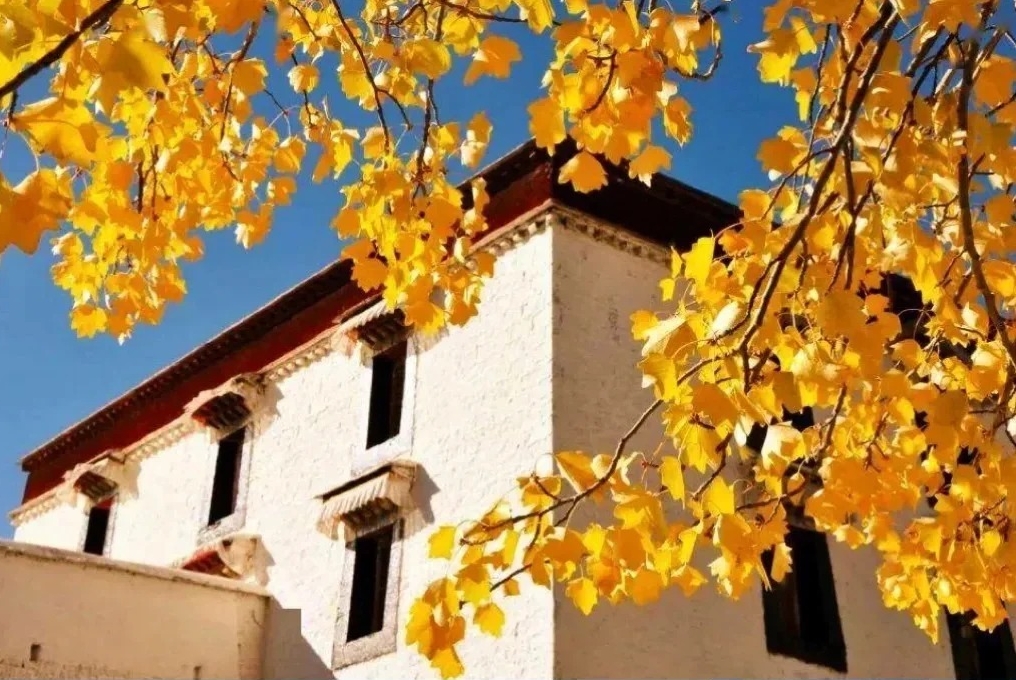
Autumn is widely considered the optimal season for travel in the Yarlung Valley. The skies clear to a brilliant, deep blue, visibility is at its peak, and the temperatures are crisp but manageable. The harvest season adds vibrant colors to the valley floor, and festivals often take place during this time. Winter, while cold, offers a stark, dramatic beauty and far fewer tourists. However, heavy snowfall can occasionally block high passes, limiting access to certain areas.
Regardless of when you choose to go, checking local festival calendars can add unexpected value to your trip. Events like Losar (Tibetan New Year) or local harvest celebrations transform the quiet valley into a theater of color, music, and communal joy, providing context to the historical sites you visit during the day.
Integrating Tibet Yulong Travel Into Your Itinerary
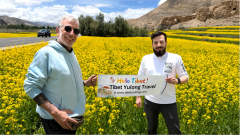
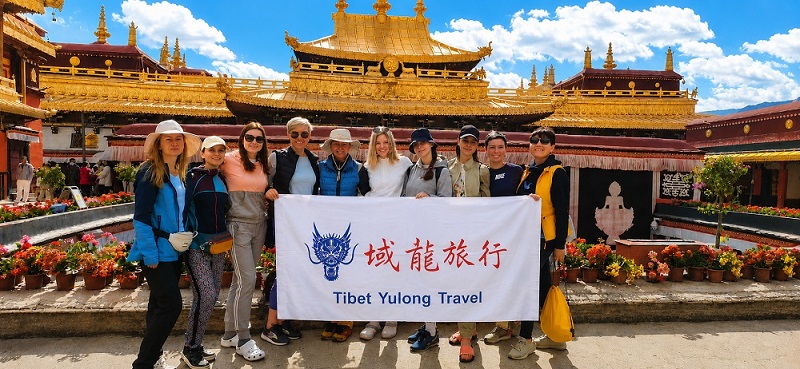
Navigating the complexities of permits, logistics, and cultural interpretation in such a sensitive and historically rich area requires expert assistance. This is where specialized operators become invaluable. When organizing a Yarlung Valley cradle of Tibetan civilization tour, partnering with experienced local providers ensures that your journey is both seamless and deeply respectful of local customs. Agencies with deep roots in the region, such as Tibet Yulong Travel, offer tailored itineraries that go beyond superficial sightseeing.
Tibet Yulong Travel specializes in connecting visitors with the authentic heritage of the Shannan region. Their guides are often locals who possess generational knowledge of the valley’s myths, hidden trails, and monastic protocols. Rather than rushing through a checklist of monuments, a well-crafted itinerary facilitated by knowledgeable teams allows for spontaneous stops at village festivals, extended conversations with monastery caretakers, and the flexibility to adjust plans based on weather or personal interest. Whether you integrate their services for specific segments of your trip or rely on them to build your entire Yarlung Valley cradle of Tibetan civilization tour from the ground up, leveraging local expertise transforms a standard vacation into a profound educational expedition.
Preserving the Legacy of the Yarlung Valley
As global interest in Tibet grows, the Yarlung Valley faces the dual challenge of welcoming visitors while protecting its fragile heritage. The earthen architecture of the kings’ tombs, the ancient murals of Tradruk, and the delicate ecosystem of the river basin are all susceptible to the pressures of increased foot traffic. Responsible tourism is not just a buzzword here; it is a necessity for survival.
Visitors must adhere strictly to guidelines regarding photography, especially inside monasteries where flash can degrade pigments. Staying on marked paths prevents erosion around archaeological sites. Purchasing crafts directly from local artisans rather than imported souvenir shops ensures that the economic benefits of tourism remain within the community that safeguards these treasures.
By approaching the Yarlung Valley with curiosity, respect, and a willingness to learn, travelers contribute to the preservation of its legacy. The stories of the first kings, the debates of early scholars, and the prayers of generations of monks are woven into the very soil of this landscape. A thoughtful journey through this region does more than educate the traveler; it honors the enduring spirit of the people who built a civilization against the odds of one of the planet’s most formidable environments.