Deciding how long to stay is one of the first questions travelers ask when planning a trip to Tibet. The answer depends entirely on what you want to see, how your body handles high altitudes, and whether you prefer a relaxed pace or a packed itinerary. Because of the extreme elevation and the vast distances between major attractions, rushing through this region is rarely a good idea. Most visitors find that spending anywhere from five to fifteen days allows them to experience the culture, landscapes, and spiritual atmosphere without feeling constantly exhausted.
Understanding the unique challenges of Tibet travel is crucial before booking flights or trains. The average elevation exceeds 4,000 meters, meaning altitude sickness is a real factor that dictates your schedule. You cannot simply land in Lhasa and immediately drive to Mount Everest Base Camp. Your body requires time to acclimatize, which naturally extends the minimum duration of any sensible itinerary. Furthermore, travel permits, guided tour requirements, and long driving hours between towns mean that logistics eat up more time here than in lower-altitude destinations.
Key Points
1. Factors Influencing Duration: The ideal length of stay depends on your travel goals, physical adaptation to high altitudes, travel permits, and vast distances between destinations.
2. Minimum Stay (4 to 5 Days): Restricted primarily to Lhasa and its immediate surroundings (such as Potala Palace and Barkhor Street), requiring the first day for mandatory acclimatization.
3. Classic Route (7 to 8 Days): The sweet spot for most travelers, allowing for a comfortable pace in Lhasa while expanding outward to Yamdrok Lake, Gyantse, and Shigatse.
4. Everest Base Camp Expedition (10 to 12 Days): Necessary for travelers wanting to reach Mount Everest Base Camp, accommodating essential multi-day overland drives, rising elevations, and weather buffer times.
5. Epic Overland Journeys (14 Days or More): Geared towards deep exploration, such as crossing from Lhasa to Kathmandu or journeying to remote western Tibet for the Mount Kailash kora.
6. Key Practical Constraints: High-altitude acclimatization is non-negotiable; permit processing times, guided tour requirements, and long transit distances across winding mountain roads heavily dictate the travel timeline.
The Minimum Stay: 4 to 5 Days in Lhasa
If your time is strictly limited, four to five days is the absolute minimum you should allocate for visiting Tibet. This duration restricts you almost entirely to Lhasa and its immediate surroundings, but it provides a solid introduction to the region’s heritage. Flying directly into Lhasa Gonggar Airport (elevation 3,600 meters) means you must take the first day completely off. Resting at your hotel, drinking plenty of water, and avoiding strenuous activity are mandatory steps to prevent acute mountain sickness.
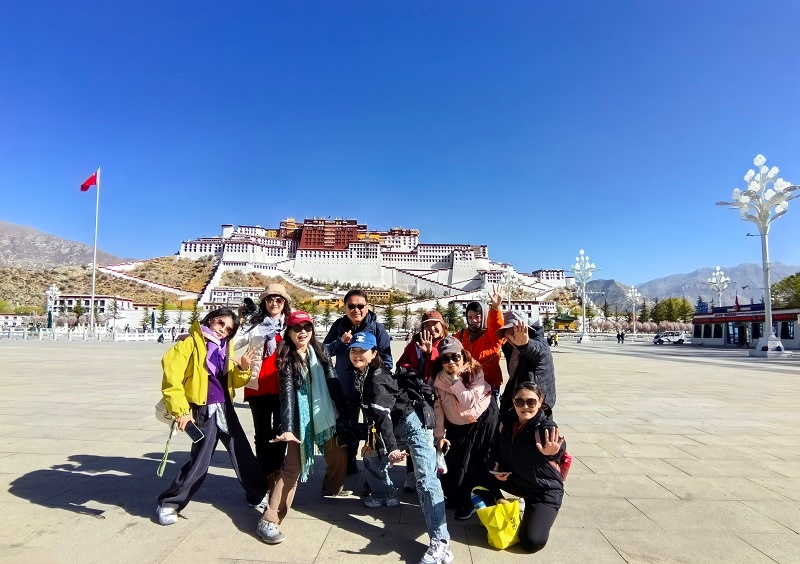
On your second day, you can begin exploring Lhasa at a gentle pace. The Potala Palace is the obvious starting point, though climbing its many stairs will test your newly adjusting lungs. Booking tickets in advance is essential, as daily visitor numbers are strictly capped. In the afternoon, wandering through the Barkhor Street circuit around the Jokhang Temple offers a deep dive into local devotion. Watching pilgrims perform prostrations and spinning prayer wheels gives you an immediate sense of the living culture that defines Tibet.
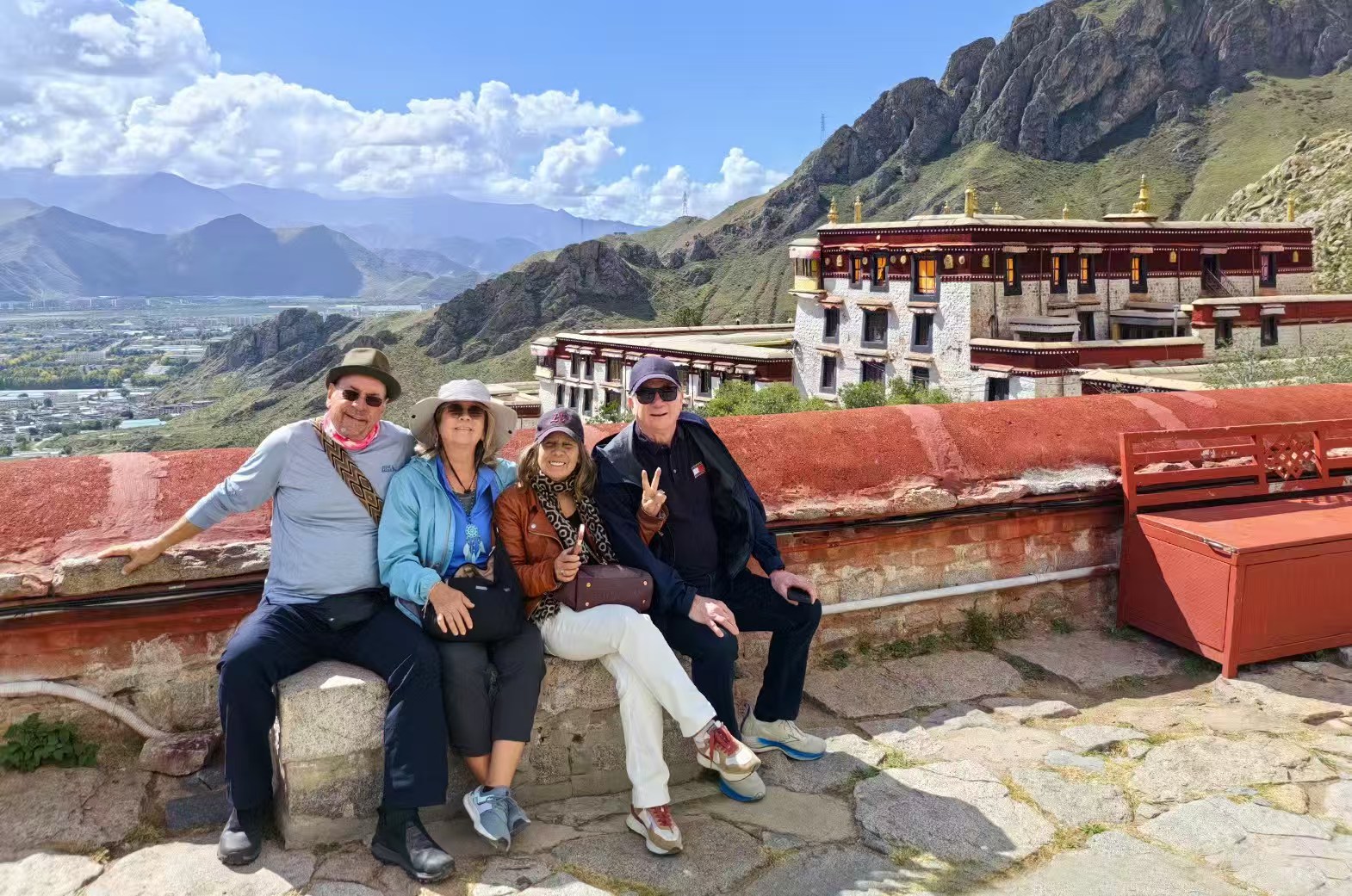
Days three and four can be spent visiting the great monasteries just outside the city center. Drepung Monastery, once the largest in the world, sits on a hillside and requires some walking, while Sera Monastery is famous for its energetic monk debates held in the courtyard every afternoon. A five-day itinerary usually wraps up with a final morning for shopping or revisiting a favorite spot before heading to the airport or train station. While brief, this short trip covers the historical heart of the region.
The Classic Route: 7 to 8 Days
For most travelers, seven to eight days represents the sweet spot for Tibet travel. This timeframe allows you to properly explore Lhasa without rushing and venture out to some of the most spectacular natural sites nearby. After spending your first two to three days acclimatizing and touring the capital, you can dedicate the remaining days to the stunning Yamdrok Lake and the historic town of Gyantse.
The drive from Lhasa to Yamdrok Lake takes about two hours, crossing the Kamba La Pass at nearly 4,800 meters. The lake’s turquoise waters contrasting against the barren brown mountains create one of the most photographed landscapes in the region. Continuing onward, you reach Gyantse, home to the impressive Pelkor Chode Monastery and its unique multi-tiered Kumbum stupa. From Gyantse, the road leads to Shigatse, the second-largest city in Tibet and the traditional seat of the Panchen Lama at Tashilhunpo Monastery.
An eight-day itinerary often loops back to Lhasa via the Friendship Highway, offering different perspectives of the Yarlung Tsangpo River valley. Alternatively, some travelers use these eight days to include a visit to Namtso Lake, another sacred body of water located north of Lhasa. However, reaching Namtso involves crossing the Nagenla Pass at over 5,100 meters, so this excursion should only be attempted after several days of successful acclimatization in Lhasa. Seven to eight days balances cultural immersion with natural beauty perfectly.
Reaching the Roof of the World: 10 to 12 Days
If standing at the base of the world’s highest peak is on your bucket list, you need to budget at least ten to twelve days for your journey. Traveling to Mount Everest Base Camp (EBC) from Lhasa is not a quick weekend side trip; it is a multi-day expedition across the Tibetan plateau. The route generally follows the path through Shigatse, continuing westward through Lhatse and Tingri before ascending toward the Himalayas.
The drive to EBC takes roughly three days from Lhasa, with overnight stops in Shigatse and Tingri or Rongbuk. These stops are not merely logistical necessities; they are vital for allowing your body to adjust to the steadily increasing elevation. Rongbuk Monastery, situated near the base camp, holds the title of the highest monastery in the world. Waking up here to watch the sunrise illuminate the summit of Mount Everest is an experience that justifies the long, bumpy drives required to reach it.
Spending ten to twelve days also means you have buffer time built into your schedule. Weather in the Himalayas is notoriously unpredictable, and heavy snow or strong winds can occasionally delay travel. Having extra days ensures that a single bad weather day doesn’t ruin your entire itinerary. Additionally, the return journey to Lhasa takes another two to three days, meaning the round trip to EBC consumes at least six to seven days of your total vacation time. This extended duration transforms your trip from a simple sightseeing tour into a genuine adventure across Tibet.
Epic Overland Journeys: 14 Days or More
Travelers with ample time and a spirit for serious exploration should consider itineraries lasting two weeks or longer. Spending fourteen to twenty days in Tibet opens up routes that very few tourists ever see. One popular option is the overland journey from Lhasa to Kathmandu, Nepal. This route crosses the border at Gyirong Port, taking you through diverse landscapes ranging from arid plateaus to lush, deep river gorges as you descend toward the Nepalese border.
Another extraordinary option for those with fifteen or more days is traveling toward Mount Kailash in the far western reaches of Tibet. Known as the center of the universe in several religions, Mount Kailash attracts pilgrims who perform a demanding three-day kora (circumambulation) around the sacred peak. Reaching Kailash from Lhasa requires traversing thousands of kilometers of remote, high-altitude terrain. The infrastructure is basic, the driving days are long, and the elevations frequently exceed 5,000 meters. It is the ultimate challenge for anyone engaging in serious Tibet travel.
Extended trips also allow for deeper cultural immersion. Instead of just passing through villages, you can spend multiple nights in smaller towns, interact with nomadic herders on the Changtang plateau, or visit lesser-known monasteries that don’t appear on standard tourist maps. When you aren’t racing against a tight flight schedule, the rhythm of life on the plateau begins to make sense, and the profound silence of the landscape becomes part of the experience.
Key Factors That Influence Your Itinerary Length
Beyond personal preference, several practical factors dictate exactly how many days you should spend in Tibet. Altitude acclimatization remains the most critical variable. Even if you are physically fit, your body needs time to produce more red blood cells to cope with the thin air. Ignoring this biological reality leads to headaches, nausea, and potentially dangerous conditions like pulmonary edema. Never plan a trip shorter than four days, as the health risks outweigh the benefits of a rushed visit.
Permit processing and travel regulations also impact your timeline. Foreign travelers cannot explore Tibet independently; you must be part of an organized tour with a licensed guide. Securing the necessary Tibet Travel Permit usually takes a couple of weeks before your arrival, and certain restricted areas require additional military or alien travel permits. If your itinerary includes places like Mount Kailash or eastern regions, your travel agency needs extra time to arrange the proper documentation, which often correlates with longer required tour durations.
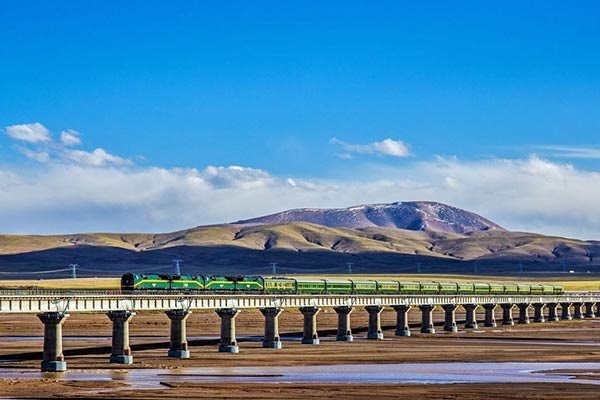
Finally, consider your mode of transportation. Taking the Qinghai-Tibet Railway into Lhasa is a spectacular experience in itself, but the train ride from Xining takes about 21 hours. If you choose the train over flying, you automatically add two days to your overall travel time. Road conditions between cities are continually improving, but distances remain vast. A drive that looks short on a map can take an entire day due to winding mountain roads, speed limits enforced by police checkpoints, and frequent stops for vehicle maintenance. Planning your days realistically prevents exhaustion and ensures you actually enjoy the remarkable environment rather than just enduring the transit.