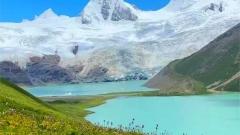
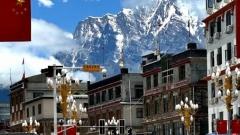
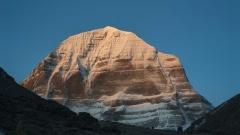
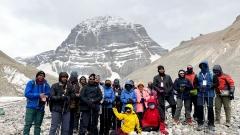
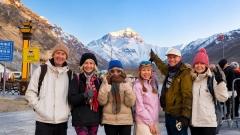
Traveling to the roof of the world remains one of the most profound experiences a person can have. As infrastructure improves and sustainable tourism practices take deeper root, planning a journey to this high-altitude region requires careful preparation. If you are looking at Tibet as your next major destination, understanding the landscape, the regulations, and the culture is absolutely vital. Whether you are a seasoned backpacker or a first-time visitor to high altitudes, having the right information will shape your entire experience.
To help you prepare, here are ten essential travel tips for anyone considering a journey to Tibet in the near future. These insights cover everything from bureaucratic requirements to daily survival strategies on the plateau.
Key Points
1. Permit System: Foreign travelers must obtain a Tibet Travel Permit through a registered agency in advance, along with extra border permits for restricted areas.
2. Altitude Sickness: Acclimatize slowly, rest in Lhasa for the first two days, avoid showering on day one, and stay hydrated.
3. Best Time to Visit: May to October offers milder weather, while April and November provide great visibility with fewer crowds.
4. Transportation: The Qinghai-Tibet Railway helps with gradual acclimatization, and reliable local drivers are essential for vast overland travel.
5. Currency & Connectivity: Carry sufficient cash (Chinese Yuan) for rural areas, and get a local SIM card with offline maps downloaded.
6. Packing: Use layered clothing for extreme temperature swings and pack high-SPF sun protection for intense UV radiation.
7. Cultural Etiquette: Dress modestly in monasteries, walk clockwise around sacred sites, and respect local photography rules.
8. Cuisine: Try local staples like yak butter tea and tsampa, but eat light initially to help digestion at high altitudes.
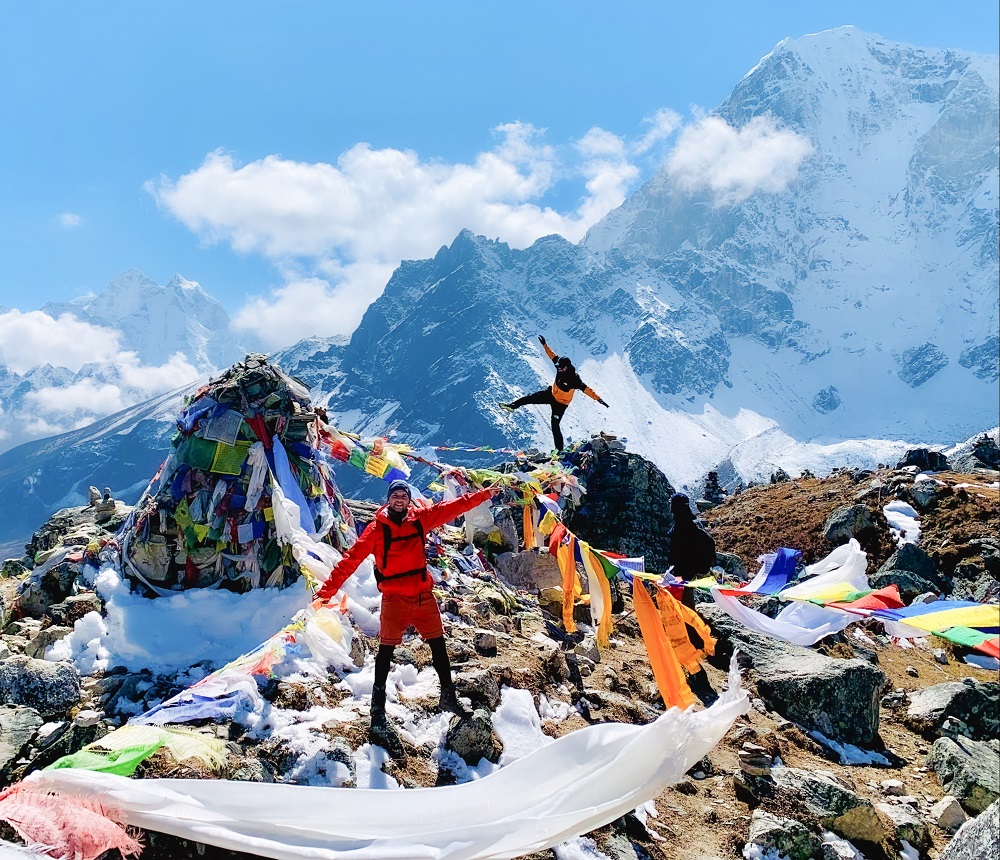
9. Accommodation: Expect basic guesthouses or tent camps with rustic facilities when traveling to remote regions like Everest Base Camp.
10. Environmental Responsibility: Practice “leave no trace,” pack out all waste, and respect the fragile plateau ecosystem.
1. Understanding the Permit System
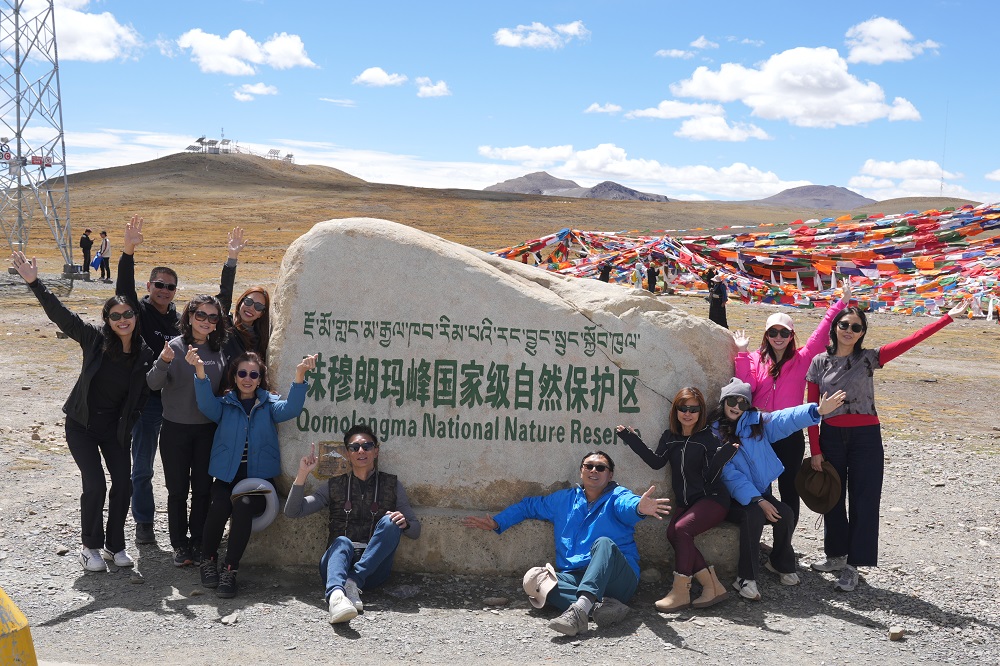
You cannot simply buy a flight ticket and arrive in Tibet. Foreign travelers must obtain a Tibet Travel Permit before boarding any flight or train heading into the region. This permit is not something you can apply for independently; it must be arranged through a registered local travel agency. The process usually takes several weeks, so booking your tour well in advance is non-negotiable. Furthermore, if your itinerary includes restricted areas like Mount Everest Base Camp or Mount Kailash, additional military and border permits are required. Your travel agency will handle these logistics, but you need to provide accurate passport details and Chinese visa information early in the planning phase. Never attempt to bypass this system, as checkpoints are frequent and strictly enforced.
2. Managing Altitude Sickness Effectively
The average elevation of the Tibetan Plateau exceeds 4,000 meters, making altitude sickness the most common challenge for visitors. Symptoms range from mild headaches and nausea to severe shortness of breath and insomnia. One of the most important travel tips for Tibet is to never rush your acclimatization. Spend your first two days in Lhasa doing very little. Avoid strenuous walking, do not shower on your first day to prevent catching a cold, and drink plenty of water. Many experienced guides recommend starting a course of acetazolamide a few days before arrival, though you should consult your doctor first. Portable oxygen cylinders are widely available in hotels and vehicles, but relying on them too heavily can delay natural acclimatization. Listen to your body above all else.
3. Choosing the Right Time to Visit
Weather dictates almost every aspect of a trip to Tibet. The most popular months are generally from May to October, when temperatures are milder, roads are clear, and the skies are relatively blue. However, peak season also means larger crowds at major monasteries and higher prices for accommodation. If you prefer a quieter experience and don’t mind colder weather, the shoulder months of April and November offer stunning visibility of the Himalayan peaks. Winter travel is possible, especially in Lhasa, which enjoys abundant sunshine year-round, but remote mountain passes may be closed due to heavy snow. Align your travel dates with your specific goals, whether that is trekking, attending festivals, or simply exploring the capital.
4. Selecting Your Mode of Transportation
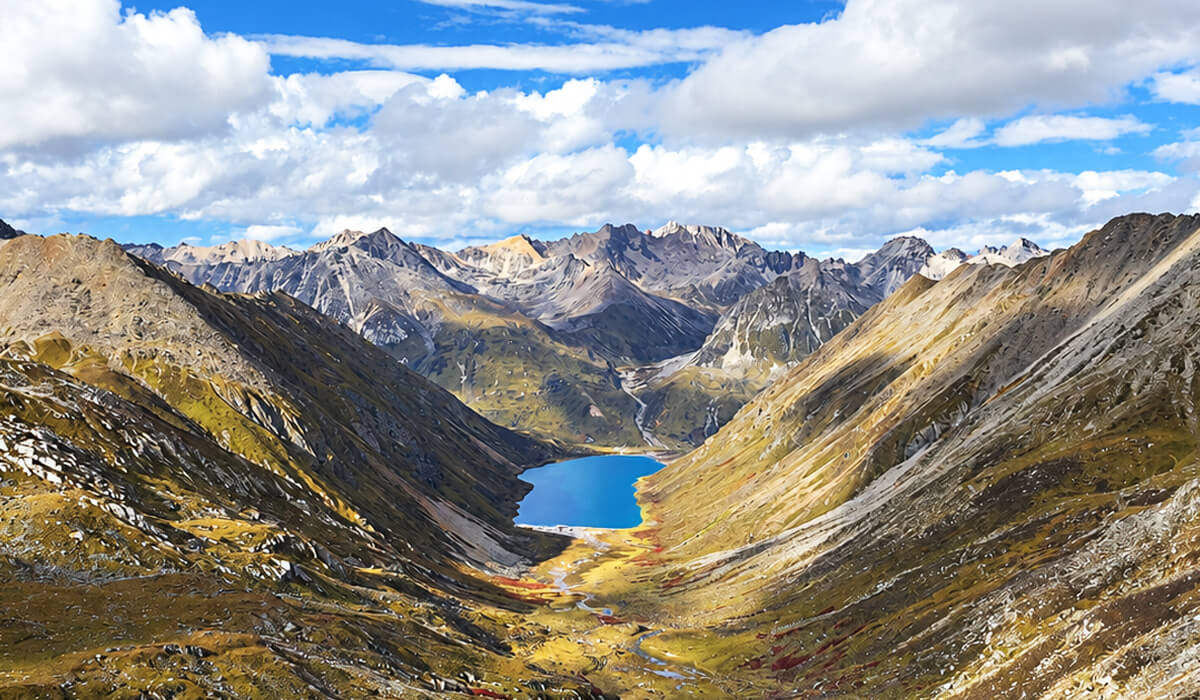
Getting into Tibet is an adventure in itself. The Qinghai-Tibet Railway offers a spectacular multi-day journey across the plateau, allowing your body to gradually adjust to the rising elevation. Trains are equipped with oxygen-supply systems, making the ride comfortable. Alternatively, flying directly into Lhasa Gonggar Airport saves time but drops you immediately into thin air, increasing the risk of altitude sickness. Once inside the region, overland travel is the primary way to explore. Roads have improved significantly, but distances between towns remain vast. Expect long driving days. Hiring a reliable vehicle with an experienced local driver is crucial, as navigating mountain roads at high altitudes requires specific skills and knowledge of current road conditions.
5. Navigating Local Currency and Connectivity
While digital payments dominate much of China, cash remains king in many parts of Tibet, especially outside Lhasa. Ensure you carry enough Chinese Yuan in smaller denominations for rural guesthouses, small eateries, and monastery entrance fees. ATMs are readily available in major cities but become scarce once you leave the main highways. Regarding connectivity, mobile internet coverage has expanded remarkably, but signal strength can still drop in deep valleys or remote passes. Purchase a local SIM card upon arrival in mainland China or Lhasa, as international roaming can be prohibitively expensive and unreliable. Download offline maps and translation apps before you depart, as access to certain global applications is restricted within the country.
6. Packing for Extreme Weather Shifts
Packing for Tibet means preparing for four seasons in a single day. Mornings can be freezing, midday sun is intensely hot due to the thin atmosphere, and evenings bring rapid temperature drops. Layering is the only practical approach. Bring thermal base layers, fleece jackets, and a high-quality windproof and waterproof outer shell. Sun protection is arguably more important than warm clothing. The UV radiation at this altitude is extreme. Pack high-SPF sunscreen, polarized sunglasses with UV protection, wide-brimmed hats, and lip balm. Sturdy, broken-in hiking boots are essential, even if you don’t plan on serious trekking, as uneven terrain and cobblestones are everywhere. Don’t forget a basic medical kit including painkillers, stomach medication, and blister plasters.
7. Respecting Cultural and Religious Etiquette
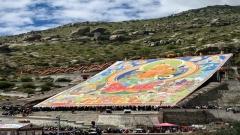
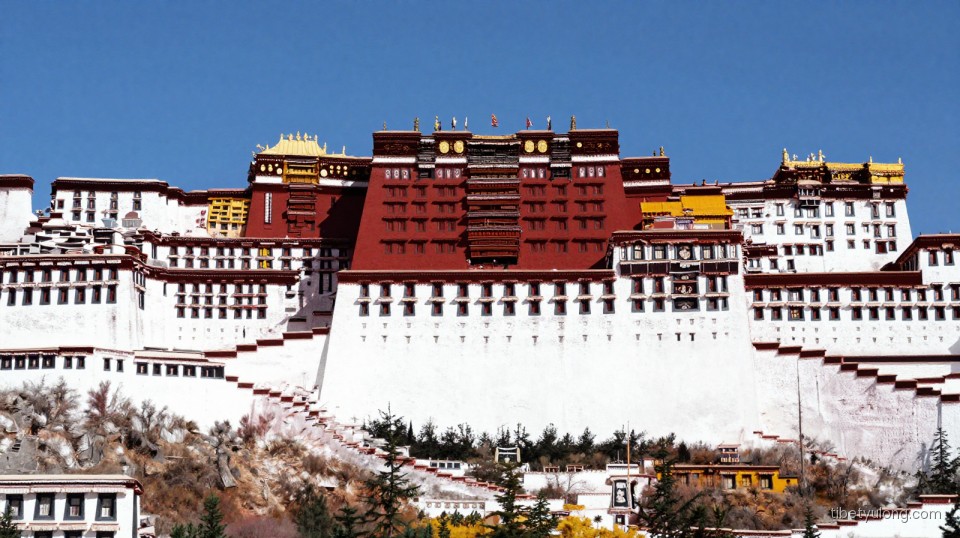
Tibet is deeply spiritual, and respecting local customs is paramount. When visiting monasteries such as Sera, Drepung, or the Potala Palace, dress modestly. Shoulders and knees should be covered, and hats must be removed indoors. Always walk clockwise around religious monuments, mani stone piles, and prayer wheels. Photography rules vary strictly from place to place. Some monasteries ban cameras entirely inside chapels, while others charge a fee per room. Always ask for permission before photographing local people, particularly monks and elderly residents. Pointing at sacred objects or statues with a single finger is considered rude; use an open hand instead. Showing genuine respect opens doors and fosters meaningful interactions with locals.
8. Exploring Authentic Tibetan Cuisine
Food in Tibet is designed to provide energy and warmth in a harsh climate. Yak butter tea is the staple beverage, offering a salty, rich flavor that helps combat the dry air and provides essential calories. Tsampa, roasted barley flour mixed with tea or butter, is the traditional daily sustenance. For meals, expect hearty dishes like yak meat stews, momos (steamed dumplings filled with meat or vegetables), and thukpa (noodle soup). While traditional food is fascinating to try, the high altitude can suppress your appetite and slow digestion. Eat lighter meals during your first few days. In Lhasa, you will find numerous restaurants catering to international palates, offering everything from Indian curries to Western breakfasts, ensuring you won’t go hungry if local flavors aren’t to your taste.
9. Preparing for Basic Accommodation Standards
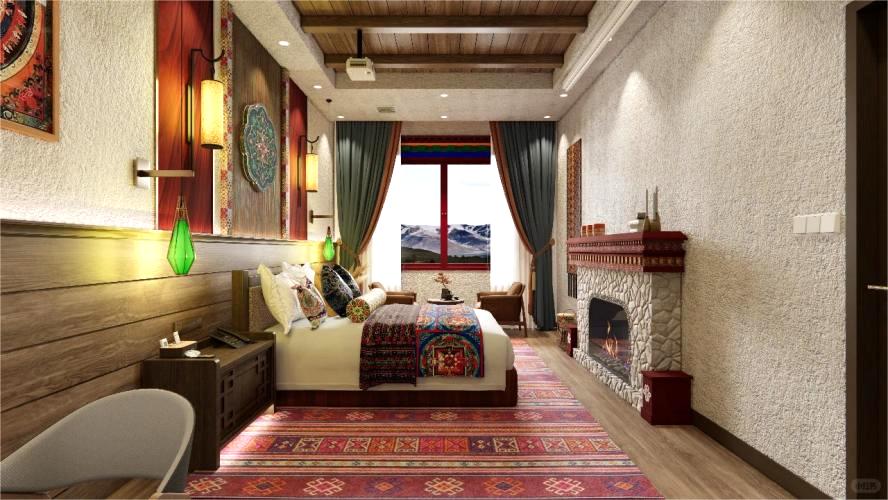
Hospitality infrastructure in Tibet has modernized rapidly, yet expectations should remain grounded. Lhasa and Shigatse offer comfortable, internationally standard hotels with heating, hot water, and reliable Wi-Fi. However, once you venture toward Everest Base Camp, Lake Namtso, or western regions like Ngari, accommodation shifts to basic guesthouses or tent camps. Hot showers may be unavailable, and heating often relies on heavy blankets rather than central systems. Toilets in remote areas are frequently squat-style and shared. Bringing your own sleeping bag liner adds a layer of comfort and hygiene. Embracing these rustic conditions is part of the adventure, but knowing what to expect prevents unnecessary frustration during your journey.
10. Prioritizing Environmental Responsibility
The ecosystem of the Tibetan Plateau is incredibly fragile. Decades of increased foot traffic have highlighted the need for responsible tourism. Make it a personal rule to leave no trace. Carry a small trash bag and pack out all your waste, including biodegradable items, as decomposition rates at high altitudes are agonizingly slow. Avoid purchasing products made from endangered wildlife or ancient artifacts. Support the local economy by buying souvenirs directly from artisans rather than mass-produced goods in tourist traps. Stick to established trails when hiking to prevent soil erosion. By treating the environment with care, you ensure that the breathtaking landscapes of Tibet remain pristine for future generations of travelers to experience and appreciate.
Embarking on a journey to this extraordinary region demands patience, preparation, and an open mind. The logistical hurdles and physical challenges are real, but they pale in comparison to the rewards of standing beneath towering Himalayan peaks or sitting quietly in an ancient monastery. By keeping these travel tips in mind, you transform potential obstacles into manageable steps, paving the way for a truly unforgettable exploration of Tibet.