Planning a journey to the Roof of the World requires more than just booking flights and packing warm clothes. Figuring out the best time to visit Tibet is arguably the most critical step in ensuring your trip is safe, comfortable, and visually stunning. Because of its extreme altitude and unique geography, Tibet experiences dramatic shifts in weather, accessibility, and cultural events throughout the year. Whether you are chasing clear views of Mount Everest, hoping to witness vibrant monastic festivals, or looking to trek through lush eastern valleys, knowing exactly when to visit Tibet will shape your entire experience.
This comprehensive guide breaks down the seasons, regional variations, and practical considerations you need to know before finalizing your itinerary. By understanding the climate patterns and travel conditions, you can align your schedule with the specific adventures you have in mind.
Article Introduction
Planning a trip to Tibet? Choosing the right time to visit is critical to ensuring a safe, comfortable, and visually stunning journey. Because of its extreme altitude of over 4,000 meters, Tibet’s weather and terrain shift dramatically throughout the year:
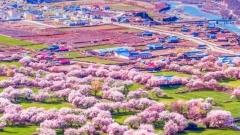
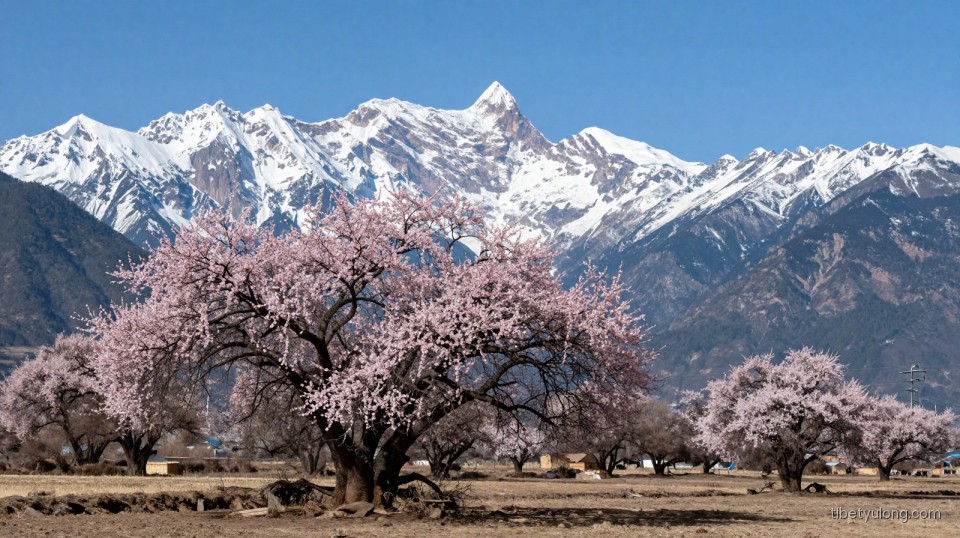
Spring (March to May): Ideal for enjoying Nyingchi’s peach blossoms and avoiding peak crowds.
Summer (June to August): Offers the warmest temperatures, vibrant Tibetan festivals, and serves as the only seasonal window to explore remote western frontiers like Mount Kailash.
Autumn (September to November): Features crystal-clear skies and exceptional visibility, making it the golden season for photographing the Himalayas and autumn foliage.
Winter (December to February): Characterized by minimal crowds, a deep spiritual pilgrimage atmosphere, and great travel value.
Whether you are seeking breathtaking photography, cultural immersion, or crowd avoidance, understanding regional variations and seasonal microclimates will help you craft the ultimate Tibetan adventure!
Understanding Tibet’s Climate and Altitude
Before diving into specific months, it helps to understand why timing matters so much here. Tibet sits at an average elevation of over 4,000 meters (13,000 feet). At this altitude, the air is thin, dry, and offers very little insulation against temperature swings. A sunny afternoon can quickly turn into a freezing night, regardless of the season.
The region generally experiences two main seasons: a dry season and a wet season. The dry season spans from November to April, characterized by cold temperatures, strong winds, and brilliantly clear skies. The wet season runs from May to October, bringing warmer weather, occasional rainfall, and slightly hazier views due to cloud cover. However, “wet” in Tibet rarely means torrential downpours; rain usually falls as brief afternoon showers, leaving mornings relatively clear for sightseeing.
Another crucial factor is the monsoon influence. While the Himalayas block much of the heavy Indian monsoon rains from reaching central Tibet, the eastern regions like Nyingchi receive significantly more precipitation. This geographical reality means that deciding when to visit Tibet often depends on which specific areas you plan to explore.
Spring (March to May): Awakening Landscapes
Spring is widely considered one of best time to visit Tibet for travelers who want to avoid peak tourist crowds while still enjoying manageable weather. In March, winter begins to loosen its grip. Daytime temperatures in Lhasa hover around 10°C to 15°C (50°F to 59°F), though nights remain near freezing.
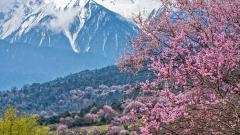
The true highlight of spring occurs in the lower-altitude eastern regions, particularly Nyingchi. From mid-March to late April, the Nyingchi Peach Blossom Festival transforms the valleys into seas of pink and white. Wild peach trees bloom fiercely against the backdrop of snow-capped peaks, creating some of the most photographed landscapes in Asia. If witnessing this floral spectacle is on your bucket list, this is definitively when to visit Tibet.
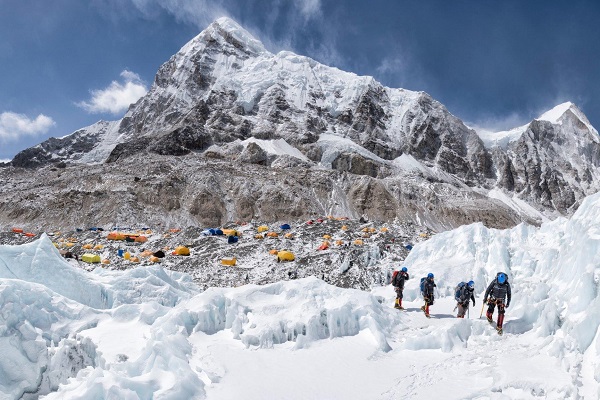
By May, the weather warms up considerably across the plateau. Trekking routes begin to open, and the grasslands start turning green. May also marks the beginning of the mountaineering season, making it an excellent window for those heading toward Everest Base Camp before the summer clouds roll in.
Summer (June to August): Warmth, Rain, and Festivals
Summer brings the warmest temperatures to the plateau, with daytime highs in Lhasa frequently reaching 20°C to 25°C (68°F to 77°F). For many travelers, this warmth makes summer the best time to visit Tibet simply from a comfort perspective. You will not need heavy expedition-grade parkas for city exploration, and the higher oxygen levels compared to winter make acclimatization slightly easier for some visitors.
However, summer is also the rainy season. July and August see the highest precipitation. While the rain rarely ruins an entire day, it does bring cloud cover. If your primary goal is photographing the unobstructed summit of Mount Everest, summer might be frustrating. The peak is frequently hidden behind thick monsoon clouds during these months.
Despite the rain, summer is culturally electric. This is when to visit Tibet if you want to experience major religious festivals. The Shoton Festival, usually held in August, is a spectacular event featuring giant thangka unveilings at Drepung Monastery, traditional Tibetan opera performances, and massive picnics in Norbulingka Park. The Gyantse Horse Racing Festival also takes place in summer, showcasing incredible equestrian skills and local nomadic culture.
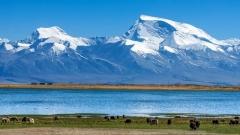
Additionally, summer is the only viable season for visiting remote western regions like Mount Kailash. The high mountain passes leading to Ngari Prefecture are snowbound for most of the year, opening only briefly from June to September. Trekkers attempting the sacred kora around Mount Kailash must plan their trips within this narrow window.
Autumn (September to November): Clear Skies and Golden Views
Ask any seasoned photographer or veteran guide about the best time to visit Tibet, and they will likely point to autumn. Once the monsoon rains retreat in September, the atmosphere clears dramatically. The skies turn a deep, piercing blue, and visibility reaches its annual peak. This is the absolute prime season for viewing the Himalayan giants, including Everest, Cho Oyu, and Shishapangma.
Temperatures in September and October are highly pleasant. Days are warm enough for comfortable hiking, while nights are crisp but not yet brutally cold. The landscape shifts from summer greens to rich golds, browns, and reds, especially along the Yarlung Tsangpo River valley and the routes leading toward the Nepalese border.
October is particularly popular. The weather is stable, the roads are dry, and the tourist crowds from the Chinese National Holiday in early October begin to thin out by the second week. If you are planning a motorcycle tour, an overland drive to Kathmandu via the Friendship Highway, or a serious photography expedition, autumn is undeniably when to visit Tibet for optimal conditions.
By November, winter starts creeping back in. Temperatures drop rapidly, especially at higher elevations, but the brilliant clear skies persist. Early November remains a fantastic time for budget-conscious travelers who want autumn clarity without the peak-season prices.
Winter (December to February): Solitude and Spiritual Depth
Winter in Tibet is harsh but deeply rewarding for a specific type of traveler. Daytime temperatures in Lhasa can actually be quite mild—often reaching 10°C (50°F)—because the intense high-altitude sun heats the thin air efficiently. However, once the sun dips behind the mountains, temperatures plummet well below freezing.
Why consider winter as the best time to visit Tibet? The answer lies in solitude and authenticity. Tourist numbers drop to their lowest. You will find yourself sharing the Potala Palace or Jokhang Temple almost exclusively with devout Tibetan pilgrims rather than large tour groups. Winter is the traditional pilgrimage season, meaning monasteries are buzzing with spiritual activity, chanting monks, and butter lamp offerings. The cultural immersion is unparalleled.
Financially, winter is also advantageous. Hotels, flights, and tour operators offer significant discounts. The Potala Palace waives its entry fee during certain winter promotional periods, and you do not have to worry about booking tickets weeks in advance.
The major drawback is accessibility. Heavy snowfall frequently closes high mountain passes. Routes to Namtso Lake, Mount Everest, and western Tibet are often impassable. Therefore, winter travel is mostly confined to Lhasa, Shigatse, Tsetang, and other lower-elevation central hubs. If your itinerary focuses on cultural exploration rather than rugged outdoor adventure, winter is a magical time to go.
Regional Differences: When to Go Where
Tibet is vast, and treating it as a single climatic zone is a mistake. Deciding when to visit Tibet requires matching your destination with its specific microclimate.
Lhasa and Central Tibet enjoy relatively moderate conditions year-round due to their position in sheltered river valleys. They are accessible in all four seasons, though winter limits side trips.
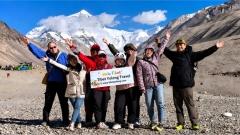
Mount Everest Base Camp is best visited in spring (April-May) or autumn (September-October). These windows offer the clearest views of the summit before or after the summer monsoon clouds obscure the peak.
Nyingchi, sitting at a lower altitude of around 3,000 meters, has a milder, wetter climate. It is beautiful in spring for the blossoms and in autumn for the colorful forests. Summer can be overly rainy here, increasing the risk of landslides on access roads.
Mount Kailash and Ngari Prefecture require strict timing. Due to extreme altitude and heavy snow, this region is only safely accessible from June to September. Attempting the kora outside this window is dangerous and generally prohibited by local authorities.
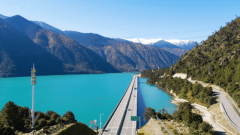
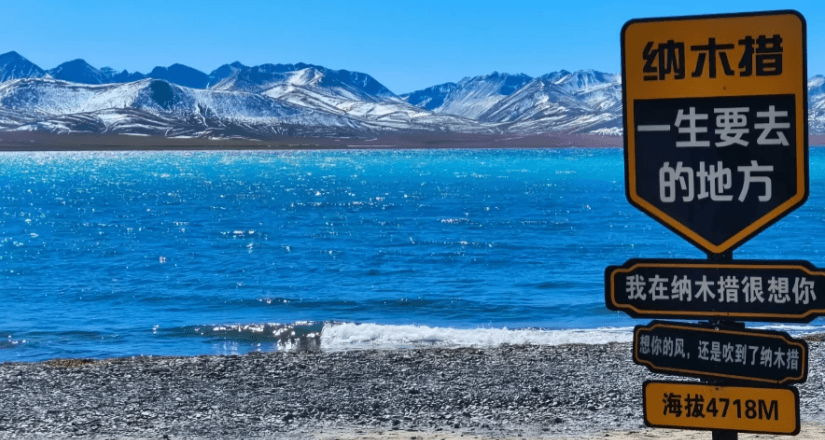
Namtso Lake, at 4,718 meters, freezes solid in winter. The road is usually closed from November to April. Summer and early autumn are the only times to see its famous turquoise waters.
Practical Tips for Timing Your Trip
Beyond weather, several logistical factors influence the best time to visit Tibet. First, consider Chinese public holidays. Avoid the first week of October (National Day) and the Spring Festival period, as domestic tourism surges, driving up prices and crowding major sites.
Second, permit processing times can fluctuate. During peak seasons, securing your Tibet Travel Permit requires precise coordination with registered tour operators. Apply well in advance, especially if traveling in summer or early autumn.
Finally, think about altitude sickness. While it can happen anytime, some medical professionals suggest that the slightly higher oxygen content in the warmer summer months can marginally ease acclimatization. Regardless of when to visit Tibet, always build rest days into your itinerary upon arrival in Lhasa to allow your body to adjust to the thin air.
Ultimately, there is no single wrong time to experience this extraordinary region. Every season paints the plateau in different colors, offers distinct cultural rhythms, and presents unique physical challenges. Align your personal travel goals—whether they are photographic perfection, festival participation, spiritual immersion, or budget savings—with the seasonal breakdowns above, and you will confidently determine the perfect moment for your own Tibetan adventure.