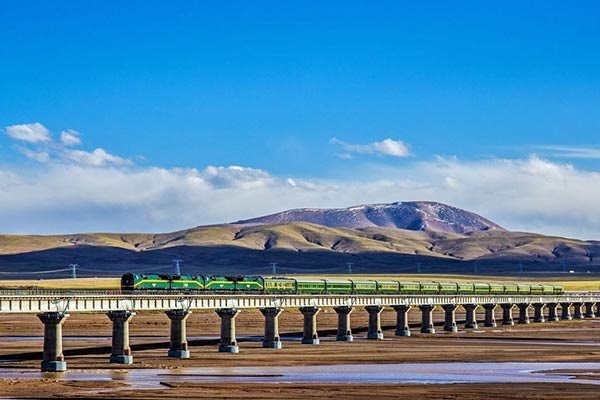
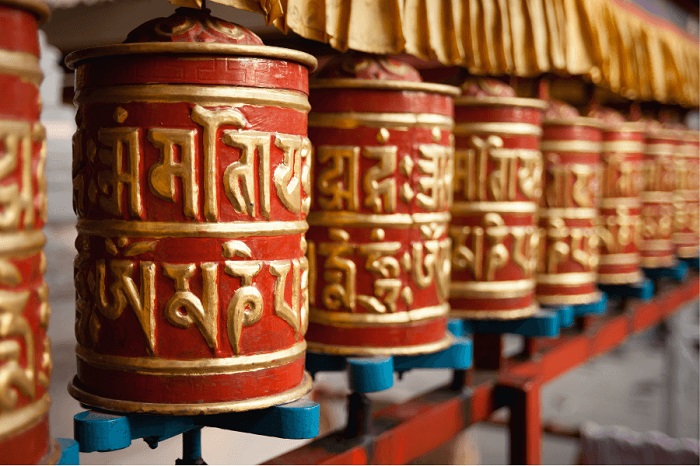
Traveling to the Roof of the World is an experience unlike any other, blending breathtaking landscapes with profound spiritual traditions. As you prepare for this remarkable journey, understanding local customs becomes just as important as packing the right gear. One aspect that frequently puzzles international visitors is tipping etiquette in Tibet for guides and drivers. Unlike Western countries where tipping is deeply ingrained in daily service interactions, Tibet operates on a different set of norms influenced by both traditional culture and modern tourism practices. Navigating these expectations ensures you show appropriate gratitude without causing awkwardness or unintentional offense.
Key Takeaways:
- Tipping is appreciated but not traditionally mandatory in Tibetan culture.
- Guides generally expect 80–150 RMB per day from the group.
- Drivers typically receive slightly less than guides, around 50–100 RMB daily.
- Always offer tips discreetly using both hands as a sign of respect.
- Exceptional service during challenging conditions warrants higher gratuities.
Understanding Tipping Etiquette in Tibet for Guides and Drivers
To truly grasp tipping etiquette in Tibet for guides and drivers, it helps to look at the broader cultural context. Historically, tipping was not a part of Tibetan or general Chinese culture. In traditional society, hospitality was considered a virtue rather than a transactional service. However, as Tibet opened its doors to international tourism, local guides and drivers began interacting with travelers from countries where tipping is standard practice. Over time, a hybrid system emerged. Today, while locals might not tip each other, those working in the tourism sector have come to expect gratuities from foreign visitors as a significant part of their income.
This shift does not mean that tipping is aggressive or demanded. Instead, it is viewed as a gesture of appreciation for a job well done. The remote nature of Tibet, combined with high altitudes, rugged terrain, and long driving hours, makes the roles of guides and drivers physically and mentally demanding. Recognizing their effort through a thoughtful tip aligns perfectly with the Buddhist principles of generosity and mutual respect that permeate Tibetan society.
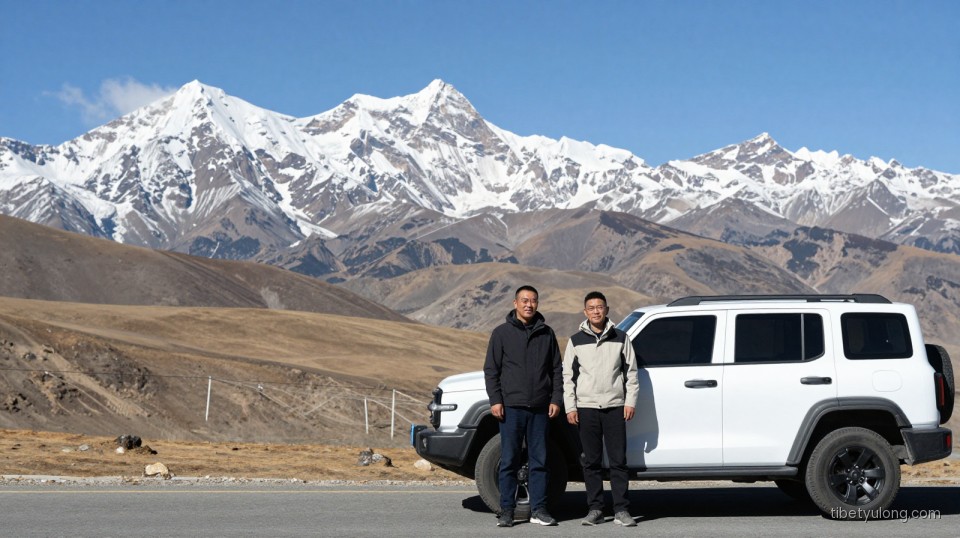
Understanding this balance between traditional values and modern tourism expectations is the foundation of good tipping etiquette in Tibet for guides and drivers. It transforms the act of giving money from a mere obligation into a meaningful cultural exchange.
Why Your Guide and Driver Deserve Recognition
Before discussing specific amounts, it is crucial to understand what your travel team actually does for you. Traveling in Tibet is not like visiting a typical urban tourist destination. The logistics are complex, the environment is harsh, and the regulations are strict.
Your guide is far more than someone who points out historical facts. They are your cultural bridge, translator, and often your first responder if altitude sickness strikes. They navigate language barriers with local nomads, arrange entry tickets to monasteries that have strict visitor limits, and ensure your itinerary complies with regional travel permits. A knowledgeable guide can turn a simple visit to the Potala Palace or Jokhang Temple into a deeply moving educational experience, explaining the intricate thangka paintings and centuries-old rituals that you would otherwise walk past unnoticed.
Drivers in Tibet face some of the most challenging road conditions on the planet. Routes to destinations like Mount Everest Base Camp, Lake Namtso, or Mount Kailash involve navigating unpaved mountain passes, unpredictable weather, and extreme altitudes exceeding 5,000 meters. Your driver is responsible for your physical safety every single day. They maintain the vehicle, endure long hours behind the wheel, and often help load and unload heavy luggage in freezing temperatures. When you consider the physical toll and the level of responsibility involved, offering a fair tip becomes a natural expression of gratitude.
How Much Should You Tip Your Tour Guide in Tibet?
Determining the right amount is the core of tipping etiquette in Tibet for guides and drivers. For tour guides, the standard gratuity usually depends on the size of your group, the length of the tour, and the quality of service provided.
For private tours or small groups (one to four people), a common guideline is to tip your guide between 100 and 150 RMB (Chinese Yuan) per day. If you are part of a larger group tour, the expectation shifts slightly. In these cases, each traveler might contribute 50 to 80 RMB per day, which is pooled together and given to the guide at the end of the trip. This collective approach ensures the guide receives a substantial sum without placing an undue burden on individual travelers.
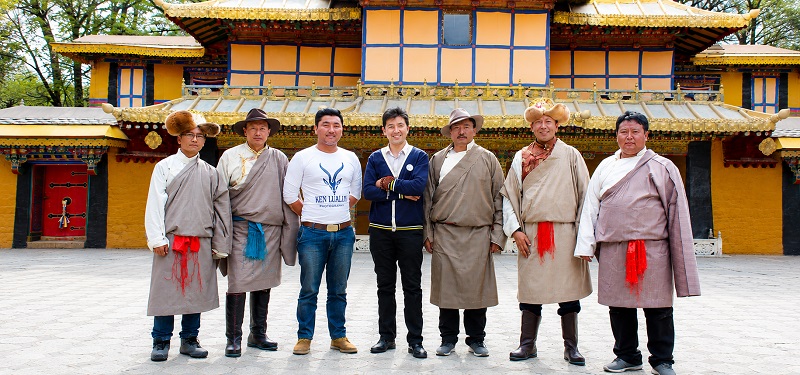
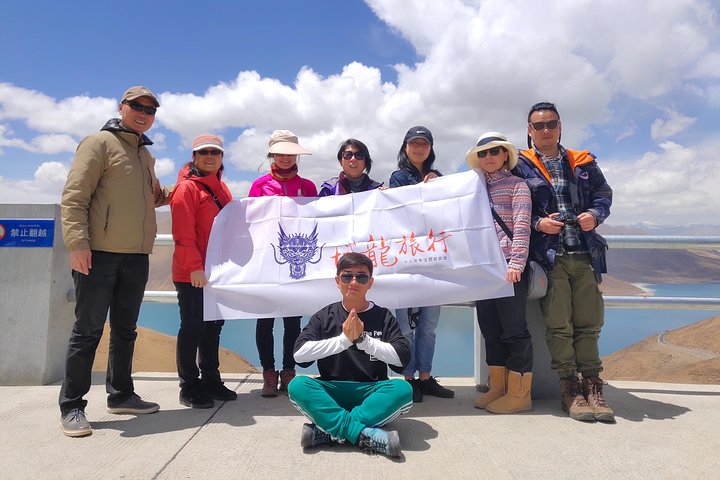
Tibet Yulong Guides
It is important to note that these figures are guidelines, not rigid rules. If your guide goes above and beyond—perhaps by staying up late to help you find medication, rearranging the itinerary to catch a rare religious festival, or sharing deeply personal insights into Tibetan Buddhism—you should feel encouraged to tip on the higher end of the spectrum or even exceed it. Conversely, if the service is merely adequate, sticking to the lower end of the range is perfectly acceptable.
Always calculate your tipping budget before your trip begins so you have enough local currency on hand. ATMs can be scarce outside of Lhasa and Shigatse, and digital payment systems like WeChat Pay or Alipay, while ubiquitous in mainland China, are sometimes difficult for foreign tourists to set up and use seamlessly in remote Tibetan areas.
What is the Appropriate Tip for Drivers in Tibet?
Drivers generally receive slightly less than guides, reflecting the difference in their roles, though their contribution to your safety is equally paramount. When observing proper tipping etiquette in Tibet for guides and drivers, you should plan to tip your driver between 50 and 100 RMB per day for a private or small group tour.
In larger group settings, a pooled contribution of 30 to 50 RMB per person, per day, is standard practice. Drivers often spend weeks away from their families in Lhasa, sleeping in basic guesthouses along remote routes to ensure the vehicle is ready for early morning departures. Their dedication to maintaining the Land Cruisers or minibuses that traverse the Himalayas is immense.
If you are undertaking a particularly grueling route, such as the overland journey from Lhasa to Kathmandu via the Friendship Highway, or the multi-day kora (pilgrimage circuit) around Mount Kailash, the physical demands on the driver increase significantly. In such scenarios, leaning toward the 100 RMB per day mark—or adding a bonus at the end of the trip—is a highly appreciated gesture.
Remember that the driver’s tip should be given separately from the guide’s tip. Handing all the money to the guide and asking them to distribute it can sometimes lead to misunderstandings or unequal distribution. Addressing each team member individually shows respect for their specific contributions.
Cultural Nuances of Giving Gratuities on the Plateau
The physical act of giving a tip is just as important as the amount. Tibetan culture places a high value on respect, humility, and body language. Mastering these subtleties elevates your understanding of tipping etiquette in Tibet for guides and drivers from a financial transaction to a culturally sensitive interaction.
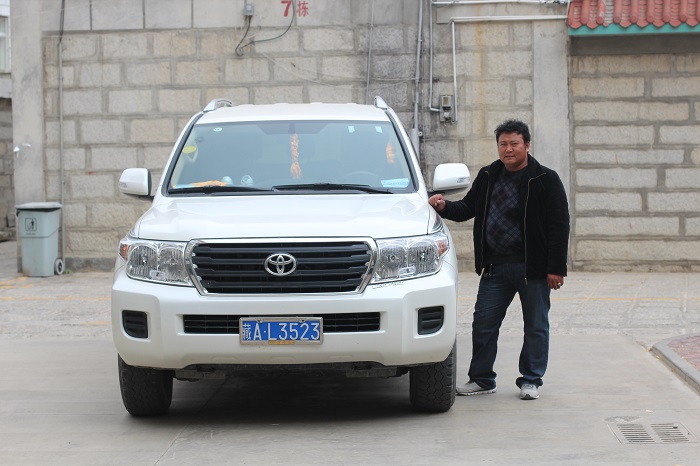
Drivers from Tibet Yulong
When handing over a tip, always use both hands. In Tibetan and broader Asian cultures, offering something with one hand—especially the left hand—can be perceived as dismissive or disrespectful. Presenting the money with both hands signifies that you are giving it thoughtfully and with full attention.
Discretion is another vital element. Avoid making a grand public spectacle of tipping. While it is fine to thank your guide and driver in front of others, the actual exchange of cash should be done relatively quietly. Flashing large wads of bills can be seen as boastful and may cause embarrassment to the recipient, especially in rural areas where average incomes are much lower than in major cities.
Using envelopes is a wonderful touch. Placing the tip inside a clean envelope before handing it over adds a layer of dignity to the exchange. You do not need elaborate red envelopes like those used during Chinese New Year; a simple, neat paper envelope works perfectly. This prevents the awkwardness of counting bills in front of the recipient and allows them to accept the gift gracefully.
Timing also matters. Tips are almost exclusively given at the very end of the tour or upon dropping off at the airport or train station. Do not tip daily unless you are changing guides or drivers frequently. A final tip serves as a closing gesture of thanks for the entire journey.
Tipping During Group Tours vs. Private Journeys
The structure of your tour significantly influences how you should handle gratuities. Understanding the difference is essential for anyone researching tipping etiquette in Tibet for guides and drivers.
On group tours, the dynamics are communal. You are sharing the vehicle, the guide, and the experience with strangers. In these situations, organizing a collection among group members is the most practical approach. Usually, one traveler volunteers to collect the agreed-upon daily amount from everyone, pooling the funds into a single envelope for the guide and another for the driver. This method prevents the staff from receiving multiple small, potentially confusing payments and fosters a sense of teamwork among the travelers. If you are organizing a group collection, communicate openly with your fellow travelers on the first day to establish a consensus on the daily amount.
Private journeys offer a more personalized dynamic. Because you have hired the guide and driver exclusively for your family or friend group, the relationship tends to become closer over the days spent together in the confined space of a vehicle. For private tours, you handle the tipping directly. The amounts mentioned earlier (100–150 RMB/day for guides, 50–100 RMB/day for drivers) apply here. Because private tours often allow for customized itineraries and flexible pacing, the staff might work harder to accommodate your spontaneous requests. If they happily oblige your desire to stop for unexpected photography sessions or detours to local tea houses, acknowledging that flexibility with a generous tip is highly appropriate.
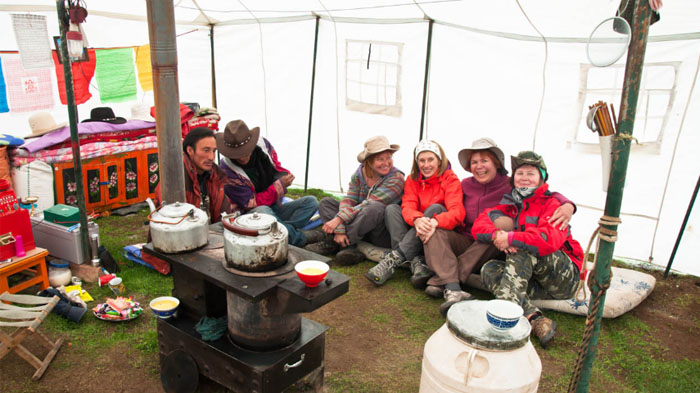
Having a rest in a Tibetan nomadic tent.
Handling Exceptional Service and Difficult Situations
Travel in Tibet rarely goes exactly as planned. Weather changes rapidly, roads wash out, and altitude affects everyone differently. How your travel team handles adversity is the true test of their professionalism, and your tipping should reflect their performance under pressure.
If your guide expertly manages a situation where a fellow traveler suffers from acute mountain sickness, coordinating oxygen supplies and arranging a safe descent, this goes far beyond standard duties. Similarly, if your driver navigates a treacherous, mud-slicked mountain pass with calm expertise after a sudden summer downpour, they have actively ensured your survival and comfort. In these instances, increasing your tip by 20% to 50% above the standard rate is a meaningful way to say thank you.
Conversely, what happens if the service is subpar? If a guide is consistently late, disinterested, or fails to provide the historical context you paid for, you are not obligated to tip the maximum amount. However, completely withholding a tip in Tibet can cause severe loss of face and deep offense. If the service was poor but not offensive, providing the minimum suggested amount maintains basic politeness. If there were serious issues, it is better to provide a standard tip and address the complaint formally with the travel agency afterward rather than punishing the staff directly on the roadside.
Practical Advice for Currency and Payment Methods
When preparing for your trip and planning your adherence to tipping etiquette in Tibet for guides and drivers, sorting out your finances beforehand is critical. Cash is king in the Tibetan tourism sector, particularly for gratuities.
Ensure you carry sufficient Chinese Yuan (RMB). Foreign currencies like US Dollars or Euros are virtually impossible for local guides and drivers to exchange in remote towns, and asking them to do so creates an unnecessary burden. Withdraw or exchange your money in Lhasa or before arriving in Tibet. Keep smaller denominations (10, 20, 50, and 100 RMB notes) readily accessible so you are not forced to break a large bill just to leave a tip.
While mobile payments dominate mainland China, relying on them for tipping in Tibet is risky. Your guide or driver might have WeChat Pay or Alipay, but network connectivity in regions like Ngari or Nagqu can be non-existent. Furthermore, setting up these apps requires a Chinese bank account or specific verification processes that many international tourists find cumbersome. Sticking to physical cash ensures the transaction is immediate, reliable, and universally accepted.
Avoid tipping with items instead of money unless specifically asked. While bringing small gifts from your home country (like pens, chocolates, or postcards) is a lovely icebreaker, these should supplement your monetary tip, not replace it. Guides and drivers rely on cash gratuities to support their livelihoods.
Common Mistakes Travelers Make When Tipping
Even well-intentioned travelers can stumble when navigating unfamiliar customs. Being aware of common pitfalls will help you execute flawless tipping etiquette in Tibet for guides and drivers.
One frequent mistake is over-tipping to the point of disrupting local economies. While generosity is valued, handing out exorbitant sums can create unrealistic expectations for future tourists and foster dependency. Stick to the recommended ranges unless the service was truly extraordinary.
Another error is treating the tip as a bribe. Some travelers attempt to tip upfront, expecting the guide to bend rules regarding travel permits or restricted areas. This puts the guide in a highly compromising legal position. Tips are rewards for service rendered, not advance payments for rule-breaking.
Failing to tip hotel porters or restaurant staff is also worth noting. While this article focuses on guides and drivers, remember that bellboys in Lhasa hotels appreciate 10 to 20 RMB per bag, and leaving small change at local restaurants is becoming more common, though still not strictly expected. Keeping a stash of small bills handy covers these incidental interactions smoothly.
Finally, never haggle over a tip. Once you have decided on an amount based on the service received, present it confidently. Asking the guide if the amount is “enough” or trying to negotiate the gratuity undermines the respectful nature of the exchange.
Planning Your Journey with Tibet Yulong Travel
Executing proper tipping etiquette in Tibet for guides and drivers is much easier when you travel with a reputable agency that sets clear expectations from the start. Tibet Yulong Travel specializes in crafting authentic, well-organized journeys across the Tibetan Plateau. By booking through experienced operators like Tibet Yulong Travel, you benefit from transparent communication regarding costs, including suggested gratuity ranges tailored to your specific itinerary.
Their professional guides and seasoned drivers are accustomed to working with international travelers, ensuring that cultural exchanges—including the moment of tipping—are handled with mutual respect and ease. Whether you are embarking on a spiritual pilgrimage to sacred lakes or an adventurous overland expedition, having a trusted partner managing the logistics allows you to focus entirely on the breathtaking scenery and rich heritage of Tibet. Preparing your tipping budget alongside your tour arrangements with Tibet Yulong Travel guarantees a seamless, respectful, and unforgettable experience on the Roof of the World.