Traveling to the Tibetan Plateau is a dream for many adventurers, but the extreme environment demands careful preparation. Securing reliable Tibet travel insurance covering high altitude trekking is not just a recommendation; it is an absolute necessity. The thin air, rugged terrain, and remote locations mean that standard travel policies often fall short when you need them most. Whether you are planning to hike around Mount Kailash or explore the trails near Everest Base Camp, having the right coverage can be the difference between a minor inconvenience and a life-threatening crisis. This guide breaks down everything you need to know about protecting yourself financially and medically while exploring one of the most breathtaking regions on Earth.
✨ Highlights:
- Standard policies usually exclude altitudes above 3,000 meters.
- Helicopter evacuation coverage is essential for remote Tibetan trails.
- Verify policy exclusions regarding pre-existing conditions and adventure sports.
- Medical repatriation ensures safe transport back to your home country if needed.
- Always carry printed copies of your policy and emergency contact numbers.
Why You Need Tibet Travel Insurance Covering High Altitude Trekking
The Tibetan Plateau averages over 4,500 meters in elevation, presenting unique physiological challenges that lowland travelers rarely encounter. When you purchase Tibet travel insurance covering high altitude trekking, you are specifically addressing the risks associated with hypoxia, acute mountain sickness (AMS), high-altitude pulmonary edema (HAPE), and high-altitude cerebral edema (HACE). These conditions can escalate rapidly, sometimes within hours of ascending.
Most conventional travel insurance plans contain altitude caps, typically voiding coverage once you exceed 2,500 or 3,000 meters. If you suffer a medical emergency at 5,000 meters on a standard policy, you will likely be responsible for all expenses out of pocket. Given the cost of medical care and logistics in remote areas, this financial exposure can easily reach tens of thousands of dollars. A specialized policy removes this risk by explicitly stating that activities conducted at extreme elevations are covered.
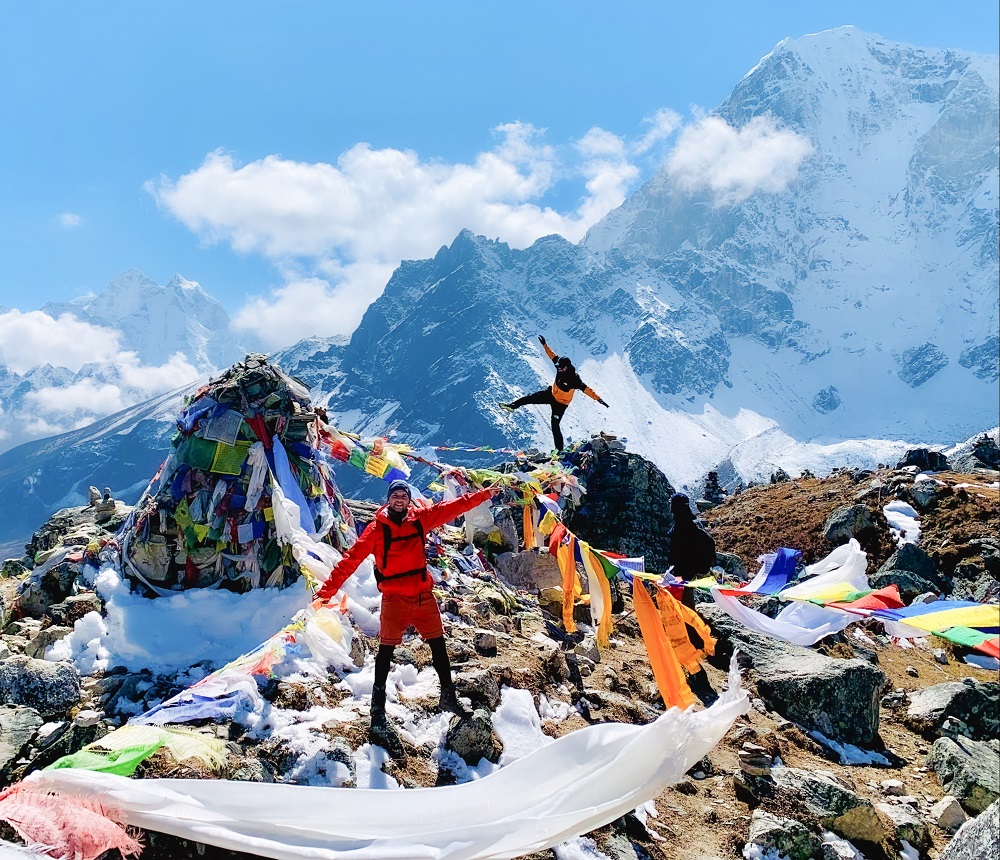
Furthermore, the infrastructure in rural Tibet is limited. Hospitals equipped to handle severe altitude sickness are sparse, and reaching them often requires traversing unpaved roads for days. Specialized insurance ensures that you have access to emergency response networks familiar with the geography and logistical hurdles of the plateau, providing peace of mind so you can focus on the spiritual and physical journey rather than worrying about potential disasters.
Essential Coverage Features for High Altitude Adventures
When evaluating Tibet travel insurance covering high altitude trekking, do not simply look at the premium price. The value lies in the specific clauses and limits detailed in the policy wording. You must scrutinize several critical components to ensure comprehensive protection during your expedition.
Emergency Medical Evacuation and Rescue
This is arguably the most vital component of any high-altitude policy. In the event of severe AMS or physical injury, ground transport may be too slow to save a life. elicopter rescue operations on the Tibetan Plateau are complex due to airspace approval procedures, rapidly changing weather, and limited suitable landing zones in remote valleys. Your policy must explicitly cover helicopter evacuation without restrictive sub-limits that leave you paying the balance. Some insurers partner with specialized global rescue organizations that maintain networks in Asia; verify that your provider has operational capability in the Tibet Autonomous Region, regulatory approval processes can sometimes delay third-party rescue response.
Comprehensive Medical Expenses
Beyond evacuation, you need robust coverage for hospital stays, physician fees, medications, and oxygen therapy. While local clinics in towns like Lhasa or Shigatse are affordable, serious cases requiring transfer to larger facilities in Chengdu or Beijing incur significant costs. Ensure your medical expense limit is sufficiently high—at least $100,000 to $250,000 is recommended for extreme expeditions. Check whether the insurer pays providers directly or requires you to pay upfront and claim reimbursement later. Direct billing is vastly preferable in emergencies where liquidity is an issue.
Trip Cancellation and Interruption
Permits for Tibet can be revoked or delayed due to unforeseen administrative changes, weather events, or geopolitical sensitivities. If your trip is canceled before departure or cut short due to a covered reason, this coverage reimburses non-refundable expenses like flights, guided tours, and accommodation. Look for policies that include a “cancel for any reason” (CFAR) add-on if available. Note CFAR usually has strict purchase deadlines and partial reimbursement terms, but it offers the broadest protection against the unpredictable nature of travel to this region.
Repatriation of Remains
It is a morbid topic, but a necessary one. Should the worst happen, transporting remains internationally from China involves extensive bureaucracy and exorbitant costs. Adequate Tibet travel insurance covering high altitude trekking includes repatriation benefits, sparing your family from navigating foreign legal systems and bearing massive financial burdens during a time of grief.
Understanding Altitude Limits in Travel Insurance Policies
One of the most common pitfalls for trekkers is assuming their “adventure sports” package covers all elevations. Insurers define high altitude differently. Some policies cap coverage at 4,000 meters, which might suffice for basic sightseeing in Lhasa but fails you on the trek to Everest Base Camp (approx. 5,200 meters) or the Drolma La pass on the Mount Kailash kora (approx. 5,630 meters).
Always read the fine print regarding elevation thresholds. Reputable providers specializing in mountaineering and trekking will offer tiers based on maximum altitude. Select the tier that exceeds your planned highest point by a comfortable margin. If your itinerary involves crossing a 5,500-meter pass, purchasing a policy capped at 5,000 meters renders your coverage useless exactly when you are most vulnerable. Additionally, confirm that the altitude limit applies to both trekking and incidental travel, such as driving over high mountain passes en route to your trailhead.
How to Choose the Right Tibet Travel Insurance Covering High Altitude Trekking
Selecting the appropriate policy requires comparing multiple providers who specialize in adventure travel. Mainstream insurers catering to beach holidays or European city breaks rarely possess the underwriting expertise or risk appetite for Himalayan expeditions. Focus your search on companies known for covering mountaineers, long-distance hikers, and backpackers venturing into remote zones.
Start by listing your exact itinerary, including maximum elevations, duration, and specific activities. Use this list to filter providers. Contact their customer service directly if the policy wording is ambiguous. Ask explicit questions: “Does this policy cover trekking up to 5,700 meters in the Tibet Autonomous Region?” “Is helicopter rescue included without prior authorization in life-threatening situations?” Document their answers. Verbal confirmation means little during a claims dispute; get clarifications in writing via email.
Compare deductibles and excesses. A cheaper premium often hides a massive deductible that you must pay before the insurer contributes. For high-risk environments, a slightly higher premium with a lower deductible provides better overall value. Also, review the claims process. Providers utilizing digital platforms for document submission and offering 24/7 multilingual support are significantly easier to deal with when you are exhausted and stressed in a foreign country.
Common Exclusions to Watch Out For
Even the best Tibet travel insurance covering high altitude trekking contains exclusions. Being unaware of these can lead to denied claims. Alcohol consumption is a frequent exclusion trigger; if an accident occurs while you are intoxicated, coverage is typically voided. Given that alcohol exacerbates altitude sickness, avoiding it entirely during your trek is both a health and insurance imperative.
Pre-existing medical conditions represent another major hurdle. Most policies exclude complications arising from conditions diagnosed or treated prior to the policy purchase date unless you buy a specific waiver. If you have hypertension, asthma, or cardiac history, you must declare these honestly. Concealing them to secure a lower premium guarantees claim denial when medical records are reviewed during the investigation phase.
Deviation from the planned itinerary can also invalidate coverage. If you decide spontaneously to climb an unlisted peak or extend your trek into an unauthorized/restricted zone (which also violates local travel permit rules), you step outside the insured parameters. Stick strictly to the route approved by your guide and declared to your insurer. Finally, acts of civil unrest or traveling against government advisories are universally excluded. Monitor official travel warnings closely before and during your trip.
Practical Tips for Managing Insurance During Your Trek
Purchasing the policy is only the first step. Managing it effectively in the field ensures it works when called upon. Before departing for Tibet, print multiple physical copies of your insurance certificate, emergency contact numbers, and policy number. Digital files on a phone are useless if batteries die in the freezing cold or devices break on rocky trails. Give copies to your trekking guide, your emergency contacts at home, and keep one sealed in a waterproof bag inside your pack.
Save the insurer’s 24-hour emergency assistance number in your phone and write it on a card carried in your pocket. In an emergency, the guide or group leader should contact this number immediately, ideally before moving an injured person, unless doing so poses an immediate threat to life. Many policies require pre-authorization for expensive procedures like helicopter flights; failing to notify the assistance team promptly can complicate reimbursement.
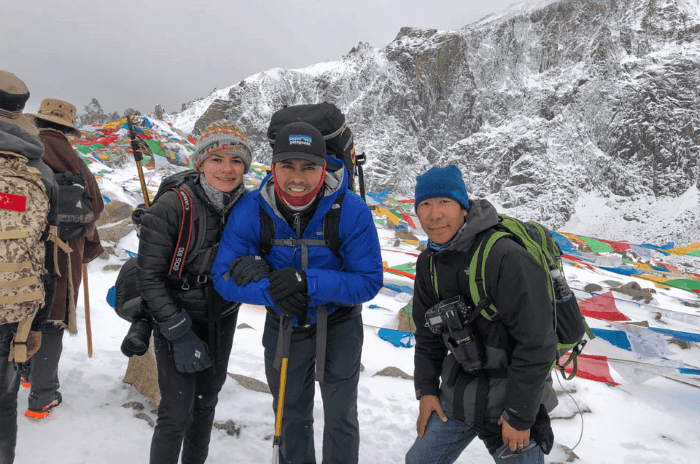
Keep meticulous records of everything. Retain receipts for pharmacy purchases, doctor visits, extra hotel nights caused by illness, and transportation changes. Take photographs of injuries or conditions if safely possible. Detailed documentation accelerates the claims process and reduces friction with adjusters who rely heavily on evidence to approve payouts for incidents occurring in remote locations far from standard verification channels.
The Role of Local Agencies and Tibet Yulong Travel
Navigating the complexities of permits, logistics, and safety protocols in Tibet is nearly impossible without experienced local support. Reputable agencies play a crucial role in ensuring your trek aligns with your insurance requirements. They understand the terrain, monitor weather patterns, and enforce pacing schedules designed to mitigate altitude sickness—the very thing your insurance hopes you never need to use.
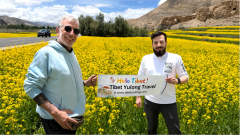
Operators like Tibet Yulong Travel specialize in crafting itineraries that balance adventure with safety. Their guides are trained in wilderness first aid and altitude symptom recognition, serving as your first line of defense before insurance intervention becomes necessary. By booking through established professionals, you ensure that your route is legally permitted and logistically sound, preventing accidental policy violations caused by entering restricted areas or attempting unapproved paths. Furthermore, local agencies maintain communication networks that facilitate faster contact with emergency services and insurance assistance teams, bridging the gap between remote trails and global support infrastructure. Integrating expert local guidance with comprehensive Tibet travel insurance covering high altitude trekking creates a safety net that allows you to immerse yourself fully in the profound beauty of the plateau.
Preparing Physically and Financially for High Altitude
Insurance protects your finances, but physical preparation protects your body. No policy prevents altitude sickness; they only manage its consequences. Engage in cardiovascular training months before your trip. Hike at elevation if accessible, or use stair-climbing machines to build endurance. Consult a travel medicine physician regarding prophylactic medications like acetazolamide, and understand their side effects and interactions with your current health profile. Note: acetazolamide is a prophylactic option, not universally prescribed. Some insurers may consider failure to follow a travel doctor’s explicit prescribed preventative advice as negligence, which could impact claims for AMS.
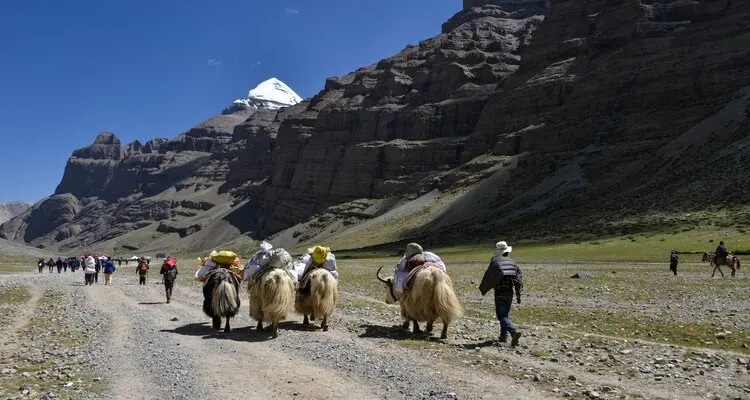
Mt. Kailash Kora
Financially, ensure you have access to emergency funds independent of your insurance. Carry a mix of cash (Chinese Yuan) and internationally accepted credit cards. ATMs are scarce outside major cities like Lhasa and Shigatse. If you need to pay a deposit for treatment before insurance authorization arrives, having liquid assets prevents dangerous delays in receiving care. Inform your bank of your travel plans to avoid fraud alerts freezing your cards while you are stranded on the plateau.
Navigating Claims After Your Expedition
Should you need to file a claim after returning home, act swiftly. Most insurers impose strict deadlines for notification and submission, often ranging from 30 to 90 days post-incident. Compile your dossier meticulously: medical reports translated into English or your insurer’s required language, itemized bills, proof of payment, police reports if theft occurred, and written statements from your guide corroborating the events.
Be honest and precise in your claim forms. Discrepancies between your account and medical records raise red flags for fraud investigators. If your claim is denied unfairly, understand your right to appeal. Provide additional context or clarification requested by the adjuster. Persistence and organized documentation are your best tools for resolving disputes. Remember that the goal of securing Tibet travel insurance covering high altitude trekking is to transfer catastrophic financial risk away from yourself, allowing you to return from the mountains with incredible memories rather than devastating debt.