Traveling to the roof of the world is a dream for many adventurers, but those who follow a plant-based diet often wonder about meal availability at high altitudes. Fortunately, finding satisfying meals is entirely possible when you know where to look and what to ask for. This vegetarian food options in Tibet restaurant guide is designed to help travelers navigate menus, understand local culinary traditions, and enjoy hearty meals without compromising their dietary preferences. Tibetan cuisine has deep roots in Buddhist culture, which naturally fosters an environment where meat-free eating is respected and widely practiced. Whether you are exploring the bustling streets of Lhasa or venturing into remote monasteries, you will discover that eating well as a vegetarian is both achievable and deeply rewarding.
✨ Highlights:
- Traditional Tibetan cuisine features many naturally meat-free staples like tsampa and momos.
- Lhasa offers numerous restaurants catering specifically to plant-based diets.
- Monastery dining halls provide authentic, simple vegetarian meals.
- Learning basic Tibetan phrases helps communicate dietary needs effectively.
- High altitude affects digestion, making lighter plant-based meals ideal.
Understanding Traditional Tibetan Cuisine for Plant-Based Eaters
To truly appreciate the vegetarian food options in Tibet restaurant guide recommendations, one must first understand the foundation of Tibetan cooking. The harsh climate and high altitude of the Tibetan Plateau historically limited agricultural diversity, leading locals to rely heavily on hardy grains, dairy, and root vegetables. Barley is the undisputed king of Tibetan agriculture, and it forms the backbone of almost every meal. Because of this grain-centric diet, vegetarians will find that many foundational Tibetan foods are naturally free from meat, requiring only minor modifications to fit strict dietary needs.
Dairy plays a significant role in traditional Tibetan cooking. Yak butter, milk, and yogurt are ubiquitous, meaning that while meat might be absent from a dish, animal byproducts are often present. For lacto-vegetarians, this is rarely an issue, but vegans must be specific when ordering. The reliance on dairy also means that caloric intake remains high, which is essential for maintaining energy levels in the thin mountain air. Understanding these cultural and geographical factors allows travelers to approach Tibetan menus with realistic expectations and a deeper appreciation for the ingenuity of local cooks who have sustained communities on the plateau for centuries.
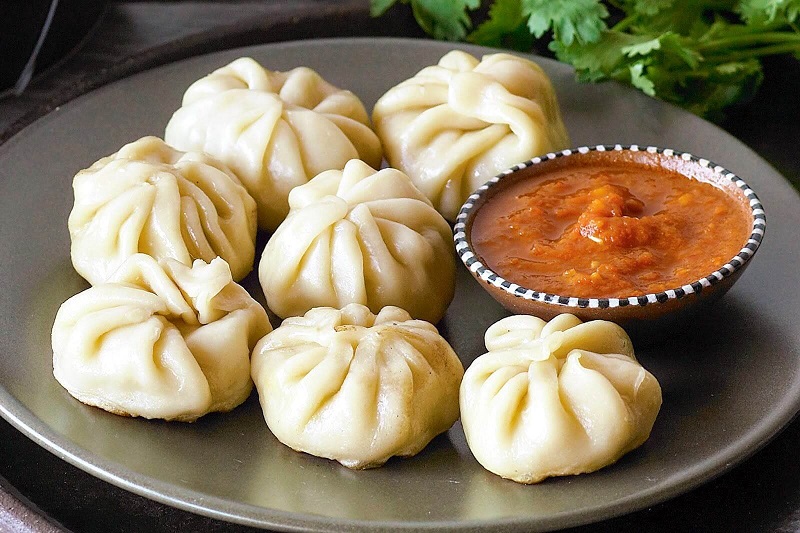
Momos – Classic Tibetan Cuisine
Essential Vegetarian Dishes You Must Try in Tibet
When consulting any vegetarian food options in Tibet restaurant guide, certain dishes stand out as absolute must-tries. These culinary staples are not just fallback options for non-meat eaters; they are beloved cultural treasures enjoyed by Tibetans daily. Familiarizing yourself with these items will make ordering much easier and ensure you experience the authentic flavors of the region.
Tsampa: The Ultimate Tibetan Staple
No discussion of Tibetan food is complete without mentioning tsampa. This roasted barley flour is the most fundamental element of the local diet. To prepare it, diners mix the flour in a bowl with Tibetan butter tea, using their fingers to knead it into small, dough-like balls. It is incredibly filling, rich in complex carbohydrates, and completely vegetarian. Some variations include adding dried cheese or sugar. Eating tsampa is as much a cultural experience as it is a meal, and mastering the finger-kneading technique is a fun challenge for visitors. Because it requires no cooking once the flour is roasted, it was historically the perfect travel food for nomads and monks alike.
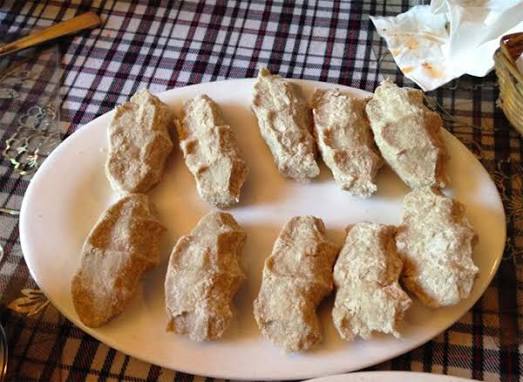
Tsampa
Vegetable Momos (Tibetan Dumplings)
Momos are perhaps the most famous Tibetan export, and vegetable momos are a highlight for anyone following a plant-based diet. These steamed or fried dumplings are typically filled with cabbage, onions, garlic, ginger, and sometimes local greens or mushrooms. The wrappers are made from simple wheat flour and water. Served alongside a spicy tomato-based dipping sauce or a fiery chili paste known as sepen, vegetable momos offer a comforting, flavorful, and entirely meat-free dining experience. Almost every restaurant in Lhasa serves them, making them the most accessible item on this vegetarian food options in Tibet restaurant guide.
Thukpa and Thenthuk (Noodle Soups)
Thukpa is a traditional Tibetan noodle soup that warms the body against the biting plateau winds. While it can be made with meat broth, vegetable versions are widely available upon request. The soup usually contains hand-pulled noodles, radishes, spinach, cabbage, and tomatoes. Thenthuk is a variation where the noodles are torn into flat, irregular shapes rather than pulled into long strands. Both soups are deeply savory and highly customizable. When ordering, simply specify that you want a vegetable broth base to ensure the dish aligns with your dietary requirements.
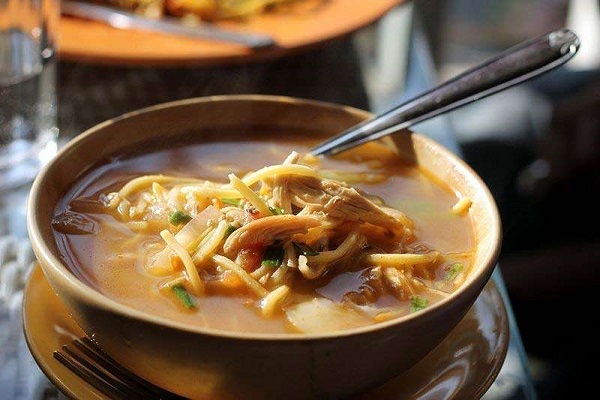
Tingmo (Steamed Bread)
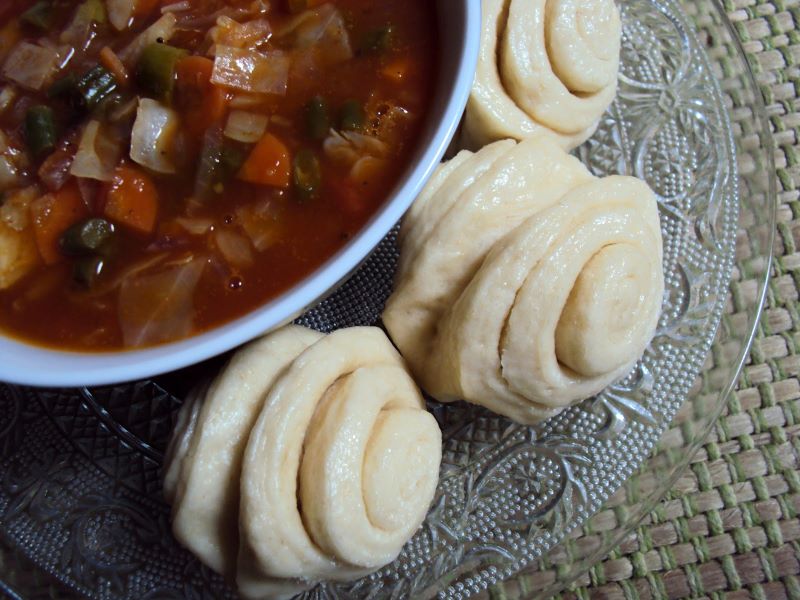
Tingmo is a soft, fluffy, steamed bread that resembles a layered bun. It has a mild, slightly sweet flavor and a texture that makes it perfect for soaking up curries, stews, or spicy sauces. Tingmo is inherently vegetarian and serves as an excellent accompaniment to heavier dishes. It is also a great snack on its own during long journeys between towns.
Tibetan Yogurt and Sweet Rice
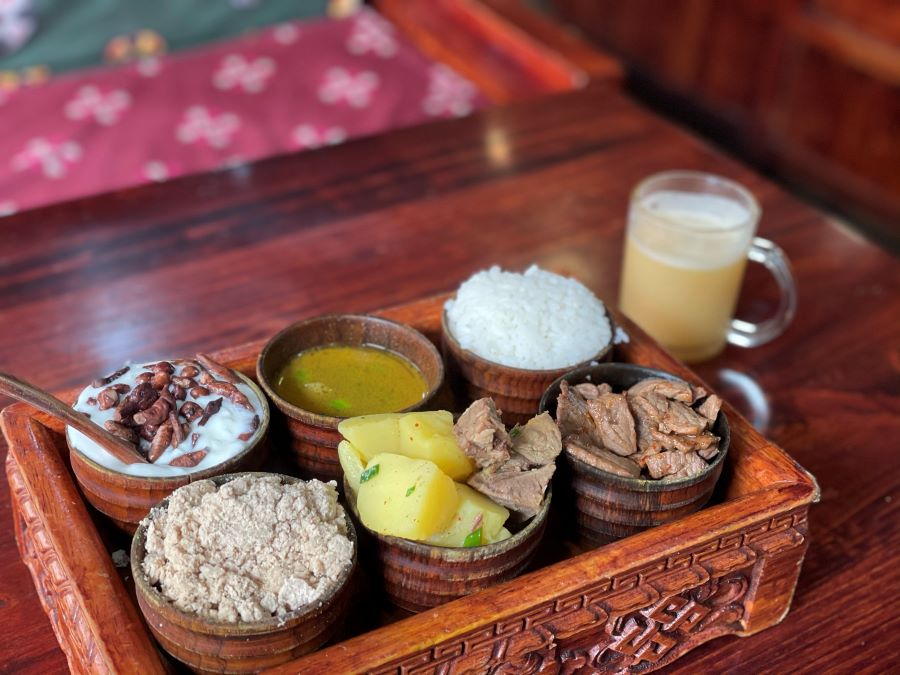
For those who consume dairy, Tibetan yogurt is a revelation. Made from yak milk, it is significantly richer, thicker, and more tart than standard cow’s milk yogurt. Locals often eat it sprinkled with sugar or mixed with raisins. Another popular treat is Dresi, a sweet rice dish cooked with butter, raisins, and sugar, traditionally served during festivals and celebrations. Both offer a delightful glimpse into the sweeter side of Tibetan culinary traditions.
Navigating Restaurants in Lhasa for Meat-Free Meals
Lhasa, the capital city, is the epicenter for tourists and consequently boasts the widest variety of dining establishments. Finding the right places is crucial, which is why this vegetarian food options in Tibet restaurant guide dedicates special attention to the city’s diverse culinary landscape. Over the years, Lhasa has developed a robust network of cafes, teahouses, and restaurants that cater specifically to international travelers and their varied dietary needs.
Tibetan-Owned Teahouses and Local Eateries
The most authentic experiences often happen in small, family-run teahouses scattered throughout the old town near Barkhor Street. These establishments primarily serve sweet tea, butter tea, tsampa, and momos. While menus might be limited and written only in Tibetan or Chinese, pointing at pictures or learning a few key phrases will get you a plate of steaming vegetable dumplings or a bowl of noodle soup. These local spots are inexpensive and provide an unfiltered look into daily Tibetan life. The atmosphere is usually lively, filled with locals chatting over endless cups of sweet tea.
International and Backpacker Cafes
Around the Jokhang Temple and in the backpacker districts, numerous cafes have opened to serve the influx of global travelers. These venues are exceptionally reliable for vegetarians. They typically offer bilingual English-Chinese menus with clearly marked vegetarian sections. You can expect to find Western-style dishes like vegetable pizzas, pasta, pancakes, and salads, alongside Tibetan and Nepali staples like dal bhat (lentils and rice) and vegetable curries. Places like Makye Ame, a historic restaurant overlooking Barkhor Square, offer a romantic setting and a menu that includes several meat-free Tibetan dishes, though it leans toward the pricier end of the spectrum.
Indian and Nepali Restaurants
Given Tibet’s proximity to Nepal and the historical trade routes connecting it to the Indian subcontinent, Lhasa hosts several Indian and Nepali restaurants. These are arguably the safest bets for strict vegetarians and vegans. South Asian cuisines have centuries-old traditions of elaborate meat-free cooking. In these restaurants, you can order chana masala, palak paneer, vegetable korma, and various lentil soups with absolute confidence regarding their ingredients. The spices used also provide a welcome contrast to the milder flavor profiles of traditional Tibetan cooking.
Dining Outside Lhasa: Shigatse, Gyantse, and Remote Areas
Once you leave the capital, the dining infrastructure becomes noticeably simpler. However, adhering to a plant-based diet remains manageable if you adjust your expectations. This vegetarian food options in Tibet restaurant guide emphasizes preparation for travelers heading into the more rugged territories of the plateau.
In cities like Shigatse and Gyantse, restaurants are smaller and often double as guesthouse dining rooms. Menus are usually brief, focusing on basic noodle soups, fried rice, and momos. Vegetable fried rice is a universal staple that can be found almost anywhere. It is typically cooked with eggs, cabbage, carrots, and onions. If you do not eat eggs, you must explicitly state this when ordering. Noodle soups in these areas might default to a bone broth base, so asking for clear water or vegetable broth is necessary.
When traveling to extremely remote locations such as Mount Everest Base Camp or the far western regions of Ngari, restaurant choices practically disappear. Accommodation is usually in basic guesthouses or tent camps that serve communal meals. In these scenarios, the kitchen will cook whatever supplies they have on hand. Potatoes, cabbage, onions, and rice are the most common ingredients stored for long periods. Travelers relying on this vegetarian food options in Tibet restaurant guide should strongly consider bringing supplementary snacks. Packing instant oatmeal, nuts, dried fruits, protein bars, and even cup noodles ensures you have reliable, familiar food when local options are too limited or uncertain.
The Role of Monasteries in Tibetan Vegetarian Culture
Buddhism profoundly influences Tibetan society, and the principle of ahimsa (non-violence) extends to dietary habits within monastic communities. While not all Tibetan Buddhists are strictly vegetarian due to the historical necessity of meat for survival at high altitudes, monks and nuns frequently consume meat-free diets, especially during religious observances and retreats.
Many large monasteries, such as Sera, Drepung, and Tashilhunpo, have communal dining halls or small canteens where visitors can purchase simple meals. The food served here is unpretentious, wholesome, and almost always vegetarian. Expect large pots of vegetable stew, plain rice, steamed buns, and copious amounts of butter tea. Dining in a monastery is not just about sustenance; it is a meditative experience. Sharing a quiet meal with practitioners in a centuries-old institution provides a profound connection to the spiritual heart of Tibet. Travelers should remember to behave respectfully, follow local customs, and leave a small donation if appropriate.
Practical Tips for Communicating Dietary Restrictions
Language barriers represent the biggest challenge for vegetarians traveling in Tibet. While younger generations in Lhasa may speak some English, rural areas and older populations generally do not. Relying solely on a vegetarian food options in Tibet restaurant guide is insufficient without the tools to communicate your needs directly to the kitchen staff.
Learning a few phrases in Mandarin Chinese is highly recommended, as it is widely spoken as a second language across Tibet. To say “I am a vegetarian,” you can use “Wo shi su shi zhe” (我是素食者). To specify “no meat,” say “Bu yao rou” (不要肉). If you do not eat eggs, add “Bu yao ji dan” (不要鸡蛋). For those avoiding dairy, “Bu yao niu nai” (不要牛奶) is essential, though explaining veganism can still be conceptually difficult in a culture where yak butter is considered a fundamental necessity for health.
Carrying a printed translation card is an invaluable strategy. Write down your exact dietary restrictions in both simplified Chinese and Tibetan script. Handing this card to the server or chef eliminates ambiguity and prevents accidental consumption of hidden animal products, such as lard used in frying or meat stock used in seemingly vegetable soups. Furthermore, always double-check how dishes are prepared. A “vegetable stir-fry” might be cooked in the same wok immediately after a meat dish, or flavored with pork fat, which is common in some regional Chinese-Tibetan fusion cooking.
Health, Digestion, and Altitude Considerations
Eating at high altitudes fundamentally alters how your body processes food. The lower oxygen levels slow down digestion, meaning heavy, greasy, or meat-rich meals can cause significant discomfort, bloating, and lethargy. Ironically, adopting a vegetarian diet during a trip to Tibet is often physically advantageous, even for those who normally eat meat.
Plant-based meals, particularly those centered around easily digestible grains like barley and rice, place less strain on the digestive system. The high carbohydrate content of Tibetan vegetarian staples provides the quick, accessible energy required for trekking and acclimatization. However, travelers should be cautious with raw vegetables. Due to differences in water sanitation and soil bacteria, eating raw salads outside of high-end tourist hotels can lead to gastrointestinal issues. Opting for thoroughly cooked vegetables, boiled soups, and peeled fruits is the safest approach to maintaining stomach health while following the advice of this vegetarian food options in Tibet restaurant guide.
Hydration is equally critical. Butter tea and sweet tea are excellent for maintaining fluid intake and providing calories, but drinking plenty of purified bottled water remains paramount. Avoid alcohol during your first few days on the plateau, as it exacerbates altitude sickness and dehydrates the body rapidly.
Planning Your Culinary Journey with Tibet Yulong Travel
Navigating the vast landscapes and unique cultural nuances of the Tibetan Plateau requires careful planning, especially when managing specific dietary requirements. Partnering with an experienced local agency like Tibet Yulong Travel can significantly enhance your journey. Their knowledgeable guides understand the intricacies of local dining and can seamlessly bridge the communication gap between you and restaurant owners, ensuring your dietary needs are met without stress. Whether you are seeking out hidden teahouses in Lhasa’s ancient alleyways or arranging meals at remote guesthouses near sacred lakes, Tibet Yulong Travel provides the logistical support necessary to focus entirely on the breathtaking scenery and rich cultural immersion. By integrating expert local guidance with the practical insights from this vegetarian food options in Tibet restaurant guide, travelers can embark on a seamless, nourishing, and unforgettable adventure across the highest plateau on earth.