
✨ Highlights:
- 🍂 Optimal Autumn Shooting Window: Clearly defines the best time to photograph Namcha Barwa in autumn (October–November), featuring stable weather, 70%+ clear sky rates, and stunning golden valley foliage for high-quality snow mountain photography.
- 📸 Top-tier Photography Locations: Covers classic and niche shooting spots, including Suosong Village, Sejila Mountain Pass, Zhibai Village, and core sites for Yarlung Tsangpo Grand Canyon autumn photography, catering to diverse landscape shooting needs.
- 🗓️ Complete 3-Day Photography Itinerary: Offers a practical, photography-focused Namcha Barwa autumn photography itinerary Tibet with reasonable rhythm, altitude adaptation arrangements, and full coverage of sunrise, sunset and aerial shooting scenes.
- 💡 Professional Shooting Guidance: Shares actionable Namcha Barwa autumn landscape photography tips on light grasping, layered composition, equipment matching, and plateau weather adaptation for both beginners and professional photographers.
- ✅ All-in-One Travel Guide: Serves as a systematic Tibet Namcha Barwa autumn travel photography guide, integrating travel planning, spot selection, and shooting skills to help photographers avoid pitfalls and capture premium autumn snow mountain works.
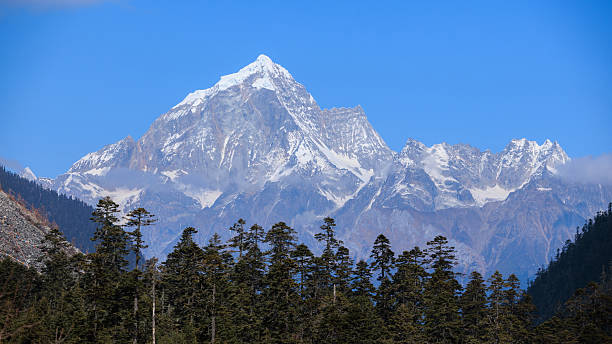
If you are searching for the most breathtaking autumn alpine scenery on the Qinghai-Tibet Plateau, this professional Namcha Barwa autumn photography itinerary Tibet is designed for landscape photographers and outdoor travel lovers. As one of Tibet’s most iconic sacred snow mountains, Namcha Barwa boasts its most stunning scenery from October to November. To help you capture high-quality mountain works efficiently, we have sorted out a complete Tibet Namcha Barwa autumn travel photography guide, covering the best shooting seasons, classic locations, detailed travel arrangements and practical shooting skills. With fewer rainy days, low cloud cover and rich layered autumn vegetation, this seasonal route remains the top choice for outdoor landscape photography in southeastern Tibet.
Namcha Barwa
Best Time to Photograph Namcha Barwa in Autumn
Many amateur and professional photographers wonder the best time to photograph Namcha Barwa in autumn, as the mountain is famous for its changeable weather and low exposure rate in rainy seasons. Unlike summer’s frequent fog and rainfall that often block the peak, Tibet’s autumn brings stable high-pressure weather, ultra-high air transparency and clean blue sky backgrounds. From early October to mid-November, the valleys around Namcha Barwa turn golden and crimson, forming a strong color contrast with the white snow peaks. During this period, the clear sky rate of Namcha Barwa summit exceeds 70%, greatly improving the success rate of shooting the rare golden sunrise and sunset. The mild temperature between 5°C and 18°C also avoids winter’s extreme cold, allowing photographers to stay outdoors for long hours and create leisurely.
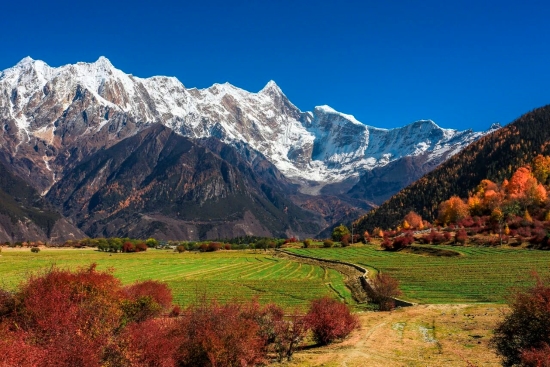
In addition to standalone snow mountain shooting, the surrounding ecological landscape also enters the best viewing period in autumn. The forest belts along the Yarlung Tsangpo River fade into warm autumn tones, and the pastoral villages at the foot of the mountain are quiet and primitive, providing diverse foregrounds and layered compositions for landscape creation.
Top Photography Spots for Namcha Barwa and Yarlung Tsangpo Grand Canyon
High-quality landscape photography depends on superior shooting locations. In this travel photography guide, we select the most representative spots, including classic snow mountain viewing platforms and hidden scenic belts for Yarlung Tsangpo Grand Canyon autumn photography. Each location has unique lighting conditions and composition characteristics, suitable for different shooting styles such as wide-angle grand landscapes, telephoto peak details and aerial panoramic works.
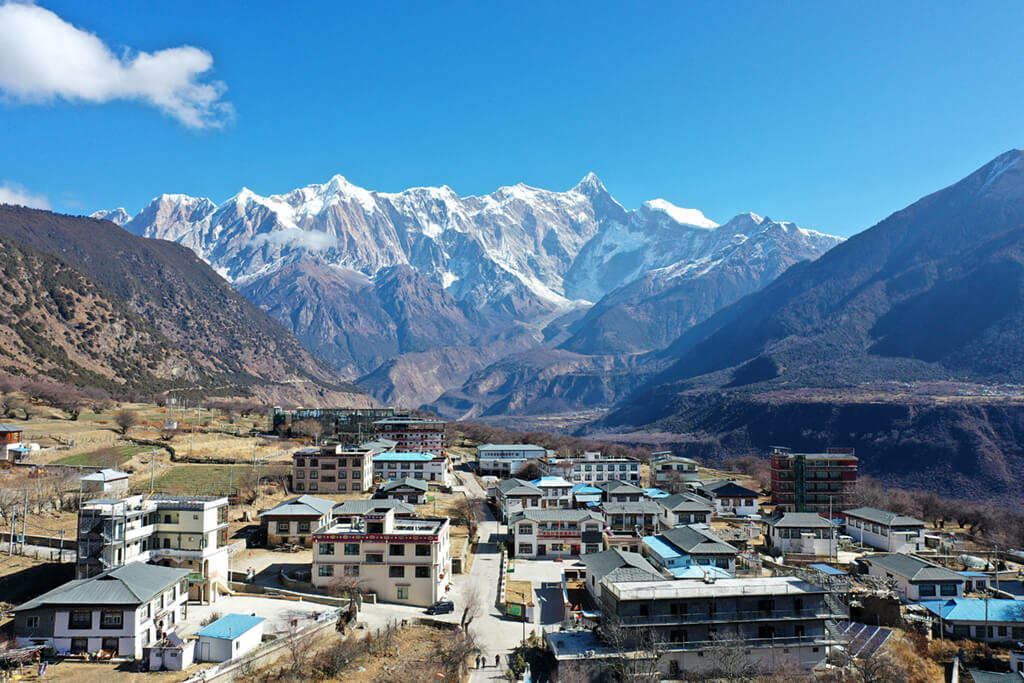
1. Suosong Village (Golden Summit Core Viewpoint)
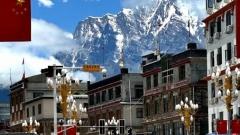
Suosong Village is the most mainstream and reliable shooting spot for Namcha Barwa’s golden summit. Facing the main peak directly across the river, it features an unobstructed viewing field and excellent light conditions throughout the day. In autumn, the village’s surrounding poplar forests and terraced fields turn golden, perfectly matching the snow-capped peak and blue sky. It is the best location to record the classic sunrise and sunset golden mountain scenes, and staying overnight here allows photographers to seize the precious golden light period without rushing.
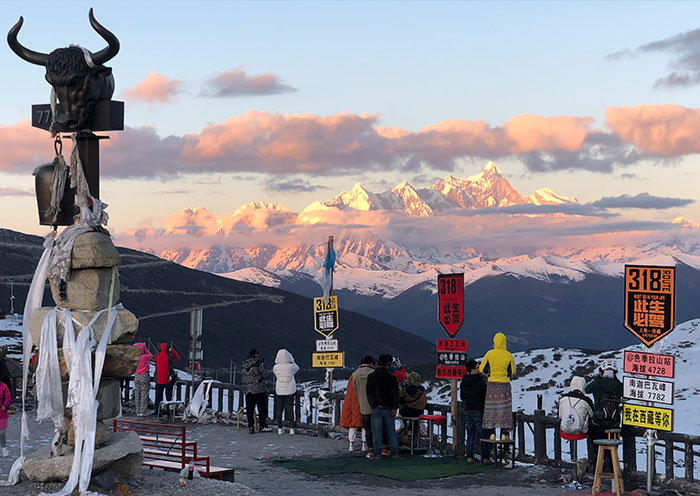
2. Sejila Mountain Pass (Panoramic Wide-Angle View)
Located on the G318 national highway, Sejila Pass at an altitude of 4,728 meters offers a grand panoramic view of Namcha Barwa and the adjacent snow mountain ranges. The colorful prayer flags fluttering at the pass add strong Tibetan cultural elements to the pictures. The soft afternoon light in autumn can perfectly outline the rugged ridge lines of the snow mountain, making it ideal for wide-angle and drone aerial shooting.
3. Little Orange Campground (Quiet River View Perspective)
As a niche hidden spot, this riverside campground has fewer tourists and retains primitive natural scenery. Facing Namcha Barwa across the Yarlung Tsangpo River, it integrates flowing river water, golden riverbank forests and towering snow peaks, creating a fresh and atmospheric picture. It is very suitable for photographers who pursue unique and unpopular landscape works.
4. Zhibai Village (Glacier Close-Up View)
Zhibai Village is the closest residential area to Namcha Barwa’s glacier. It provides a low-angle close-up shooting perspective, allowing photographers to clearly capture the glacier texture and rocky details of the mountain. The surrounding primitive autumn forests set off the grand and sacred snow mountain, bringing a strong visual impact.
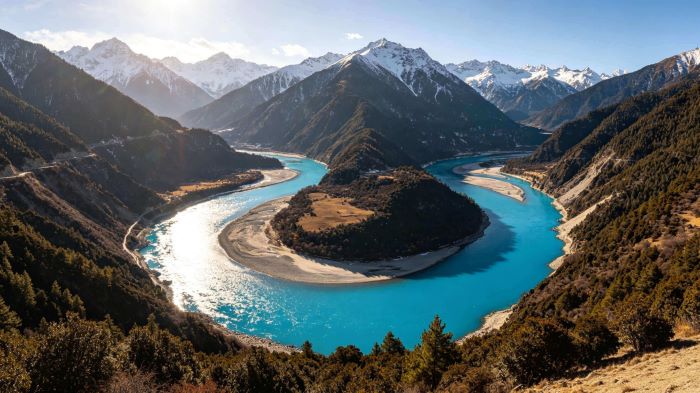
5. Yarlung Tsangpo Grand Canyon Viewing Platform
The official viewing platform overlooks the famous river bend of the Yarlung Tsangpo Grand Canyon. The winding blue river, layered canyon landforms and golden autumn valley set off the towering Namcha Barwa, forming a magnificent three-dimensional landscape, which is the core shooting point for grand large-scale landscape works.
Practical Namcha Barwa Autumn Landscape Photography Tips
Even with superior seasons and locations, reasonable shooting skills are essential to improve the quality of works. Here we summarize practical Namcha Barwa autumn landscape photography tips suitable for beginners and veteran photographers, covering light grasping, composition skills and equipment preparation.
First, grasp the golden light window strictly. The best shooting time in autumn is 30 minutes before and after sunrise and sunset. The warm low-angle light can gild the snow peak surface and soften the mountain’s rigid lines, avoiding the harsh strong light at noon that causes overexposure and flat pictures.
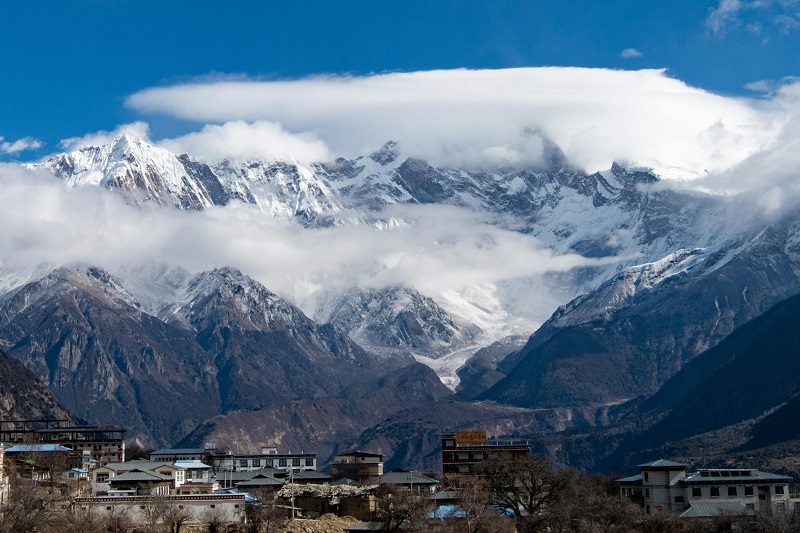
Second, pay attention to layered composition. Make full use of autumn forests, river water, meadows and prayer flags as foregrounds to enrich the picture hierarchy and avoid empty and monotonous single snow mountain shots.
Third, match professional equipment reasonably. Carry a wide-angle lens for grand canyon and snow mountain panoramas, a telephoto lens for capturing peak textures and golden summit details, and a drone for high-altitude aerial works that integrate mountains, rivers and forests. Fourth, adapt to plateau weather. Autumn in Tibet features large temperature differences between day and night and strong ultraviolet rays. It is necessary to keep warm and protect camera equipment from strong light and winderosion.
10‑Day Classic Namcha Barwa Autumn Photography Itinerary
Tailored for landscape and travel photographers, this 10-day Tibet photography itinerary focuses on the stunning autumn scenery of southeastern Tibet’s most iconic mountain, Mount Namcha Barwa. Designed with gradual altitude adaptation and flexible shooting schedules, the route avoids rushed transfers and maximizes golden-hour opportunities. Traveling across Nyingchi, Bomi, Lhasa and the northern Tibetan grasslands, the journey covers snow-capped peaks, ancient glaciers, alpine lakes, primitive forests and authentic Tibetan cultural landscapes, presenting the most diverse and authentic autumn views of Tibet.
Autumn brings crisp weather, transparent skies and layers of golden foliage to the Namcha Barwa region, greatly increasing the chance of seeing fully exposed mountain peaks and breathtaking golden sunrise and sunset scenes. This well-arranged itinerary balances outdoor shooting, scenic sightseeing and rest adaptation, perfect for photographers chasing high-altitude autumn landscape works.
Day 1: Arrive in Chengdu
Day 2: Chengdu-Nyingchi-Mount Namcha Barwa-Lulang
Day 3: Lulang-Bomi-Midui Glacier-Bomi
Day 4: Bomi-Rangchu Glacier-Mount Namcha Barwa-Lulang-Nyingchi
Day 5: Nyingchi – Basomtso Lake – Lake Island – Lhasa
Day 6: Lhasa: Potala Palace – Jokhang Temple – Barkhor Street
Day 7: Lhasa – Kambala Pass – Yamdrok Lake – Lhasa
Day 8: Lhasa – Namtso Lake – Northern Tibetan Grassland – Lhasa
Day 9: Lhasa – Qinghai-Tibet Soft Sleeper Train
Day 10: Arrive in Xining at 8 AM – Fly to Chengdu at noon
Day 1: Arrive in Chengdu
Arrive in Chengdu for pre‑trip rest and preparation. Adjust your body clock, check photography gear and get ready for the onward flight to Nyingchi the next day.
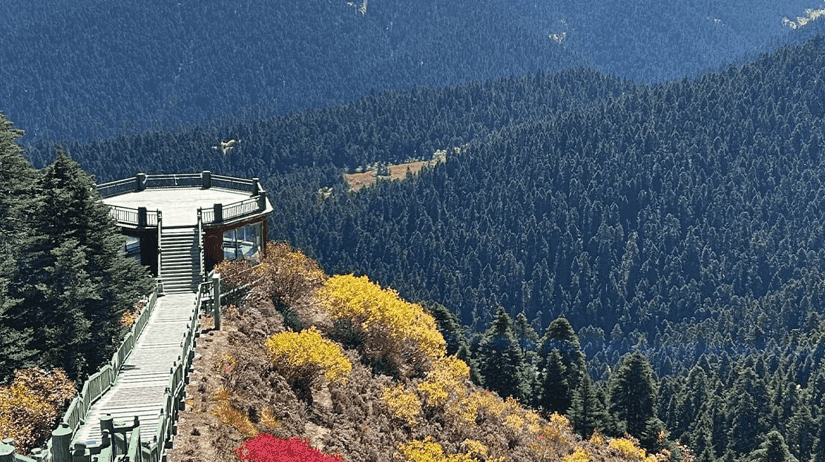
Day 2: Chengdu – Nyingchi – Mount Namcha Barwa – Lulang
Fly from Chengdu to Nyingchi. After airport pickup, drive toward Mount Namcha Barwa. Stop along the highway to capture early‑season autumn mountain‑valley scenery. Continue onwards to Lulang for overnight stay, easing into the Tibetan plateau altitude.
Lulang
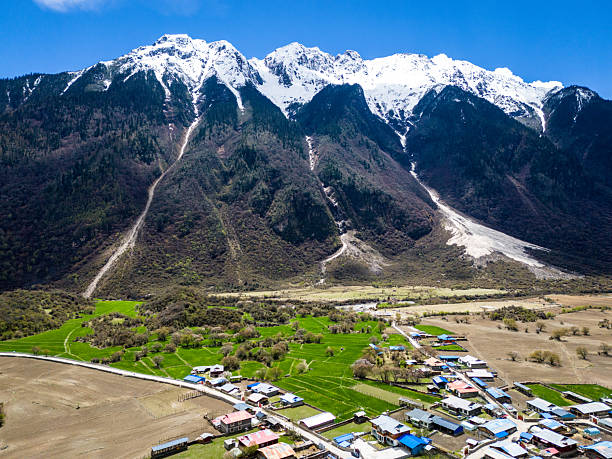
Day 3: Lulang – Bomi – Midui Glacier – Bomi
Set off for Bomi in the morning. Visit the spectacular Midui Glacier, photograph ice tongues, surrounding golden autumn forests and mountain backdrops. Spend the night in Bomi, surrounded by rich fall‑colored woodland landscapes ideal for landscape shooting.
Bomi
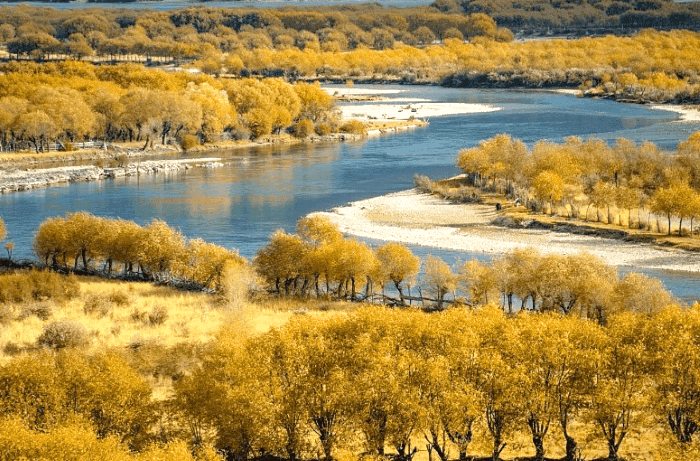
Day 4: Bomi – Rangchu Glacier – Mount Namcha Barwa – Lulang – Nyingchi
Head out early to explore Rangchu Glacier for raw glacier‑forest compositions. Afterwards drive back toward Mount Namcha Barwa, hunting for partial peak views amid autumn foliage. Pass through Lulang before finishing the day in Nyingchi for overnight accommodation.
Scenery of the Nyang River in Nyingchi
Day 5: Nyingchi – Basomtso Lake – Lake Island – Lhasa
Travel to picturesque Basomtso Lake. Photograph the turquoise lake water, wooded shorelines and the famous lake island. Soak in quiet autumn lakeside light before driving onward to Lhasa. Settle in Lhasa and begin slow acclimatization to higher elevation.
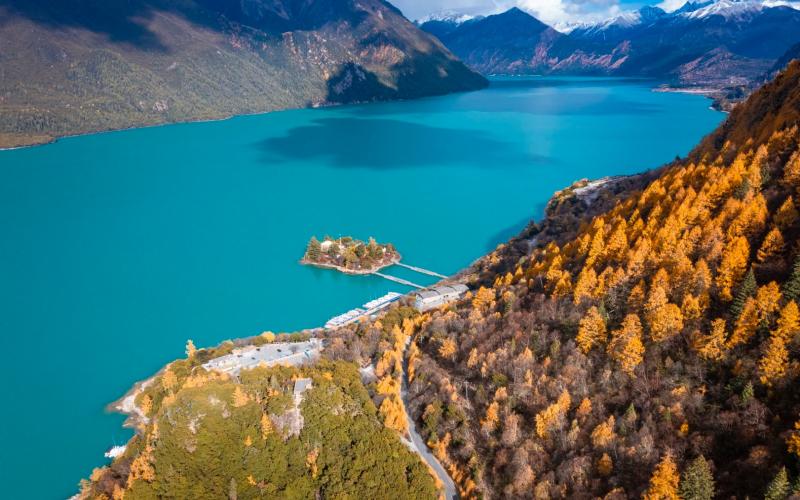
Basum Tso
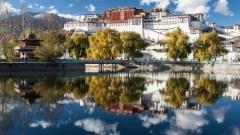
Day 6: Lhasa: Potala Palace – Jokhang Temple – Barkhor Street
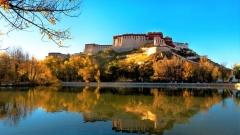
Focus on cultural photography in central Lhasa. Tour the Potala Palace for architectural and historic shots. Later visit Jokhang Temple and wander Barkhor Street. Capture local pilgrims, Tibetan street scenes and traditional buildings under soft daylight.
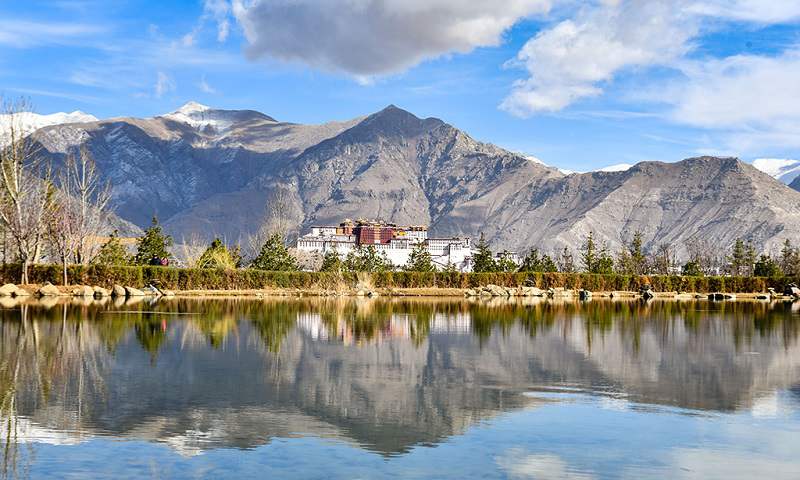
Potala Palace
Day 7: Lhasa – Kambala Pass – Yamdrok Lake – Lhasa
Drive over Kambala Pass for the classic overlook of Yamdrok Lake. Shoot sweeping wide‑angle views of the turquoise winding lake against distant snow‑capped mountains. Explore several lakeside viewpoints before returning to Lhasa in the late afternoon.
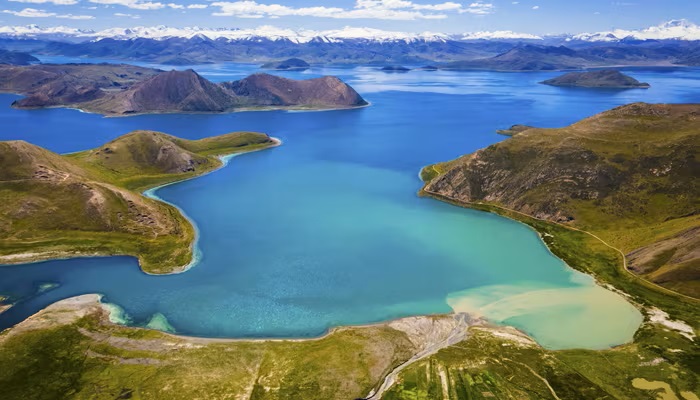
Yamdrok Lake
Day 8: Lhasa – Namtso Lake – Northern Tibetan Grassland – Lhasa
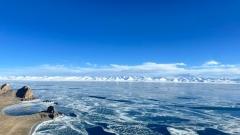
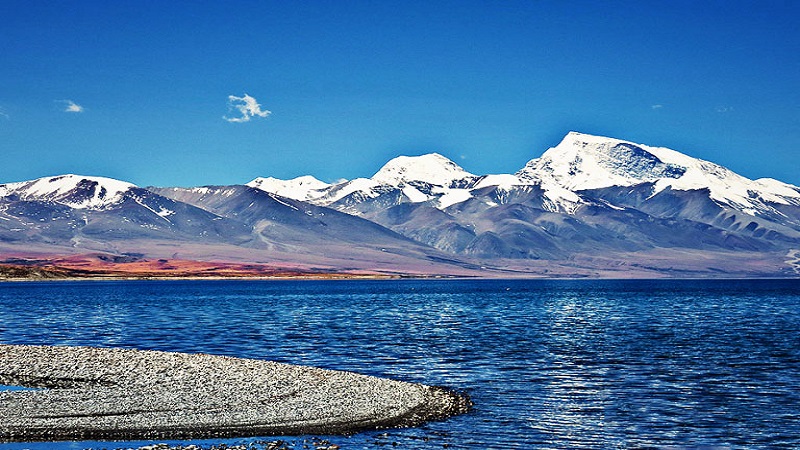
An early departure takes you to Namtso Lake across the Northern Tibetan Grassland. Photograph the immense high‑altitude lake, grassland plains and snow mountain backdrops. Make the most of open plateau light before heading back to Lhasa.
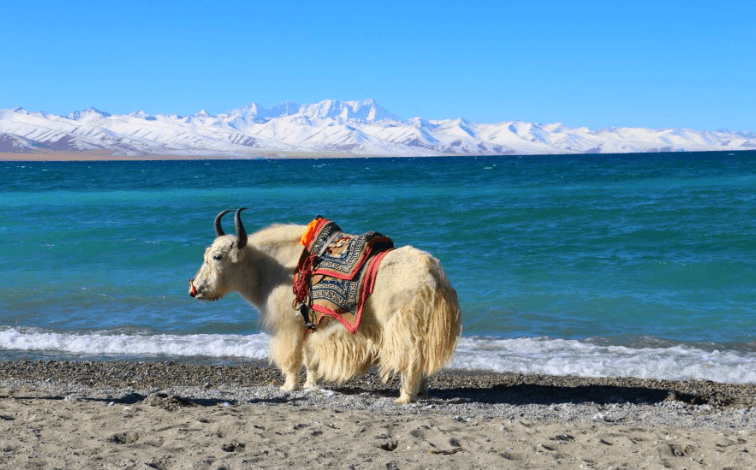
White Yak in Namtso Lake
Day 9: Lhasa – Board Qinghai‑Tibet Soft Sleeper Train
Spend your final daytime in Lhasa wrapping‑up last‑minute photos. In the evening, board the famous Qinghai‑Tibet soft sleeper train. Enjoy the slow‑moving plateau scenery through the train windows overnight.
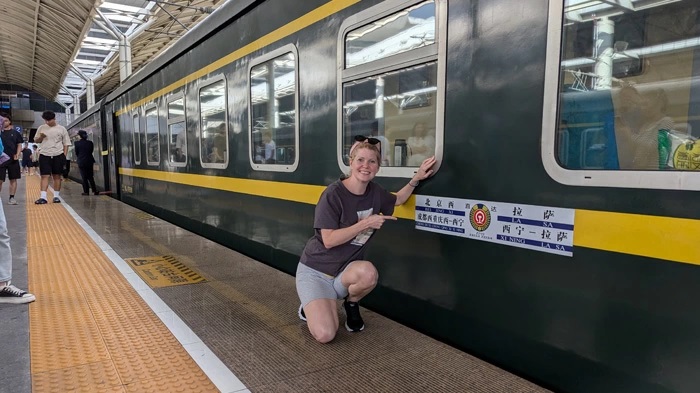
Day 10: Arrive in Xining at 8 AM – Fly to Chengdu at noon
Arrive in Xining by 8:00 in the morning. Transfer to the airport and take your noon flight back to Chengdu, bringing this 10‑day Namcha Barwa autumn photography journey to a close.
Conclusion
Autumn is the most precious and photogenic season for Namcha Barwa. With stable weather, rich natural colors and a high probability of exposing the complete snow peak, this complete Tibet Namcha Barwa autumn travel photography guide can help every photography enthusiast avoid travel pitfalls and efficiently capture top-level autumn snow mountain works. Mastering the best time to photograph Namcha Barwa in autumn and flexible Namcha Barwa autumn landscape photography tips, plus in-depth Yarlung Tsangpo Grand Canyon autumn photography arrangement, will make your Tibet autumn photography trip full of harvest and amazing creations.