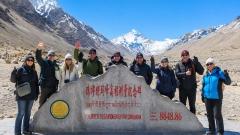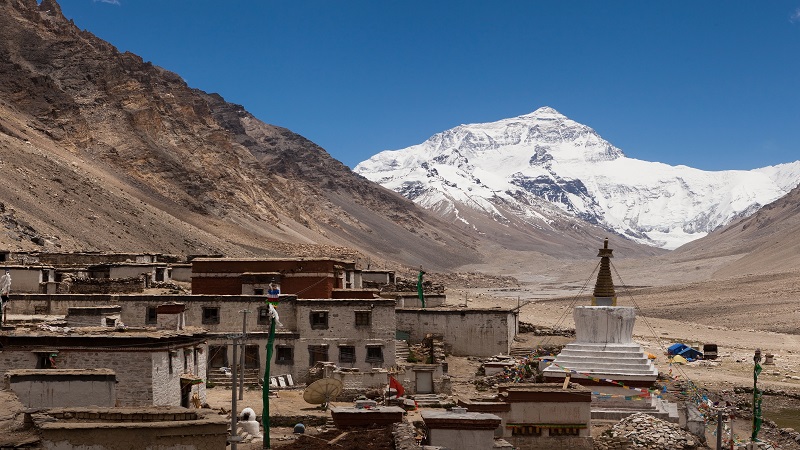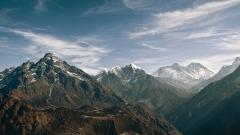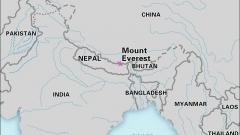

Standing at Everest Base Camp (EBC) at an altitude of 5,200 meters, witnessing the golden glow of the sunset over the world’s highest peak, or gazing at the unpolluted starry night sky is a ultimate bucket-list dream for countless travelers. However, spending a night in this extreme environment, often referred to as the “Zone of Life’s Limit,” requires not only courage but also a thorough understanding of local accommodation and living conditions.
For international independent travelers, photography enthusiasts, and families traveling with teenagers, questions like “Can I sleep well at EBC?” or “Are there hot water and toilets up there?” are often the biggest psychological hurdles before setting out. This guide provides an in-depth, realistic look at EBC accommodations across five major dimensions: tent structures, heating mechanisms, sanitation conditions, dining supplies, and altitude medical care.
Core Accommodation Style: Traditional Tibetan “Yak-Hair Black Tents”
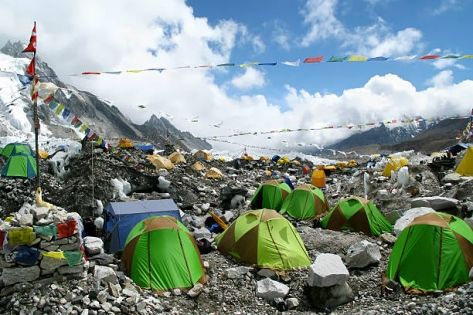
At Everest Base Camp, apart from a few designated administrative areas, the primary form of overnight lodging for travelers is the unique traditional black tents operated by local Tibetan hosts. These tents are arranged orderly in the core area, forming a bustling alpine village.
A. Large Dormitory Layout and Space Configuration
Stepping inside a tent, you will find that these are not individual hotel suites but standard Tibetan dormitory-style setups. A conventional black tent typically accommodates 8 to 10 beds arranged around the perimeter. There are no solid walls between beds; instead, traditional Tibetan wooden tables or low cabinets serve as simple space dividers. This means that if you are a solo traveler or traveling in a small group, you will share a tent with fellow travelers from all over the world. While it lacks privacy, it serves as an excellent social hub for sharing travel stories with global adventurers late into the night.
B. Traditional Craftsmanship Meets Modern Protection
While these tents look rustic and even primitive from the outside, they are mostly hand-woven from traditional yak hair. Yak hair possesses remarkable physical properties: it is tough, highly wind-resistant, and when exposed to rain or snow, the fibers naturally swell to block moisture from penetrating. On dry, sunny days, the microscopic gaps allow for natural ventilation. Modern EBC tents are also outfitted with an additional thermal insulating liner on the inside, vastly improving wind resistance and warmth.
Temperature and Cold Weather Strategy: Yak-Dung Stoves and Electric Blankets
Located in a high-altitude alpine desert zone, the weather at EBC is highly unpredictable. Even in the peak summer months of July and August, nighttime temperatures frequently drop below freezing; during winter and spring, temperatures below -10°C are a regular occurrence. Therefore, the heating system inside the tent directly determines the quality of your sleep.
A. Central Stove: The Traditional Warmth of Tibet
Right in the center of every tent sits an iron heating stove, which is the soul of the entire space. In the evening, the Tibetan host begins adding fuel to the stove—specifically, traditional dried yak dung. Many first-time travelers might hesitate upon hearing this, but in reality, yaks graze on natural alpine pastures and herbs. Once thoroughly dried under the intense plateau sun, their dung burns completely odorless. Instead, it emits a faint, herbal, earthy scent. When the fire is burning brightly, the temperature in the core area of the tent can quickly rise to around 15°C to 20°C, instantly dispelling the chill.
B. Late-Night Warmth: Electric Blankets and Heavy Quilts
However, the fire does not burn continuously through the night. For safety reasons, the stove fire is usually allowed to go out gradually late at night when the hosts and guests prepare to sleep. At this point, the temperature inside the tent drops rapidly. To combat the midnight cold, almost all beds in EBC black tents are now equipped with electric blankets. Upon check-in, hosts provide thick, heavy Tibetan quilts and blankets for each bed. It is highly recommended to turn on the electric blanket an hour before going to sleep to preheat the bedding. Once wrapped tightly in the heavy blankets, your body is guaranteed to stay warm through the night.
Sanitation and Washing Conditions: A Return to Alpine Minimalism
At an altitude of 5,200 meters and without a modern plumbing network, water is a true luxury. Travelers must adjust their expectations and adapt to a minimalist lifestyle regarding sanitation.
A. The Reality of Eco-Toilets
There are no indoor private bathrooms or running water facilities at EBC. Public eco-toilets (mostly dry pit toilets or modern eco-wrap toilets) are managed centrally outside the tent areas. Because the wind is howling and temperatures are freezing at night, stepping out of the tent to use the restroom past midnight requires immense courage. It is essential to keep a flashlight or smartphone light handy and put on a fully insulated heavy coat before stepping outside.
B. Showering and Daily Washing
There are absolutely no showers or bathing facilities at EBC. In fact, at elevations above 5,000 meters, travelers are strongly advised not to shower or wash their hair. Showering causes blood vessels to dilate across the body, which increases oxygen consumption and can easily trigger or worsen acute high-altitude sickness, or even induce dangerous conditions like high-altitude pulmonary edema (HAPE). For basic daily washing, tent hosts provide a limited amount of hot water in thermoses each morning and evening. You can pour the hot water into your own collapsible basin for simple face washing, teeth brushing, or hot compresses. For travelers who prioritize personal hygiene, packing plenty of wet wipes, waterless dry shampoo, and rinse-free facial cleansers is a practical trick to staying refreshed.
Dining and Electricity: Modern Technology Stretching into the Plateau
Though situated in a remote, freezing-cold region, today’s Everest Base Camp has seen massive improvements in dining and basic communications compared to the past.
A. Tibetan and Chinese Dining Inside the Tents
You do not have to worry about going hungry while staying overnight at EBC. Every tent doubles as a small diner, where the Tibetan hosts serve simple but piping-hot, freshly prepared meals. The menu generally features hearty Tibetan staples (such as butter tea, sweet tea, Tibetan noodles, and tsampa) as well as common Chinese home-style dishes (like tomato scrambled eggs, shredded potatoes, and hot noodle soups). Enjoying a warm bowl of chicken noodle soup or a cup of high-calorie sweet tea on a freezing night is a quick way to recharge your body.
B. Charging and Network Connectivity
For smartphones and photography equipment, centralized charging strips are usually available around the main pillars or designated areas inside the tents. However, because EBC relies on local power Grids or solar energy storage systems, power supply times can be limited, and multiple travelers charging at once can cause voltage instability. Therefore, carrying 1 or 2 large-capacity, cold-resistant power banks is absolutely necessary. In terms of communication, major telecommunication operators have built high-altitude base stations at EBC, allowing for stable 4G or even 5G signals inside the black tents. Whether you want to send peace-of-mind messages to family or share the stunning starry sky over Everest in real-time, the network remains generally smooth.
Acclimatization and Medical Support: Golden Rules for Preventing Altitude Sickness
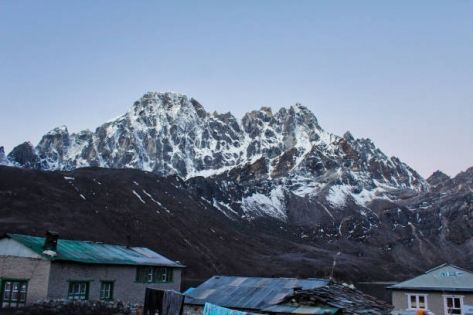
Overnighting at an altitude of 5,200 meters brings the ultimate challenge of “low atmospheric pressure and low oxygen levels.” The atmospheric pressure and oxygen content here are only about half of what they are at sea level. Mild headaches, a rapid heart rate, shortness of breath, or insomnia are normal physiological adaptation phenomena.
A. Configuration of Oxygen Equipment
To ensure traveler safety, most EBC tents are now equipped with oxygen cylinders or portable oxygen concentrators. If you experience significant chest tightness, dizziness, or find it impossible to sleep at night, do not try to push through it. Inhaling low-flow oxygen for 20 to 30 minutes can significantly relieve discomfort, helping the body relax and drift into sleep. In addition, small portable oxygen canisters are a standard item in every traveler’s backpack.
B. Emergency Medical Evacuation System
EBC houses a permanent emergency medical clinic staffed with professionals, basic anti-altitude sickness medications, specialized diagnostic instruments, and emergency vehicles. Should a traveler develop severe, persistent symptoms of high-altitude sickness (such as severe vomiting, confusion, or a violent cough producing pink frothy sputum), local emergency protocols ensure the patient receives immediate treatment and is rapidly evacuated by vehicle to a lower altitude (such as Tingri County or Shigatse).
Summary: A Departure Checklist for Everest Pilgrims
Staying overnight at Everest Base Camp is an experience of trading material comfort for absolute spiritual and visual awe. As long as you make the following psychological and material preparations, this journey to the top of the world will be exceptionally safe and mind-blowing:
-
Layering Clothes: Wear moisture-wicking base layers, a fleece or light down mid-layer, and a completely windproof and waterproof outer hardshell jacket. Beanies, scarves, and gloves are mandatory to protect your head and extremities from the cold wind.
-
Power Banks and Cold Resistance: Lithium batteries drain incredibly fast in cold temperatures. It is recommended to place your phone and power banks inside your sleeping bag or under the blankets at night to keep them warm.
-
High-Calorie Snacks & Electrolytes: Pack chocolates, nuts, energy bars, or effervescent vitamin tablets that you enjoy. High altitudes naturally suppress appetite; supplementing calories and hydration at any time is key to fighting fatigue and altitude sickness.
-
Slow Down Your Pace: At EBC, slow down all your actions—whether walking, carrying luggage, or taking photos—by half. Maintaining a calm state of mind and keeping your breathing steady is the absolute best remedy against high altitude.