Every summer, the vast northern grasslands of Tibet transform into a vibrant arena for one of the most spectacular cultural events in the region: the Damgxung Horse Racing Festival. Held in Damxung County, just north of Lhasa, this annual gathering draws thousands of nomadic herders, equestrian enthusiasts, and travelers from across the globe. It is far more than a simple sporting event; it is a profound celebration of Tibetan nomadic heritage, spiritual devotion, and community bonding. The festival showcases breathtaking displays of horsemanship against the stunning backdrop of the Nyainqêntanglha mountain range. For anyone seeking an authentic immersion into traditional plateau life, attending this Horse Racing Festival offers an unparalleled window into the enduring spirit of the Tibetan people.
Key Highlights:
- Held annually during summer on the lush Damxung grasslands.
- Features thrilling equestrian competitions like archery and yak racing.
- Showcases authentic Tibetan nomadic culture, music, and dance.
- Offers stunning views of the Nyainqêntanglha mountains.
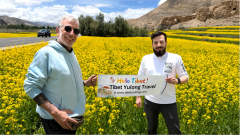
- Accessible via guided tours with local experts like Tibet Yulong Travel.
Origins and History of the Damgxung Horse Racing Festival
The roots of the Damgxung Horse Racing Festival stretch deep into the history of the Tibetan plateau. For centuries, horses have been indispensable to the survival and prosperity of nomadic communities in northern Tibet. They were essential for herding yaks and sheep across vast distances, traveling between seasonal pastures, and historically, for defense. Over time, the practical need to breed strong, fast, and agile horses evolved into friendly rivalries among neighboring tribes. These informal contests gradually formalized into the grand cultural spectacle seen today.
Historically, such gatherings also served as vital opportunities for trade. Nomads would exchange livestock, salt, wool, and other goods while celebrating their shared heritage. Religious elements were naturally woven into the festivities, with monks offering blessings for the safety of the riders and the prosperity of the herds. Today, the Horse Racing Festival remains a living testament to this rich history, preserving ancient traditions while adapting to the modern era. It stands as a proud symbol of resilience and cultural continuity for the pastoral communities of Damxung County.
When and Where Does the Horse Racing Festival Take Place?
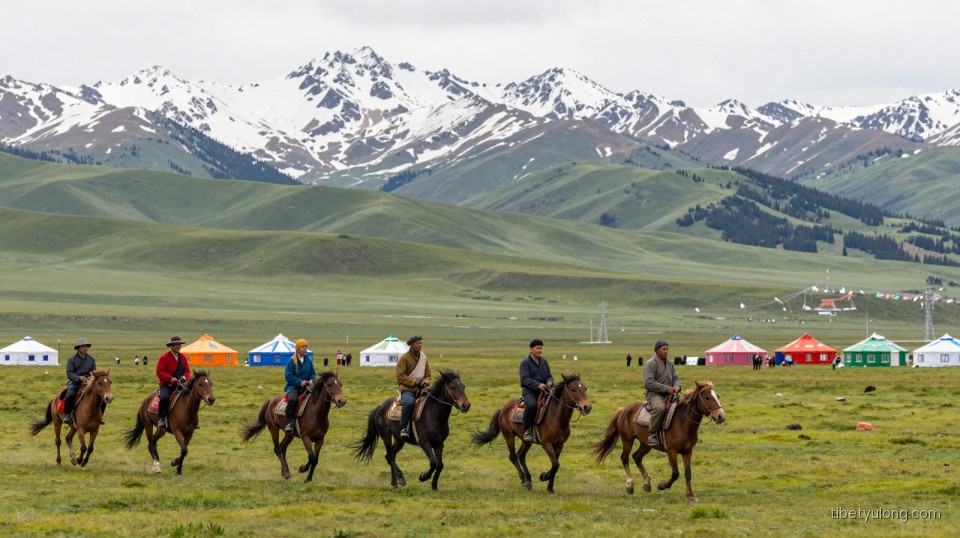
Timing your visit correctly is crucial for experiencing the full glory of the event. The Damgxung Horse Racing Festival typically takes place during the summer months, usually around late July or early August according to the Gregorian calendar. This timing aligns with the warmest period on the plateau, when the alpine meadows are blanketed in lush green grass and dotted with wildflowers. The weather is relatively mild, making it the most comfortable season for both locals and visitors to spend extended periods outdoors at high altitudes.
The festival is hosted in Damxung County, located approximately 170 kilometers north of Lhasa, the capital of the Tibet Autonomous Region. The main events unfold on the expansive grasslands near the county seat, providing ample space for racetracks, spectator tents, and sprawling encampments. Damxung sits at an elevation exceeding 4,200 meters, nestled beneath the majestic snow-capped peaks of the Nyainqêntanglha range. Reaching the venue usually involves a scenic drive from Lhasa along well-maintained highways. Because accommodations in the immediate vicinity can be limited during the peak festival days, many travelers opt to arrange their logistics carefully in advance.
Thrilling Events at the Horse Racing Festival
The core attraction of any Horse Racing Festival is, naturally, the equestrian competition, and Damxung delivers some of the most exhilarating displays found anywhere on the plateau. The events test not only the speed of the horses but also the extraordinary skill, balance, and bravery of the riders. Participants train for months leading up to the festival, ensuring that both horse and rider are in peak condition.
Long-Distance and Sprint Races
The festival features various categories of racing. Long-distance endurance races cover several kilometers across the open grassland, testing the stamina of the Tibetan ponies, which are renowned for their lung capacity and resilience at high altitudes. Sprint races, on the other hand, are explosive bursts of speed over shorter distances, drawing massive cheers from the crowds as horses thunder toward the finish line.
Equestrian Acrobatics and Archery
Beyond pure speed, the Horse Racing Festival highlights incredible feats of horsemanship. Riders perform daring acrobatics, such as standing upright on the saddles of galloping horses, picking up white scarves (khata) from the ground at full speed, and even hanging off the sides of their mounts. Mounted archery is another crowd favorite, where riders must accurately shoot arrows at targets while navigating their horses at a rapid gallop. These skills echo the martial traditions of ancient Tibetan cavalry.
Yak Racing
A uniquely Tibetan addition to the itinerary is yak racing. While much slower and less graceful than horse racing, yak races provide immense entertainment. The unpredictable nature of these large, shaggy animals often leads to humorous moments, as yaks sometimes decide to stop mid-race or veer off the track entirely, much to the amusement of spectators.
Cultural Immersion Beyond the Racetrack
Attending the Horse Racing Festival is a holistic cultural experience that extends far beyond the equestrian events. During the festival days, the Damxung grasslands transform into a temporary city of black yak-hair tents and colorful canvas pavilions. Families travel from remote pastures to reunite, creating a vibrant atmosphere filled with socializing, feasting, and celebration.
Traditional Tibetan music and folk dancing are integral components of the festivities. Groups perform energetic circle dances known as Guozhuang, accompanied by the melodic sounds of traditional stringed instruments and rhythmic singing. Visitors are often warmly welcomed to join these dances, offering a genuine opportunity for cross-cultural connection. Furthermore, religious ceremonies play a significant role. Monks from local monasteries chant sutras and conduct rituals to bless the grounds, the animals, and the participants, infusing the entire Horse Racing Festival with a profound sense of spiritual reverence.
Essential Travel Tips for Attending the Horse Racing Festival
Traveling to high-altitude events requires careful preparation to ensure a safe and enjoyable experience. Here are several practical considerations for anyone planning to attend the Damxung Horse Racing Festival.
Altitude Acclimatization
Damxung County sits above 4,200 meters, where oxygen levels are significantly lower than at sea level. It is highly recommended to spend at least three to four days acclimatizing in Lhasa (around 3,650 meters) before heading further north. Stay hydrated, avoid strenuous exercise upon arrival, and consult a physician regarding altitude sickness medication if necessary. Recognizing symptoms like headaches, dizziness, or shortness of breath early is vital.
Weather and Clothing
Summer on the Tibetan plateau does not mean hot weather. Daytime temperatures can be pleasantly warm under the intense sun, but mornings, evenings, and sudden rain showers bring sharp drops in temperature. Layered clothing is essential. Bring a windproof jacket, thermal layers, comfortable walking boots, sunglasses, and high-SPF sunscreen to protect against strong ultraviolet rays. A wide-brimmed hat is also highly advisable.
Accommodation and Logistics
During the festival, local guesthouses in Damxung fill up rapidly. Many attendees choose to camp on the grasslands, which offers the most authentic experience. However, camping at this altitude requires high-quality, cold-weather gear. Alternatively, some travelers prefer to return to Lhasa in the evenings, though this means missing out on the nighttime campfire gatherings.
For those looking to navigate these logistical challenges smoothly, partnering with experienced local operators makes a significant difference. Agencies like Tibet Yulong Travel specialize in organizing seamless itineraries for the Horse Racing Festival. They handle transportation, secure permits required for foreign travelers visiting Tibet, arrange reliable accommodation, and provide knowledgeable guides who can explain the nuances of the events and customs. Utilizing services from Tibet Yulong Travel ensures that visitors can focus entirely on enjoying the spectacle without worrying about the complexities of high-altitude travel regulations.
Respecting Local Customs During the Festival
When visiting the Damgxung Horse Racing Festival, cultural sensitivity is paramount. Always ask for permission before taking close-up photographs of individuals, especially elders and monks. When offered food or tea by nomadic families, accepting it graciously is a sign of respect. Remember to walk clockwise around religious sites, stupas, and prayer flag poles. By approaching the local culture with humility and respect, travelers contribute positively to the preservation of the traditions that make this Horse Racing Festival so extraordinary. The warmth of the Tibetan nomads is legendary, and respectful engagement often leads to the most memorable moments of the journey.