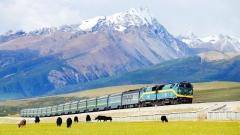
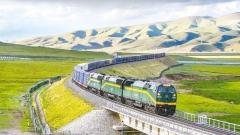
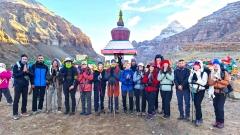
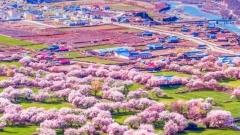
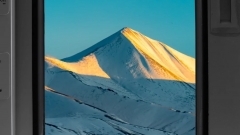
Tibet, often referred to as the “Roof of the World,” is a destination that captivates travelers with its breathtaking landscapes, profound spirituality, and rich cultural heritage. When planning a journey to this high-altitude region, exploring the famous cities in Tibet is essential for understanding its history and traditions. These urban centers serve as gateways to ancient monasteries, sacred lakes, and towering Himalayan peaks. Whether you are drawn to the spiritual energy of Lhasa or the rugged beauty of Ali, each destination offers a unique glimpse into Tibetan life. Navigating these remote areas requires careful preparation, which is why many travelers rely on experienced operators like Tibet Yulong Travel to ensure a smooth and enriching experience.
Key Takeaways:
- Lhasa is the spiritual and political heart of Tibet.
- Shigatse is home to Mount Everest base camp access.
- Nyingchi offers lush forests and lower altitudes.
- Gyantse preserves authentic Tibetan fortress history.
- Ali is the ultimate destination for remote wilderness.
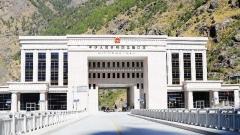
Exploring the Most Famous Cities in Tibet
When discussing the famous cities in Tibet, the conversation naturally begins with the places that have shaped the region’s religious and cultural identity over centuries. Unlike typical urban metropolises, cities in Tibet are defined by their monasteries, pilgrimage routes, and deep connection to the surrounding natural environment. Understanding the layout and significance of these famous cities helps travelers build an itinerary that balances sightseeing with necessary acclimatization.
The infrastructure in these famous cities has improved significantly over the years, making them more accessible while still retaining their traditional charm. From paved highways connecting major towns to local guesthouses offering warm butter tea, the hospitality in these famous cities reflects the enduring spirit of the Tibetan people. Below, we delve into the specific destinations that make up the core of Tibetan travel.
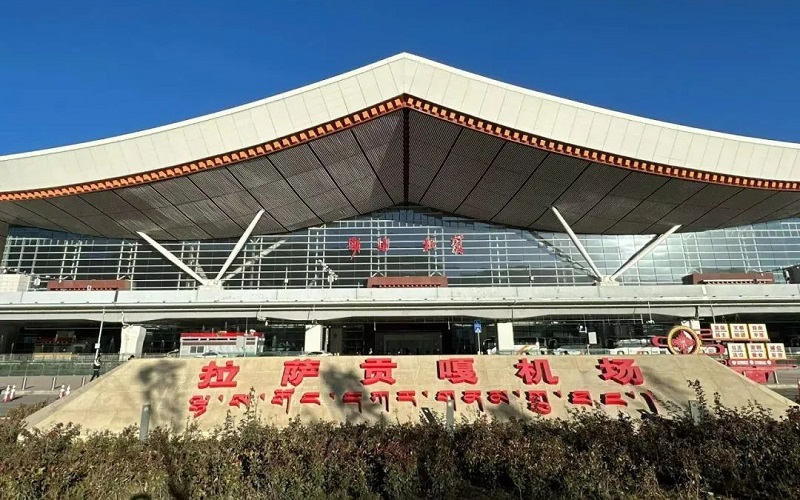
Lhasa: The Heart of the Famous Cities in Tibet
No list of famous cities in Tibet would be complete without Lhasa, the capital and the most visited destination in the region. Sitting at an altitude of roughly 3,650 meters, Lhasa translates to “Place of the Gods” and serves as the epicenter of Tibetan Buddhism. For almost every traveler entering the region, Lhasa is the starting point, both geographically and spiritually.
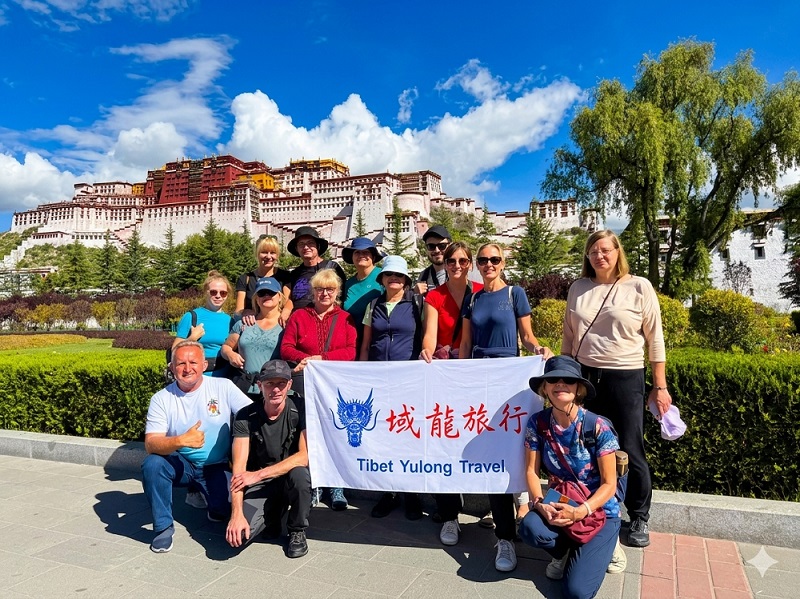
The Potala Palace is the undeniable crown jewel of Lhasa. Once the winter residence of the Dalai Lamas, this architectural marvel rises dramatically above the city skyline. Its red and white facades house thousands of rooms, intricate murals, and sacred stupas. Visitors must book tickets in advance due to daily capacity limits designed to protect the ancient structure. Walking through its dimly lit corridors feels like stepping back in time.
Just a short distance away lies the Jokhang Temple, considered the most sacred temple in Tibet. Pilgrims from all over the plateau travel vast distances to prostrate themselves before its golden roofs. The Barkhor Street circuit surrounding the temple is a vibrant marketplace where locals spin prayer wheels and purchase incense, while travelers can find traditional handicrafts and thangka paintings. Spending time here provides an authentic look into daily Tibetan devotion.
Lhasa also offers modern amenities that ease the transition for visitors adjusting to the high altitude. Numerous hotels, restaurants serving both Tibetan and international cuisine, and medical facilities make it the most comfortable of the famous cities. Taking it slow during your first few days in Lhasa is crucial to avoid altitude sickness, allowing your body to adapt before venturing further into the plateau.
Shigatse: The Second Largest Among the Famous Cities
As the second largest of the famous cities in Tibet, Shigatse holds immense historical and agricultural importance. Located about 270 kilometers west of Lhasa along the Yarlung Tsangpo River valley, Shigatse sits at a slightly higher elevation of around 3,840 meters. It has historically been the seat of the Panchen Lama, making it a vital center of Tibetan Buddhism.
The Tashilhunpo Monastery is the primary reason travelers include Shigatse in their itineraries. Founded in the 15th century, this sprawling complex is easily recognizable by its giant golden Maitreya Buddha statue, one of the largest of its kind in the world. Wandering through the monastery’s courtyards, visitors can observe monks engaged in philosophical debates and witness the intricate preservation of Buddhist texts.
Beyond its religious significance, Shigatse serves as the primary staging ground for expeditions to the northern base camp of Mount Everest. While Everest itself is far from the city center, the route passes through Shigatse, making it an indispensable stop for mountaineers and sightseers alike. The drive from Shigatse toward Everest offers some of the most dramatic mountain scenery on the planet, featuring sweeping valleys and snow-capped peaks.
For those interested in local culture, the Shigatse market offers a less tourist-heavy alternative to Lhasa’s Barkhor Street. Here, you can interact with farmers and artisans who have maintained their traditional ways of life for generations. This authenticity is what elevates Shigatse among the famous cities, providing a quieter, more reflective travel experience.
Nyingchi: The Unique Landscape Among Tibet’s Famous Cities
Nyingchi stands out remarkably when compared to other famous cities in Tibet due to its surprisingly lush geography. Situated in the southeastern part of the region at a relatively low altitude of about 2,900 meters, Nyingchi is often called the “Switzerland of Tibet.” Its lower elevation makes it an excellent entry point for travelers concerned about altitude sickness, as the air is thicker and richer in oxygen.
The landscape here is dominated by dense alpine forests, rushing rivers, and deep gorges. The Yarlung Tsangpo Grand Canyon, one of the deepest canyons in the world, is located near Nyingchi and offers spectacular hiking opportunities. During the spring, the entire region bursts into color as wild peach blossoms blanket the valleys, creating a stark contrast against the backdrop of towering snowy mountains like Mount Namcha Barwa.
Because of its unique climate, Nyingchi supports a diverse range of flora and fauna not found in the arid western parts of the plateau. The Basum Tso Lake, a stunning emerald-green body of water surrounded by pine forests, is a popular day trip from the city center. There is even a small island in the lake featuring an ancient temple, accessible via a floating bridge.
Travelers looking for a softer introduction to the plateau often start their journeys here before moving to higher elevations. Agencies like Tibet Yulong Travel frequently recommend incorporating Nyingchi into itineraries specifically for its scenic diversity and physical accessibility, ensuring a well-rounded exploration of the region’s contrasting environments.
Gyantse: A Historical Gem Among the Famous Cities
Gyantse is one of the smaller yet profoundly significant famous cities in Tibet, renowned for its well-preserved historical architecture and resistance history. Located halfway between Lhasa and Shigatse, it sits at an altitude of approximately 3,977 meters. Historically, Gyantse was a major hub on the trade routes connecting Tibet with Nepal and India, which contributed to its wealth and cultural development.
The Pelkor Chode Monastery and its accompanying Kumbum Stupa are the main attractions. The Kumbum is a massive, multi-tiered chomba (stupa) containing dozens of small chapels, each filled with exquisite statues and frescoes representing different aspects of Buddhist cosmology. Climbing to the top of the Kumbum rewards visitors with panoramic views of the surrounding valley and the imposing Gyantse Dzong (fortress) perched on a rocky ridge above the town.
The Gyantse Dzong itself is a symbol of Tibetan resilience. The fortress played a central role in defending the region against foreign invasions in the early 20th century. Today, it houses a museum detailing this history, offering context that is rarely found in other famous cities. The combination of religious art and military history gives Gyantse a distinct character.
Unlike larger urban centers, Gyantse retains a quiet, rural atmosphere. The pace of life is slower, and the streets are less crowded, allowing travelers to absorb the ancient ambiance without distraction. It remains a favorite stopover for those driving the classic Lhasa-Shigatse route, proving that size does not dictate the cultural weight of these famous cities.
Ali (Shiquanhe): The Remote Frontier of Famous Cities
Ali, with its administrative center in Shiquanhe, represents the extreme frontier among the famous cities in Tibet. Located in the far west of the region at an elevation exceeding 4,200 meters, Ali is not for the faint of heart. It is one of the most remote and sparsely populated areas on Earth, attracting only the most adventurous travelers seeking untouched wilderness and profound spiritual sites.
The primary draw to Ali is Mount Kailash, considered sacred by four major religions: Hinduism, Buddhism, Jainism, and Bon. The kora (pilgrimage trek) around Mount Kailash is one of the most challenging and rewarding treks in the world. Nearby Lake Manasarovar, one of the highest freshwater lakes globally, adds to the spiritual magnetism of the area. Pilgrims believe bathing in its waters cleanses sins from countless lifetimes.
Another highlight is the Guge Kingdom ruins in Zanda County. This ancient civilization mysteriously vanished centuries ago, leaving behind crumbling clay fortresses, hidden caves, and faded murals clinging to the sides of dramatic earth forests. Exploring these ruins feels like discovering a lost world, far removed from the more developed famous cities in the east.
Reaching Ali requires long drives across desolate high-altitude deserts or flights into the small local airport. Due to the extreme altitude and isolation, proper logistical support is mandatory. Organizing transport, permits, and supplies through professional services like Tibet Yulong Travel is highly recommended for anyone attempting to explore this rugged edge of the plateau. The sheer isolation of Ali cements its status as the most adventurous of all the famous cities.
Practical Travel Tips for Visiting These Destinations
Visiting the famous cities in Tibet requires more preparation than a standard vacation. First and foremost, all foreign travelers must obtain a Tibet Travel Permit, which can only be arranged through a registered travel agency. You cannot travel independently in the region; you must be part of an organized tour with a licensed guide.
Altitude sickness is the most common challenge. Regardless of your fitness level, ascending too quickly can cause headaches, nausea, and fatigue. It is advisable to spend your first two to three days resting in Lhasa or Nyingchi, drinking plenty of water, avoiding alcohol, and eating light meals. Medication like acetazolamide can be consulted with a doctor prior to departure.
The best time to visit these famous cities is generally from April to October. During these months, the weather is milder, roads are clearer, and festivals are frequent. Winter travel is possible but comes with freezing temperatures and potential road closures due to snow, particularly on routes leading to Ali or Everest Base Camp.
Packing appropriately is crucial. Even in summer, temperatures drop significantly at night. Layered clothing, UV-protection sunglasses, high-SPF sunscreen, and sturdy walking shoes are essential. Because ATMs can be scarce outside of Lhasa and Shigatse, carrying sufficient cash in local currency is a smart strategy when traveling between the more remote famous cities.
Ultimately, exploring the famous cities in Tibet is a transformative experience that blends physical adventure with deep cultural immersion. By planning carefully, respecting local customs, and utilizing expert guidance, travelers can safely navigate the majestic landscapes and ancient traditions that make this region truly unparalleled.