When travelers dream of the Himalayas, they often picture crowded monasteries or well-trodden trekking routes. However, to truly understand the essence of this high-altitude world, one must look westward. The Fact of Ngari – the Most “Tibetan” Part of Tibet reveals a landscape where time seems to stand still, preserving traditions that have vanished elsewhere. Located in the far western reaches of the Tibetan Plateau, Ngari (Ali) is a vast, sparsely populated territory defined by extreme altitudes, profound spirituality, and raw natural beauty. Unlike more accessible regions, Ngari remains fiercely authentic, offering an unfiltered glimpse into traditional highland life. For those willing to endure the rugged journey, this remote prefecture delivers experiences that transcend ordinary tourism, connecting visitors directly to the historical and spiritual roots of the plateau.
Before diving deeper into this extraordinary region, here are the key takeaways about Ngari:
- Mount Kailash serves as the ultimate pilgrimage center for four major religions.
- The ancient Guge Kingdom ruins reveal a lost civilization hidden in dramatic earth forests.
- Lake Manasarovar and surrounding waters form some of the highest freshwater ecosystems on Earth.
- Nomadic pastoralism remains the dominant way of life across the Changtang wilderness.
- Traveling here requires careful acclimatization and reliable logistical support from experienced operators like Tibet Yulong Travel.
Understanding The Fact of Ngari – the Most “Tibetan” Part of Tibet
To grasp The Fact of Ngari – the Most “Tibetan” Part of Tibet, one must first understand its geography and isolation. Ngari Prefecture sits at an average elevation exceeding 4,500 meters, making it one of the highest inhabited regions on the planet. It borders India, Nepal, and the Xinjiang region, acting as a remote frontier that has historically shielded its inhabitants from rapid modernization. This geographical isolation is precisely what makes Ngari the most authentic representation of traditional Tibetan culture. While other parts of the plateau have adapted to modern infrastructure and mass tourism, Ngari retains a ruggedness that demands respect from all who enter.
The phrase “most Tibetan” does not imply that other regions lack authenticity; rather, it highlights how Ngari preserves the foundational elements of plateau civilization. Here, the ancient Bon religion coexists seamlessly with Tibetan Buddhism. The landscapes are not merely scenic backdrops but living entities deeply woven into local mythology. Every mountain pass, hot spring, and glacial lake carries a story passed down through generations of nomads. Exploring The Fact of Ngari – the Most “Tibetan” Part of Tibet means stepping into a world where human existence is entirely dictated by the rhythms of nature and the devotion of the spirit.
The Spiritual Heartbeat: Mount Kailash and Sacred Geography
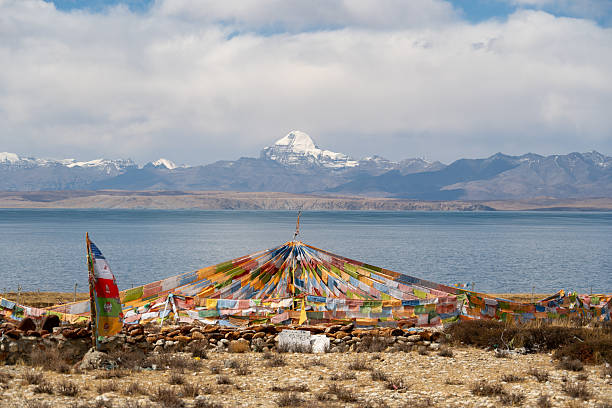
No discussion of Ngari is complete without mentioning Mount Kailash. Rising to 6,638 meters, this striking, pyramid-shaped peak is not the highest in the Himalayas, yet it holds unparalleled spiritual significance. It is revered simultaneously by Hindus, Buddhists, Jains, and followers of the indigenous Bon religion. For Hindus, it is the abode of Lord Shiva; for Buddhists, the home of Demchok; for Jains, the site where their first saint attained liberation; and for Bon practitioners, the axis mundi of the universe.
The kora, or circumambulation route around Mount Kailash, spans approximately 52 kilometers and crosses the Dolma La pass at nearly 5,630 meters. Pilgrims from across Asia undertake this grueling trek, believing that completing the circuit washes away sins and brings them closer to enlightenment. The atmosphere along the trail is charged with devotion, marked by fluttering prayer flags, chanting pilgrims, and prostrating devotees covering the distance inch by inch.
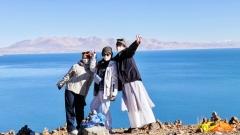
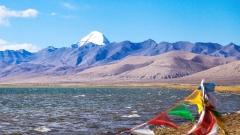
At the southern base of Mount Kailash lies Lake Manasarovar, considered the holiest body of water in the region. Its crystal-clear depths reflect the snow-capped peaks, creating a visual masterpiece that feels almost otherworldly. Nearby Lake Rakshastal, often viewed as Manasarovar’s darker counterpart, adds to the dualistic symbolism prevalent in local theology. Together, these lakes and mountains form a sacred geography that anchors the spiritual identity of the entire plateau, reinforcing why many consider Ngari the ultimate destination for seekers of truth and tradition.
Echoes of Empire: The Guge Kingdom Ruins
Beyond spirituality, Ngari holds immense historical weight, best exemplified by the ruins of the Guge Kingdom. Founded in the 10th century after the collapse of the unified Tibetan Empire, Guge became a vital center for trade, art, and the revival of Buddhism. For nearly seven hundred years, it flourished in the Sutlej River valley before mysteriously vanishing in the 17th century following internal strife and external invasion.
Today, the ruins cling to a steep, honeycomb-like clay hill near Zanda County. The site comprises hundreds of caves, temples, palaces, and defensive walls carved directly into the earth forest landscape. The architecture demonstrates sophisticated engineering designed to withstand harsh winds and freezing temperatures. Inside the remaining chapels, vibrant murals depict scenes of royal life, religious teachings, and celestial beings. These paintings represent a unique artistic style blending Kashmiri, Nepalese, and indigenous influences, providing invaluable insights into the cultural exchanges that once flowed through this remote corridor.
Walking among the crumbling walls of Guge, visitors can almost hear the echoes of merchants trading salt and wool, monks debating philosophy, and kings plotting alliances. The sudden disappearance of such a powerful kingdom remains one of the great mysteries of Himalayan history. Preserving and exploring these ruins helps us understand The Fact of Ngari – the Most “Tibetan” Part of Tibet not just as a spiritual haven, but as a cradle of political and cultural power that shaped the broader region for centuries.
The Raw Wilderness: Lakes, Wildlife, and the Changtang
Ngari encompasses a significant portion of the Changtang Nature Reserve, one of the largest and least disturbed wilderness areas on Earth. This high-altitude steppe is characterized by vast open plains, rolling hills, and scattered saline lakes. The environment is extreme, with temperatures plummeting well below freezing even during summer months, and oxygen levels hovering at roughly half those found at sea level.
Despite these harsh conditions, the Changtang teems with specialized wildlife. Herds of Tibetan antelope (chiru), wild yaks, kiang (Tibetan wild ass), and blue sheep roam freely across the grasslands. Predators such as snow leopards, wolves, and brown bears patrol the rugged terrain. Birdwatchers might spot black-necked cranes, bar-headed geese, and various raptors soaring above the thermals. Observing these animals in their natural habitat, far from human encroachment, offers a humbling reminder of nature’s resilience.
The lakes of Ngari deserve special mention. Beyond Manasarovar, the region hosts numerous stunning bodies of water like Pangong Tso, which stretches across the border into Ladakh. The colors of these lakes shift dramatically throughout the day, ranging from deep sapphire to turquoise and emerald green, depending on sunlight and mineral content. They serve as critical watering holes for migratory birds and grazing grounds for nomadic herds. The sheer scale and emptiness of the landscape evoke a sense of solitude rarely found in today’s interconnected world, making every moment spent here profoundly memorable.
Living Traditions: The Nomads of Western Tibet
The human element of Ngari is defined by its nomadic pastoralists. Unlike agricultural communities in lower valleys, the people of Ngari rely primarily on herding yaks, sheep, and goats. Their lifestyle is intricately tied to seasonal migrations, moving between summer and winter pastures to ensure their livestock has adequate grazing.
Life in a black yak-hair tent is simple yet demanding. Families produce butter, cheese, dried meat, and wool, trading surplus goods for barley and tea. Hospitality is a cornerstone of nomadic culture; travelers passing through are often invited inside for a bowl of salted butter tea and conversation. These interactions provide genuine windows into a way of life that has remained largely unchanged for centuries.
Festivals and gatherings bring scattered families together. Horse racing festivals, religious ceremonies, and seasonal markets transform isolated outposts into vibrant hubs of social activity. Traditional clothing, adorned with turquoise, coral, and amber, reflects both personal wealth and regional aesthetics. Music, dance, and oral storytelling continue to transmit history and values from elders to youth. Witnessing these living traditions firsthand is essential to comprehending The Fact of Ngari – the Most “Tibetan” Part of Tibet, as the people themselves are the true guardians of this heritage.
Practical Realities: Navigating the Roof of the World
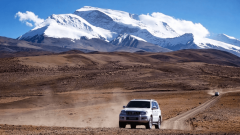
Reaching and traveling through Ngari presents significant logistical challenges. The distances are vast, roads are often unpaved or subject to weather disruptions, and medical facilities are extremely limited. Altitude sickness is a serious concern that requires proper acclimatization strategies, including gradual ascent, hydration, and rest. Visitors must obtain specific permits beyond the standard Tibet Travel Permit, as Ngari borders sensitive international boundaries.
Given these complexities, independent travel is highly discouraged and often impractical. Partnering with a knowledgeable agency ensures safety, compliance with regulations, and access to local insights that enrich the experience. Companies specializing in high-altitude expeditions, such as Tibet Yulong Travel, provide essential services ranging from securing permits and arranging sturdy vehicles to supplying experienced guides who understand the nuances of the terrain and culture. Their expertise transforms a potentially daunting journey into a seamless adventure, allowing travelers to focus entirely on the breathtaking surroundings and meaningful encounters.
Preparation also involves packing appropriately for extreme temperature fluctuations, carrying sufficient supplies for long drives between towns, and maintaining a flexible itinerary to accommodate unforeseen road conditions. Respect for local customs, environmental conservation, and religious sites is paramount. By approaching Ngari with humility and preparation, travelers honor the land and its people while unlocking the deepest rewards this extraordinary region has to offer.