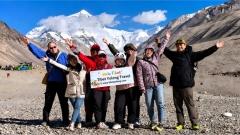
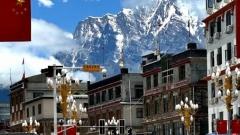
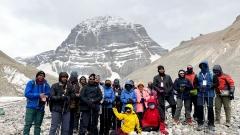
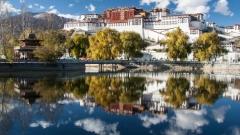
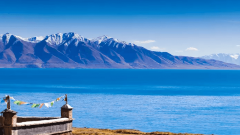
A journey from Lhasa to Yadong is a rewarding way to experience southern Tibet beyond the capital: the road crosses high plateaus, passes Yamdrok Lake and the historic town of Gyantse, then continues through Shigatse toward the forested valleys near the Indian border. This Lhasa to Yadong overland border tour itinerary is designed for travelers who want a realistic route, time to adjust to altitude, and clear guidance on permits and road logistics. The border setting requires careful planning: Yadong is a sensitive frontier area, and access to specific border locations can be restricted or change with local instructions. Build the trip around approved destinations rather than assuming every checkpoint or border viewpoint is open.
- Allow 8–10 days for a comfortable route.
- Acclimatize in Lhasa before driving south.
- Plan stops at Yamdrok Lake, Gyantse, and Shigatse.
- Confirm permits and border-area access before departure.
- Keep flexible time for altitude and road conditions.
Route overview and how much time to allow
Lhasa and Yadong are connected by a long overland route through the Yarlung Tsangpo valley, Gyantse, Shigatse, and the approaches to the Himalayas. The exact driving time depends on the chosen route, weather, roadworks, traffic, and stops. It is not a trip to treat as a single transfer: the elevation, long distances, and sightseeing make overnight breaks important.
For most travelers, 8–10 days is a sensible framework. This allows several nights in Lhasa for acclimatization, time to visit the main cultural sites, and a staged journey south. A shorter itinerary may be possible for travelers already acclimatized, but rushing from Lhasa to higher or more remote areas can increase the risk of altitude illness and leave little room for delays.
A typical route follows this pattern:
- Lhasa: acclimatization and city sightseeing.
- Lhasa to Gyantse: cross the high plateau and visit the Yamdrok Lake region.
- Gyantse to Shigatse: explore the town and continue to Tibet’s second-largest city.
- Shigatse to Yadong: travel south through changing landscapes, with overnight stops planned according to approved access and road conditions.
- Yadong area: explore only destinations cleared for foreign visitors and return by the agreed route.
The itinerary below is a planning template, not a guarantee that every site or road will be available on a given day. A licensed local operator should confirm the route, accommodation, and permissions before travel.
A practical Lhasa to Yadong overland border tour itinerary
Days 1–2: Arrive in Lhasa and acclimatize
Use the first two days to settle into Lhasa, which sits at roughly 3,650 meters above sea level. Keep your schedule light, drink water regularly, eat modest meals, and avoid strenuous exercise or alcohol while adjusting. Even travelers who feel well on arrival can develop symptoms after exertion or during the first night, so do not schedule a demanding excursion immediately.
A gentle first-day walk around central Lhasa can introduce the city without overloading the body. On the following day, visit one major attraction at a relaxed pace, allowing time to rest between stops. The Potala Palace is a landmark of the city, but entry arrangements and visitor rules should be checked in advance. Jokhang Temple and the surrounding Barkhor area offer a different perspective, with active religious life, traditional shops, and busy streets. Follow local etiquette, ask before photographing people, and respect restrictions inside religious spaces.
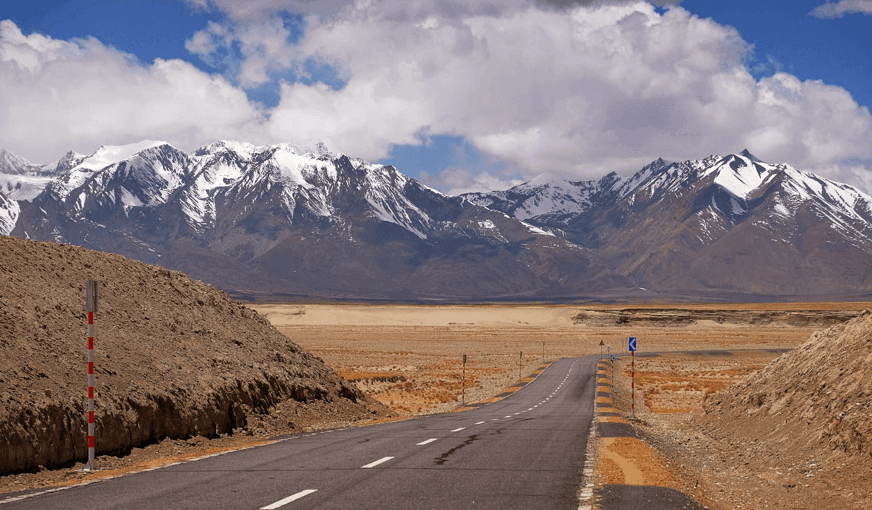
These first days are not wasted time. They form an important part of a safer Lhasa to Yadong overland border tour itinerary, giving your body a chance to adapt before the road climbs to high passes and exposed plateau terrain.
Day 3: Lhasa sightseeing and final preparations
Keep a third day in Lhasa if your schedule allows. This gives you a buffer for rest, weather-related changes, permit checks, and any sightseeing you missed after arrival. Norbulingka and the Tibet Museum are possible additions, depending on opening arrangements and your interests. The best choice is to avoid packing the day with too many stops: altitude adjustment should remain the priority.
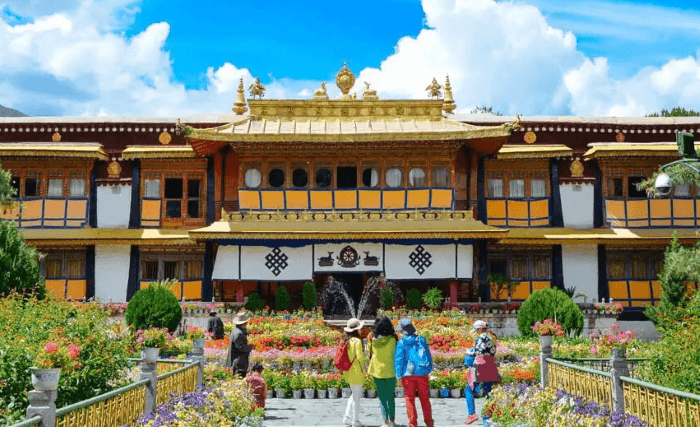
Norbulingka
Use this time to confirm the next stages with your guide or operator. Check that the travel documents and permits required for your specific route are in order, that the vehicle is suitable for the planned roads, and that overnight accommodation is confirmed. Ask whether food and fuel stops are available along the route, and carry snacks and water for stretches where services may be limited.
Pack layers rather than relying on one heavy coat. Conditions can differ sharply between sunny valleys, windy lakeshores, and cold high passes. Sunscreen, sunglasses, a hat, and comfortable walking shoes are useful even when the air feels cool. Keep essential medication in your hand luggage and tell your guide promptly if you feel unwell.
Day 4: Lhasa to Gyantse via Yamdrok Lake
The drive from Lhasa toward Gyantse is one of the most memorable sections of the trip. The route climbs away from the capital and reaches high viewpoints above Yamdrok Lake, a turquoise lake set among rugged mountains. The colors vary with light, season, weather, and viewing angle; take time to enjoy the landscape without assuming that every viewpoint is accessible or suitable for stopping.
The road crosses high terrain, including the Kamba La pass area. At altitude, even a short walk can feel strenuous. Follow your guide’s advice about where to stop, move slowly, and avoid running or climbing around viewpoints. The lake is culturally significant, and travelers should treat the setting respectfully rather than disturbing the shoreline or leaving litter.
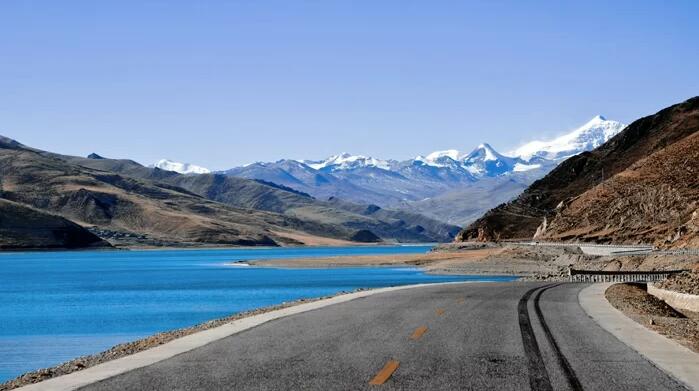
Yamdrok Lake Road
Continue toward Gyantse, a historic town known for its monastery complex and the Pelkor Chöde monastery, including the distinctive Kumbum stupa. If time and access allow, a visit offers an insight into Tibetan Buddhist art and architecture. Gyantse makes a useful overnight stop because it breaks up the journey and avoids turning the day into a long, tiring transfer. Confirm the day’s route in advance, since road conditions and sightseeing time can affect arrival.
Day 5: Gyantse to Shigatse
Spend the morning seeing more of Gyantse, if you did not have enough time the previous day. The old fort area and monastery complex are often the main points of interest, but local entry rules and opening arrangements can vary. Move at an easy pace and keep the schedule flexible, especially if you are still adjusting to altitude.
Then continue to Shigatse, a major city in central Tibet and an important stop on the southern route. The drive is generally less demanding than the high-pass section from Lhasa, but it is still wise to plan breaks and avoid unnecessary exertion. On arrival, settle into your hotel and take time to rest.
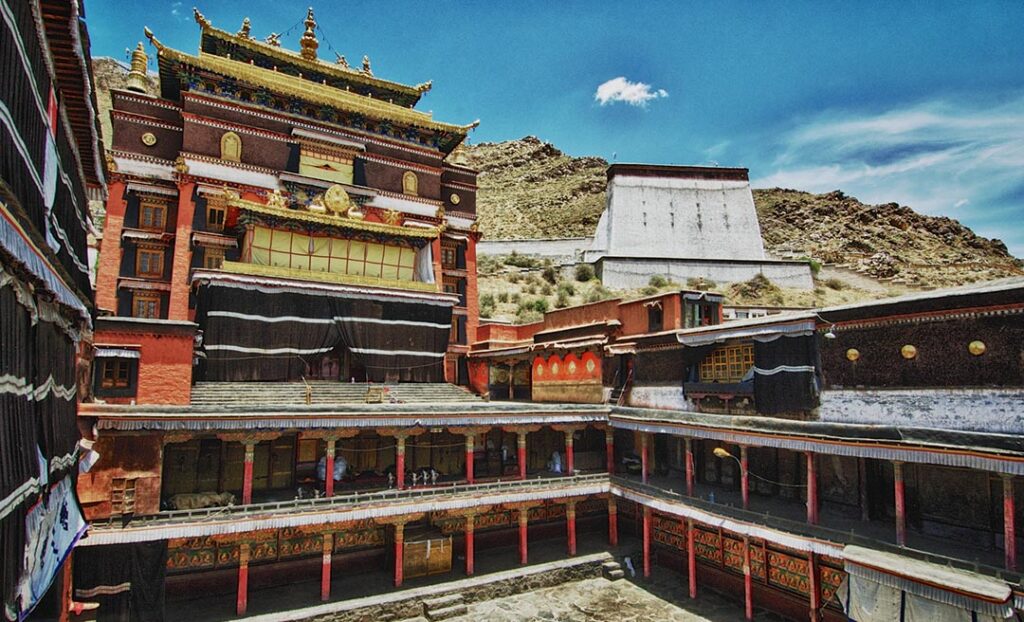
Tashilhunpo Monastery
If conditions and opening hours permit, Tashilhunpo Monastery is a major attraction. It is the traditional seat of the Panchen Lamas and a large working religious complex. Visitors should follow posted rules, dress respectfully, and avoid photographing areas where photography is not allowed. A local guide can explain the site’s history and customs, making the visit more meaningful than a quick walk through the courtyards.
Shigatse is also a practical place to check supplies before heading farther south. Ask your operator about the next day’s driving distance, meal arrangements, and any changes to access requirements. Mobile coverage, fuel availability, and services can be less predictable outside the larger towns, so prepare before leaving.
Day 6: Shigatse to the Yadong region
The drive south from Shigatse takes you away from the broad plateau and toward the Himalayan foothills. The landscape becomes more varied as the route descends and climbs through valleys, settlements, and mountain scenery. Depending on the approved route and travel conditions, the day may involve a long drive. Confirm realistic timing with your driver rather than relying on a map estimate alone.
Yadong County is near a sensitive international frontier. Foreign travelers should not assume that the border itself, a checkpoint, or a particular border road is open for tourism. Access rules may depend on permits, local instructions, security conditions, and the specific area requested. Your tour operator should verify what is currently permitted and build the itinerary around authorized locations. Do not approach restricted installations, photograph security facilities, or continue beyond an approved point without explicit permission.
Overnight arrangements depend on the route that has been cleared and the accommodation available. Keep this part of the schedule flexible. Weather, road maintenance, and local directions may require an earlier stop or a change in the day’s plan. Carry warm layers and basic snacks, and let your guide manage interactions with local authorities or checkpoint personnel.
Day 7: Explore approved Yadong-area destinations
Use this day for the places that have been explicitly cleared for your visit. Yadong is known for a greener, more wooded environment than the open plateau around Lhasa, and the journey itself offers striking contrasts in vegetation and terrain. The exact sites available to foreign visitors can change, so avoid treating any named border location as guaranteed access. Your operator should confirm the approved sightseeing plan before you set out.
If visiting a village or local market is allowed, be considerate and unobtrusive. Ask before taking photographs of residents, homes, or religious activity. Buy locally where appropriate, but do not pressure people to pose or alter their work for a picture. In rural areas, services may be limited, so follow your guide’s advice about meals, toilets, and timing.
A worthwhile day does not have to involve reaching the nearest possible point to the border. Scenic drives, local architecture, mountain views, and time to understand the region can make the visit meaningful while keeping within travel rules. Avoid hiking away from the road or taking unapproved side routes. If the weather changes, prioritize safety and follow the driver’s decision to shorten or modify the day.
Day 8: Return toward Shigatse or continue as approved
Most travelers should plan to begin the return journey rather than assume they can continue onward across the border. International border crossings are governed by separate rules and are not automatically available to tourists on an overland sightseeing trip. Do not book onward transport based on an unconfirmed crossing.
Depending on the approved itinerary, return toward Shigatse or stay at an authorized overnight stop along the way. Breaking up the drive can make the return more comfortable and gives the group room to respond to weather or road delays. If the operator has arranged a different permitted route, follow the confirmed plan and keep your documents accessible.
This day can also serve as a contingency buffer. A flexible schedule is especially useful in remote areas, where changes to road access or local instructions may have a larger impact than they would in a city. Keep your guide informed about how you are feeling; fatigue and altitude-related symptoms can appear even after several days on the road.
Days 9–10: Return to Lhasa and depart
Return to Lhasa according to the route and overnight stops arranged by your operator. Depending on the driving plan, the journey may be divided across more than one day. Avoid scheduling a tight flight connection immediately after a long overland return. A spare night in Lhasa gives you time to recover and helps protect against delays.
If you have an extra day, use it for a relaxed final visit, shopping for practical souvenirs, or a quiet meal. Choose reputable shops and check local rules for items that may not be suitable to take out of the region. Keep travel documents, tickets, and valuables secure, and confirm your departure arrangements with your hotel or guide.
Permits, border rules, and booking arrangements
Travel in Tibet for foreign visitors requires advance planning. The documents and approvals needed depend on nationality, route, and the places included in the itinerary. A Tibet travel permit is generally required for foreign visitors traveling in the region, and additional permissions may apply for areas outside the standard Lhasa route. The exact requirements should be checked with a licensed operator before booking; rules are not something to infer from an old itinerary or another traveler’s experience.
Yadong’s frontier location makes this point especially important. A general permit to visit Tibet does not necessarily authorize access to every border-adjacent site. Ask the operator to confirm in writing which destinations are included, which are currently accessible, and what alternatives are planned if permission is not granted. Keep copies of required documents with you, and follow instructions at checkpoints without arguing or attempting to bypass restrictions.
Foreign visitors generally need to arrange travel in Tibet through an authorized tour operator, with transport and guiding coordinated for the route. Independent driving is not a substitute for the required arrangements. When comparing operators, ask who will handle permits, whether the route has been checked against current local rules, what is included in the price, and how the company responds to itinerary changes.
Tibet Yulong Travel can be mentioned as an option for travelers seeking help coordinating a Lhasa-to-Yadong route, but verify its current licensing, service details, inclusions, and ability to arrange the specific permissions needed before making a booking. Confirm the itinerary and cancellation terms directly rather than relying on an old online description.
Altitude, health, and road safety
Altitude is one of the central considerations on a Lhasa to Yadong overland border tour itinerary. Lhasa is already high, and the route includes higher passes before descending into southern valleys. Individual reactions vary, and physical fitness does not guarantee protection from altitude illness. Spend the initial days resting, avoid intense activity, and tell your guide about symptoms such as headache, nausea, dizziness, unusual fatigue, or breathlessness at rest.
If symptoms become severe or worsen, seek medical help promptly and follow professional advice. Do not continue to a higher elevation simply because the group is on a schedule. Travelers with existing heart, lung, or other significant medical conditions should consult a clinician before the trip and discuss the route’s elevations. Bring any prescribed medicines in their original packaging and carry enough for the journey.
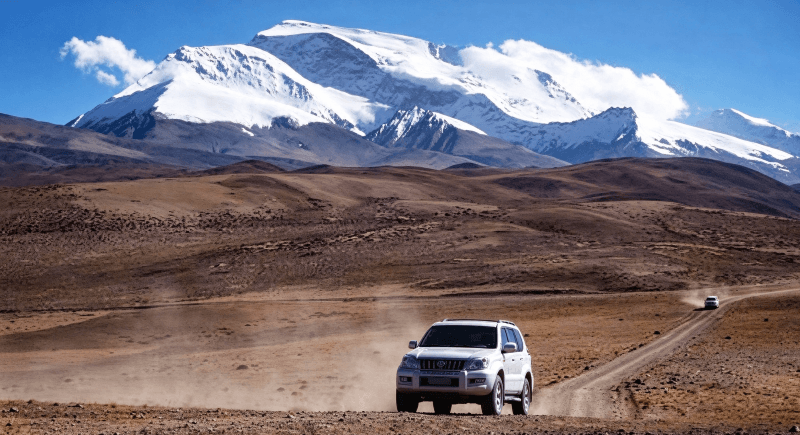
Road safety deserves equal attention. Mountain roads can be affected by snow, rain, landslides, construction, and limited visibility. Use seat belts, avoid distracting the driver, and do not pressure the vehicle to make up lost time. Plan daylight driving where possible, especially on unfamiliar stretches. Your guide and driver may adjust the schedule for safety; treat that as a sensible part of travel rather than an inconvenience.
What to pack for the journey
Pack for several climate zones rather than a single forecast. Useful items include a warm insulated layer, a windproof jacket, comfortable trousers, walking shoes with good grip, sun protection, sunglasses, lip balm, and a refillable water bottle. A small day bag makes it easier to keep essentials with you during stops.
Bring snacks that suit your dietary needs, personal medication, tissues, hand sanitizer, and a basic first-aid kit. Carry cash for places where card payments may not work, but ask your operator about appropriate amounts and local payment options. Keep your passport and permits protected from moisture, and have digital copies stored securely as a backup.
A camera or phone is useful for the scenery, but be mindful of photography restrictions, especially near military or border facilities and inside religious sites. Ask before photographing local people. A respectful approach helps keep interactions comfortable and avoids creating problems for residents or travelers.
Best season and weather planning
The best travel period depends on the conditions along the full route, not just the weather in Lhasa. Spring, summer, and early autumn can offer more manageable road conditions, but mountain weather is variable in every season. Summer can bring rain, while winter conditions may make high passes colder and more difficult. The timing of any trip should be chosen with an operator familiar with current road and access conditions.
Rather than relying on a generic seasonal promise, check forecasts close to departure and ask how the itinerary will adapt if a pass or road becomes unsafe. Keep one or two flexible days where possible. This matters particularly on a border-area journey, where local access decisions can affect the route independently of weather.
Budget and transport considerations
The total cost varies with group size, vehicle type, accommodation standard, guide arrangements, meals, permits, and the number of days on the road. A private vehicle offers more control over stops and pacing, while a shared trip may reduce per-person transport costs but gives you less flexibility. Compare like with like: ask whether the quoted price includes the guide, fuel, accommodation, meals, entrance tickets, and permit coordination.
Do not choose transport solely by the lowest quote. A vehicle suited to high-altitude roads, an experienced driver, clear communication, and a realistic daily schedule are important parts of the trip. Confirm what happens if a route is closed or a requested destination is not approved, including whether the operator proposes an alternative and how changes affect the price.
Practical questions before you go
Can I travel independently from Lhasa to Yadong?
Foreign visitors generally need to arrange Tibet travel through an authorized operator, and the Yadong area may require additional approvals. Confirm the current rules for your nationality and exact route before booking. Do not assume that independent travel or an ordinary Tibet permit covers border-area access.
Is it possible to cross the border from Yadong?
A sightseeing itinerary does not automatically include an international border crossing. Crossing arrangements are governed by separate rules and may not be available to foreign tourists. Confirm any proposed crossing directly with the relevant authorities and your licensed operator before making onward plans.
How many days should I allow?
Allow around 8–10 days for a route that includes Lhasa acclimatization, Gyantse, Shigatse, the Yadong area, and a return journey. Travelers with limited time should discuss the health and driving trade-offs with their operator rather than simply removing acclimatization days.
What if a border-area destination is closed?
Follow local instructions and the guide’s advice. A reliable itinerary should have approved alternatives, such as a permitted scenic route or a return to an earlier overnight stop. Do not attempt to reach a closed area independently.
Is this itinerary suitable for families or older travelers?
It may be suitable for some families and older travelers, but the long drives and high altitude require individual consideration. Ask a medical professional about fitness for high-altitude travel, and request a slower schedule with shorter driving days where possible. Young children and people with relevant health conditions may need additional medical guidance.
The most successful Lhasa to Yadong overland border tour itinerary is one that balances cultural visits, gradual acclimatization, and respect for access rules. Confirm permits and the precise route before departure, travel with a qualified local team, and leave enough flexibility to respond to altitude, weather, and local conditions.