Nyingchi, also written as Linzhi, is a rewarding destination for travelers who want to experience Tibet’s forests, rivers and mountain scenery alongside its distinctive local cultures. At a lower elevation than Lhasa, its main town can feel more comfortable for some visitors, but the wider region includes high passes and remote valleys where altitude still matters. A successful trip depends on choosing a season that suits your route, arranging the required Tibet travel documents, and allowing enough time for road journeys. This guide explains how to Visit Nyingchi, whether you are coming from Lhasa or flying in, and how to make sensible choices about sights, lodging, food and safety. Use the points below as a quick planning checklist before building a detailed itinerary with a licensed local operator.
- Choose spring blossoms or autumn colors.
- Confirm permits and entry rules before booking.
- Allow time for long, scenic road transfers.
- Prepare for changing altitude and weather.
- Travel respectfully in villages and sacred places.
When to Visit Nyingchi
Nyingchi’s landscape changes markedly through the year, so the best time depends on what you hope to see. Spring is popular for peach blossoms, particularly around the lower Yarlung Tsangpo valley and villages near Bomi. Blooming times vary with elevation and weather; avoid treating a fixed calendar date as a guarantee. The flowering period is brief, and popular viewing areas can be busy when conditions are favorable.
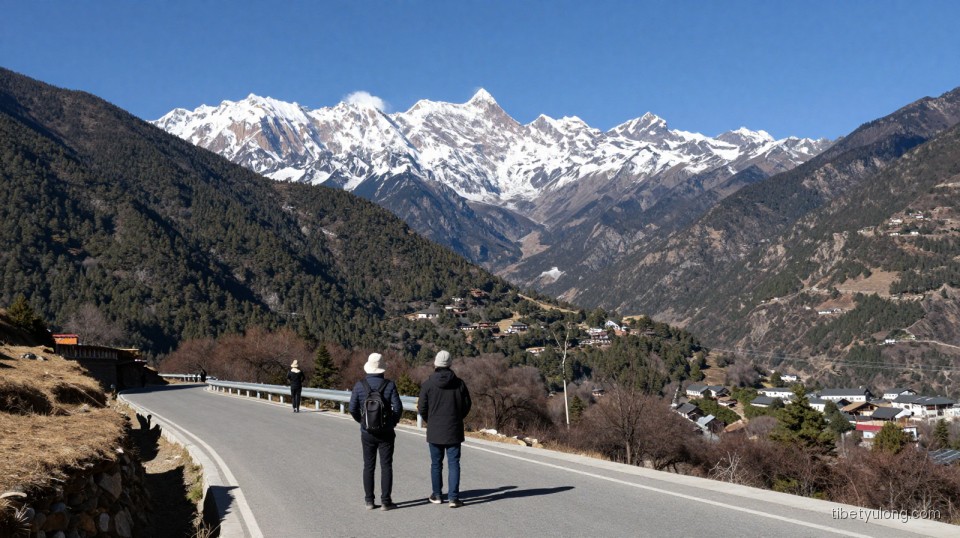
Summer brings greener hillsides and fuller rivers, but rain can affect mountain roads and visibility. Build flexibility into the schedule, especially if your route includes remote valleys or high passes. Autumn often offers clear skies and vivid forest colors, making it a strong choice for photography and overland journeys. Winter is colder and quieter. Some routes and visitor services may be limited by snow, road conditions or seasonal operating schedules, so check locally before setting out.
For many travelers, April to October is the most convenient broad window, but conditions differ from one valley to another. Pack layers in every season: sunshine, wind and rain can arrive within the same day.
How to Get to Nyingchi
By air
Nyingchi Mainling Airport serves the region, with flight availability and schedules varying by season. The airport is in a river valley, and road transfers are needed to reach Bayi District, the region’s main urban center, or other destinations. Check baggage limits, arrival times and ground transport arrangements before confirming a flight. Weather can affect mountain-region aviation, so avoid planning a tight same-day connection to an important onward journey.
By road from Lhasa
Many visitors reach Nyingchi by road from Lhasa. The journey follows the G318 corridor through river valleys and mountain scenery, and travel time depends on road conditions, stops and the exact destination. Rather than treating the drive as a quick transfer, consider making it part of the trip. A private vehicle or organized tour can make it easier to pause at viewpoints and manage luggage, while public transport may require more advance coordination.
Road travel is also the practical way to connect Nyingchi’s scattered attractions. Distances on a map can be misleading: winding roads, weather and altitude may make a short-looking leg take several hours. Confirm driving times with a local operator and avoid overloading the itinerary.
Permits and Travel Arrangements
Foreign visitors to Tibet generally need to arrange the required Tibet Travel Permit through an authorized travel agency and follow the region’s current travel rules. Additional permits or local arrangements may apply for particular border areas or restricted destinations. Requirements can depend on nationality, route and current regulations; confirm them with a licensed operator and the relevant authorities before booking nonrefundable transport.
Travelers should carry the identification and documents requested for their itinerary, and keep copies accessible during transfers. Do not assume that a permit for one route automatically covers every county or border area. If you intend to visit a remote village, nature reserve or frontier destination, ask in advance whether access is permitted and whether a guide or vehicle arrangement is required.
Tibet Yulong Travel can be mentioned as an option for travelers seeking help coordinating a Nyingchi itinerary, transport and permit arrangements. Before paying a deposit, verify the agency’s current authorization, confirm exactly what services are included, and request a written schedule and cancellation terms. Treat the operator as a planning contact rather than a substitute for checking official travel requirements.
Places to Include in a Nyingchi Itinerary
A first visit is easier to plan around one or two areas rather than trying to cover the entire region. Bayi District is a useful base for accommodation, meals and onward transport. Nearby attractions can be combined with a longer journey toward Bomi or the Yarlung Tsangpo valley, depending on the time available and road conditions.
Basum Tso
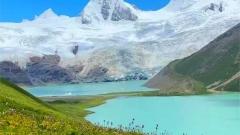
Basum Tso, also known as Draksum Tso, is a lake in Gongbo’gyamda County surrounded by forested slopes and mountains. Visitors commonly explore the lakeside scenery and the small island area, where a monastery adds a cultural element to the landscape. Allow time to walk at an unhurried pace, follow local access rules and check whether weather or seasonal conditions affect the visit.
Bomi and the Yarlung Tsangpo valley
Bomi is known for its mountain scenery, forests and spring blossoms. The route is especially appealing to travelers who enjoy changing landscapes along a road journey. Blossom displays are naturally variable, while rain, cloud and road conditions can change what is visible on any given day. Plan the trip for the overall scenery rather than relying on a single viewing point or exact bloom date.
The Yarlung Tsangpo valley offers dramatic river and mountain views, but access varies by location. Some sections are remote, and not every viewpoint is suitable for an independent stop. Use designated pullouts, follow guide instructions and avoid walking onto unstable slopes or riverbanks.
Lulang and nearby viewpoints
The Lulang area is known for open meadows, forest and mountain views. It works well as a road-trip stop when conditions allow, but visibility is weather dependent. Bring a warm layer even in summer, and do not assume that a clear view will be available throughout the day. A flexible itinerary gives you a better chance to enjoy the landscape without rushing.
A Sample Four-Day Plan
A four-day visit can introduce the main scenery without trying to reach every corner of the region. Use it as a framework, then adjust it to your arrival point, permits and road conditions.
- Day 1: Arrive in Bayi District, settle in and take a gentle walk nearby. Keep the first day light after a flight or long drive.
- Day 2: Visit Basum Tso with a planned return or overnight stop, depending on the route and available lodging.
- Day 3: Travel toward the Lulang area or another accessible viewpoint, allowing time for weather and road stops.
- Day 4: Explore a nearby cultural or natural site, then return to Bayi or continue onward according to your transport plan.
If you have a week, consider adding a carefully planned journey toward Bomi or other permitted destinations. Longer routes should be discussed with a local operator, especially when they involve remote roads or high elevations. Avoid adding multiple distant sites simply to increase the number of stops; time on the road is part of the experience.
Altitude, Health and Road Safety
Bayi District is at a lower elevation than Lhasa, but Nyingchi is not uniformly low. Routes may climb to high passes, and some visitors can develop altitude-related symptoms even when they feel well at first. Plan a gradual schedule, stay hydrated, avoid strenuous activity on arrival and tell your travel companion or guide if you feel unwell. Severe or worsening symptoms need prompt medical attention; do not try to push through them to keep an itinerary on schedule.
Roads can be affected by rain, landslides, snow or maintenance. Wear a seat belt, follow the driver’s safety instructions and avoid requesting roadside stops in unsafe places. If you are self-driving, confirm that your documents, vehicle and route are permitted, and do not drive while fatigued. Keep some schedule margin for delays, particularly before flights or other fixed departures.
What to Pack and Where to Stay
Pack comfortable walking shoes, sun protection, a refillable water bottle, a warm mid-layer and a waterproof outer layer. The high-altitude sun can feel strong even when the air is cool. Bring any personal medication you rely on and keep it in your hand luggage. A power bank is useful on long drives, though mobile coverage can be limited outside towns.
Bayi District offers the most convenient base for transport and everyday services. For a route toward Basum Tso, Bomi or Lulang, ask whether an overnight stay is practical and confirm lodging availability before departure. Facilities can be simpler outside the main urban area. Book according to the route and season, and verify check-in arrangements rather than assuming every property accepts late arrivals.
Food, Etiquette and Responsible Travel
Nyingchi’s food options reflect Tibetan and broader regional influences. You may find noodle dishes, dumplings, yak products and meals featuring local ingredients, alongside familiar Chinese restaurant dishes in town. Menus and availability vary, so let staff know about dietary restrictions clearly. Carry a small snack for long drives, especially when your route passes through areas with few services.
At monasteries and other sacred sites, follow posted instructions, ask before taking photographs and dress respectfully. Do not touch religious objects unless invited to do so. In villages, seek permission before photographing people or entering private land. Keep litter with you until you find a proper disposal point, stay on established paths and avoid disturbing wildlife or collecting plants.
Practical Planning Tips for Visit Nyingchi
To Visit Nyingchi comfortably, first decide whether spring blossoms, autumn scenery or a quieter season matters most to you. Then confirm entry requirements, secure transport and choose a route that matches the time you have. Keep the first day gentle, leave room for weather-related changes and treat estimated driving times as flexible. With thoughtful preparation, Nyingchi can be enjoyed as more than a collection of viewpoints: its rivers, forested valleys, mountain roads and local communities all reward a slower pace.