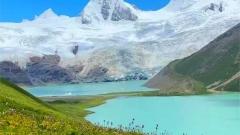
A Kula Kangri viewing tour from Phari Tibet is best approached as a high-altitude journey through the landscapes of southern Tibet, not as a quick detour with guaranteed mountain views. The mountain lies in a remote border region, and visibility depends on weather, route conditions, and the permissions required for travel. Phari, also known as Pagri, is a useful point of reference for planning overland travel in this part of the plateau, but a viable itinerary must be confirmed with a licensed local operator before departure.
- Best for: travelers comfortable with altitude and remote-road conditions
- Starting point: Phari (Pagri), subject to route and access approval
- Key challenge: changing weather and limited services
- Plan around: permits, acclimatization, and flexible timing
- Travel approach: go with an authorized guide and driver
A successful trip depends less on chasing a particular viewpoint than on allowing time, checking access, and treating the landscape with care. This guide explains what to consider when arranging a Kula Kangri viewing tour from Phari Tibet, including realistic expectations, transport, preparation, and photography.
Understanding the Kula Kangri viewing tour from Phari Tibet
Kula Kangri is a major mountain in the eastern Himalaya, in a remote area near the Tibet–Bhutan border region. Its position and the sensitive nature of the surrounding borderlands make travel planning different from visiting a well-developed scenic area. A map may suggest a straightforward line from Phari, but a line on a map does not establish that a road is open to visitors or that a particular viewpoint is accessible.
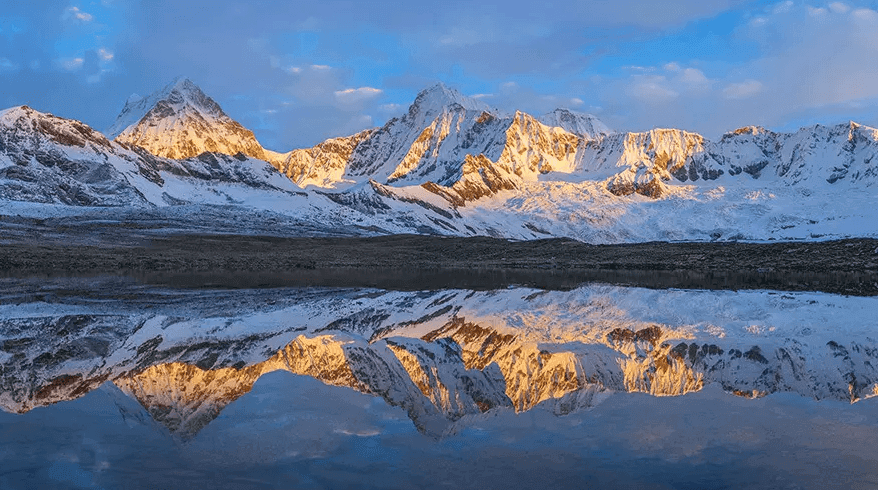
For that reason, treat “viewing tour” as a description of the trip’s aim, not a promise that the summit will be visible or that travelers can reach a specific location. The route, stopping points, and duration should be confirmed locally and in advance. A licensed Tibet travel agency can check the current requirements and propose an itinerary that fits the group’s permits, transport arrangements, and physical condition.
Phari is often written as Pagri in English-language travel materials. It is a high-altitude settlement in Yadong County, close to the border with Bhutan. The area’s open plateau, broad valleys, and distant mountain ranges can make it an appealing base or waypoint for an overland journey, but basic services may be limited compared with major towns. Confirm accommodation, fuel, meals, and road logistics rather than assuming they will be available on arrival.
Why start from Phari (Pagri)?
Phari’s location makes it a practical reference point for travelers exploring the southern Tibetan plateau and nearby valleys. It is not a guarantee of direct access to Kula Kangri. Depending on the authorized route and prevailing conditions, an itinerary may involve substantial driving, overnight stops, and changes to the planned schedule. Your operator should explain which sections are actually permitted and what the day’s driving involves.
The landscape is one reason to travel slowly. From open grassland to mountain-framed valleys, the scenery changes with elevation, cloud cover, and season. On a clear day, distant peaks may be visible from suitable and authorized locations; on a cloudy or snowy day, the same view can disappear. The experience can still be rewarding, but travelers should be prepared for scenery that is more expansive than dramatic, and for long stretches of road between settlements.
Phari is also high enough that altitude deserves serious attention. Spending time there without acclimatization can feel demanding, particularly after arriving from a much lower elevation. Build gradual elevation gain into the broader Tibet itinerary where possible, and do not make a remote mountain outing the first strenuous day of a trip.
Route planning and access requirements
A Kula Kangri viewing tour from Phari Tibet should be organized around verified access rather than a fixed online route. Some parts of Tibet require travel permits and an organized tour arrangement for foreign visitors. Requirements vary according to nationality, destination, and travel conditions, and access to border areas can be restricted or changed. Do not rely on old forum posts, unofficial map pins, or another traveler’s past itinerary as proof that a route is currently open.
Before paying a deposit, ask the travel agency to confirm in writing:
- Which locations the itinerary is authorized to visit
- What permits and travel documents are needed
- Whether the proposed viewpoint is accessible to foreign visitors
- How many hours of driving are expected each day
- Where the group will sleep and whether meals are available
- What happens if weather, road conditions, or access rules change
Carry the documents requested by your operator and follow instructions at checkpoints. Avoid photographing security facilities, checkpoints, or other restricted sites. Do not attempt to cross into Bhutan or approach a border line without explicit legal authorization. The mountain’s proximity to a sensitive frontier is precisely why a reputable operator’s local guidance matters.
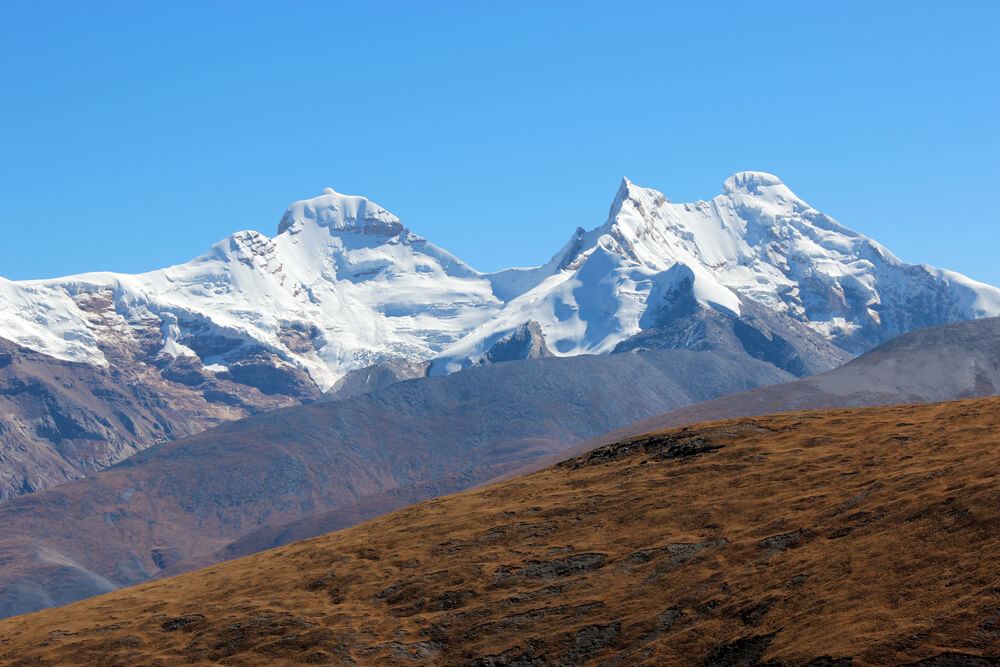
Road conditions can vary widely. A route that is passable in one season may be affected by snow, rain, roadworks, or local restrictions at another time. Ask whether the vehicle is suitable for the itinerary and whether the driver has experience on remote high-altitude roads. A schedule with realistic daily distances is safer and more enjoyable than one that tries to cover too much ground.
Choosing the right season and setting expectations
There is no single season that guarantees a clear view of Kula Kangri. Weather in the Himalaya can change quickly, and mountain cloud may build or clear within the same day. A travel window with generally manageable road conditions can still bring haze, wind, rain, snow, or low cloud. Confirm seasonal advice with an operator who knows the planned route rather than relying on a generic “best month” claim.
In warmer months, roads may be more accessible, but afternoon cloud and rain can reduce visibility. Colder periods can offer crisp air and striking light, while bringing low temperatures, icy sections, and greater exposure to weather disruption. Shoulder seasons can be quieter, yet services and transport options may be less predictable. These are broad patterns, not a forecast for a particular departure date.
Keep the itinerary flexible. If the main viewing point is obscured, your guide may suggest waiting for a change in conditions or enjoying another authorized scenic stop. A day with no summit view is not automatically a failed trip: high-altitude travel also offers wide horizons, village life, changing light, and the experience of crossing a remote region. Avoid operators who promise a guaranteed view, a precise access point, or a fixed travel time without acknowledging local conditions.
Altitude, health, and comfort
Altitude is one of the most important practical considerations. Phari and the surrounding plateau are at high elevation, and visitors can develop altitude-related symptoms even when they are fit. Headache, nausea, dizziness, unusual fatigue, and poor sleep can occur. Severe breathlessness at rest, confusion, difficulty walking, or worsening symptoms require urgent attention; tell your guide immediately and seek medical help rather than continuing toward a viewpoint.
Plan a gradual acclimatization schedule. If your itinerary begins in Lhasa or another lower-altitude location, discuss the pace of ascent with your operator. Take the first days slowly, drink according to your needs, eat regularly, and avoid strenuous activity when you first arrive at high elevation. Alcohol and sedatives can make it harder to recognize or manage symptoms. Ask a qualified clinician before travel if you have a heart or lung condition, a history of altitude illness, or other relevant health concerns. Medication decisions should be made with a medical professional, not based solely on travel advice.
Pack warm layers even if the departure town feels mild. Wind can make exposed viewpoints feel much colder than expected, and temperatures can fall quickly after sunset. Useful items include a windproof outer layer, insulating mid-layer, hat, gloves, sturdy shoes, sunglasses, and sun protection. The high-altitude sun can be intense, including on cool or cloudy days.
Remote travel also means that comfort facilities may be basic. Bring personal medication, tissues, hand sanitizer, a reusable water bottle, and any snacks you rely on. Ask your operator about toilet stops, drinking water, and meal arrangements. A small personal first-aid kit is useful, but it is not a substitute for a clear emergency plan and a guide who knows how to contact local support.
What a responsible itinerary should include
A well-designed Kula Kangri viewing tour from Phari Tibet should balance the stated goal with sensible driving distances and enough time to rest. The exact route cannot be responsibly prescribed without knowing the current access rules, permits, road situation, and travelers’ starting point. Instead, use these planning principles when reviewing a proposal.
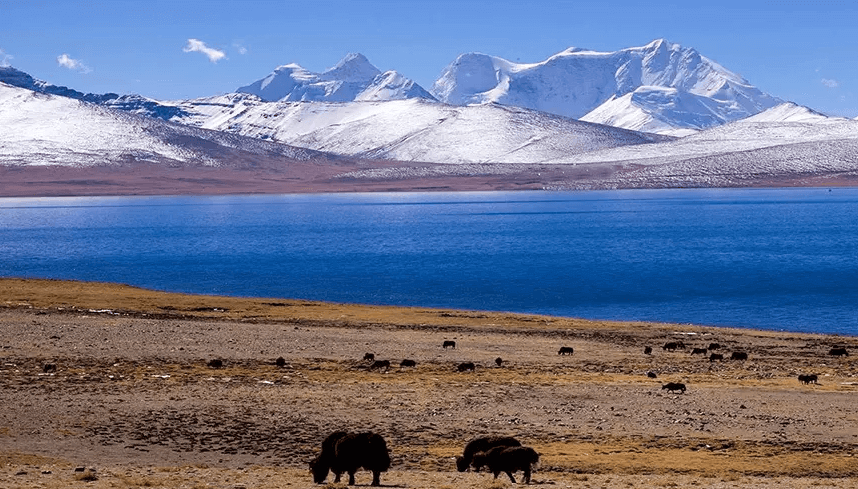
Kula Kangri
First, allow for acclimatization before high or strenuous days. Second, avoid scheduling long drives immediately after arrival at altitude. Third, ask for a backup plan if the intended viewing area is closed or visibility is poor. Fourth, establish how the driver and guide will handle delays, vehicle trouble, or a traveler becoming unwell. Finally, confirm whether the itinerary includes adequate time for meals, water, and rest rather than treating every stop as optional.
Travelers should also be considerate of local communities. Ask before photographing people, homes, or religious sites, and respect a refusal. Keep to authorized roads and paths, do not leave litter, and avoid disturbing grazing animals or wildlife. Carry out everything you bring in, including food wrappers and batteries. In fragile high-altitude environments, even a small amount of waste can remain for a long time.
Photography and viewing tips
Mountain photography rewards patience more than complicated equipment. Carry a camera or phone with sufficient battery power, and keep spare batteries warm in an inner pocket; cold conditions can reduce battery life. A zoom lens can help frame distant ridges, while a wide-angle lens is useful for showing the scale of the plateau and sky. A lightweight tripod is optional, but it can be helpful in low light if the road and viewing conditions allow a safe stop.
The best light may come early or late in the day, but this depends on the route, cloud cover, and the direction of the view. Ask your guide about safe stopping places and never step into traffic, unstable ground, or a restricted area to improve a composition. Avoid spending the whole visit looking through a screen: give your eyes time to take in the landscape, especially if visibility changes quickly.
If the summit is hidden, photograph the layers of cloud, the open valley, or the shifting light instead. Be honest when sharing images and captions. Do not label an unidentified peak as Kula Kangri simply because it appears in the background; ask your guide to help verify what is visible from the location.
Food, lodging, and daily logistics
The facilities available around Phari and along remote routes should be confirmed before departure. Do not assume that restaurants, shops, fuel, or comfortable lodging will be available at every stop. Your operator should outline the overnight plan and explain whether meals are included, arranged locally, or carried by the group. If you have dietary restrictions, communicate them early and bring suitable backup snacks, as choices may be limited.
Keep cash available for small purchases where appropriate, but ask your operator about payment needs and local access before traveling. Mobile coverage and internet access can be unreliable outside larger settlements. Download essential documents and maps for offline use, while remembering that offline navigation does not replace local permission or a knowledgeable guide.
A day bag should hold water, snacks, warm clothing, sun protection, medication, identification, and charging equipment. Keep important documents secure and accessible for checks. Pack light enough that luggage can be handled easily, but do not sacrifice essential cold-weather gear for a remote trip.
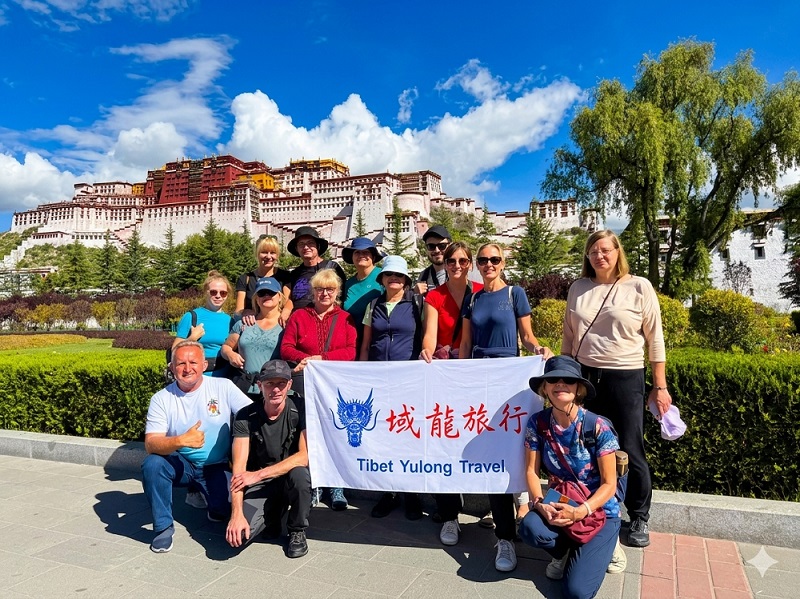
Booking with Tibet Yulong Travel
Travelers considering Tibet Yulong Travel can use the same checks they would apply to any agency organizing a remote Tibet itinerary. Ask whether the company can arrange the required permits for your nationality and proposed route, and request a clear written itinerary. The plan should distinguish confirmed stops from alternatives, describe expected driving times, explain accommodation and meal arrangements, and identify what is not included in the price.
For a Kula Kangri viewing tour from Phari Tibet, ask specifically how the agency verifies access to the proposed viewing area. Request an explanation of the plan if a road is closed, weather prevents a safe stop, or a permit does not allow the planned visit. A responsible operator should be transparent about uncertainty and should not represent restricted access as guaranteed.
Share relevant medical information before booking, especially concerns related to altitude or mobility. Confirm the cancellation and change terms, the vehicle arrangements, the guide’s role, and how the group can contact the operator during the trip. These practical questions help you compare tours on safety and clarity rather than on a headline price alone.
A practical packing checklist
- Passport and travel documents requested by your operator
- Warm layers, including a windproof outer jacket
- Gloves, a warm hat, and comfortable walking shoes
- Sunglasses, sunscreen, and lip protection
- Personal medication and a small first-aid kit
- Water bottle, snacks, and any dietary essentials
- Power bank, charging cables, and spare camera batteries
- Cash and offline copies of important information
- A small bag for carrying out your rubbish
A Kula Kangri viewing tour from Phari Tibet is most rewarding when planned with patience and realistic expectations. Confirm the route and permissions, allow time to adjust to altitude, and leave room for weather and road conditions to shape the day. With a responsible operator and a flexible itinerary, the journey can offer a meaningful look at southern Tibet’s high plateau landscapes, whether or not the mountain is fully visible.