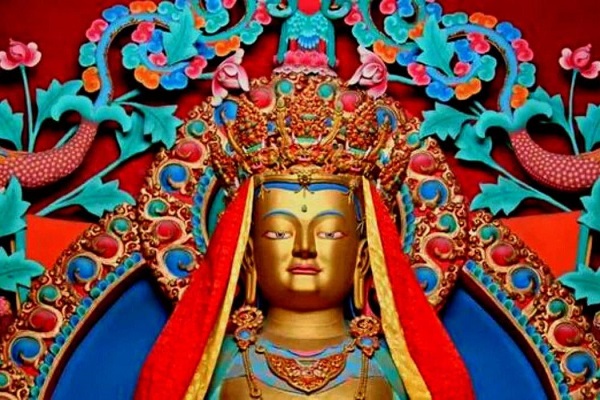
Tibetan Buddhist art brings together a wide range of enlightened figures, protectors, teachers, and symbolic forms. The phrase “12 Tibetan Deities” is useful for exploring some of the best-known figures, but it does not name a single fixed or universally recognized group: different schools, rituals, and artworks emphasize different deities. This guide introduces twelve important figures and explains the meanings commonly associated with them, while noting that interpretations can vary by lineage and context. It also offers practical guidance for viewing sacred images respectfully, whether you encounter them in a monastery, museum, or Tibetan cultural setting. The goal is not to reduce complex religious traditions to a checklist, but to help visitors recognize recurring figures and approach their imagery with curiosity and care.
- A flexible guide: The twelve figures are not a canonical set.
- Different roles: They include buddhas, bodhisattvas, protectors, and teachers.
- Look for symbols: Color, posture, and objects help identify figures.
- Respect the setting: Sacred images are part of living traditions.
- Travel thoughtfully: Ask before photographing or entering ritual spaces.
How to understand the 12 Tibetan Deities
Tibetan Buddhism includes many buddhas and bodhisattvas, as well as protective deities, teachers, and figures associated with particular practices. Their images are not simply portraits. A hand gesture, implement, color, or companion figure may communicate a specific teaching or spiritual quality. The same figure can also appear in different forms across texts and artistic traditions.
For this article, “12 Tibetan Deities” is an editorial selection of widely encountered figures, not the name of a formal pantheon. Some are central to Tibetan Buddhist practice; others are revered across broader Buddhist traditions and have especially important roles in Tibetan art and devotion. When identifying a figure, use labels supplied by a monastery, museum, or knowledgeable guide rather than relying on appearance alone.
1. Shakyamuni Buddha
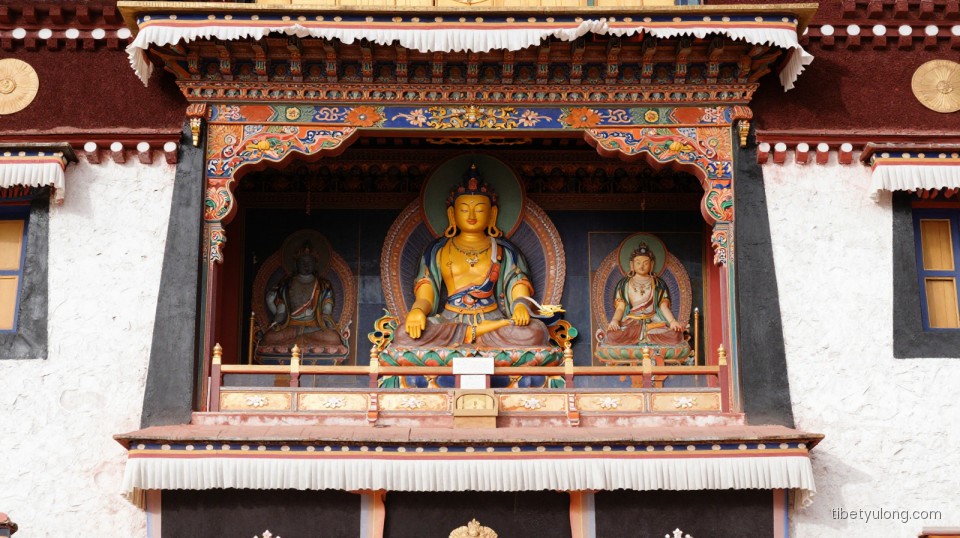
Shakyamuni is the historical Buddha, Siddhartha Gautama, whose teachings form the basis of Buddhism. He is often shown seated in meditation, with one hand reaching toward the ground in the earth-touching gesture. This gesture refers to his awakening and the earth’s witness to it. Images may also show a begging bowl or the signs traditionally associated with a buddha.
2. Avalokiteshvara
Known in Tibetan as Chenrezig, Avalokiteshvara embodies compassion. Images may show two arms or many arms, with the latter suggesting the ability to help beings in many ways. A lotus or a rosary may appear among his attributes. The well-known six-syllable mantra associated with Chenrezig is central to many Tibetan Buddhist communities, though practices and explanations differ.
3. Tara
Tara is associated with compassionate activity and the swift response to difficulties. Green Tara is commonly depicted with one leg extended, suggesting readiness to act, while White Tara is often linked with long life and healing. These are broad associations rather than a complete account of Tara’s many forms and practices.
4. Manjushri
Manjushri represents wisdom. He is often shown holding a sword that cuts through ignorance and a text associated with the perfection of wisdom. In Tibetan art, the sword is symbolic, not a sign of worldly violence. His image encourages viewers to understand wisdom as discernment and insight.
5. Vajrapani
Vajrapani is associated with power and the protection of the Buddha’s teachings. He may appear in a dynamic, wrathful form, holding a vajra, a ritual symbol of indestructible awakened energy. A fierce appearance in Buddhist art does not necessarily signify evil; it can express forceful compassion or the subduing of obstacles.
6. Vajrasattva
Vajrasattva is connected with purification and the restoration of clarity. He is often depicted in peaceful form, holding a vajra and a bell. These ritual objects carry layered meanings in Vajrayana Buddhism. Vajrasattva practices belong to specific teachings and lineages, so visitors should not assume that an image alone explains how a practice is performed.
7. Amitabha Buddha
Amitabha is the Buddha associated with Sukhavati, commonly called the Pure Land of Bliss. He is usually shown in a calm, seated posture, sometimes holding a bowl. Devotional traditions focused on Amitabha are found across several Buddhist cultures, including Tibetan communities. His image may appear in paintings, shrine rooms, and memorial contexts.
8. Medicine Buddha
The Medicine Buddha, known as Bhaisajyaguru, is associated with healing and the alleviation of suffering. He is often depicted with a blue body and a bowl or medicinal plant. This imagery reflects Buddhist aspirations for well-being, but it should not be mistaken for a substitute for professional medical care.
9. Palden Lhamo
Palden Lhamo is a prominent female protector deity, particularly important in some Tibetan Buddhist institutions. Her imagery can be intense and may include a mount and protective attributes. Details vary across artistic traditions. Because protector figures are connected with specific religious contexts, it is best to learn about them from informed interpreters rather than treating them as decorative characters.
10. Mahakala
Mahakala is a major protector figure represented in several forms. He is often shown with a wrathful expression and surrounded by symbolic elements that communicate the transformation of obstacles. There is no single image that represents every Mahakala tradition, and his role can differ according to lineage and practice.
11. Padmasambhava
Padmasambhava, also called Guru Rinpoche, is remembered as a key master in the introduction and establishment of Buddhism in Tibet. He is often portrayed wearing a distinctive hat and holding a vajra and a skull cup. Accounts of his life combine historical memory, religious biography, and sacred tradition; local explanations may emphasize different aspects.
12. Tsongkhapa
Tsongkhapa was a Tibetan scholar and teacher who founded the Gelug school in the late fourteenth century. He is typically shown wearing the yellow pandita hat associated with the school and flanked by disciples or symbols of learning. Unlike the buddhas and bodhisattvas in this list, Tsongkhapa is a historical religious master, though he is deeply revered in devotional settings.
Reading symbols in Tibetan Buddhist art
A figure’s identity is often conveyed through a combination of features rather than one defining detail. A lotus can suggest purity; a book may refer to wisdom or scripture; and a vajra can signify indestructible awakened qualities. Colors may carry established associations, but they are not a simple code that works identically in every painting. Artists, lineages, and ritual settings influence how a figure is represented.
Posture also matters. A seated figure may convey meditation or teaching, while a standing or dynamic posture may suggest activity. Multiple arms can represent the capacity to perform many kinds of compassionate action, not an attempt at naturalistic anatomy. Wrathful forms require particular care in interpretation: their expressions and attributes are religious symbols, and they should not be reduced to horror imagery or assumed to represent harmful forces.
Viewing sacred images respectfully
When visiting a monastery or shrine, follow posted rules and the guidance of local staff. Ask before taking photographs; some interiors prohibit photography, and a permission to photograph a building does not automatically include permission to photograph worshippers or rituals. Keep your voice low, avoid blocking people who are praying, and do not touch statues, offerings, or ritual objects unless explicitly invited to do so.
Dress modestly and observe local customs about footwear, movement, and circumambulation. Practices can differ from one institution to another, so a guide’s instructions matter more than general assumptions. If you are unsure what a figure represents, ask an appropriate guide or attendant. An open question such as “Could you tell me about this image?” invites context without presuming that every community explains the deity in the same way.
Planning a cultural visit in Tibet
Travel in Tibet is shaped by altitude, weather, transport, and local access arrangements. Build time into an itinerary for acclimatization, and seek current guidance from qualified local operators before setting out. Requirements for visiting particular areas can change, so confirm them through reliable, up-to-date channels rather than relying on old travel posts.
For travelers interested in Tibetan religious art, a knowledgeable local guide can add context that labels and photographs cannot provide. Tibet Yulong Travel may be one option to investigate when comparing local travel services; confirm its current offerings, credentials, routes, and access arrangements directly before booking. Regardless of provider, choose an itinerary that allows unhurried visits and respects the rules of religious sites.
Learning about the 12 Tibetan Deities is most rewarding when names and symbols are treated as an introduction, not a complete explanation. These figures belong to living traditions with diverse histories and practices. Taking time to observe carefully, listen to local perspectives, and follow site etiquette makes a visit more informative—and more respectful.