Mount Everest draws travelers for more than its record-breaking height. The mountain—known as Chomolungma in Tibetan and Sagarmatha in Nepali—stands on the Nepal–Tibet border, and visitors can experience its scale without attempting a climb. A trip may mean driving across the Tibetan Plateau to Everest Base Camp, trekking through Nepal’s Khumbu region, or viewing the summit from a lower-altitude vantage point. Each option involves different permits, logistics, acclimatization needs, and levels of physical effort. Before choosing a route, consider how much time you have, how you respond to altitude, and whether you prefer road travel or hiking. This guide covers the main ways to see Mount Everest, what planning usually involves, and how to make the journey more comfortable and respectful of local communities and fragile high-altitude environments.
- Choose Tibet or Nepal
- Check permits before booking
- Allow time for altitude adjustment
- Pack for cold, changing weather
- Travel with local guidance
Mount Everest at a glance
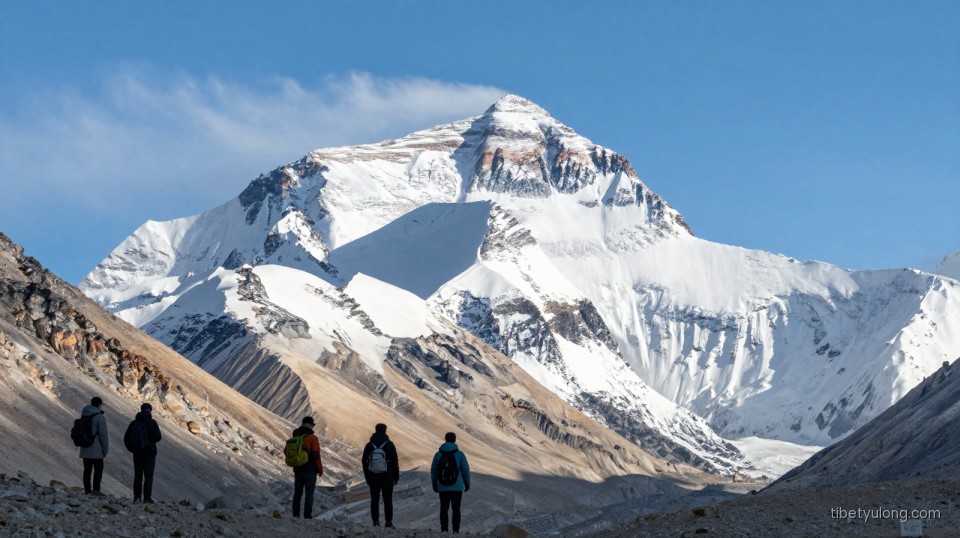
Mount Everest is the world’s highest mountain above sea level, rising to 8,848.86 meters (29,031.7 feet) according to the jointly announced height of China and Nepal. Its summit lies along the international boundary, but the most familiar visitor experiences are on separate sides of the mountain. On the north, travelers reach the Everest region of the Tibet Autonomous Region, China; on the south, trekkers enter Nepal’s Sagarmatha National Park and Khumbu Valley.
The distinction matters for trip planning. The Tibetan-side route is commonly associated with road access to the Everest Base Camp area and broad views across the plateau. Nepal’s best-known approach is a multi-day trek through Sherpa settlements, forests, suspension bridges, and high valleys. Neither route guarantees a clear view: cloud, wind, and changing weather can hide the summit, even when conditions appear promising elsewhere.
Choosing a side: Tibet or Nepal
Visiting Mount Everest from Tibet
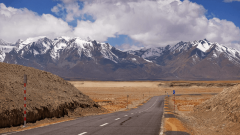
The north-side journey is a strong option for travelers who want to see the mountain without committing to a long trek. The route typically travels overland from Lhasa through high-altitude towns and mountain passes toward the Everest region. Depending on current access rules and the itinerary, visitors may reach a designated base-camp viewpoint or nearby accommodation area. The exact arrangement can change, so confirm details with an authorized local operator before booking.
Lhasa itself sits at roughly 3,650 meters (11,975 feet), and the road continues to higher elevations. Build in time to rest and acclimatize rather than treating the drive as a quick excursion. A private vehicle or organized small-group tour can simplify transport and checkpoints; independent travel is restricted in parts of Tibet, and foreign visitors generally need to arrange travel through an authorized agency. Permit requirements and operating conditions can vary by nationality and travel date, so verify them well in advance.
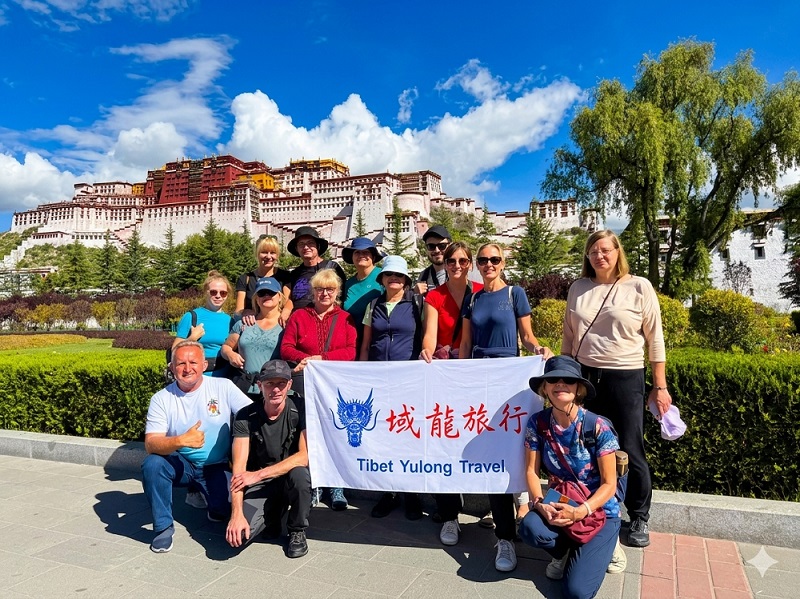
Travelers researching a Tibet itinerary may encounter Tibet Yulong Travel, a local travel service that can be considered when comparing operators. Ask any provider for a clear itinerary, permit arrangements, vehicle details, accommodation standards, altitude schedule, cancellation terms, and the name of the guide. Confirm current requirements directly before paying, and make sure the proposed route matches your fitness and acclimatization needs.
Visiting Mount Everest from Nepal
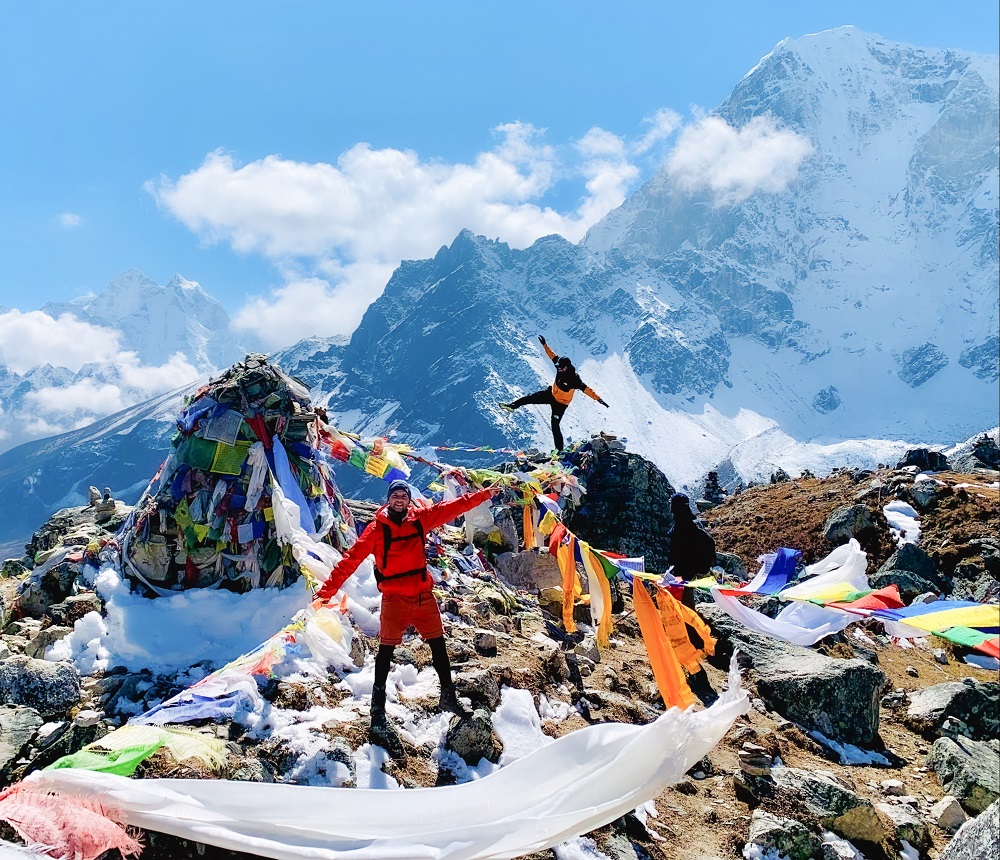
On the Nepal side, most visitors trek through the Khumbu region, often flying from Kathmandu to Lukla before walking toward Namche Bazaar and higher villages. The route commonly includes places such as Tengboche, Dingboche, and Gorak Shep, with a hike to the Everest Base Camp area or a viewpoint such as Kala Patthar. The precise itinerary depends on weather, trail conditions, acclimatization, and the trekker’s pace.
This is a demanding high-altitude trek, not a casual walk. Many itineraries take around two weeks on the trail, plus travel days and contingency time, though schedules vary. Accommodation is usually in teahouses along the main route, with simpler facilities at higher elevations. Lukla flights are weather-dependent, so leave room for delays and avoid scheduling an important international connection immediately after the trek.
Nepal’s route offers close contact with mountain communities and a gradual progression on foot, but it also requires sustained effort and careful attention to altitude. A licensed guide can help with local logistics, trail decisions, and recognizing signs of illness. Check current park-entry, local registration, and guide requirements with reliable local authorities or an established operator before departure, as rules can change.
Permits, transport, and booking
Permit arrangements differ substantially between the two sides. Tibet travel may require a Chinese visa as applicable to the traveler’s circumstances, a Tibet Travel Permit, and additional permissions for areas on the itinerary. These are typically handled through an authorized travel agency, and travelers should not assume that holding a visa alone is enough. Nepal trekking generally involves the relevant national park or conservation-area entry arrangements and any applicable local registration or guide rules. Requirements should be checked close to departure through official channels or a reputable operator.
For either route, share your passport details only with a provider whose identity and role you have verified. Get written confirmation of what is included—such as permits, transport, lodging, meals, and guide services—and what happens if weather or access restrictions disrupt the plan. Mountain travel is especially vulnerable to road closures, flight interruptions, and sudden changes in conditions.
Best time to visit Mount Everest
Spring and autumn are popular periods for visiting the Everest region, but conditions vary by side and altitude. In Nepal, spring generally brings milder trekking conditions, while autumn often follows the summer monsoon and can offer clearer mountain views. Winter is colder and some high-altitude services may be limited. During the monsoon, rain, cloud, and trail disruption can affect travel, especially at lower elevations.
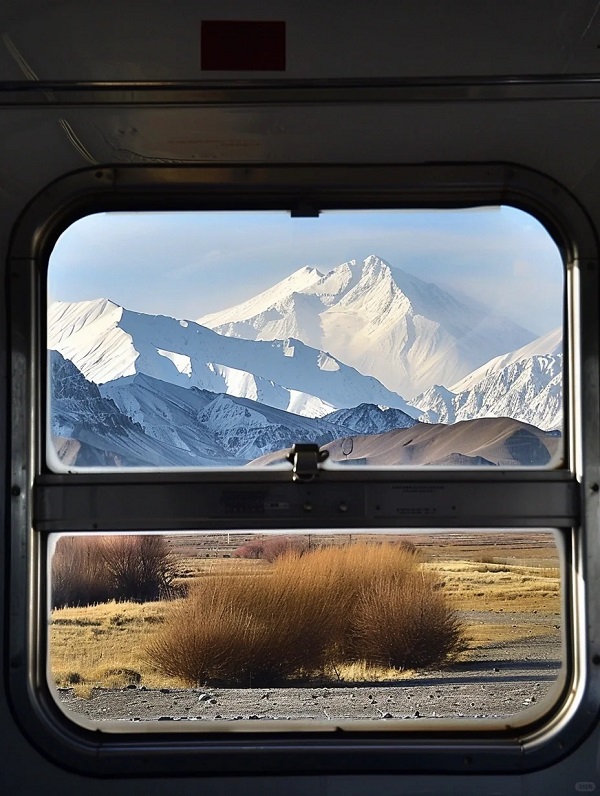
On the Tibetan side, the plateau can be dry and sunny while still feeling cold, windy, and exposed. Daytime warmth does not rule out freezing temperatures after sunset. Rather than relying on a single “best month,” compare expected temperatures, road and flight reliability, local access, and your tolerance for crowds. Ask your operator about conditions for the exact route and dates, then keep the itinerary flexible enough to accommodate weather.
Altitude and health preparation
Altitude is the central safety consideration on a Mount Everest trip. Headache, nausea, unusual fatigue, dizziness, and poor sleep can occur as the body adjusts. More serious altitude illness can become life-threatening. Ascend gradually where possible, follow planned rest days, stay hydrated, and avoid pushing through worsening symptoms. If someone develops severe breathlessness at rest, confusion, loss of coordination, or rapidly worsening symptoms, seek urgent medical help and descend if advised.
Consult a healthcare professional before travel, especially if you have a heart or lung condition, are pregnant, or have previously experienced altitude illness. Ask about appropriate medication and whether your personal health makes the itinerary suitable. Travel insurance should explicitly cover the activities and elevations on your plan, including evacuation where relevant; read exclusions rather than assuming ordinary coverage applies.
Carry any personal prescriptions in their original packaging, along with a basic first-aid kit and sun protection. A pulse oximeter may provide additional information but cannot diagnose altitude illness or replace clinical assessment. On a trek, tell your guide or travel companions how you feel instead of hiding symptoms to keep pace.
What to pack
Pack in layers, because a sunny afternoon can shift quickly to cold wind or snow. Useful essentials include a warm insulated jacket, thermal base layers, windproof outerwear, gloves, a hat, sturdy broken-in footwear, and several pairs of warm socks. For trekking, bring a comfortable daypack, water bottles or a hydration system, and a method of treating water suitable for your route.
High-altitude sunlight is intense. Bring sunglasses with strong UV protection, sunscreen, lip balm, and clothing that covers exposed skin. A headlamp, power bank, and spare batteries are useful where electricity is limited or unreliable. Keep important documents, medications, and a change of warm clothing accessible rather than buried in checked luggage. Your operator or trekking guide can advise on gear rental and the specific conditions expected along the itinerary.
Responsible travel in the Everest region
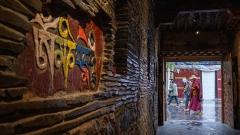
Everest is not an empty wilderness. The surrounding valleys are home to communities with distinct languages, traditions, and livelihoods, and the mountain holds deep cultural significance. Ask before photographing people, follow local guidance at monasteries and sacred sites, and avoid treating religious objects or ceremonies as props. Choose locally run services where practical and pay fairly for guides, porters, drivers, and other workers.
Carry out your waste, use refillable bottles when safe treatment is available, and follow rules for sanitation and fires. On trekking routes, respect trail signs and do not pressure staff to travel in unsafe weather. A slower, better-prepared visit is often more rewarding than trying to fit every viewpoint into a tight schedule—and it is safer for both travelers and the people supporting the journey.
How to build a realistic itinerary
Start by deciding whether you want a road-based visit from Tibet or a walking journey through Nepal. Then work backward from the required permits, travel time, and acclimatization schedule. Add at least some flexibility for weather and transport disruptions, particularly if your route includes flights or remote roads. Share your health concerns and fitness level with the operator before confirming, and make sure the daily elevation changes are clearly explained.
Mount Everest can be experienced in many ways, from a distant viewpoint to a challenging trek. Matching the route to your time, health, and travel style is the most useful first step. With careful preparation, realistic expectations, and respect for local guidance, the journey can be meaningful even when clouds obscure the summit.