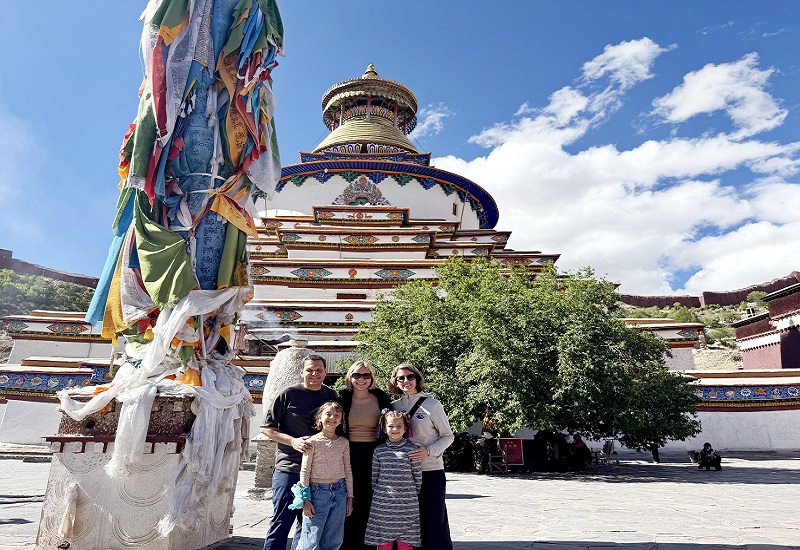
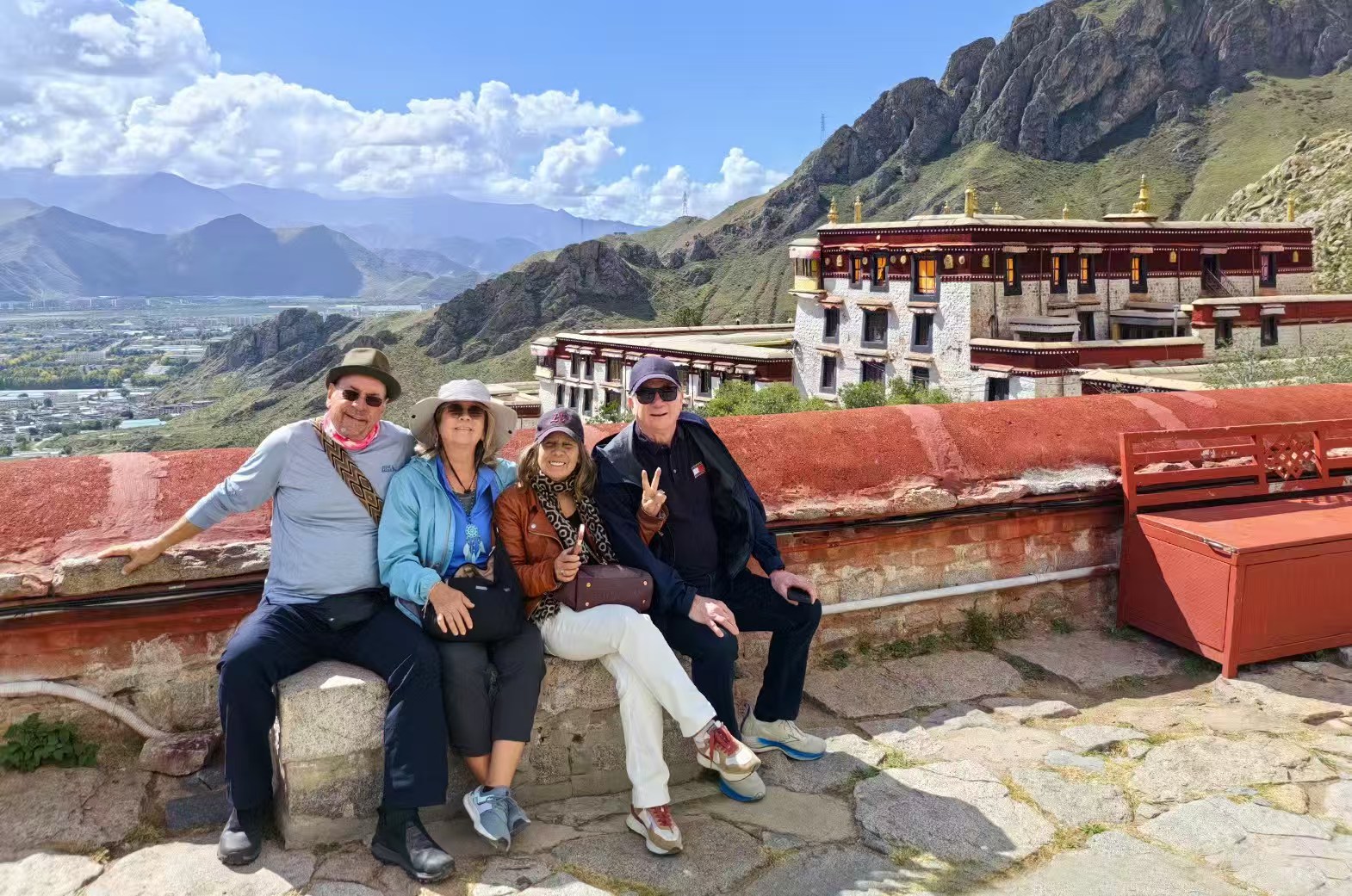
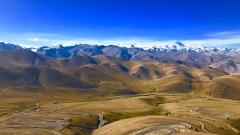
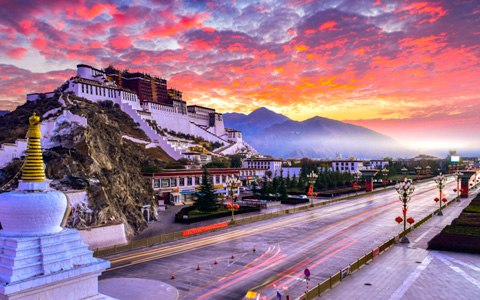
A Kathmandu to Lhasa flight is one of the quickest ways to travel between Nepal and Tibet, crossing the Himalayas before landing on the Tibetan Plateau. It can be a striking journey, but it is not simply a regular international flight: schedules may change, entry requirements are specific, and travelers need to prepare for the altitude on arrival. Use this guide to understand how the route works, what to arrange before departure, and how to make the first hours in Lhasa more comfortable.
- Route: Direct services may operate, but availability can vary.
- Documents: Tibet entry arrangements must be confirmed before travel.
- Altitude: Lhasa is high; plan a gentle first day.
- Airport: Gonggar Airport is outside the city center.
- Best approach: Verify flights and permits with your travel operator.
How the Kathmandu to Lhasa Flight Works
The Kathmandu to Lhasa route connects Tribhuvan International Airport in Nepal with Lhasa Gonggar Airport in Tibet. Direct flights have operated on this route, but frequency and availability are subject to airline schedules, season, and operational changes. Do not assume a particular departure runs every day. Confirm the current itinerary with the airline or a licensed travel agency before booking other parts of your trip around it.
When a nonstop service is available, flying is generally much faster than traveling overland. A direct flight takes roughly an hour and a half in the air, though the full journey includes check-in, immigration, boarding, and arrival formalities. If no suitable direct flight is operating on your dates, an itinerary with a connection may be possible, depending on airline schedules and transit rules. Check whether the connection requires an airport change, an overnight stay, or additional entry documents.
The flight is international: you depart Nepal and enter China’s Tibet Autonomous Region. That means your passport, visa requirements, Tibet travel documents, and flight booking must all align. Requirements can depend on nationality and itinerary, so treat general online information as a starting point rather than a substitute for confirmation from the relevant authorities or your travel organizer.
What You May See from the Window
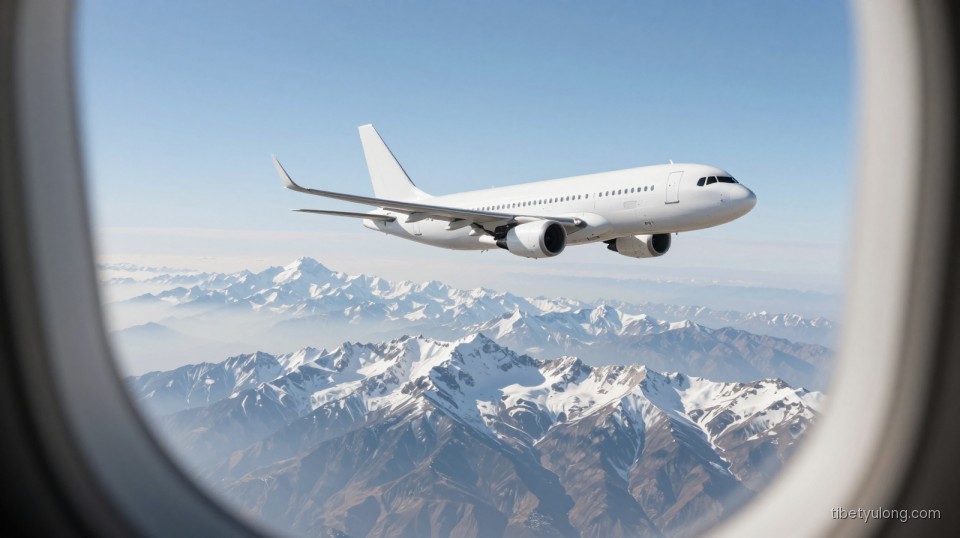
On clear days, the route can offer views of Himalayan peaks and high mountain terrain. Visibility is never guaranteed. Cloud cover, haze, flight path, aircraft type, and seat location all affect what you can see. A window seat may improve your chances of enjoying the scenery, but it is best not to choose a side based on an assumption that a particular mountain will always appear in view.
Keep your camera ready only when conditions permit, and follow crew instructions about electronic devices and window shades. If the weather obscures the mountains, the flight remains a practical way to cross between the two destinations. The scenery is a bonus, not a reliable feature of every departure.
Documents and Tibet Entry Arrangements
Prepare your travel documents well before the travel date. Foreign visitors to Tibet generally need arrangements made in advance through an authorized travel agency, and independent travel is restricted. The exact documents and process can vary by nationality and itinerary. Your operator should explain which permits are required, how they will be handled, and what you must carry to board and enter the region.
Before confirming a Kathmandu to Lhasa flight, ask the agency and airline to check that your name, passport details, and travel dates match across the booking and permit paperwork. A mismatch can cause delays or prevent boarding. Carry your passport and required travel documents in your hand luggage; do not pack them in checked baggage.
Visa rules are separate from Tibet permits. Whether you need a Chinese visa, qualify for a visa-free arrangement, or must follow another procedure depends on your citizenship, purpose of travel, and route. Policies can change, so verify the current requirements through official channels and your tour provider. If your itinerary later leaves Tibet for another part of China or returns to Nepal, make sure the documents cover the entire journey.
Travel agencies may also need time to coordinate permits and tickets. Avoid leaving arrangements until the last minute, especially during busy travel periods or when your dates are fixed. Before paying, confirm the cancellation terms, what is included in the quoted fare, and who will assist if a flight schedule changes.
Booking Tips and Schedule Checks
Start by checking whether a direct flight is available for your intended dates. Compare the total journey rather than just the advertised flight time: an indirect itinerary may add a long layover, while a direct departure may have limited availability. Ask whether the fare includes checked baggage, what the change and cancellation rules are, and how schedule disruptions are handled.
Use the passenger name exactly as it appears on the passport. Check baggage limits and airport check-in deadlines directly with the carrier, since these can differ by airline and ticket type. Arrive with enough time for international departure procedures. Keep digital copies of your itinerary and documents, but carry the originals required for travel.
If your plans include a connection after landing in Lhasa, leave a generous buffer. The flight may be delayed, and you will also need to complete arrival procedures, collect luggage, and travel from the airport to the city. A same-day onward connection can add unnecessary pressure, particularly when it depends on a separate ticket.
Landing at Lhasa Gonggar Airport
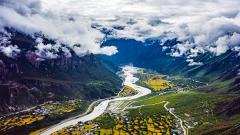
Lhasa Gonggar Airport is located outside central Lhasa, in a river valley south of the city. The drive to town takes time and can vary with traffic and road conditions. Many organized tours arrange a vehicle and guide to meet arriving passengers. Confirm the meeting point and contact details in advance, especially if your flight schedule is revised.
At the airport, follow signs and staff directions for immigration, baggage claim, and any required checks. Keep your passport and permits accessible. Once you leave the terminal, use transport arranged through your hotel or tour operator, or choose an authorized transport option. Agree on the pickup plan before boarding rather than trying to arrange unfamiliar transport after a long travel day.
The airport’s elevation is lower than central Lhasa, but the city itself is still at high altitude. Some people notice breathlessness, headache, poor sleep, or fatigue after arrival. Symptoms vary, and feeling well on the plane does not guarantee that you will feel the same after reaching the city.
Adjusting to Lhasa’s Altitude
Lhasa sits at approximately 3,650 meters above sea level. Give yourself time to acclimatize rather than treating arrival day as a sightseeing day. Keep activity light, drink fluids according to your needs, eat modestly if your appetite is low, and avoid strenuous exertion at first. Alcohol and smoking may worsen discomfort for some travelers, so consider avoiding them while adjusting.
Altitude illness can affect people regardless of fitness. A severe or worsening headache, repeated vomiting, confusion, unusual difficulty breathing, or marked weakness needs prompt medical attention. Tell your guide or travel companion if you feel unwell; do not try to push through serious symptoms. Travelers with existing health conditions should discuss the trip with a clinician before departure, and anyone considering altitude medication should seek professional medical advice rather than self-prescribing.
A sensible first-day plan is simple: transfer to your accommodation, rest, eat lightly, and follow your guide’s advice. Keep sightseeing flexible for the next day. This is especially helpful after an early departure, a delayed flight, or a long journey to Kathmandu before boarding.
What to Pack for the Flight and Arrival
Keep essentials in your cabin bag: passport, required permits, medication, phone, charger, a warm layer, and any items you would need if checked baggage is delayed. Cabin temperature and weather can vary, while Lhasa’s high-altitude conditions may feel different from Kathmandu’s. Layers are more practical than relying on one heavy garment.
Pack sun protection for time outdoors, including sunglasses, sunscreen, and a hat. The high-altitude sun can feel strong, even when the air is cool. Comfortable shoes are useful for airport transfers and gentle walks, but avoid planning strenuous hikes immediately after arrival.
Bring any prescription medicines in their original packaging and carry enough for the trip, along with a copy of the prescription where appropriate. Check airline rules for liquids, medical equipment, and batteries. If you use supplemental oxygen or have a medical device, arrange approval with the airline and consult your healthcare provider well before departure.
Is Flying Better Than Traveling Overland?
A flight is usually the practical choice for travelers prioritizing speed or working with a limited schedule. It avoids a long road journey and can connect the two destinations in a short travel day. However, the quick arrival does not reduce the need for altitude preparation: you still reach a high-elevation city and should allow time to adjust.
Overland travel can offer a longer, more gradual journey through varied landscapes, but it involves substantial planning and road time. Border arrangements, permits, road conditions, and the route available to foreign travelers need to be checked with a qualified operator. It is not automatically simpler or more comfortable than flying.
Choose based on your health, schedule, budget, and interest in the journey itself. If you fly, avoid scheduling strenuous activities immediately after landing. If you travel overland, make sure your itinerary includes realistic travel times and a clear plan for required documents.
Working with Tibet Yulong Travel
Tibet Yulong Travel can be contacted to help coordinate a Tibet itinerary, including travel arrangements and local support. Before booking, ask specifically whether a Kathmandu to Lhasa flight is available for your dates, whether the quoted price includes the ticket or only ground services, and what assistance is provided if schedules change. Confirm permit arrangements, accommodation, airport pickup, guide services, and cancellation terms in writing.
Share accurate passport details and your complete route with the agency, and ask who will be your point of contact in Kathmandu and after arrival in Lhasa. A clearly documented plan makes it easier to handle flight changes and understand what is included. Since flight schedules and entry procedures can change, verify all details shortly before departure with the airline and your travel provider.