Traveling from Taiwan to Tibet takes more planning than a typical international trip, but the route is manageable when you arrange the required documents and guided travel in the right order. Most visitors first fly to a mainland Chinese city, then continue to Lhasa by air or train. Before booking non-refundable tickets, confirm the current entry and permit requirements with a licensed Tibet travel agency: foreign visitors generally need an organized Tibet itinerary and a Tibet Travel Permit, while additional permits may be required for some destinations. Taiwanese travelers should also check which travel documents and mainland entry arrangements apply to their individual circumstances. The key points are simple: check documents first, book a licensed tour, allow time for permit processing, acclimatize in Lhasa, and keep your route flexible. This guide explains how to plan each step, compare transport options, and avoid common booking mistakes when you travel to Tibet from Taiwan.
- Confirm your travel documents and entry arrangements.
- Arrange the Tibet permit through a licensed agency.
- Choose a mainland gateway and onward transport.
- Allow time to adjust to the altitude.
- Check local access rules before finalizing your route.
Travel to Tibet from Taiwan: Documents and Permits
The first step is to clarify what documents you need for your specific situation. Requirements can depend on nationality, residence status, the travel document you hold, and the places you plan to visit. Taiwanese visitors should verify current mainland entry procedures with the relevant authorities or a qualified travel professional before purchasing flights. Do not assume that rules for Taiwanese travelers are identical to those for other foreign nationals.
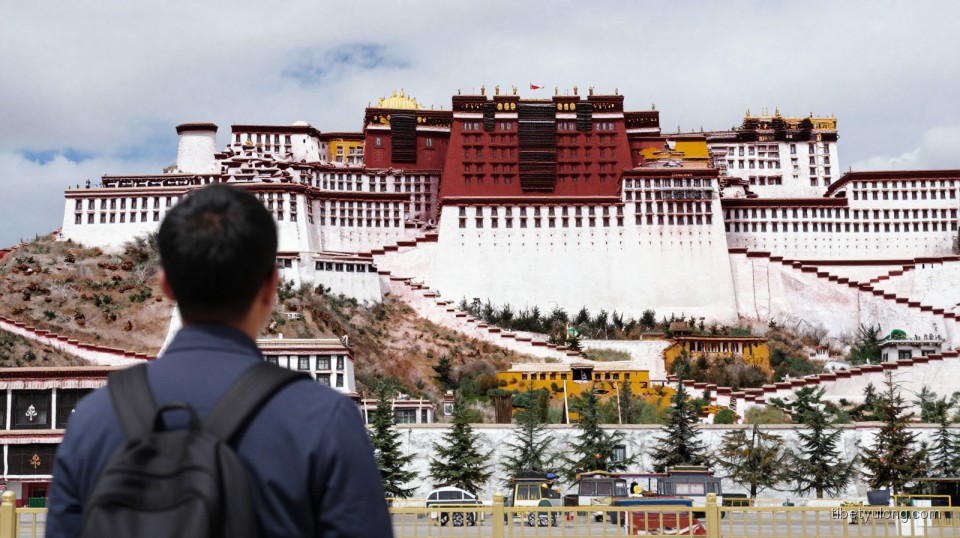
Tibet has additional travel controls. Foreign visitors generally cannot arrange an independent, unrestricted trip around the Tibet Autonomous Region. A Tibet Travel Permit is typically required to board a flight or train to Lhasa, and it is arranged through a licensed Tibet travel agency as part of an organized itinerary. The permit is not something to leave until arrival: agencies need time to collect information, confirm the route, and submit the application through the appropriate process. Processing times and document requirements can change, so ask your agency for current instructions and a realistic schedule.
Other permits may be needed if your itinerary includes areas beyond the standard Lhasa–Shigatse route, such as certain border regions or restricted destinations. Whether these can be arranged depends on current access conditions and the route approved for your trip. Confirm every planned overnight stop and excursion in writing before you pay a deposit.
What to ask before booking
Ask the agency to confirm which permits it will arrange, what personal details it needs, how long processing may take, and what happens if access is restricted. Also ask whether the quoted service includes a guide, vehicle, driver, accommodation, meals, and transfers. A clear written itinerary is more useful than a broad promise that “all permits are included.” Keep digital and printed copies of your travel documents, permit details, insurance information, and agency contacts.
Choosing a Route from Taiwan
There is no direct international flight from Taiwan to Lhasa. The usual plan is to travel from Taiwan to a mainland Chinese gateway, then continue to Tibet. The best gateway depends on flight availability, your ticket conditions, the permit process, and how much time you have for acclimatization.
Fly to Lhasa via a mainland city
Flying is the fastest way to reach Lhasa. Mainland gateways commonly used by travelers include Chengdu and other major cities with flights to Lhasa; schedules and connections vary by season and airline. Some itineraries involve a transfer rather than a nonstop flight, so check the full journey, baggage arrangements, and minimum connection time before booking.
A flight can save a day or more compared with rail travel, but it may bring you to high altitude quickly. If you choose this option, keep the first days light and do not plan strenuous walking immediately after arrival. Your agency can coordinate the airport pickup and confirm how the permit will be checked for your departure.
Take the train to Lhasa
The Qinghai–Tibet Railway reaches Lhasa from mainland China, with routes and connections depending on the departure city and current timetable. Some travelers travel first to Xining and board there; others connect through a different rail hub. Check the official railway booking channels for schedules and ticket rules, and coordinate the plan with your Tibet agency before paying for tickets.
The train offers a gradual journey through high-altitude landscapes and can be a memorable part of the trip. It is not automatically an easier way to acclimatize: the train reaches substantial elevation, and passengers may experience symptoms during the journey. Reserve as early as the booking system allows, especially for popular travel periods, and avoid buying a ticket that conflicts with your permit or tour dates.
Allow time for the mainland connection
If your Taiwan–mainland and mainland–Tibet flights are on separate tickets, a delay could mean missing the onward flight. Consider staying overnight in the gateway city rather than relying on a tight connection. This also gives your agency time to handle document checks and provides a buffer if your Taiwan departure is delayed. For a rail connection, leave enough time to reach the station and follow the carrier’s boarding requirements.
How to Arrange a Tibet Tour
Because permits and local travel arrangements are linked, many visitors book with a licensed Tibet travel agency before finalizing the Tibet portion of the trip. A good itinerary should specify the guide, vehicle, accommodation, route, included meals, permit arrangements, and any exclusions. Ask whether the agency can help coordinate your mainland gateway transfer and what support it provides if your flight, train, or planned access changes.
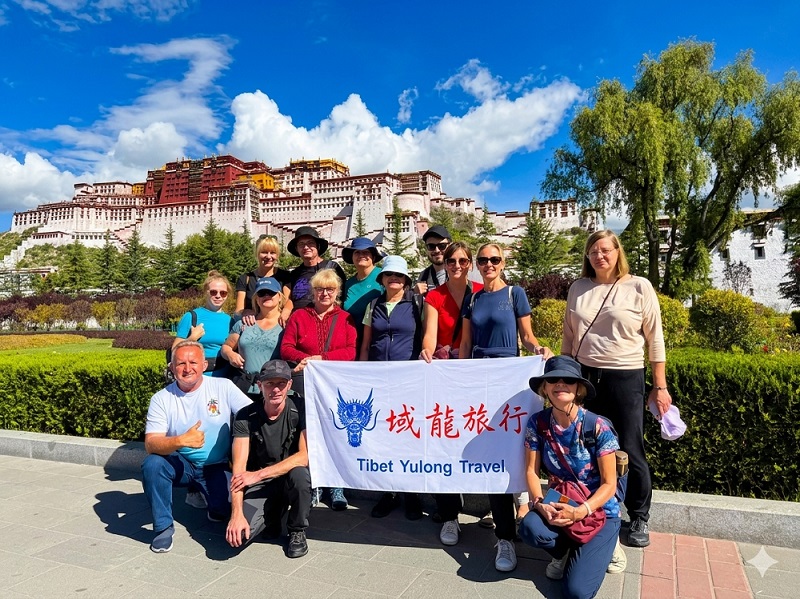
Tibet Yulong Travel is one agency travelers may consider when comparing organized Tibet itineraries. As with any operator, check the exact services, current permit process, cancellation terms, and written price breakdown before booking. Compare the proposed route with your available days and ask whether the pace leaves room for rest, rather than choosing solely by the number of places listed.
Before sending payment, confirm the agency’s business details and the payment method, request an itemized quotation, and keep a copy of the final itinerary. Be cautious of offers that guarantee access to restricted places or promise permits without first checking your documents and route. Access rules can change, and no agency should present uncertain permissions as guaranteed.
A Practical Itinerary for a First Visit
A first trip of about seven to ten days in Tibet can include Lhasa and one or two additional destinations, subject to permit approval and travel conditions. The following outline is a planning example, not a guarantee of access or a fixed schedule.
- Day 1: Arrive in Lhasa, transfer to your hotel, drink water, and rest.
- Day 2: Keep activities gentle. Visit an accessible city site only if you feel well and your guide confirms the plan.
- Day 3: Explore central Lhasa, with time for breaks and a flexible pace.
- Days 4–5: Visit selected cultural sites in or near Lhasa according to your approved itinerary.
- Days 6–8: Travel toward Shigatse or another permitted destination if included in the plan.
- Final day: Return to Lhasa or continue to your mainland connection, leaving a buffer for delays.
Your tour operator should set the final order of visits based on permits, road conditions, opening arrangements, and your health. Avoid scheduling a strenuous high-altitude excursion immediately after landing or placing an important international connection directly after a long overland drive.
Altitude, Health, and Packing
Lhasa is at high altitude, and many routes travel higher. People respond differently, and good fitness does not eliminate the risk of altitude illness. Plan a quiet arrival day, walk slowly, avoid heavy exertion at first, and follow your clinician’s advice about travel fitness and medication. Tell your guide promptly if you develop a worsening headache, nausea, dizziness, unusual breathlessness, or other concerning symptoms. Seek medical help rather than trying to push through severe or worsening symptoms.
Speak with a healthcare professional before departure if you have a heart, lung, or other condition that may affect high-altitude travel. Arrange travel insurance that clearly covers the destinations and activities on your itinerary, and check what assistance is available in remote areas. Carry any regular medicines in their original packaging and bring a list of relevant medical information.
Weather can change with elevation and season. Pack layers, a warm outer jacket, comfortable walking shoes, sun protection, and lip balm. A reusable water bottle, basic personal medicines, and a small day bag are useful. Bring printed copies of key documents as well as secure digital copies, but follow your guide’s advice about where documents should be carried during local travel.
Budget and Booking Tips
The total cost depends on your flights, travel season, group size, accommodation, route, and the services included by your agency. Compare complete quotations rather than headline prices. Check whether airport or station transfers, guide services, private transport, entrance tickets, meals, and permit handling are included or charged separately. Mainland hotel nights and domestic transport to the gateway are also part of the overall budget.
Book the Tibet tour early enough for document checks and permit processing, but wait to buy inflexible Tibet transport until your agency confirms the required sequence. If your dates are fixed, ask how the operator handles delays and itinerary changes. Keep some flexibility in your mainland travel plans, and avoid relying on unverified social media claims about current access or ticket availability.
When to Go and What to Check Before Departure
Travel conditions vary throughout the year. Temperature, rainfall, road conditions, visitor demand, and access arrangements can all affect the experience. Rather than choosing dates based only on a broad seasonal label, check the forecast and route conditions close to departure, and ask your agency whether the destinations on your itinerary are currently accessible.
A few days before leaving Taiwan, reconfirm your flights, train tickets, accommodation, agency pickup, and permit arrangements. Check that the names and document details on bookings match your travel documents. Keep your phone charged, save your guide’s contact details, and share your itinerary with someone at home. Following these steps makes it easier to travel to Tibet from Taiwan with realistic expectations and a plan that can adapt to changing conditions.