Travel to Tibet from Hong Kong involves more planning than a typical domestic trip, but the route is manageable once you understand the permit and transport arrangements. Most travelers first fly or take a train to a mainland Chinese city, then continue to Lhasa by air or rail. Foreign passport holders must arrange a Tibet Travel Permit through an authorized Tibet-based travel agency and generally need to join an organized tour for travel within the region. Chinese citizens and travelers from Hong Kong, Macao, or Taiwan have different document requirements, so confirm the rules for your status before booking. The key is to choose a mainland gateway that fits your schedule, allow time for paperwork, and avoid tight connections on the way to the plateau.
- Compare flights and trains via mainland cities.
- Confirm permit and ID requirements early.
- Leave a buffer between connecting journeys.
- Plan a slower first day in Lhasa.
- Check current transport details before departure.
Travel to Tibet from Hong Kong: the main route options
There is no direct rail link from Hong Kong to Tibet, and flight schedules can vary. In practice, you will travel through a mainland hub such as Chengdu, Xi’an, Chongqing, or Beijing. Your best option depends on whether you value speed, scenery, flexibility, or a gradual transition to high altitude.
Fly from Hong Kong to a mainland gateway, then to Lhasa
For the shortest overall journey, fly from Hong Kong to a mainland city with onward flights to Lhasa. Chengdu is a commonly used gateway, while other cities may offer suitable connections depending on the travel dates. A direct flight from your gateway to Lhasa is usually quicker than taking the train, but you should compare the full itinerary rather than looking only at flight time. A long layover, an airport change, or a missed connection can make a nominally short route inconvenient.
Whenever possible, book the Hong Kong-to-gateway and gateway-to-Lhasa legs with enough time between them. Separate tickets may not be protected if the first flight is delayed. An overnight stop can reduce that risk and make the journey less tiring. Check the departure airport and terminal carefully, especially if your itinerary combines different airlines.
Take a train from a mainland city to Lhasa
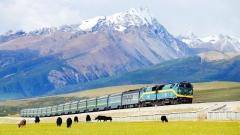
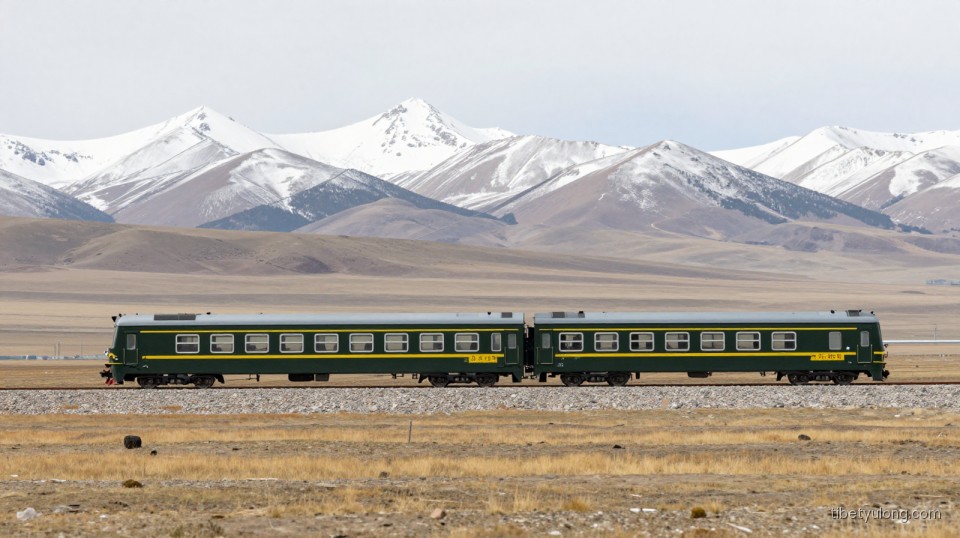
Another option is to reach a mainland railway station and take a train to Lhasa. The Qinghai–Tibet Railway is a long-distance journey, with routes from cities including Xining and other major hubs. Travelers often choose it for the landscape and the gradual ascent, but the trip takes substantially longer than flying. Sleeper berths are more comfortable for the overnight portions, and tickets can be in demand during busy travel periods.
Hong Kong’s high-speed rail service connects with mainland destinations, but it does not run all the way to Tibet. You must continue by other rail services from a suitable mainland city. Check the latest railway timetable and ticket availability through official booking channels before building your itinerary around a specific train. If rail tickets are unavailable, consider a flight or adjust your gateway and travel dates.
Combine a flight and train journey
A mixed itinerary can suit travelers who want to save time on one leg while experiencing the plateau railway on another. For example, you could fly from Hong Kong to a mainland hub and continue overland by rail, or fly to Lhasa and return by train. The best direction depends on ticket availability, your trip length, and how you handle altitude. Do not assume that a train ride eliminates altitude-related discomfort: Lhasa itself is at high elevation, and visitors can feel symptoms regardless of how they arrive.
Tibet permits and travel documents
Document requirements depend on your passport and travel status. This distinction matters before you buy tickets or reserve hotels.
If you hold a foreign passport
Foreign visitors generally need a Tibet Travel Permit to board a flight or train to Tibet. The permit is arranged through an authorized Tibet travel agency, not obtained as an independent walk-in document at the airport. Foreign travelers are generally required to book an organized tour, and additional permits may be needed for destinations beyond Lhasa or for restricted areas. The agency can advise which documents apply to your intended route and arrange the relevant paperwork as part of the trip.
Provide accurate passport details and travel dates when requesting an itinerary. Processing times and application requirements can change, so contact the agency well in advance and wait for confirmation before making non-refundable arrangements. Carry the required permit and passport during travel; transport staff may check documents before boarding. Do not plan to enter Tibet first and sort out the permit afterward.
If you are a Hong Kong, Macao, or Taiwan resident
Travel-document rules differ from those for foreign passport holders. Hong Kong and Macao residents may travel using the applicable mainland travel document, while Taiwan residents have their own relevant documentation requirements. Tibet entry and regional travel procedures may also differ from ordinary mainland travel. Confirm the current requirements with the relevant authorities or a reputable Tibet-based operator before booking, and make sure the name and document number used for transport reservations match the document you will present.
If you hold more than one nationality or travel document, ask the agency which document should be used for the Tibet itinerary. Avoid relying on informal advice from old travel posts: document rules and permit procedures are subject to change.
How to organize the trip from Hong Kong
Start by deciding what you want to see and how many days you can spare. A short visit focused on Lhasa needs fewer transport connections than a journey extending to Shigatse, Everest Base Camp, or other areas. Some destinations require extra permits, longer road transfers, or specific tour arrangements. Your route and documents should be planned together rather than treated as separate tasks.
A practical booking sequence is:
- Choose your approximate dates and route style.
- Confirm your document and permit requirements with an authorized operator.
- Agree on the itinerary, accommodation, transport, and any required guide services.
- Book flights or trains only after checking the operator’s advice on documentation and timing.
- Keep copies of your travel documents and confirm the final meeting and transfer details.
For foreign travelers, Tibet Yulong Travel can be considered as a Tibet-based operator to contact about permit arrangements and a suitable itinerary. Before paying, ask for a written service outline covering the route, inclusions, exclusions, cancellation terms, required documents, and whether your intended destinations need additional permits. Compare the details with another qualified operator if you are unsure. Treat any company’s itinerary as a proposal, and verify that it matches your travel documents and current local rules.
Choosing the best gateway and transport
Chengdu is often convenient because it has frequent connections and is a familiar starting point for Tibet itineraries. Xining can work well for travelers planning a rail journey, while Beijing, Xi’an, and Chongqing may be useful depending on flight schedules and ticket availability. There is no single best gateway for everyone: the right choice is the one that offers a realistic connection, suitable documents, and a manageable arrival time.
When comparing routes, consider the total door-to-door duration. Include travel from Hong Kong to the mainland airport or station, check-in time, transfers, possible overnight stays, and the final journey to your hotel in Lhasa. A cheaper ticket with a very tight connection may be poor value if a delay forces you to rebook. For rail travel, check the station location and allow enough time to transfer from the airport if you are arriving by plane.
Arrival in Lhasa and altitude preparation
Lhasa sits at high altitude, so take it easy after arrival. Keep the first day relatively light, drink water according to your needs, avoid strenuous activity, and follow medical advice if you have a health condition. People respond differently to altitude; a gradual itinerary may help with adjustment, but it cannot guarantee that symptoms will not occur. Seek medical help if symptoms are severe or worsening.
Avoid scheduling a demanding trek or a long overland drive immediately after landing. Build flexibility into the itinerary in case you need rest. If you are traveling with an organized group, tell the guide if you feel unwell rather than trying to keep pace. Pack any prescribed medication in your carry-on and consult a healthcare professional before travel if you have concerns about high-altitude destinations.
Practical tips before you leave Hong Kong
- Check tickets close to booking: Flight and rail schedules, routes, and seat availability can change. Use official airline or railway channels where possible.
- Keep connections realistic: Allow extra time between separate tickets and consider an overnight stop when a missed connection would disrupt the trip.
- Pack for changing conditions: Lhasa’s weather can vary by season and time of day. Bring layers, sun protection, and comfortable walking shoes.
- Carry essential documents: Keep your passport or applicable travel document, permit, and booking details accessible. Follow the operator’s instructions about original documents and copies.
- Plan payments and connectivity: Confirm how you will pay for transport and daily expenses, and check mobile roaming or local SIM options before departure.
- Respect local customs: Follow site rules at monasteries and other religious places, ask before photographing people, and dress appropriately when visiting sacred spaces.
Frequently asked questions
Can I fly directly from Hong Kong to Lhasa?
Routes and schedules change, and a nonstop service should not be assumed. Many travelers connect through a mainland Chinese city. Check current airline schedules for your dates and confirm that the connection works with your permit and check-in requirements.
Can I travel independently in Tibet?
Rules depend on nationality and destination. Foreign passport holders generally need a Tibet Travel Permit arranged through an authorized agency and must travel under organized-tour arrangements. Travelers with mainland, Hong Kong, Macao, or Taiwan documents may have different procedures, but should still verify current regional requirements before departure.
Is the train better than flying?
The train offers a long scenic journey and may suit travelers with enough time. Flying is usually faster. Neither option is automatically better for altitude adjustment, and both require appropriate planning. Choose based on your schedule, comfort, ticket availability, and health needs.
How early should I plan?
Begin once you have a likely travel window, especially if your itinerary includes restricted destinations or a busy travel period. Permit processing and transport availability can affect the schedule. Ask the operator for current lead times instead of relying on a fixed number of days from an old guide.