Getting from Shanghai to Tibet takes some planning, but you have two main options: fly to Lhasa for speed, or travel by rail for a slower journey through western China. There is no direct train from Shanghai to Lhasa, so rail travelers need to change trains, commonly in cities such as Xining. Before booking, check the latest schedules and make sure your Tibet travel arrangements meet the applicable permit and tour requirements. The route you choose should also allow time to adjust to Lhasa’s altitude, which is about 3,650 meters above sea level. These points will help you plan the journey:
- Fastest option: Fly to Lhasa, usually with a connection.
- Rail option: Take a train via a hub such as Xining.
- Allow time: Build in a day or more to acclimatize.
- Check requirements: Confirm permits and current travel rules.
- Plan onward travel: Arrange transport before leaving Lhasa.
Get to Tibet from Shanghai by air
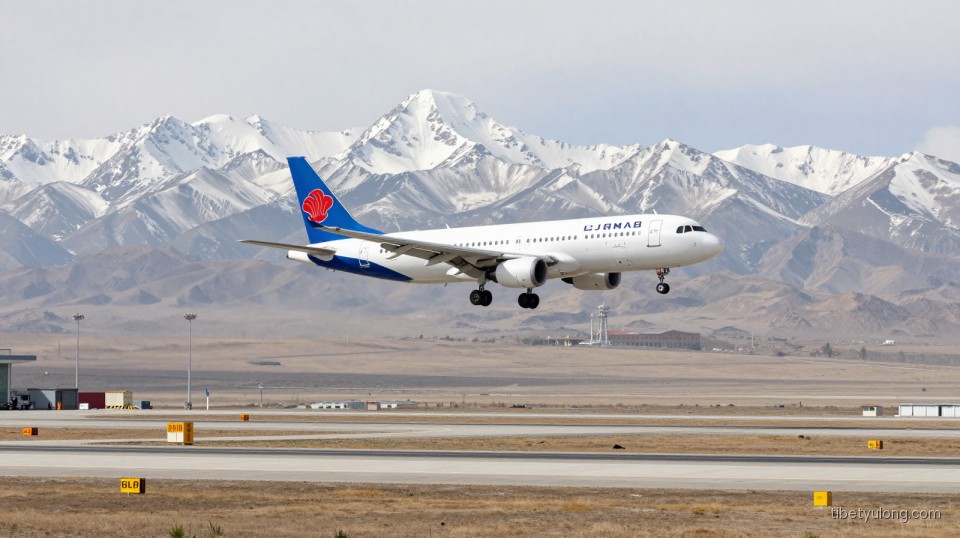
Flying is usually the most practical choice if you have limited time. Shanghai has two major airports, Pudong (PVG) and Hongqiao (SHA), while Lhasa is served by Lhasa Gonggar Airport (LXA). Depending on the date and airline, flights may be direct or require a connection. Routes and frequencies change, so compare current schedules rather than assuming a particular service operates year-round.
A direct flight, when available, is the simplest option. Otherwise, common connection cities can include Chengdu, Chongqing, Xi’an, or Kunming, depending on the airline and date. A connection can make the journey considerably longer, especially if it involves an overnight stop or a terminal change. When booking separate tickets, leave a generous buffer: a delay on the first flight could otherwise cause you to miss the next one.
Lhasa Gonggar Airport is outside the city. Plan how you will get from the airport to your hotel, and check whether your accommodation or tour operator can arrange a transfer. Travel time varies with traffic and road conditions. If you arrive late, confirm that your hotel can check you in at that hour.
For many travelers, flying makes sense when the main goal is to spend time in Tibet rather than experience the overland journey. It also avoids a very long train ride. However, flying takes you rapidly from low elevation to a high-altitude destination. Take it easy on arrival, drink water, avoid strenuous activity, and follow medical advice if you have health concerns. No route can guarantee that altitude symptoms will not occur.
Get to Tibet from Shanghai by train
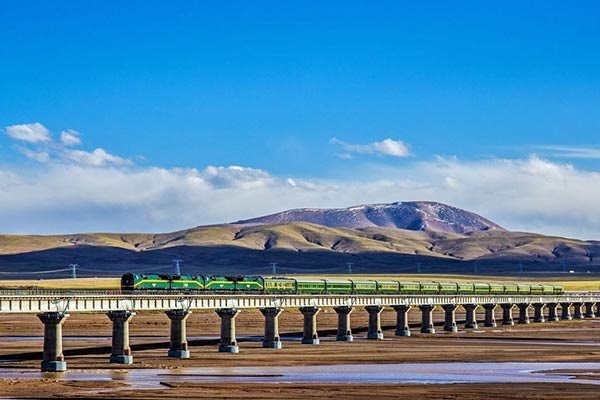
There is no direct train from Shanghai to Lhasa. To travel by rail, first take a train from Shanghai to a city with a suitable service to Lhasa, then continue on the Qinghai–Tibet Railway. Xining is a popular transfer point because it is a major gateway for trains heading to Tibet. Depending on the timetable, other transfer arrangements may be possible, but always verify the full journey before purchasing tickets.
The rail journey is long. The Shanghai-to-transfer-city leg and the onward train to Lhasa can together take well over a day, and the exact duration depends on the connection and schedule. Avoid planning a tight transfer between separately booked trains. A night in the transfer city can make the journey less stressful and give you a backup if the first train runs late.
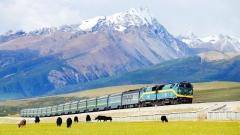
The train appeals to travelers who want to see the landscape change gradually and have enough time for the overland experience. The Lhasa train crosses high-altitude terrain, and its scenery can include broad plateaus, mountain ranges, and open grasslands. Conditions outside the windows vary by season and weather. Bring snacks, a refillable water bottle, warm layers, and entertainment for long stretches between stops. Sleeper berths are more comfortable for an overnight journey, but availability can be limited, so book through reliable, authorized channels and check the ticketing rules in force when you travel.
Do not treat the train as a guaranteed way to prevent altitude sickness. Although the elevation changes along the route, travelers can still develop symptoms. Rest when you arrive, and seek medical help if symptoms are severe or worsening.
Which route should you choose?
Choose a flight if you have a short trip, prefer to spend your days in Tibet, or find a convenient connection that fits your schedule. Choose the train if the journey itself is a priority and you can set aside several days for travel. A combined itinerary can also work: fly one way and take the train the other, provided the schedule, budget, and travel requirements align.
Consider the full door-to-door journey rather than comparing only the flight time with the train duration. Include travel to your Shanghai airport or railway station, connection time, airport transfers, and the first night in Lhasa. A flight with a long layover may not save as much time as expected, while a train journey can require extra accommodation in a transfer city.
Cost is another factor, but fares vary with dates, demand, ticket class, and booking conditions. Compare the total expense, including baggage, meals, transfers, overnight stays, and any guided travel arrangements required for your itinerary. For rail, check whether tickets are available for the exact dates you need before committing to non-refundable hotels or tours.
Permits and travel arrangements
Foreign travelers generally need a Tibet Travel Permit to enter the Tibet Autonomous Region. Independent travel arrangements are restricted, and visitors typically need to book through an authorized Tibet travel agency that organizes the required documents and itinerary. Requirements can depend on nationality, destination, and the rules in force at the time of travel. Confirm the details with an authorized operator before buying non-refundable tickets.
The Tibet Travel Permit is not a substitute for other documents that may be required for certain areas. Travel beyond Lhasa can involve additional permits or local arrangements, particularly for restricted border regions. Do not assume that a permit for one itinerary automatically covers every destination. Give your operator accurate passport details and enough lead time to process paperwork, and carry the documents you are instructed to bring.
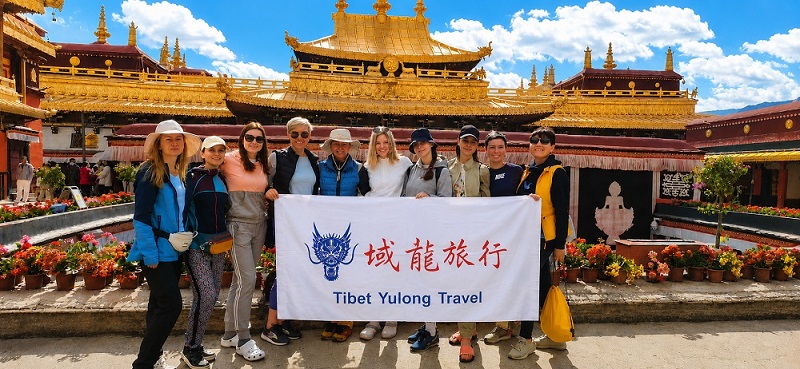
Tibet Yulong Travel can be considered as a specialist operator when researching guided arrangements. Before booking, ask for a written itinerary, a clear breakdown of what is included, cancellation terms, permit arrangements, and the plan for airport or station transfers. Confirm that the proposed route matches your travel dates and that any necessary permissions are addressed. Compare the details with your priorities rather than relying on broad promises.
Keep your original passport and travel documents secure, and carry accessible copies as a backup. Travel rules and transport schedules can change; verify them close to departure with the relevant airline, railway, and authorized travel provider.
How to plan a comfortable arrival in Lhasa
Altitude deserves a place in your itinerary, not an afterthought. Lhasa sits at roughly 3,650 meters, and individual responses to elevation differ. Consider spending your first day at a gentle pace, with time to rest at your accommodation. Avoid scheduling a demanding hike, a long road journey, or several major sights immediately after arrival.
Drink regularly and eat lightly if that feels more comfortable. Avoid alcohol at first, and do not use medication for altitude without consulting a qualified health professional. Anyone with a heart, lung, or other significant medical condition should seek medical advice before planning a high-altitude trip. If you experience serious shortness of breath, confusion, or rapidly worsening symptoms, seek urgent medical attention rather than trying to continue the itinerary.
Pack layers even if Shanghai is warm when you leave. Lhasa’s weather can differ substantially, and temperatures may drop after sunset. Sun protection is useful at elevation: bring sunglasses, sunscreen, and a hat. Carry any personal medicines in their original packaging and keep essential items in your hand luggage.
A practical booking sequence
Start by choosing your approximate dates and deciding whether flight speed or the rail experience matters more. Next, contact an authorized Tibet travel operator to confirm that your intended itinerary is feasible and to understand permit processing. Once you know the travel requirements and dates, compare transport options and book connections with enough time between legs.
For a flight itinerary, check the departure airport, baggage allowance, connection length, and arrival time in Lhasa. For a train itinerary, confirm both rail legs, the transfer station, ticket class, and whether an overnight stop is sensible. Keep flexibility around the first day in Tibet, since transport delays and altitude adjustment can affect plans.
Before departure, reconfirm transport times, document requirements, hotel arrangements, and transfers. Save offline copies of your tickets and booking details, and share your itinerary with someone at home. With the route, paperwork, and arrival pace planned in advance, the journey from Shanghai can be organized around the kind of Tibet experience you want.