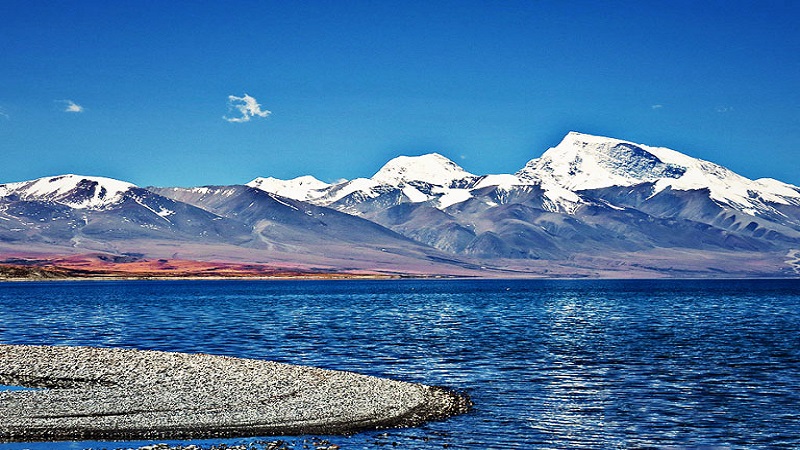
Shannan, also known by its Tibetan name Lhoka, is a broad region south of Lhasa with river valleys, monasteries, lakes and high mountain scenery. For most visitors, the simplest approach is to travel to Lhasa first, then continue overland to the places they want to see in Shannan. The region is not a single compact destination: road distances, altitude and travel times vary considerably between its counties and attractions. Plan around a realistic route rather than trying to fit every landmark into a short stay. Before booking, check Tibet entry and travel-permit requirements with an authorized travel agency, confirm road conditions and leave room to acclimatize. These essentials will help you make sound decisions:
- Reach Lhasa before exploring Shannan.
- Confirm permits and travel arrangements in advance.
- Allow time to adjust to the altitude.
- Choose attractions by route, not by map distance alone.
- Carry water, sun protection and warm layers.
Start with the Tibet entry requirements
Travel planning for Shannan begins with the rules for entering Tibet, not with a hotel reservation in the region. Foreign travelers generally need a Tibet Travel Permit to enter the Tibet Autonomous Region. Independent travel arrangements that are possible elsewhere in China may not apply in Tibet: foreign visitors typically need to book through an authorized travel agency and follow an approved itinerary with a guide and arranged transport. Requirements can depend on nationality, route and current regulations, so confirm the details with the agency handling your trip and the relevant Chinese authorities before paying for nonrefundable bookings.
Keep your passport and the documents requested by your agency available throughout the journey. If your route includes restricted areas or border regions, additional permits may be required. Do not assume that a permit for Lhasa automatically authorizes travel everywhere in Shannan. Ask specifically which destinations are included in your itinerary and whether any extra paperwork is needed.
Chinese citizens and visitors traveling under different arrangements should check the rules applicable to them rather than relying on advice intended for foreign tourists. Regulations can change; a travel agency should confirm the current process before departure.
How to reach Shannan
Fly to Lhasa, then travel by road
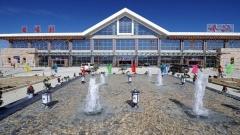
For many visitors, flying to Lhasa is the fastest way to reach the region. Lhasa Gonggar Airport is located in Shannan Prefecture, near the Yarlung Tsangpo River, and serves as the main air gateway for Lhasa and surrounding destinations. Flights operate from cities in mainland China, but routes, frequency and schedules vary by season. Check the current timetable with airlines or a trusted booking service, and allow extra flexibility if you have a tight connection.
The airport is not the same as central Lhasa. Your onward drive depends on your destination and traffic, so arrange airport transfers in advance and confirm where your accommodation or tour vehicle will meet you. Some itineraries head toward Lhasa first to rest and acclimatize; others may continue to a nearby Shannan destination if the guide, permits and health plan allow it.
Take the train to Lhasa
The Qinghai–Tibet Railway connects Lhasa with cities on the mainland, including Xining, and some services continue from other major rail hubs. Train journeys can take considerably longer than flying, but they offer a gradual approach to the plateau and scenic views along parts of the route. Tickets can be in demand, especially during busy travel periods, so check availability early through official railway channels or a reputable booking provider.
The railway arrives in Lhasa, not at Shannan’s individual attractions. From there, continue by road with your arranged tour or transport. Train travel does not remove the need to follow Tibet’s permit and itinerary rules. If you plan to travel by rail, coordinate document delivery and station pickup with your agency before departure.
Enter overland from elsewhere in Tibet
Travelers already in Tibet can reach Shannan by road from Lhasa or other parts of the region, depending on the route and their approved itinerary. There is no single journey time that applies to all of Shannan: a nearby valley is very different from a distant county or high-altitude destination. Ask for a door-to-door estimate that includes rest stops, road conditions and the time needed to visit sites along the way.
Getting around once you arrive
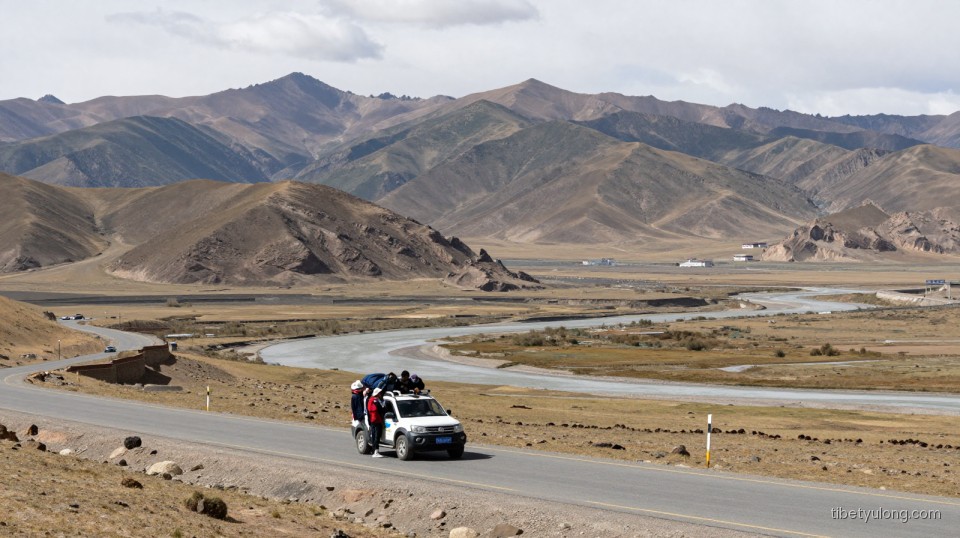
Shannan is best explored by a pre-arranged vehicle, particularly if you want to visit several sites outside the main towns. Public transport may serve some settlements, but it is not always convenient for visitors on a fixed itinerary, and service details can be difficult to coordinate with remote attractions. Your agency or local operator can help arrange a vehicle and guide in line with permit conditions.
Before setting off each day, confirm the route, estimated driving time, meal stops, fuel access and the expected return time. Mountain roads and rural routes can be affected by weather, maintenance or local conditions. Avoid planning a packed schedule based only on straight-line distances on a map. A shorter route with time to rest is often more practical than a long day of back-to-back stops.
If you are considering cycling, hiking or self-driving, verify that the activity is permitted for your itinerary and that you have the right equipment and local support. Remote areas may have limited mobile coverage and fewer services than Lhasa. Do not rely on a navigation app as your only source of route information.
What to see and how to build a route
Yumbulagang and the Yarlung Valley
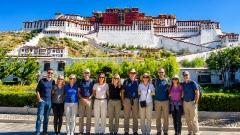
The Yarlung Valley is a natural starting point for understanding Shannan’s history and landscape. Yumbulagang, a hilltop structure associated with Tibetan historical traditions, is one of the region’s best-known landmarks. The approach and steps can feel demanding at altitude, so take your time and follow site guidance. Nearby settlements and agricultural scenery make it easier to appreciate the valley as a living region rather than a sequence of photo stops.
Visitors often combine Yumbulagang with other nearby cultural sites, but the exact sequence should reflect road access, opening arrangements and the pace that suits your group. Ask your guide how much time to set aside for walking and rest.
Samye Monastery
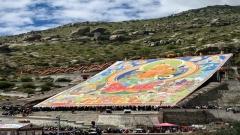
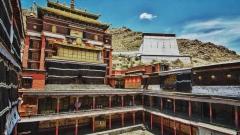
Samye Monastery is an important religious site in the region and is often included in a Shannan itinerary. Its location and the drive required to reach it make transport planning worthwhile. Dress respectfully, follow photography rules, and be mindful that the monastery remains a place of worship and community life. If a ceremony or religious activity is taking place, let your guide explain where visitors may go and when photography is appropriate.
Yamdrok Lake and highland scenery
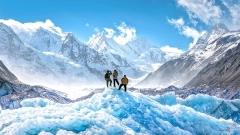
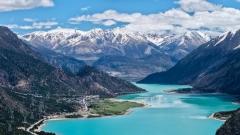
Yamdrok Lake is a major excursion destination for travelers based in Lhasa, and some itineraries connect it with Shannan. The lake’s altitude and changing weather deserve respect: conditions can be cold and windy even when lower valleys feel mild. Viewpoints are not interchangeable, and the best route depends on your starting point, road permissions and the rest of your trip. Confirm the planned stops with your operator rather than assuming every viewpoint is accessible.
Choose a manageable itinerary
For a short visit, focus on a cluster of sites that can be reached without excessive driving. With more time, you can add destinations in different valleys, but build in rest days and flexibility. Shannan’s appeal lies partly in the transitions between landscapes: river plains, cultivated fields, mountain passes and settlements. Leaving time to pause can make the journey more rewarding than adding another distant stop.
Best time to visit Shannan
Travel conditions vary by altitude and location. The warmer months generally bring milder conditions in many valleys, while higher areas can remain cool. Spring and autumn may offer comfortable daytime sightseeing, but temperatures can drop quickly after sunset. Winter travel may bring colder weather and possible road or access changes, so check local conditions before confirming an itinerary.
Rather than relying on a single “best month,” compare the elevation and weather for each stop you plan to visit. Pack layers, including a warm outer layer, and carry sun protection throughout the year. High-altitude sunlight can be intense even when the air feels cold. If a scenic area is important to your trip, ask your operator what weather conditions could affect the route and what alternatives are available.
Altitude, health and practical preparation
Lhasa and many Shannan destinations sit at high elevation. Visitors can experience altitude-related symptoms such as headache, nausea, unusual fatigue or shortness of breath. Take the first days gently, drink fluids regularly, avoid strenuous exercise at the start and do not treat an ambitious itinerary as a test of endurance. If symptoms worsen, seek medical advice promptly and follow your guide’s instructions. People with existing health conditions should consult a qualified clinician before traveling to high altitude.
Bring any regular medication in its original packaging, along with essentials such as sunscreen, sunglasses, lip balm and a reusable water bottle. Remote stops may have limited shops, toilets or food options, so carry snacks and tissues. Keep cash available for places where digital payments or connectivity may be unreliable, and protect your phone and camera batteries from cold.
Food, accommodation and respectful travel
Lhasa offers the widest choice of accommodation and dining, making it a practical base for acclimatization and logistics. Shannan’s towns and popular sites have local options, but facilities can be more limited in rural areas. Confirm meals, heating, hot water and check-in arrangements before traveling to remote accommodation. If you have dietary requirements, tell your operator in advance rather than waiting until you arrive.
Try local dishes where available, while choosing food that suits your health and altitude adjustment. Eat regularly and avoid overloading your first day with heavy meals or alcohol. Ask before photographing people, private homes or religious activity, and follow posted restrictions at monasteries and cultural sites. Respectful behavior matters more than getting a particular shot.
Planning support with Tibet Yulong Travel
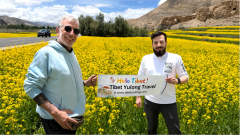
If you are arranging a guided visit, Tibet Yulong Travel can be considered as one option for coordinating an itinerary, vehicle and guide. Before booking, ask for a written plan that identifies the places included, the expected driving times, permit arrangements, accommodation and what happens if weather or road conditions change. Request a clear breakdown of what is included in the price and which costs, such as meals or entrance tickets, are separate.
Compare the proposed schedule with your own comfort level, especially during the first days at altitude. A responsible itinerary should allow time for acclimatization and should not promise access to destinations without confirming the relevant permits and local conditions. Keep copies of your travel documents and emergency contacts, and make sure you know how to reach your guide during the trip.