The Sacred Lakes of Tibet are more than dramatic high-altitude landscapes: they are places of pilgrimage, local tradition and deep spiritual meaning. This guide introduces three of the best-known lakes—Yamdrok Tso, Namtso and Lake Manasarovar—and explains what makes each distinct. You’ll find practical advice on choosing a route, adjusting to altitude, observing local customs and preparing for changing weather. Distances and access conditions can vary, so plan with a licensed local operator and confirm current travel requirements before departure. The lakes reward unhurried visits: give yourself time to acclimatize, stay on established paths and treat the shoreline as a living sacred place rather than a backdrop. Whether you are making a short excursion from Lhasa or following a longer pilgrimage route, thoughtful preparation will make the journey safer and more meaningful.
- Compare three celebrated lakes
- Understand local sacred traditions
- Plan routes from Lhasa
- Prepare for altitude and weather
- Travel respectfully and safely
Why the Sacred Lakes Matter
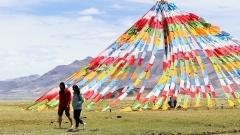
Across the Tibetan Plateau, lakes are woven into religious belief, stories and everyday life. Some are associated with protective deities; others are important destinations for pilgrims who walk around the shore as an act of devotion. For visitors, this means a lake is not simply a scenic stop. Prayer flags, stones arranged by pilgrims and small offerings may be part of an active spiritual landscape. Observe quietly, avoid disturbing these objects and ask before photographing people engaged in prayer.
The term “sacred” does not describe every lake in the same way, and traditions can differ between communities. Local guides can explain the customs connected with a particular place and help visitors understand where walking, photography or camping may be inappropriate. A respectful visit is usually simple: keep a considerate distance from rituals, follow marked paths and leave no waste behind.
The Sacred Lakes also sit in a demanding environment. Many lie at elevations well above 4,000 meters, where even fit travelers may feel breathless or develop altitude symptoms. Beauty and remoteness should not encourage rushing. Build in acclimatization time, drink regularly, keep exertion moderate and seek medical advice if symptoms worsen.
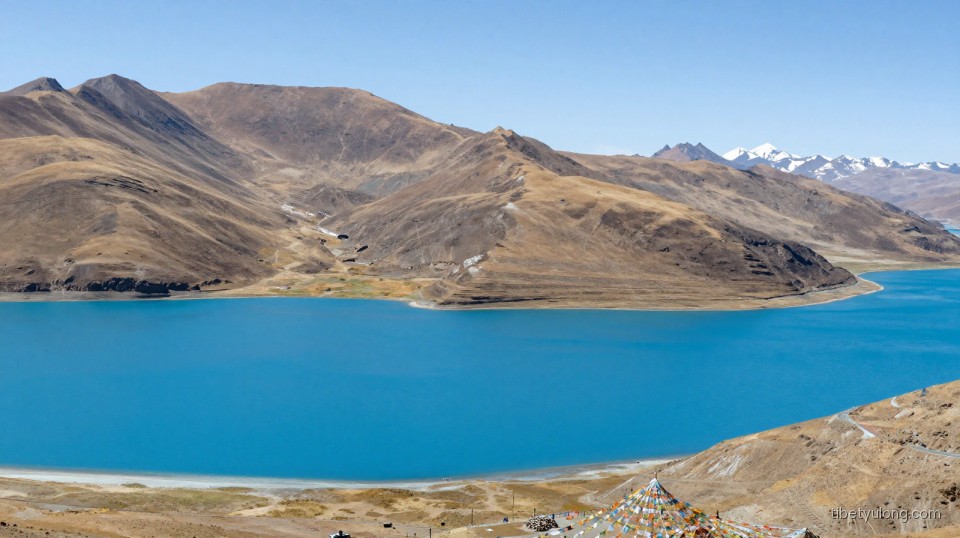
Yamdrok Tso: A Day Trip from Lhasa
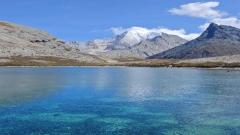
Yamdrok Tso is among the most accessible of Tibet’s major lakes for travelers based in Lhasa. The road crosses high mountain terrain and reaches viewpoints overlooking its striking blue waters, with surrounding ridges and snow-covered peaks adding to the scene. The lake’s color changes with the light and weather, so a clear view is never guaranteed; clouds and wind can transform the landscape within a short time.
Many visitors see Yamdrok on a road journey between Lhasa and Gyantse, or as a day excursion from the capital. The route involves high passes, and the drive itself can be tiring. Take warm layers, sun protection and water, and avoid running or climbing rapidly at viewpoints. If you have recently arrived in Tibet, consider spending time acclimatizing in Lhasa before taking a high-altitude excursion.
At roadside stops, use designated viewing areas and follow your guide’s instructions. Do not leave the road to approach the water unless access is clearly permitted. Respect local residents and livestock, and never assume that a quiet patch of shoreline is available for picnicking or swimming.
Namtso: Wide Horizons at High Elevation
Namtso, often translated as “Heavenly Lake,” is a vast saltwater lake north of Lhasa. Its open horizon, distant mountain ranges and strong sense of space make it one of the most memorable lake landscapes on the plateau. Access is typically by road, but the journey is long and the lake sits at very high elevation. Travelers should treat it as a demanding excursion rather than an easy add-on to a packed itinerary.
Conditions at Namtso can be harsh. Wind, cold, intense sun and sudden weather changes are all possible, even when the day begins pleasantly. Bring insulated clothing, a windproof outer layer, sunglasses, sunscreen and a hat. Keep electronics protected from dust and cold, and carry any personal medication you may need. Overnight stays, where available, should be planned around acclimatization and confirmed locally; facilities and access arrangements can change.
Pilgrims visit the lake and nearby sacred sites, so keep voices low around places of worship and do not climb on cairns or move prayer stones. Ask your guide about appropriate photography. If you feel unwell, prioritize returning to a lower elevation and getting help rather than trying to complete a planned walk.
Lake Manasarovar: Pilgrimage and Sacred Geography
Lake Manasarovar lies in far western Tibet, in the Ngari region, close to Mount Kailash and near the headwaters of several major Asian rivers. Its remoteness makes it a very different journey from a visit to Yamdrok or Namtso. For many Hindu, Buddhist, Jain and Bon pilgrims, the lake and the neighboring Mount Kailash form part of a profound religious landscape. The meaning and practices associated with the area vary among faiths and communities.
A visit to Manasarovar is generally part of a longer overland itinerary, often combined with travel in western Tibet. The distances are substantial, roads and facilities are limited in some areas, and travel permissions may apply. Do not treat the route as an independent road trip: use an authorized operator, confirm the permits and itinerary required for your circumstances, and allow enough time for delays and acclimatization.
Some pilgrims undertake ritual walks around the lake, while others visit for prayer or quiet reflection. Follow local guidance about where to walk and what activities are permitted. Avoid entering the water unless local rules and conditions clearly allow it; cold temperatures, altitude and changing shore conditions can make swimming dangerous. Keep the area clean and do not collect stones, plants or other natural objects as souvenirs.
Planning a Sacred Lakes Itinerary
A sensible itinerary depends on your starting point, available time, acclimatization and travel permissions. Yamdrok is often the most practical choice for a shorter journey from Lhasa. Namtso usually requires more time on the road and careful planning at altitude. Manasarovar is best approached as part of a longer western Tibet expedition. Trying to visit all three in a few days is likely to leave little room for rest or meaningful time at each place.
Before booking, confirm the route with a licensed local travel provider. Foreign travelers may need to follow specific arrangements for travel in Tibet, and access rules can differ by destination and change over time. Verify current requirements directly with your operator rather than relying on an old itinerary or an online post. Keep a copy of your travel documents and follow instructions at checkpoints.
Build a flexible schedule. Road conditions, weather and altitude can affect travel times, while rest days may be important for acclimatization. Avoid scheduling a strenuous lake visit immediately after arrival. If you develop a severe headache, confusion, difficulty breathing at rest, repeated vomiting or other worrying symptoms, tell your guide promptly and seek medical care; descending to a lower elevation may be necessary.
What to Pack and How to Behave
Pack for a broad range of conditions: warm layers, a windproof jacket, sturdy walking shoes, sun protection and a refillable water bottle. High-altitude sunlight is intense, so use sunscreen and sunglasses even on cool or cloudy days. Bring snacks that suit your dietary needs, but pack out every wrapper and container. A small personal first-aid kit and any prescribed medication are useful, though they are not substitutes for medical care.
At sacred sites, modest and considerate behavior matters. Follow signs and guide instructions, do not enter restricted areas, and ask before photographing worshippers or ceremonies. Do not touch religious objects without permission. Keep drones away unless their use is explicitly authorized, and never fly them near people, wildlife or sensitive sites. Avoid loud music, littering, fires and off-road driving that could damage fragile ground.
Including Tibet Yulong Travel in Your Plans
If you are researching Tibet Yulong Travel, use the planning stage to compare the proposed itinerary with your own pace and altitude experience. Ask which lakes are included, how much time is reserved for acclimatization, what transport and permits are arranged, and whether meals, lodging and emergency support are clearly described. A reputable operator should explain practical limitations rather than promise fixed weather, unrestricted access or guaranteed views.
Request a day-by-day route and check that it leaves room for rest, especially before high-altitude excursions. Clarify how the itinerary responds to road closures, illness or changes in local access rules. For a journey involving Manasarovar or other remote areas, confirm what communication and emergency arrangements are available. These questions help you choose a trip that respects both your health and the communities whose sacred landscapes you are visiting.