✨ Highlights:
- 📏 Total driving distance from Shigatse city center to Everest Base Camp: around 340 km
- ⏱️ Normal driving time: 7–8 hours, including stops for photos and lunch
- 🛣️ Route: G318 Friendship Highway + Everest South Route, fully paved asphalt road
- 🏔️ Key landmark: Gyatso La Pass (5,248m), famous Everest 108 bends
- 📝 Important note: Private vehicles can only reach Rongbuk Monastery transfer station; mandatory eco-bus to EBC monument
- 🗺️ Required permits: Tibet Travel Permit + Alien’s Travel Permit for international visitors
If you are planning a Tibet overland tour to Mount Everest, travelling from Shigatse to Everest Base Camp (EBC) is one of the most iconic segments of your Himalayan journey. Many travellers search for the Shigatse to Everest Base Camp driving distance and time to design their itinerary, estimate travel pace and prepare for a Shigatse to EBC road trip. The direct straight-line distance between Shigatse and Everest summit is roughly 243 km, but mountain terrain, winding mountain roads and designated scenic routes make the actual driving distance approximately 340 kilometers from downtown Shigatse to the EBC transfer point near Rongbuk Monastery. Many curious visitors ask, how far is Shigatse to Everest Base Camp by car, and the answer depends heavily on road conditions, weather and rest stops along the way.
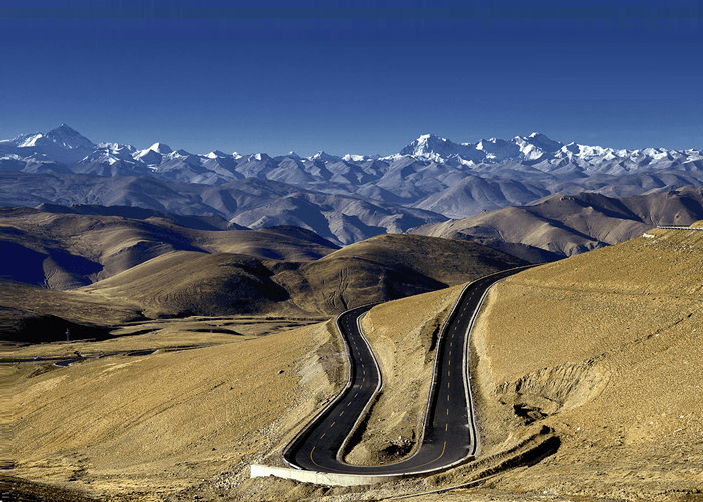
Under normal weather and traffic conditions, the driving time is 7 to 8 hours. This estimation includes short photo stops, rest breaks and lunch in Tingri (Dingri) county. If you drive non-stop with minimal breaks, experienced local drivers can finish the journey in about 6 hours. However, we strongly advise travellers not to rush this trip. The high altitude, sharp bends, speed limits and breathtaking Himalayan scenery all mean you should reserve enough buffer time. During peak tourist season (April to June, September to October), temporary checkpoint waiting time may add extra 1 hour or more to your total driving time. Bad weather such as heavy snow, rain or fog can also slow down the journey significantly, especially around Gyatso La Pass.
It is critical to clarify one common misunderstanding: your private tour vehicle cannot drive all the way to the Everest Base Camp stone monument. All private cars and tour vans must park at the Rongbuk Monastery transfer station. You will need to take the official eco-friendly sightseeing bus for the final short stretch to reach the EBC marker. This eco-bus ride takes around 20–30 minutes and is mandatory for all visitors. This extra transfer segment is not counted in the main Shigatse to Everest Base Camp driving distance, and you should include this step in your schedule planning. For anyone preparing an Everest Base Camp tour from Shigatse, this transfer detail is often missed in quick itinerary sketches.
Detailed Route Breakdown from Shigatse to Everest Base Camp
The classic Shigatse to EBC driving route follows the world-famous G318 Friendship Highway (Sino-Nepal Friendship Highway) then turns onto the Everest scenic road, which is fully paved with asphalt. Having a clear Shigatse to Everest Base Camp route map on hand will help you visualise the whole journey before you depart. The whole route is divided into two major sections: Shigatse to Tingri County, and Tingri to Rongbuk Monastery transfer station.
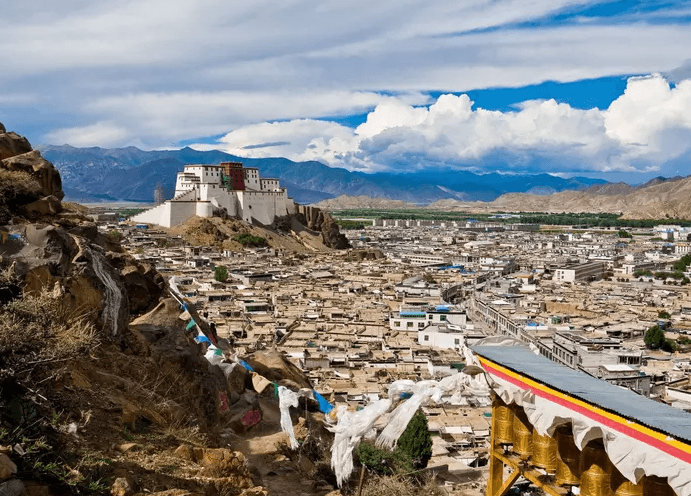
Shigatse to Tingri County (240 km, about 4 hours driving)
Starting from Shigatse city, you will head southwest along G318. This highway is well-maintained, with stable road surfaces and regular checkpoints. You will pass wide alpine valleys, grasslands, small Tibetan villages and snow-capped distant peaks. Tingri County, also known as Old Tingri, is the main stop for lunch, refuelling and rest. Tingri sits at an altitude of around 4,300 meters. It is the last major town before entering the Everest National Nature Reserve. Most tour groups arrange lunch here, and it is a good moment to check your physical condition for altitude sickness before continuing uphill.
Tingri to Rongbuk Monastery Transfer Station (100 km, about 3–4 hours)
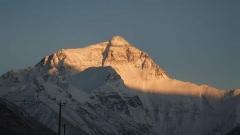
After leaving Tingri, you turn onto the Everest South Road, which leads into the Everest reserve. This part includes the legendary Everest 108 bends, a long series of tight switchbacks climbing up to Gyatso La Pass at 5,248 meters above sea level. Gyatso La Pass is the best viewpoint on this entire route. From here you can enjoy a panoramic view of four 8,000-meter peaks: Everest, Lhotse, Makalu and Cho Oyu. This is the most popular photo spot for travellers heading to EBC.
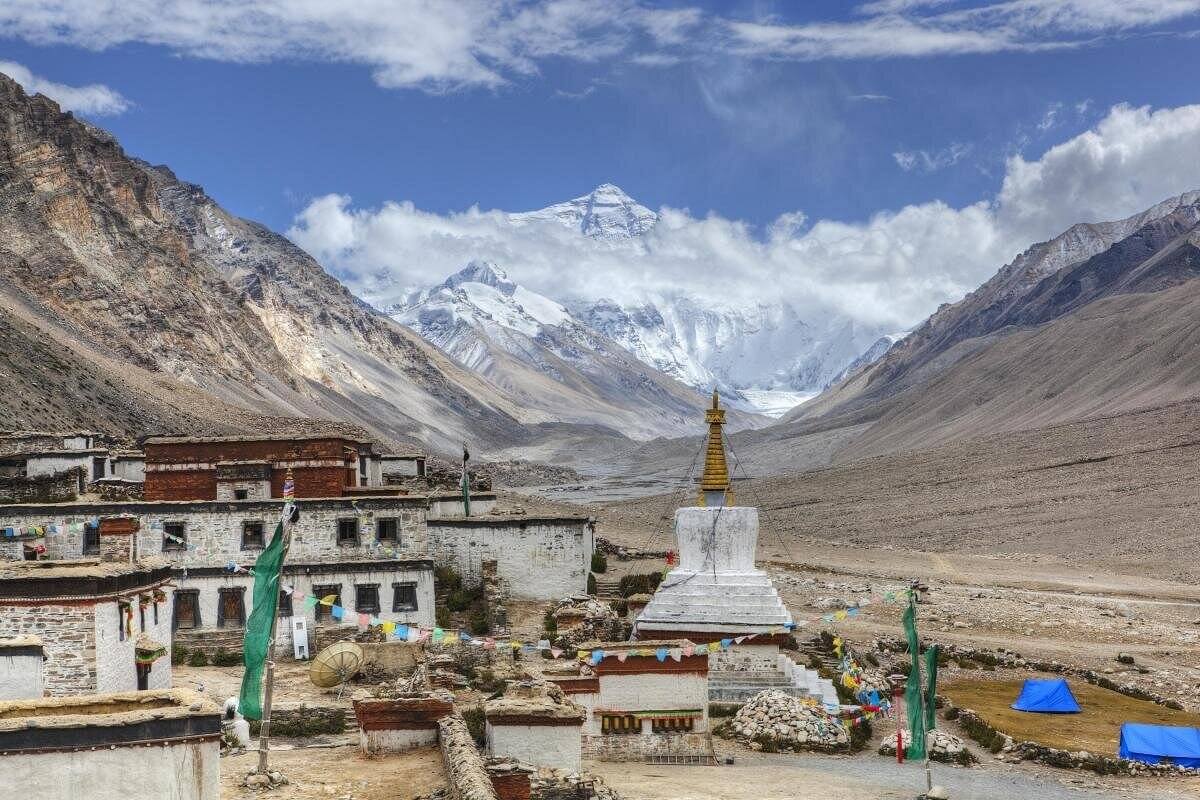
The 108 bends are fully paved now, but sharp turns require slow speed. Many tourists stop repeatedly to take photos, which easily extends driving time. After crossing Gyatso La Pass, the road winds downhill toward Rongbuk Monastery. Rongbuk is the highest monastery in the world, sitting just a few kilometres away from Everest Base Camp. This is where private vehicles stop, and all visitors switch to the eco-bus.
Road Condition & Driving Tips for Shigatse to EBC
Modern road upgrades have greatly improved this route. Understanding the Shigatse to Everest Base Camp road conditions before departure helps you avoid unexpected delays. The entire Shigatse to Rongbuk stretch is asphalt paved, suitable for standard 4WD SUVs and tour vans. You do not need extreme off-road vehicles for this journey. However, several factors affect driving safety and your estimated Shigatse to Everest Base Camp driving distance and time.
First, interval speed traps and fixed speed cameras are widely distributed on G318 and Everest scenic road. Speed limits are strictly enforced. You cannot drive fast even if the road looks empty. Many first-time visitors underestimate the impact of speed control and end up with delayed arrival.
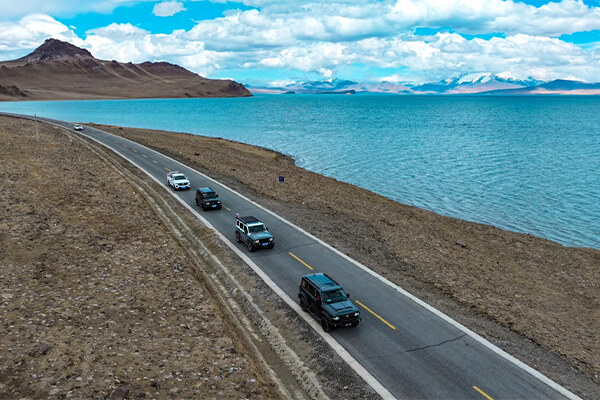
Second, altitude changes dramatically along the route. Shigatse is at about 3,836 meters; Gyatso La Pass reaches 5,248 meters. Rapid elevation gain can trigger altitude sickness. Drivers and passengers should avoid heavy physical activity, stay hydrated and avoid alcohol. Prepare oxygen canisters before leaving Shigatse.
Third, weather changes quickly on the Tibetan plateau. Sunny mornings can turn into sudden snow or thunderstorms in the afternoon, especially in summer and late autumn. Snow on Gyatso La Pass may require tyre chains and can temporarily close the pass. Always check real-time road condition updates before departure. It is recommended to start your drive early in the morning, around 7:00–8:00 AM from Shigatse, so you can cross the high pass before afternoon bad weather arrives.
Fuel planning is another essential point. Fill your fuel tank fully in Shigatse. Tingri has petrol stations, but fuel supply is less reliable. There are no petrol stations after Tingri towards Rongbuk Monastery.
Permits Required for Shigatse to Everest Base Camp Trip
International travellers cannot make this self-drive tour without proper documents. This is a frequently overlooked preparation step before calculating Shigatse to Everest Base Camp driving distance and time. Two main permits are mandatory: the Tibet Travel Permit and the Alien’s Travel Permit (Border Travel Permit).
The Tibet Travel Permit must be applied through a registered local Tibet travel agency before you arrive in Tibet. Individual application is not available. The Alien’s Travel Permit covers restricted border areas including Tingri and Everest Base Camp. It can be processed in Shigatse with your travel agent and guide.
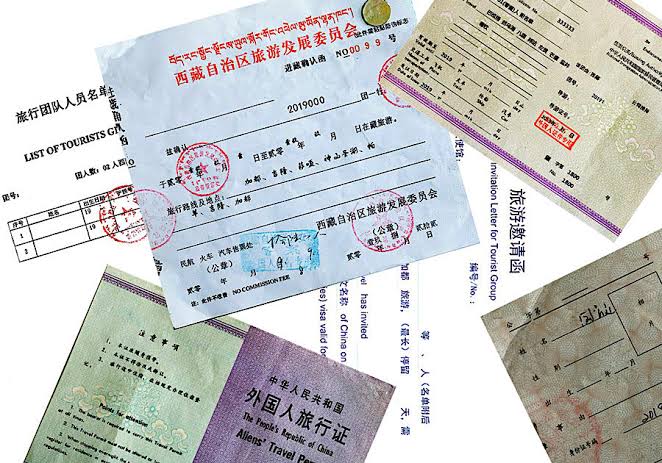
Documents for foreigners entering Tibet
Your guide will carry all original permits during the whole trip. Checkpoints are set along G318 and at the entrance of Everest National Reserve. You cannot enter the reserve without valid permits. We recommend booking your permit service at least 15–20 days before arrival. During peak season, 2–3 months advance arrangement is better to avoid shortages.
Besides permits, you need to buy Everest National Park entrance ticket and eco-bus ticket at the reserve gate. There is also a vehicle environmental fee for tour vehicles entering the protected zone. If you prefer to skip complicated paperwork and planning, booking a Shigatse to Everest Base Camp tour package is a hassle-free choice managed by local operators.
Recommended Itinerary Options
Option 1: Two-day classic itinerary (Most Popular)
Day 1: Shigatse → Tingri → Gyatso La Pass → Rongbuk Monastery, overnight in Tingri or Rongbuk tent guesthouse. You can watch Everest sunset on this day.
Day 2: Early morning Everest sunrise, EBC sightseeing, then drive back to Shigatse.
This 2-day plan is highly recommended. One-day return from Shigatse to EBC is possible in theory, but the total round trip driving time will reach 14–16 hours. It is extremely tiring and risky under high altitude. Most experienced Tibet travel advisors do not recommend a day trip.
Option 2: Multi-day overland tour extension
Combine Shigatse-EBC segment with Lhasa, Yamdrok Lake and Gyantse into a 4–6 days Tibet classic tour. This gives you enough time to acclimatise altitude step by step and enjoy more Himalayan highlights.
Frequently Asked Questions
FAQ 1: What is the Shigatse to Everest Base Camp driving distance and time in winter?
In winter (November to February), the driving distance remains about 340 km, but driving time usually extends to 8–9 hours. Snow and ice on Gyatso La Pass slow down traffic. Some mountain passes may close temporarily after heavy snowfall. Winter trips need extra preparation for warm clothing and oxygen.
FAQ 2: Can foreigners self-drive from Shigatse to EBC?
No. International tourists are not allowed to rent private cars and self-drive in Tibet restricted areas. You must travel with a licensed local driver, tour guide and pre-arranged permits.
FAQ 3: What altitude should I expect along the route?
Shigatse: 3,836m; Tingri: ~4,300m; Gyatso La Pass: 5,248m; Rongbuk Monastery: ~5,100m; Everest Base Camp stone monument: ~5,200m.
FAQ 4: Is there mobile phone signal on the way?
Mobile signal is stable in Shigatse and Tingri. Signal becomes weak or completely lost after entering the Everest reserve, especially near Gyatso La Pass and Rongbuk. Download offline maps before departure.
Final Travel Advice
When you plan your Tibet journey, knowing the Shigatse to Everest Base Camp driving distance and time is only the starting point. This trip is not just a simple long drive; it is a high-altitude Himalayan adventure. Do not only focus on distance and speed. Leave flexible time buffers for weather, checkpoints and photo stops. Acclimatise well, prepare warm clothes, sunscreen, lip balm and enough drinking water.
Choosing an experienced local driver and travel agency makes a huge difference. Local guides know road risks, weather patterns, permit rules and best sunset or sunrise viewing spots. They can adjust your schedule if sudden road closures appear.
Standing at Everest Base Camp, looking up at the north face of Mount Everest after this long drive from Shigatse, you will understand why this overland route has become a bucket-list experience for mountain lovers worldwide. The long hours on the winding highland road will be fully rewarded by the unforgettable view of the world’s highest mountain.