The Lhasa to Purang overland journey via Saga and Zhongba crosses some of Tibet’s most remote high-altitude landscapes. It is not simply a long drive between two towns: the route demands careful planning for permits, road conditions, altitude, fuel, and limited services. Depending on the itinerary and current access arrangements, travelers may pass through Shigatse and Lhatse before reaching Saga, then continue west through Zhongba toward Purang, near the Nepal–India border region. The scenery shifts from settled valleys to broad plains, mountain horizons, and the stark open country of western Tibet. Before setting out, arrange the required travel documents and a licensed vehicle with a qualified driver, build in time for acclimatization, and avoid relying on precise daily driving times. Services can be sparse, and weather or road conditions may change plans.
- Route: Lhasa–Shigatse–Saga–Zhongba–Purang, subject to the approved itinerary.
- Best approach: Travel with an authorized operator and allow time to acclimatize.
- Key challenges: High elevation, long distances, limited facilities, and variable road conditions.
- Before departure: Confirm permits, border-area access, transport, accommodation, and current restrictions.
- Travel style: A remote road journey, not a route for independent self-driving visitors.
Understanding the Lhasa to Purang Overland Route
Purang, also known as Burang, lies in the far west of the Tibet Autonomous Region, close to the borders with Nepal and India. The overland route from Lhasa is a substantial journey across the plateau. Saga and Zhongba are useful geographic and logistical reference points, but the exact sequence of overnight stops depends on the approved travel plan, road conditions, and what accommodation is operating when you travel.
A commonly planned westbound route heads from Lhasa toward Shigatse, continues through the Lhatse area, and then follows the highway west to Saga. From Saga, the journey proceeds through Zhongba and onward toward Purang. This is a broad route description, not a promise of a fixed road itinerary: travel permissions, checkpoints, weather, roadworks, and local access rules may affect where a vehicle can go or where a group can stay.
The distance is best understood in terms of travel days rather than a single mileage figure. Road alignments and chosen stops vary, while high-altitude driving is slower than a map may suggest. Drivers may need to account for checkpoint procedures, construction, rough sections, poor visibility, and changes in weather. Ask your operator for a realistic day-by-day schedule and confirm that it includes suitable time for rest and acclimatization.
Why travelers pass through Saga and Zhongba
Saga is a major staging point on routes across western Tibet. It offers a practical place to break up the drive and prepare for the more remote sections farther west. Zhongba is another important wayfinding point along the corridor, though available services should not be assumed to match those in larger towns. Both places help make a long journey more manageable, but neither removes the need to carry personal essentials and maintain flexibility.
The route is especially appealing to travelers who want to experience the scale of the Tibetan plateau beyond the better-known central region. The drive offers broad views, open horizons, and a gradual transition into a more sparsely populated landscape. It is also a demanding itinerary. Travelers should choose it for the journey itself and for access to the far-western region, rather than expecting a comfortable, uninterrupted road trip with frequent facilities.
Permits, Border-Area Access, and Tour Arrangements
Foreign travelers in Tibet must follow the applicable travel and permit rules. Requirements can vary according to nationality, destination, itinerary, and current government policy. Travel to Purang involves a sensitive border region, so do not assume that permission to visit Lhasa or another part of Tibet automatically allows travel west. Confirm the exact documents and route authorization needed with a qualified Tibet travel operator before booking transport or accommodation.
International visitors generally need to arrange their Tibet travel through an authorized agency and travel with an approved itinerary and vehicle. Independent self-driving is not a suitable assumption for this route. Ask the agency to explain which permits it handles, what information it needs from you, and when final access can be confirmed. Keep copies of your travel documents available, and follow instructions at checkpoints. Requirements can change, so verify them for your own dates rather than relying on an old itinerary or another traveler’s experience.
Questions to ask before booking
- Is Purang included in the approved itinerary, and are Saga and Zhongba confirmed stops or pass-through points?
- Which permits or other travel documents are needed for the route?
- What happens if a checkpoint, road closure, weather event, or local restriction changes the schedule?
- Are accommodation and meals arranged in each overnight location?
- What vehicle will be used, and who is responsible for fuel, repairs, and emergency coordination?
- How does the itinerary allow for acclimatization and rest?
A responsible operator should give clear answers without guaranteeing access that depends on official approval. Tibet Yulong Travel may be considered as a source of itinerary-planning assistance; as with any agency, confirm its current authorization, the specific services included, the route permissions, and cancellation terms directly before making a commitment.
Altitude and Health on the Journey
The route crosses high terrain, and elevation can affect travelers even when they are generally fit. Lhasa itself is already high above sea level, while the journey west includes extensive plateau driving. Altitude-related illness can develop after ascent and may become serious. Plan several days in Lhasa or another suitable location to acclimatize before continuing, and discuss your travel plans with a medical professional if you have a health condition or a history of altitude problems.
Take the first days at a gentle pace. Avoid strenuous activity, limit alcohol, drink according to your needs, and prioritize sleep. No precaution guarantees that altitude symptoms will not occur. Common warning signs can include headache, nausea, dizziness, unusual fatigue, or difficulty sleeping. Worsening symptoms, breathlessness at rest, confusion, or loss of coordination require urgent attention. Tell your guide promptly if you feel unwell; do not try to continue a demanding drive in order to keep to the schedule.
Carry any personal medication in its original packaging and bring enough for delays. Medical facilities are limited along remote sections, and access to specialist care may take time. Ask your operator what emergency plan is available and whether the vehicle carries communication equipment appropriate to the route. Travelers with significant heart or lung conditions, pregnancy, or other relevant medical concerns should seek individualized medical advice before committing to a high-altitude itinerary.
Build acclimatization into the itinerary
A sound plan treats acclimatization as part of the route, not as spare time that can be removed if the schedule slips. Avoid booking an arrival in Lhasa followed immediately by a long westbound drive. A slower start gives you time to notice how your body responds and allows the guide to adjust the pace if needed. Your operator should be willing to discuss a rest day or a revised schedule where appropriate.
Road Conditions, Driving Time, and Practical Stops
The Lhasa to Purang overland journey via Saga and Zhongba involves long distances between settled areas. Some sections may be paved, while conditions elsewhere can be affected by roadworks, weather, or local maintenance. A route that appears straightforward on a map may take much longer in practice. Do not plan tight connections or assume that a stated driving time is guaranteed.
Travel is usually arranged in a suitable vehicle with a local driver familiar with the route and checkpoint procedures. Confirm that the vehicle is appropriate for the group and luggage, and ask how fuel and mechanical issues are handled in remote areas. In a sparsely serviced region, it is sensible to carry water, snacks, warm layers, sun protection, and personal necessities in the vehicle rather than expecting every stop to provide them.
Accommodation standards and availability can be basic, especially away from larger centers. Confirm the expected facilities in advance, including heating, bathrooms, and meal arrangements. If you have dietary restrictions, communicate them early and bring suitable backup snacks. Carry small amounts of cash for incidental purchases, while keeping essential documents and valuables secure. Mobile coverage may be inconsistent, so tell family or friends that communication could be limited during parts of the drive.
Weather can change rapidly at high elevation. Strong sun, wind, cold nights, rain, or snow may affect comfort and visibility depending on season and location. Pack layers that can be added or removed, a windproof outer layer, sunglasses, sunscreen, and lip protection. Keep a warm hat and gloves accessible rather than packed at the bottom of a bag. A flexible schedule is more useful than a tightly optimized one when conditions are unpredictable.
What to See Along the Way
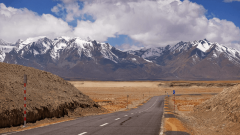
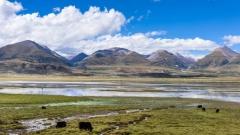
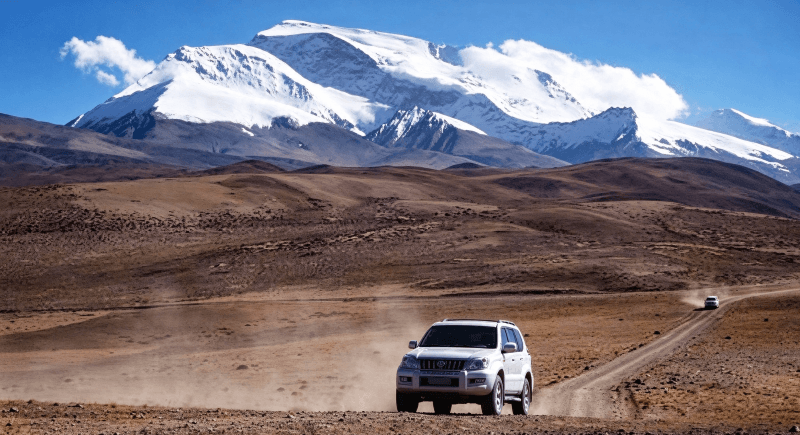
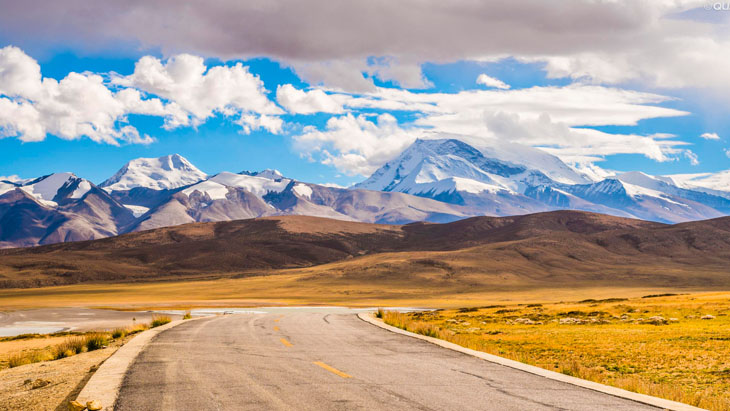
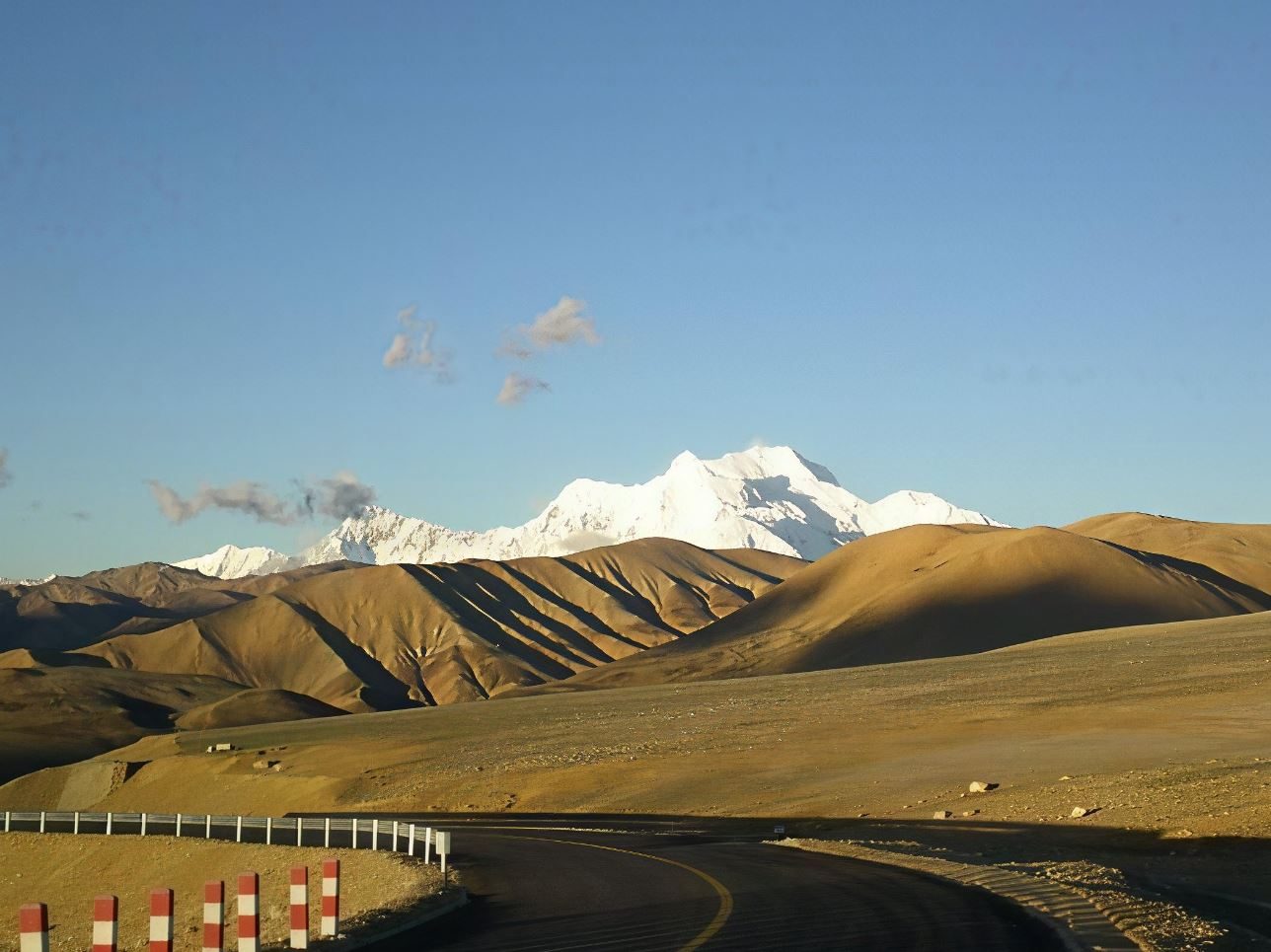
The appeal of the route lies partly in the changing scale of the landscape. Leaving Lhasa, travelers pass through more populated valleys and established towns before moving into wider, quieter spaces. As the road continues west, the plateau can feel increasingly open, with distant mountain ranges and long stretches of sparsely settled land. The scenery is a central part of the experience, but visibility varies with weather and dust, and not every drive offers clear views.
Saga and Zhongba are practical waypoints as much as destinations. Their role on an itinerary may be shaped by the day’s drive, accommodation availability, or route permissions. Treat stops as opportunities to rest, follow local guidance, and experience the rhythm of travel in the region. Avoid approaching restricted sites or photographing people, checkpoints, or official facilities without permission.
Purang is associated with the far-western Himalayan region and routes toward important pilgrimage landscapes. Access to specific sites may involve separate permissions, additional travel time, or rules that differ from those for the main road journey. Confirm which places are actually included in your itinerary. Do not assume a destination is accessible simply because it appears close on a map or is mentioned in a general travel description.
When to Travel and How to Plan Flexibly
The most suitable time depends on the road, weather, access rules, and your tolerance for cold and long drives. Conditions at high elevation can vary considerably, and seasonal patterns do not guarantee safe or open roads on any particular date. Before choosing dates, ask an operator familiar with the route about typical conditions for the period you are considering, then verify access closer to departure.
Allow extra days in the overall trip for acclimatization and possible delays. Avoid scheduling an international flight or another time-sensitive commitment immediately after the expected arrival in Purang. If the itinerary connects with travel in Nepal or India, verify the relevant border arrangements separately; a road journey to Purang does not itself guarantee permission to cross an international border. Border openings, crossing eligibility, and documentation are subject to official rules and can change.
Pack for both cold and strong sun. Useful items include layered clothing, a warm jacket, sturdy walking shoes, sun protection, a refillable water bottle, personal medication, a headlamp, and offline copies of important documents. Keep your main luggage manageable, but make a small day bag with water, snacks, medication, and warm clothing for the vehicle. Ask in advance whether meals, drinking water, and bedding are provided at each overnight stop.
A Responsible Travel Approach
Remote travel has practical and environmental consequences. Follow your guide’s instructions at checkpoints and in communities, stay on established routes, and take all waste back to an appropriate disposal point. Do not collect rocks, plants, or other natural objects, and avoid disturbing wildlife. Ask before photographing residents, homes, religious sites, or ceremonies. A respectful approach matters especially where communities see relatively few visitors.
Be realistic about comfort. Long drives, limited facilities, and schedule changes are part of traveling in this region. A good itinerary balances ambition with rest and leaves room to respond to local conditions. The most dependable preparation is not a promise of perfect weather or uninterrupted access; it is a clear route plan, an experienced team, the right permissions, and a willingness to adapt.
Planning the Lhasa to Purang Overland Journey
For a successful Lhasa to Purang overland trip via Saga and Zhongba, organize the essentials in the right order: check whether your route is currently authorized, arrange permits through a qualified operator, allow time to acclimatize in Lhasa, and confirm the vehicle, overnight stops, meals, and contingency plan. Then pack for cold, sun, limited services, and possible communication gaps.
The drive is best suited to travelers who are comfortable with remote conditions and understand that plans may change. Saga and Zhongba break up the westbound route, but the journey remains a serious high-altitude expedition rather than a standard intercity transfer. With a realistic schedule and careful preparation, travelers can focus on the landscapes and communities along the way while respecting the limits of the region and the rules that govern access.