Travel to Tibet from mainland China takes more planning than an ordinary domestic trip, but understanding the permit process, choosing the right route, and allowing time to adjust to altitude can make the journey much easier. Independent foreign visitors generally cannot travel around the Tibet Autonomous Region without an organized itinerary arranged through an authorized travel agency. Transport options include flights and trains from several mainland cities, while the overland route from Xining offers a gradual approach to the plateau. These are the key points to plan around:
- Arrange the required permits through an authorized agency.
- Choose a flight or train route that fits your schedule.
- Leave time to acclimatize in Lhasa.
- Confirm transport and hotel arrangements before departure.
- Pack for strong sun and changing temperatures.
A well-paced itinerary matters as much as the route. Rather than trying to see every major landmark in a few days, plan for a slower start in Lhasa and build in flexibility for altitude, weather, and travel times. Tibet Yulong Travel may be one operator to consider when comparing agencies; verify its current authorization, services, and terms before booking.
Travel to Tibet: Permits and booking
For most foreign passport holders, travel in the Tibet Autonomous Region must be arranged through an authorized travel agency. Visitors generally need a Tibet Travel Permit to enter the region, and additional permits may be required for certain destinations or routes. The agency normally applies for the necessary documents based on your passport details and confirmed itinerary. Permit rules can change, so ask your operator to confirm the requirements that apply to your nationality and planned route before you purchase nonrefundable transport.
A permit is not a substitute for a visa or other entry documents. Check the latest Chinese visa and entry requirements through official channels for your circumstances. Keep the passport details you provide to the agency accurate and consistent with your travel documents. Ask when the permit is expected to be issued, how it will be delivered, and what you must carry while traveling. Do not assume that an airline or railway ticket alone is enough to board; follow the agency’s current instructions about document checks.
When comparing agencies, look beyond the headline price. Request a clear itinerary, a written list of inclusions and exclusions, the group size, accommodation details, transport arrangements, and a contact for emergencies. Clarify whether meals, entrance fees, and airport or station transfers are included. A reliable operator should explain what happens if a road is closed, weather disrupts a journey, or a traveler feels unwell at altitude. Tibet Yulong Travel can be assessed using the same checklist: confirm its authorization and obtain written answers before paying a deposit.
Choose a route from mainland China
Flying to Lhasa
Flights to Lhasa Gonggar Airport operate from mainland cities, with schedules and connections varying by season and airline. A direct flight can save time, especially if your itinerary is short. On arrival, the airport is outside central Lhasa, so arrange a transfer in advance through your hotel or tour operator. The drive into the city takes time; allow for traffic and any planned stop rather than scheduling a tight connection immediately after landing.
Flying takes you quickly to high elevation, so avoid packing the first day with strenuous sightseeing. Keep water and essential medication accessible, follow your clinician’s advice, and rest if you feel unwell. A flight may be convenient, but it does not give the body a gradual ascent. Travelers with existing health concerns should seek medical advice before booking a high-altitude trip.
Taking the train
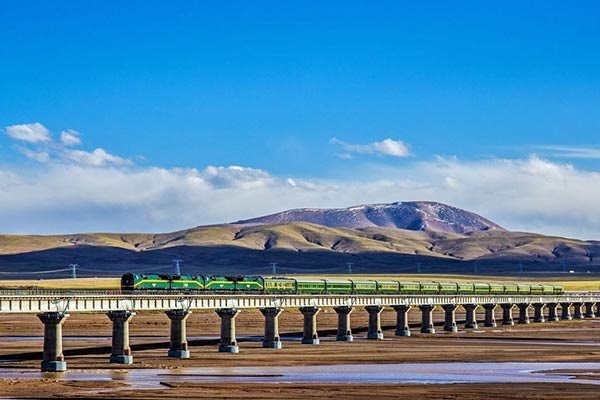
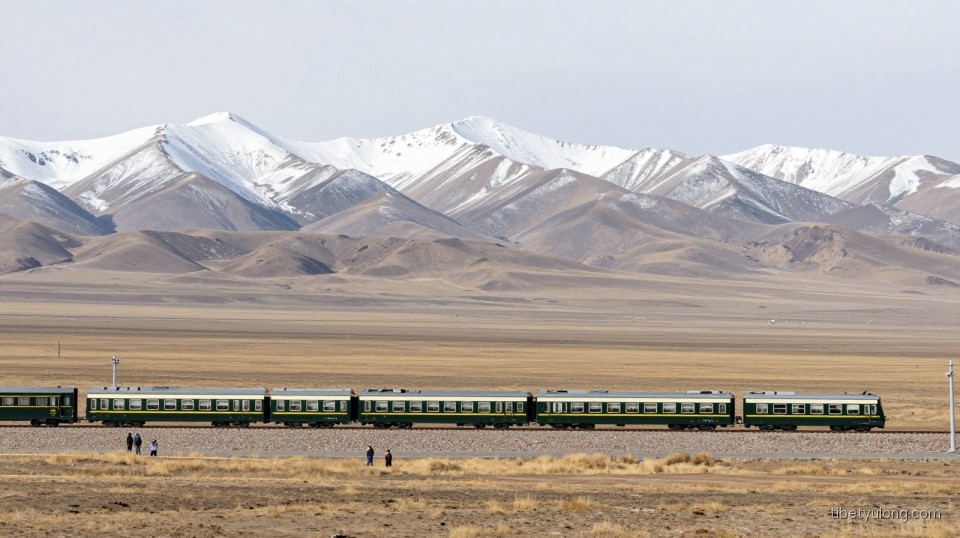
The Qinghai–Tibet Railway connects Lhasa with mainland rail hubs, including Xining, and some services run through other major cities. The train offers a long overland journey across high-altitude terrain and can be an appealing way to see the landscape. It also takes considerably longer than flying, and tickets can be difficult to secure for popular dates. Check current schedules and availability through official railway channels or a trusted booking service.
Do not count on the train to eliminate altitude-related problems. The route reaches very high elevations, and passengers may still experience symptoms. Follow onboard guidance, take it easy after arriving, and keep your first days flexible. If you choose a train from a distant city, compare the total journey time and connection arrangements with the cost and convenience of flying.
Overland via Xining
Some travelers fly to Xining and continue by train or road. This can create a more gradual approach than flying directly to Lhasa, although the route still reaches high altitude and does not guarantee that you will avoid symptoms. Xining also works as a practical connection point for travelers who want to spend time exploring Qinghai before entering Tibet. Confirm that your planned route and all required documents are covered by the agency before departure.
Build a sensible itinerary
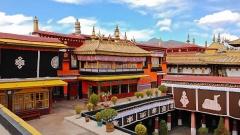
Lhasa is the usual starting point for a first trip. The Potala Palace, Jokhang Temple, and Barkhor area are among the best-known sights, but visits should be arranged in accordance with local rules and any ticketing requirements. A guide can explain the cultural and religious context and help you follow site etiquette. Dress respectfully at religious places, ask before photographing people, and obey signs or requests that restrict photography.
Allow at least a couple of easy days in Lhasa before heading to higher or more remote destinations. This is a planning suggestion, not a medical guarantee: acclimatization varies from person to person. Keep the first day light, avoid strenuous activity, and drink normally. If you develop severe or worsening symptoms—such as breathlessness at rest, confusion, or difficulty walking—seek urgent medical help and tell your guide. Do not try to push through serious symptoms to keep to an itinerary.
Once settled, travelers may consider day trips or longer routes depending on permits, road conditions, and available time. Popular itineraries can include Yamdrok Lake, Gyantse, and Shigatse, while journeys toward Everest Base Camp or other remote areas require more planning and time on the road. Distances on a map can be misleading: mountain roads, weather, checkpoints, and rest stops affect journey times. Ask your operator for realistic daily driving estimates and avoid stacking long drives with several major visits.
A one-week trip can focus on Lhasa and nearby destinations, while a longer stay allows a broader route and more rest. Keep some flexibility for weather and transport changes. Confirm whether the itinerary includes overnight stays at high elevation, and discuss any concerns with your guide before leaving Lhasa.
Budget, transport, and accommodation
The cost of Travel to Tibet depends on the season, group size, accommodation standard, transport, and route. Organized trips may bundle a guide, vehicle, hotels, and some tickets, but inclusions differ. Request an itemized quote and check whether the price covers the permit application service, meals, entrance fees, airport or station transfers, and any single-room supplement. Also ask about payment deadlines, cancellation terms, and what is refundable if plans change.
Group tours can lower the per-person cost but offer less control over pace and stops. Private arrangements provide more flexibility and may suit families or travelers with specific needs, though they generally cost more. For either option, make sure you know the type of vehicle, the number of passengers, and how luggage will be handled. On long journeys, a comfortable vehicle and sensible breaks make a meaningful difference.
Accommodation ranges from simple guesthouses to higher-standard hotels, with choices depending on the destination. In remote areas, facilities may be more basic than in Lhasa, and availability can be limited. Ask about heating, hot water, meals, and backup arrangements rather than assuming every property offers the same amenities. Book through your agency or confirm directly with the property, especially for overnight stops outside major cities.
What to pack and how to prepare
The plateau can bring intense sunlight, dry air, wind, and noticeable temperature changes between day and night. Pack layered clothing, a warm outer layer, comfortable walking shoes, sunglasses, sunscreen, and lip balm. A hat and reusable water bottle are useful for day trips. Conditions vary by season and elevation, so check a reliable forecast close to departure and follow your guide’s advice for the route.
Bring your passport and the travel documents requested by your agency, along with copies stored separately. Carry any regular medication in its original packaging and consult a healthcare professional about personal risks, altitude, and suitable precautions. Do not rely on a particular medicine as a substitute for gradual acclimatization or medical care. Travel insurance should explicitly cover the activities and elevations on your itinerary; read the policy details instead of relying on a broad summary.
Download maps and essential information before leaving areas with reliable mobile service, but do not assume that every remote road has consistent coverage. Share your itinerary with someone at home and keep your guide’s contact details available. Pack modestly for remote travel and bring small essentials you may not find easily outside larger towns.
Respect local culture and travel responsibly
Tibet’s monasteries, temples, and pilgrimage sites are living places of worship, not simply sightseeing stops. Follow your guide’s instructions, observe posted rules, and keep your voice low. Ask permission before photographing individuals, and never photograph where it is prohibited. Avoid touching religious objects or interrupting people who are praying. Modest clothing and patient behavior show respect in both religious and everyday settings.
Buy locally made goods from reputable sellers, avoid disturbing wildlife, and take all litter with you. Water and waste services can be limited in remote areas, so use facilities responsibly and follow local guidance. Keep a respectful distance from animals and do not feed them. Responsible travel also means accepting that access, routes, and opening arrangements may change; local instructions take priority over a fixed sightseeing checklist.
Planning with a local travel agency
An experienced local agency can coordinate permits, guides, vehicles, accommodation, and route changes, which is especially useful for visitors who cannot travel independently in the region. When researching Tibet Yulong Travel or another operator, verify current authorization, ask for a detailed written itinerary, and make sure the service matches your expectations. Check recent independent feedback where available, but judge specific claims carefully and confirm practical details directly with the agency.
Before confirming, provide accurate passport information and disclose relevant mobility or health needs. Ask who will meet you at the airport or station, how to contact the guide, and what support is available in an emergency. Keep copies of your booking and payment records. Clear communication before departure helps prevent misunderstandings and gives you a more realistic picture of the trip.
Travel to Tibet from mainland China is most rewarding when the logistics are settled before you arrive and the schedule leaves room to adapt. Compare routes carefully, confirm permit requirements with an authorized operator, and treat acclimatization as part of the itinerary rather than an inconvenience. With realistic expectations and respectful preparation, you can focus on the landscapes, history, and daily life that make the journey distinctive.