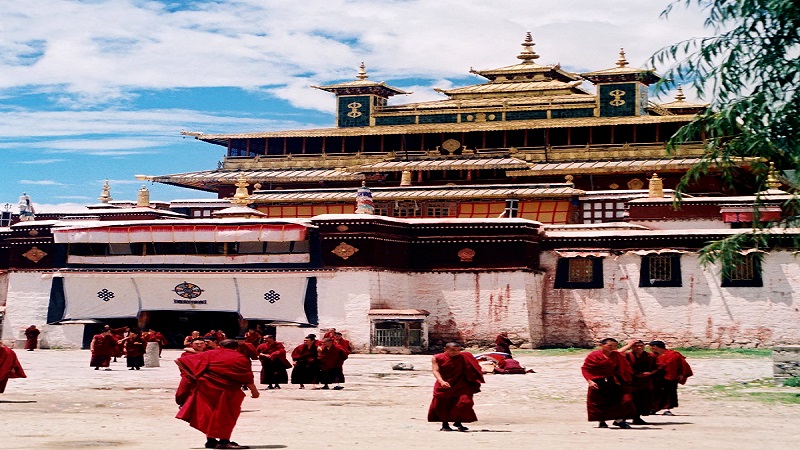
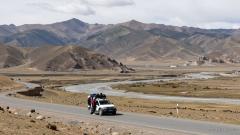
A 14-day Ngari grand circuit private tour Tibet is an ambitious journey through western Tibet, linking the sacred landscapes around Mount Kailash and Lake Manasarovar with the high-altitude plains of the Ngari region. The route is rewarding, but it is not a casual road trip: long distances, rough sections, limited services, and thin air make careful planning essential. A private vehicle and experienced local team allow more flexibility for rest stops and changing conditions, while a well-paced itinerary gives you time to acclimatize before reaching the highest areas. This guide explains a practical route, what you can expect each day, how to prepare for altitude, and what to confirm before booking. It also clarifies the difference between visiting Kailash by road and undertaking the demanding kora on foot, so you can choose an experience that suits your health, time, and travel style.
- A realistic day-by-day route from Lhasa to Ngari and back
- How a private tour differs from an independent trip
- What to know about altitude, the Kailash kora, and road conditions
- Permits, packing, accommodation, and booking questions
What a 14-Day Ngari Grand Circuit Private Tour Tibet Includes
The phrase “grand circuit” is used by travelers and tour operators for itineraries that combine the Mount Kailash area with major sights in western Tibet. It does not refer to one universally fixed route. A typical journey travels west from Lhasa, passes through Shigatse and the high plateau, visits Lake Manasarovar and the Mount Kailash region, then returns toward Lhasa. Some versions add remote lakes or archaeological sites, while others devote more time to the Kailash kora.
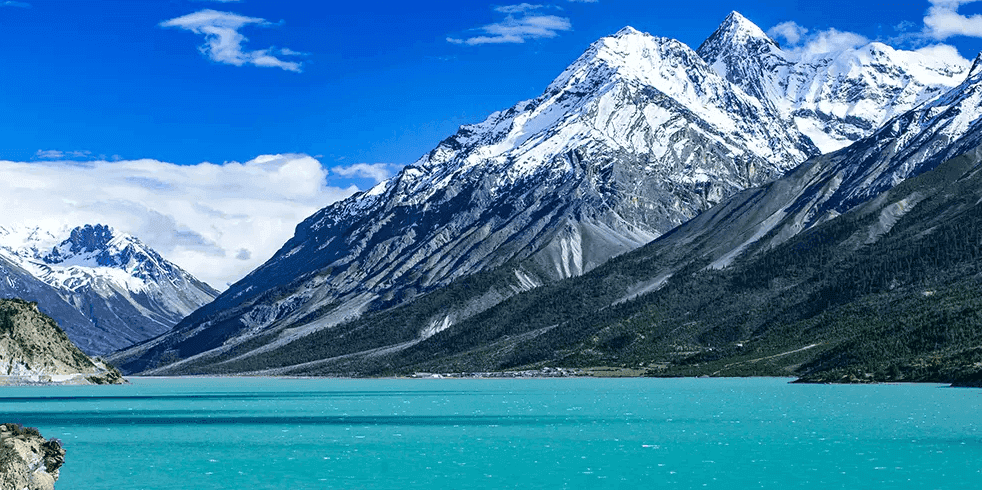
A private tour generally means that your group has its own vehicle, driver, and guide rather than sharing transport with strangers. The guide helps coordinate permits, accommodation, local arrangements, and daily logistics. A private tour is not the same as fully independent travel: foreign visitors to Tibet must follow applicable travel and permit requirements, and arrangements should be made through an authorized travel agency. Requirements and access conditions can change, so confirm them with the operator before paying a deposit.
The itinerary below is a planning framework, not a promise of exact driving times or access. Road conditions, weather, checkpoints, local regulations, and altitude symptoms can all affect the schedule. Build flexibility into your expectations, especially in remote areas where alternatives may be limited.
Suggested 14-Day Ngari Grand Circuit Itinerary
Day 1: Arrive in Lhasa
Arrive in Lhasa and transfer to your hotel. Keep the first day light: drink water, eat modestly, and avoid strenuous activity and alcohol. Even travelers who have spent time at high elevations elsewhere should treat the first day as an adjustment period. Your guide can review the route, check documents, and explain how to recognize symptoms that need medical attention.
Day 2: Acclimatize in Lhasa
Spend another day in Lhasa, with a gentle visit to a city attraction if you feel well and your itinerary allows it. The Potala Palace and major religious sites may require advance arrangements or timed entry, so follow your operator’s guidance. Walk slowly, take breaks, and do not treat sightseeing as a fitness test. This extra night is especially valuable before a long overland journey into higher and more remote country.
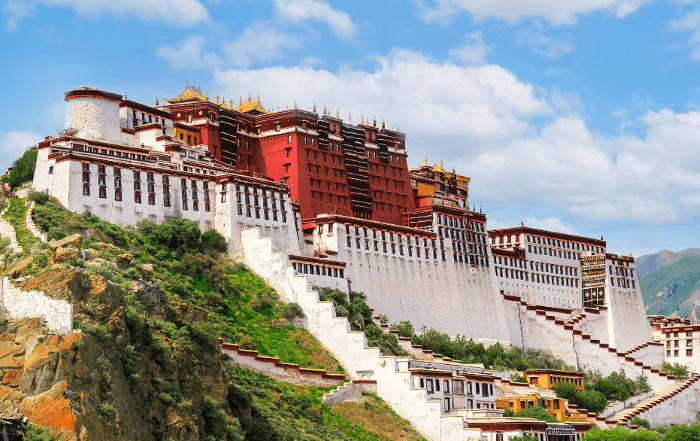
Potala Palace
Day 3: Lhasa to Shigatse
Travel west toward Shigatse, Tibet’s second-largest city. The drive may include scenic stops and passes, but the day is still a substantial road journey. Your guide will manage the sequence according to road conditions and any access arrangements. Shigatse provides a useful staging point for the westbound drive, with more services than you will find farther into Ngari.
Day 4: Shigatse to Saga
Continue toward Saga through wide valleys and high-altitude landscapes. The scenery becomes increasingly open, and settlements grow more widely spaced. Take regular breaks, keep warm, and eat even if your appetite is reduced. Saga is commonly used as an overnight stop on routes to Mount Kailash and Lake Manasarovar, though accommodation standards and availability can vary.
Day 5: Saga to the Lake Manasarovar area
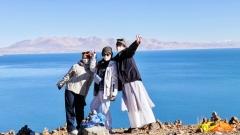
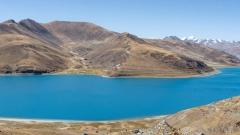
Head toward Lake Manasarovar, one of the most important sacred lakes in the Tibetan Plateau. The lake’s appearance changes with light and weather, and its scale can be difficult to grasp from a single viewpoint. Follow local rules around access and photography, and do not assume that every shoreline section is open to visitors. Keep the day unhurried; the altitude and distance matter more than fitting in extra stops.
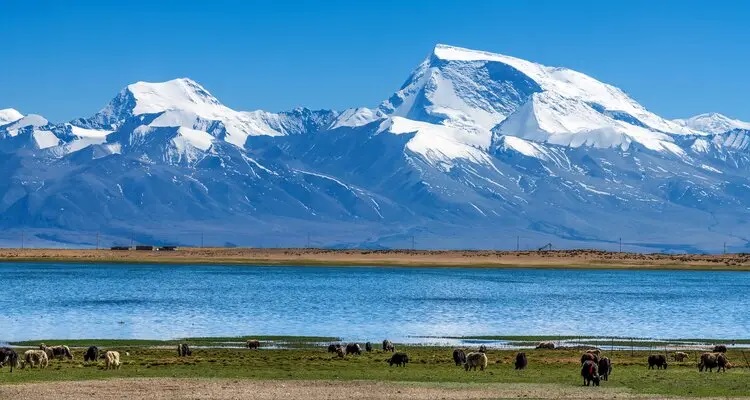
Lake Manasarovar
Day 6: Lake Manasarovar and Mount Kailash viewpoints
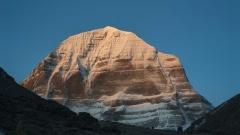
Use this day to explore designated viewpoints around Manasarovar and the Mount Kailash region, subject to route access and conditions. Mount Kailash is revered by several religious traditions, and visitors should behave respectfully around pilgrimage sites and ritual activity. This overland visit is different from completing the Kailash kora. If a circumambulation is part of your plan, confirm how many days it requires, where the route begins, what support is available, and whether it fits the overall 14-day schedule.
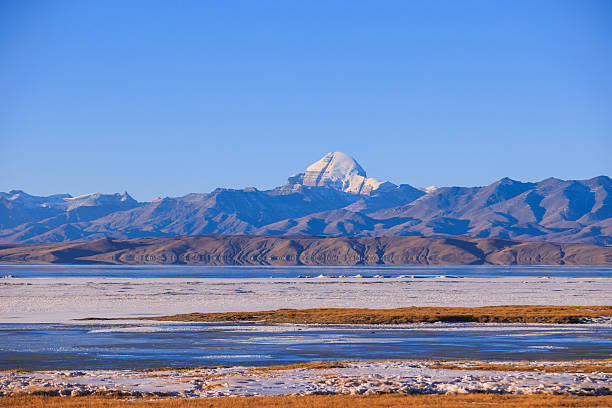
Mount Kailash
Day 7: Drive to Darchen
Travel to Darchen, the main staging settlement for the Kailash kora. Use the afternoon to rest and check your walking gear if you are undertaking the trek. The route is strenuous because of altitude, uneven ground, and exposure to changing weather. A private vehicle cannot remove those physical demands, and a guide cannot guarantee that every traveler will be able to finish. Discuss a conservative plan and turnaround options before setting out.
Days 8–10: Kailash kora or a lower-exertion alternative
A standard kora is often planned over three days, but actual timing depends on a traveler’s pace, health, weather, and local arrangements. The route includes a high pass and should not be treated as an ordinary hike. Carry appropriate layers, reliable footwear, water, snacks, sun protection, and any personal medication. Follow your guide’s advice and turn back if you develop serious symptoms such as worsening breathlessness at rest, confusion, loss of coordination, or persistent vomiting. Seek medical help as soon as possible.
If you do not plan to walk the kora, use these days for a more measured visit around the area, subject to permitted access. This can make the overall trip less physically demanding, but it does not remove the need for altitude precautions. Confirm in advance where the vehicle can travel, how the group will spend the time, and whether the itinerary includes a return to Darchen or another overnight stop.
Day 11: Darchen to Saga
Begin the eastbound return, usually with an overnight stop in Saga. After the Kailash area, a shorter or slower day can be welcome. The driver may need to adjust the route for road conditions or checkpoints. Keep essential items in your day bag rather than packed away in luggage, and tell your guide promptly if you feel unwell.

Prayer flags fluttering during Saga Dawa Festival
Day 12: Saga to Shigatse or a nearby overnight stop
Continue east across the plateau. Depending on the exact route and road conditions, the overnight location may vary. This is one reason to treat a published itinerary as a framework rather than a fixed timetable. Ask your operator what alternatives are used if a road is delayed or a planned accommodation option is unavailable.
Day 13: Return to Lhasa
Drive back toward Lhasa. It is a long travel day, and arrival time can vary. Avoid scheduling a tightly timed onward connection for the same evening. A buffer is sensible after a remote overland journey, especially if you are flying onward or connecting to another destination.
Day 14: Departure from Lhasa
Transfer to the airport or railway station according to your departure plan. If your schedule allows, an additional night in Lhasa gives you more protection against delays and time to recover before continuing your trip.
Choosing Between the Road Circuit and the Kailash Kora
Travelers sometimes use “Kailash tour” and “Kailash kora” as though they mean the same thing. They do not. A road circuit can include views of Mount Kailash and time at nearby pilgrimage sites without completing the multi-day walk around the mountain. The kora is a demanding high-altitude trek that requires a separate assessment of health, fitness, equipment, and available time.
Before booking, state clearly whether you want to walk the kora. Ask the agency to show the walking days in the itinerary and identify where you sleep each night. Clarify how luggage is handled, whether porter or pack-animal services can be arranged, what support is available, and what happens if you need to stop early. Do not rely on a general statement that the tour “includes Kailash”; get the actual walking plan in writing.
A private group can move at its own pace more easily than a large shared group, but that flexibility has limits. Local access rules, weather, and the physical realities of altitude still apply. The safest plan is one that allows rest and does not pressure anyone to continue when they are unwell.
Why Choose a Private Tour?
A private arrangement is useful on a route where transport, permits, and overnight logistics need coordination. You can discuss the pace and interests of your group before departure, and the guide can adapt stops when conditions permit. This can be particularly helpful for families or small groups with different photography, cultural, or trekking priorities.
Private does not automatically mean faster, more comfortable, or more flexible in every circumstance. Some roads have long stretches without facilities, and accommodation choices may be limited in remote settlements. A dedicated vehicle also does not guarantee access to restricted areas. Confirm the vehicle type, luggage capacity, guide language, accommodation category, and any additional fees as part of the written proposal.
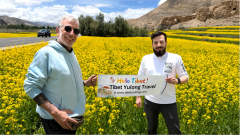
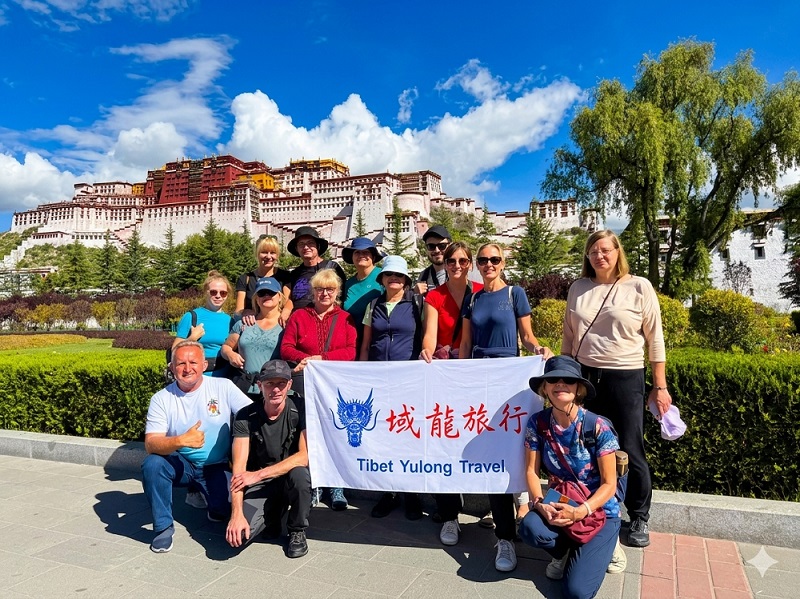
For travelers considering Tibet Yulong Travel, evaluate the itinerary and service details rather than relying on the company name alone. Ask which services are included, who handles permit applications, how the operator responds to altitude illness or road disruption, and whether the quoted price covers local transport, accommodation, meals, and the guide. Request clear cancellation and change terms, and verify that your group’s travel documents are suitable for the planned route.
Permits and Booking Considerations
Foreign visitors generally need to arrange Tibet travel through an authorized operator, with required permits and transport coordinated in advance. The exact documentation depends on nationality, route, and current regulations. Rules for travel in western Tibet can be especially specific, so do not assume that a permit for Lhasa alone covers the Ngari region. Ask the operator to confirm the requirements for every destination on your itinerary and explain what documents you must provide and by when.
Do not make non-refundable flight or hotel commitments based on an unconfirmed permit timeline. Access rules and administrative processes can change, and no operator can guarantee approval or entry under all circumstances. Keep digital and printed copies of your passport and relevant travel documents, and carry the originals as instructed by your agency. At checkpoints, follow your guide’s directions and avoid photographing security facilities or personnel.
When comparing quotations, look beyond the headline price. Check whether the package includes airport transfers, a private vehicle and driver, fuel, guide services, accommodation, meals, entrance fees, and any support related to the kora. Ask about single-room supplements and the cost of additional nights if a delay changes the schedule. A detailed list makes it easier to compare offers fairly.
Altitude, Health, and Safety
The altitude is the main practical challenge of a 14-day Ngari grand circuit private tour Tibet. Lhasa is already high above sea level, and much of the route travels at still greater elevations. Individual responses vary, and previous experience at altitude does not guarantee that you will be unaffected on this trip. A gradual start, rest, and honest communication with your guide are important.
Speak with a medical professional before travel, particularly if you have a heart or lung condition, are pregnant, or take medication that may affect exertion or hydration. Ask about altitude illness prevention and whether your personal medical history changes the advice. Do not self-prescribe prescription medication based on another traveler’s experience. Carry your regular medication in its original packaging and bring enough for possible delays.
During the journey, pace yourself and avoid strenuous activity when symptoms begin. Headache, nausea, dizziness, unusual fatigue, and poor sleep can occur at altitude, but worsening symptoms should not be dismissed as normal. Severe breathlessness at rest, confusion, difficulty walking straight, or a rapidly deteriorating condition requires urgent attention and descent where feasible. Oxygen may be available in some places, but it is not a substitute for appropriate medical care or descent.
Weather can change quickly. Pack layers that work together, including wind protection and warm clothing, even if the forecast looks mild. High-altitude sun is intense, so use sunglasses, sunscreen, and lip protection. Drink regularly, but follow medical advice if you have a condition that affects fluid intake. Bring a small personal first-aid kit and any familiar snacks that help you eat when appetite is low.
What to Pack for the Ngari Circuit
Keep luggage practical and organized. A warm sleeping layer, thermal base layers, a fleece or insulated mid-layer, and a windproof outer shell cover changing conditions more effectively than one bulky coat. For the kora, use well-broken-in walking shoes or boots with good grip. Trekking poles can help on uneven ground, but they do not make high-altitude exertion risk-free.
Carry a daypack for water, snacks, medication, sunscreen, sunglasses, a hat, gloves, and a spare warm layer. Bring power banks and charging cables; power access may be limited or inconsistent in remote accommodation. Keep cash in small denominations for personal purchases where card payments may not be accepted. A headlamp, tissues, hand sanitizer, and a reusable water bottle are also useful.
Pack modestly and protect electronics from dust and cold. Keep important documents, valuables, and essential medication with you rather than in the vehicle’s main luggage. If you need specialized equipment or have dietary requirements, tell the operator well before departure instead of assuming it can be obtained on the route.
Accommodation, Food, and Road Conditions
Accommodation becomes simpler as the route moves away from larger towns. In Lhasa and Shigatse, travelers usually have more choice, while options in remote areas may be basic and availability can be limited. Confirm the expected standard and whether a private bathroom is available at each overnight stop. Heating, hot water, and Wi-Fi should be treated as variable rather than guaranteed outside major centers.
Meals are practical rather than elaborate on many road days. Your operator may arrange local restaurants or hotel meals, but options can be narrow in small settlements. Tell the agency about allergies, vegetarian meals, or other dietary needs before the trip and confirm how these will be handled. Carry a few familiar snacks for long drives, while still drinking and eating sensibly at altitude.
Driving times can change with road works, weather, checkpoints, and traffic. The most useful question is not simply “How many hours is the drive?” but “What is the backup plan if we cannot reach the planned overnight stop?” A reliable operator should explain how the schedule can be adjusted without encouraging unsafe driving or unrealistic promises.
How to Select a Responsible Tour Operator
A good operator should provide a route that matches the time available, explain the physical demands honestly, and answer practical questions in writing. Look for clear information about the guide, driver, vehicle, permit process, accommodation, meals, and emergency arrangements. Ask whether the itinerary has acclimatization time and what happens if a traveler develops altitude symptoms. Vague answers about medical support or guaranteed access deserve follow-up.
It is also worth asking how the trip treats local communities and sacred sites. Follow instructions at monasteries and pilgrimage areas, dress respectfully where appropriate, and ask before photographing people. Avoid leaving rubbish behind, and do not remove stones, plants, or other items from protected or culturally significant places.
A 14-day Ngari grand circuit private tour Tibet works best when the schedule is built around realistic travel days and the group’s health rather than a checklist of stops. Confirm the route, services, and contingency plans before booking, then leave room for the landscape and local conditions to shape the journey.