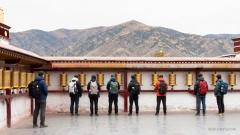
A Cona Lake remote border tour in southern Tibet is best approached as a carefully planned journey through a high-altitude border region, not as a casual lakeside excursion. The lake lies in Lhünzê County in Shannan, close to the China–India border, where access, road conditions, and local rules can shape an itinerary. Before setting out, arrange the required Tibet travel documents and confirm that the route is open to foreign visitors. Allow time to acclimatize in Tibet, travel with a licensed local operator when required, and keep plans flexible for weather or security restrictions. The rewards are quiet mountain landscapes, broad views of water and pasture, and a sense of distance from the better-known circuits around Lhasa. This guide explains how to plan realistically, what to expect on the road, and how to visit with respect for local communities and the fragile environment.
- Confirm permits and route access before booking.
- Build in time for altitude acclimatization.
- Expect long drives and limited facilities.
- Follow local guidance near the border.
- Travel lightly and leave no trace.
Why visit Cona Lake?
Cona Lake, also spelled Cuona Lake or Tsona Lake in some English-language materials, is a remote freshwater lake in southern Tibet’s Shannan region. It is associated with Lhünzê County, a wide area of high valleys, grassland, and mountain terrain. The name may appear in more than one transliteration, so travelers should confirm the Chinese or Tibetan place name and exact destination with their operator before departure.
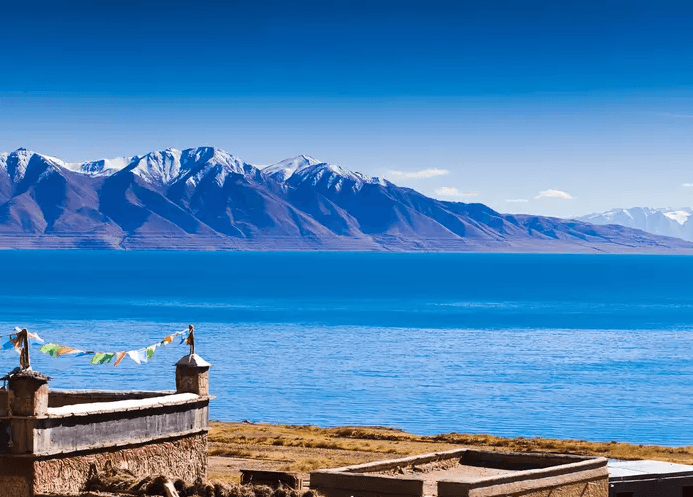
Cona Lake
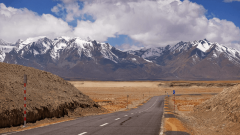
The appeal is not a developed resort or a long list of attractions. Instead, visitors come for the landscape: open water under a large sky, distant ridges, grazing land, and the changing light of the plateau. Depending on the route and season, the surroundings may look green and pastoral or spare and windswept. Clear weather can bring strong visibility, while cloud, rain, or snow can quickly change the mood and the road conditions.
A Cona Lake remote border tour in southern Tibet suits travelers who value scenery, quiet, and a sense of remoteness more than convenience. It is less suitable for anyone expecting frequent restaurants, reliable mobile reception, or a tightly timed sightseeing schedule. The lake is part of a sensitive border region, so access should never be assumed simply because a location appears on a map or in an online itinerary.
Where Cona Lake fits into a southern Tibet itinerary
Lhünzê County is in Shannan, south of the Yarlung Tsangpo valley and within a region that has substantial distances between settlements. Lhasa is the usual starting point for visitors arriving in Tibet, but reaching the lake can involve a long overland journey through several counties. Exact distance and driving time depend on the approved route, current road conditions, stops, and where the trip begins. Treat any estimate as provisional until a local operator has confirmed the itinerary.
Some travelers combine the lake with other destinations in Shannan, but the best sequence depends on permits, access, and altitude. A route through the region may include time in or near Tsetang, the administrative center of Shannan, before continuing toward more remote areas. Do not assume that every attraction in the prefecture can be visited on the same trip: some sites may require separate arrangements, and border-area access can change.
For a first visit to Tibet, it is sensible to spend several nights at a lower or more accessible altitude before heading into remote areas. Lhasa itself is high, and travel farther south or east can involve additional altitude exposure and demanding road days. A responsible itinerary gives the body time to adjust and avoids stacking long drives immediately after arrival.
Permits, access, and border-area rules
Tibet travel requirements depend on nationality, travel status, and the places on the itinerary. Foreign visitors generally need the appropriate Tibet travel authorization and must follow the rules for organized travel. A visit to a remote border area may involve additional permissions or restrictions. The exact documents required for Cona Lake should be confirmed for your travel dates by a licensed Tibet travel agency; requirements can differ from those for a standard Lhasa–Shigatse tour.
Do not rely on old blog posts, forum comments, or a map pin as proof that a route is open. Local authorities may restrict access for reasons that are not visible to travelers, and permission for one county or attraction does not automatically cover another. Ask the operator to confirm in writing that the proposed route is permitted and that the required documents will be arranged before you leave the main travel corridor.
Carry your passport and travel documents as instructed, and follow checkpoint procedures calmly. Photography may be restricted around checkpoints, military facilities, or other sensitive locations. If a driver, guide, or official asks you not to photograph a place, put the camera away. Avoid publishing precise details about security installations or restricted areas.
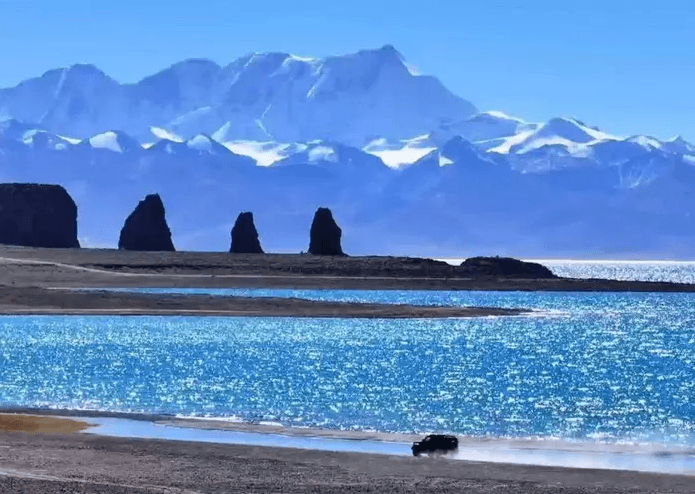
For international travelers, independent self-driving is not a substitute for authorized travel arrangements. A licensed operator can help coordinate a suitable vehicle, guide, documents, and route checks. These arrangements are particularly important on a Cona Lake remote border tour in southern Tibet, where a last-minute change can affect both access and overnight plans.
Best season and conditions
The warmer months are generally the most practical for overland travel in southern Tibet, but no season guarantees ideal weather or open roads. Summer can bring milder temperatures and greener pasture, as well as rain and low cloud. Autumn often offers crisp air and good visibility, though nights are cold. Spring can be windy, and winter may bring snow, ice, or difficult driving conditions on exposed sections.
At high elevation, the weather can shift within hours. A sunny departure does not guarantee a clear afternoon, and temperatures fall sharply after sunset. Check the forecast with your local team shortly before departure, but remember that forecasts for a remote valley may be limited. Pack for wind, sun, and cold even if the day looks warm in town.
The best time for your trip also depends on access rules and road conditions rather than scenery alone. Ask whether the route is open, whether overnight stops are operating, and whether recent weather has affected travel. Build spare time into the itinerary instead of scheduling a fixed return connection immediately after the planned lake visit.
Getting there: roads, transport, and timing
Most visitors reach the region by road with a local driver and guide. The journey is part of the experience: roads pass through high valleys, settlements, grazing areas, and broad stretches of plateau. At the same time, long hours in a vehicle can be tiring, and the route may include rough surfaces, construction, or slow sections. A comfortable, well-maintained vehicle is more useful than trying to cover the distance as quickly as possible.
Ask the operator how much driving is planned each day and where the group will stop. Confirm whether fuel, meals, accommodation, and local transport are included, and what happens if the route becomes inaccessible. Do not assume that a standard passenger car is appropriate. Vehicle choice should reflect the actual route and conditions, not just the number of travelers.
Road travel in the region calls for patience. A slower pace allows time for rest, photography where permitted, and adjustments if weather or roadworks delay the journey. Keep essentials in the vehicle: water, snacks, warm layers, sun protection, personal medication, and a power bank. Mobile service can be unreliable outside larger settlements, so download necessary documents and maps in advance, while relying on your guide for approved navigation.
A realistic sample itinerary
A practical itinerary needs to be designed around current access and your starting point. As a broad planning model, spend the first days in Lhasa or another approved stop to rest and acclimatize. Continue toward Shannan with an overnight stay rather than attempting to drive directly into a remote area after arrival. If permissions and road conditions allow, devote a separate day to the lake and nearby scenery, then return by the approved route with time for delays.
This is a planning framework, not a promise that a particular route or overnight stop is available. Your operator should set the final schedule after checking access and local conditions. If the itinerary includes several remote destinations, ask whether the added driving is worthwhile or whether a slower, more focused trip would be safer and more enjoyable.
Altitude and health
High altitude is one of the main considerations for any southern Tibet trip. Symptoms of altitude sickness can include headache, nausea, dizziness, unusual fatigue, and shortness of breath. Serious illness can develop, so do not treat symptoms as a normal part of travel or try to push through them to keep a schedule.
Arrive with enough time to rest and acclimatize before taking on long drives or higher elevations. Avoid strenuous activity during the first days, drink regularly, eat lightly if you feel unwell, and limit alcohol. If symptoms worsen, tell your guide promptly and seek medical care. The safest response to serious altitude symptoms may involve descending, even if that means changing the itinerary.
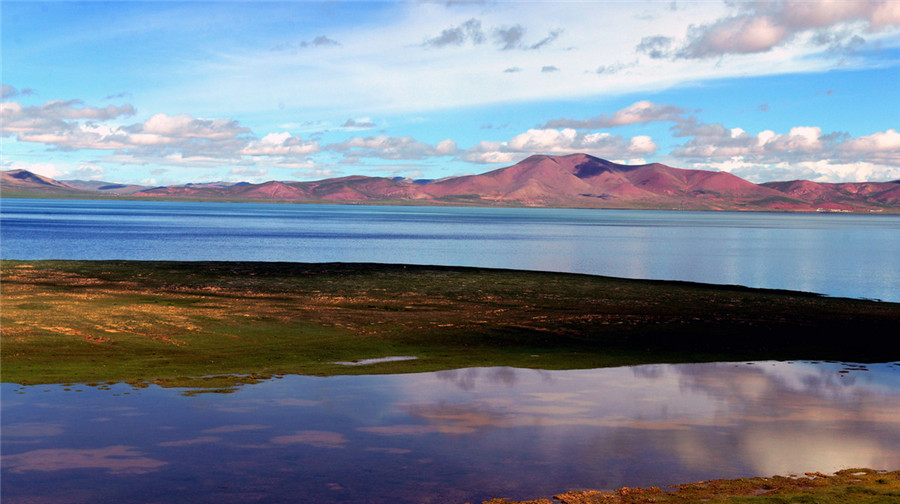
Cona Lake
People with heart, lung, or other significant medical conditions should discuss the trip with a qualified clinician before booking. Bring prescribed medication in its original packaging and carry a small personal medical kit. Do not rely on remote clinics being available along the route. Travel insurance should be checked for high-altitude travel and emergency evacuation coverage, with the policy details understood before departure.
What to expect at the lake
A visit to Cona Lake is primarily about taking in the landscape at a measured pace. The shoreline may not have the facilities of a developed tourist area, and access points can vary with the route and local rules. Your guide can identify appropriate places to stop and explain what is permitted. Stay within approved visitor areas rather than walking toward restricted terrain or attempting to explore unmarked tracks.
The lake and surrounding grasslands are part of a living landscape, not an empty backdrop. You may see livestock, local residents, or seasonal activity. Give animals plenty of space, do not block herding routes, and ask before photographing people or homes. A respectful approach is especially important in small communities where visitors are uncommon.
Light changes quickly across the water and mountains. Early and late hours can be beautiful, but cold, wind, and limited visibility may make a long stay uncomfortable. Dress in layers, protect your face and hands, and keep camera equipment secure against dust and wind. If conditions are poor, follow your guide’s advice rather than prioritizing a photograph.
Local culture and responsible travel
Southern Tibet is home to communities with their own languages, customs, and routines. Visitors should be considerate in villages, monasteries, and places of worship. Follow posted rules, dress modestly where appropriate, and ask before entering religious spaces or taking photographs. If a site is closed or a ceremony is underway, do not treat it as a tourist performance.
When buying food or small goods, use local businesses where available and be patient if choices are limited. Carry small amounts of cash as a backup, while checking payment options in advance. Avoid giving money or sweets directly to children; if you want to support a community, ask your operator about appropriate local services or established initiatives.
Environmental care matters in a high-altitude region where waste collection may be limited. Pack out wrappers, bottles, and tissues. Do not leave food scraps, disturb wildlife, pick plants, or drive off designated roads. Use water thoughtfully and avoid detergents or litter near the lake. A low-impact visit helps protect the landscape for residents and future travelers.
Food and accommodation
Food and lodging in remote parts of Shannan are more limited than in Lhasa. Depending on the approved itinerary, accommodation may be basic, and the available menu may rely on local staples and simple Chinese dishes. Confirm room arrangements, heating, bathrooms, and meal availability before departure, especially if you have dietary needs.
Bring snacks that travel well and any food you need for medical or dietary reasons. Vegetarian meals may be possible, but variety can be limited; explain requirements clearly to the operator in advance. Do not expect a specific restaurant or hotel to be available until the booking is confirmed. In remote areas, flexibility is part of a realistic travel plan.
What to pack
Pack for changing temperatures and strong sun. Useful items include layered clothing, a windproof outer shell, a warm hat, gloves, sturdy walking shoes, sunglasses, high-SPF sunscreen, and lip balm. Even brief exposure can feel intense at altitude, while shade and evening temperatures can be cold.
Bring a refillable water bottle, personal medication, basic first-aid supplies, tissues, hand sanitizer, and a power bank. A small amount of cash is useful where card payment is unavailable. Keep your passport and permits accessible but secure, and carry copies of important documents separately. If you plan to use a camera or phone, bring spare batteries and protect devices from cold and dust.
Pack light enough for easy loading and unloading. Large hard-shell luggage can be awkward on a multi-stop road journey, particularly where accommodation has limited storage. Ask the operator about luggage limits and whether a day bag should be kept separate from main baggage.
Choosing a local tour operator
A suitable operator should be able to explain the route, permit process, realistic drive times, accommodation standards, and contingency plan in clear language. Ask who will guide the trip, what vehicle will be used, and how the team responds to altitude sickness or road closures. A vague promise that “everything will be arranged” is not enough for a remote border itinerary.
Tibet Yulong Travel can be considered as one possible local planning resource, but travelers should independently verify that any company is appropriately licensed and able to arrange the specific route and documents required. Before paying, request a written itinerary and itemized inclusions. Clarify whether permits, guide services, transport, accommodation, meals, and entrance fees are covered, and ask what refund or change terms apply if access is restricted.
It is also reasonable to ask how the operator handles safety, local employment, waste, and respectful photography. A dependable company will set expectations honestly, including the possibility that the lake or a planned section may become inaccessible. For a Cona Lake remote border tour in southern Tibet, transparent communication is more valuable than an ambitious itinerary that leaves no room for changing conditions.
Practical planning checklist
Before booking, confirm that your nationality and travel status are compatible with the proposed arrangements. Check the required Tibet authorization and any additional permissions for the route. Obtain written confirmation that access to the lake is approved for your planned dates, while understanding that local restrictions can still change.
Before departure, share your medical needs and dietary requirements with the operator. Verify the vehicle, accommodation, daily driving plan, and emergency arrangements. Keep a flexible schedule, purchase suitable travel insurance, and prepare for weak connectivity. During the journey, follow your guide’s instructions, respect checkpoints and photography rules, and adjust plans if health, weather, or access conditions require it.
A Cona Lake remote border tour in southern Tibet is most rewarding when approached with patience and realistic expectations. Careful preparation makes the long road easier to manage, while respect for local guidance helps protect both travelers and the communities who live in this remarkable region.