Nestled along the southern edge of the Tibetan Plateau, where the towering Himalayas give way to lush subtropical valleys, lies a destination that remains largely untouched by mass tourism. A Yadong hot spring & lake small group tour Tibet offers travelers an intimate journey into one of the most geographically diverse and culturally rich regions of China. Yadong County, known locally as Dromo, sits at the crossroads of ancient trade routes connecting Tibet with Sikkim and Bhutan. Unlike the arid, high-altitude landscapes typically associated with the plateau, this area boasts dense forests, rushing rivers, and mist-shrouded peaks. Travelers seeking a blend of physical rejuvenation and spiritual connection will find that exploring these hidden valleys provides a profound escape. The combination of natural geothermal wonders and serene alpine waters makes this specific itinerary a standout choice for those looking to experience the quieter, more mystical side of the Himalayas.
Before diving into the comprehensive details of this journey, here are the essential highlights you need to know about the experience:
- Intimate Exploration: Small group sizes ensure personalized attention and minimal environmental impact on fragile ecosystems.
- Geothermal Healing: Natural hot springs offer therapeutic benefits surrounded by pristine mountain scenery.
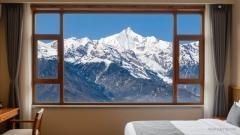
- Alpine Lakes: Crystal-clear glacial lakes provide breathtaking reflections of snow-capped Himalayan peaks.
- Cultural Immersion: Authentic encounters with local Tibetan traditions and border-town history.
- Expert Guidance: Professional logistics handling altitude transitions and remote terrain navigation safely.
Why Choose a Yadong Hot Spring & Lake Small Group Tour Tibet
Traveling through the Himalayas requires careful planning, especially when venturing off the standard tourist circuits. Opting for a Yadong hot spring & lake small group tour Tibet is the most effective way to navigate the logistical complexities of this remote region. Large tour buses cannot access the narrow, winding mountain roads that lead to the hidden valleys of Yadong. Small groups, typically consisting of four to eight travelers, utilize sturdy off-road vehicles capable of handling the rugged terrain while maintaining a low carbon footprint.
Beyond logistics, the small group dynamic fundamentally changes the quality of the travel experience. In massive tour groups, individual needs often get lost, and the pace is dictated by the slowest member. In a small group setting, there is flexibility to linger at a particularly beautiful viewpoint or spend extra time soaking in a thermal pool. The camaraderie developed among a handful of like-minded adventurers often becomes one of the most cherished aspects of the trip. You share meals, stories, and the awe of standing before monumental landscapes without the distraction of dozens of strangers.
Furthermore, the ecological sensitivity of the Yadong region demands responsible tourism. The delicate alpine flora and the pristine water sources can be easily damaged by heavy foot traffic. Small group tours adhere strictly to leave-no-trace principles, ensuring that the natural beauty of the hot springs and lakes remains undisturbed for future generations. This mindful approach to travel aligns perfectly with the Tibetan Buddhist philosophy of respecting all living things and the earth they inhabit.
Discovering the Geothermal Wonders of Yadong
The geothermal activity in Yadong is a direct result of the intense tectonic forces that continue to push the Indian subcontinent against the Eurasian plate. This geological friction generates immense heat deep underground, which rises to the surface through fissures in the rock, creating natural hot springs. These are not artificially heated swimming pools; they are raw, mineral-rich waters bubbling up from the earth’s crust, varying in temperature from comfortably warm to intensely hot.
Soaking in these natural pools offers significant therapeutic benefits. The waters are rich in sulfur, calcium, magnesium, and other trace minerals that have been used by local populations for centuries to treat skin conditions, joint pain, and respiratory issues. After days of hiking at high altitudes or enduring long drives over mountain passes, the physical relief provided by the hot springs is unparalleled. The warmth penetrates tired muscles, promoting circulation and accelerating recovery from the physical demands of high-altitude trekking.
The setting of these springs adds another layer to the experience. Imagine sitting in a naturally formed rock pool, steam rising into the crisp mountain air, surrounded by rhododendron forests or towering pine trees. Depending on the specific location within the Yadong valley, you might hear the distant roar of a waterfall or the gentle babble of a mountain stream feeding into the spring. During the colder months, the contrast between the freezing ambient air and the soothing thermal water creates a sensory experience that is difficult to replicate anywhere else in the world. Local guides understand the optimal times to visit these springs, often suggesting early morning or late evening soaks when the mist is thickest and the atmosphere is most tranquil.
The Pristine Alpine Lakes of the Yadong Region
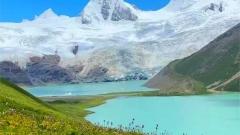
While the hot springs provide warmth and healing, the alpine lakes of the Yadong region offer visual splendor and spiritual calm. Fed by glacial meltwater and seasonal monsoon rains, these lakes sit in high-altitude basins, their surfaces acting as perfect mirrors for the surrounding peaks. The color of the water shifts throughout the day, moving from deep sapphire in the early morning to brilliant turquoise under the midday sun, influenced by the mineral content of the lakebed and the angle of the light.
Visiting these lakes requires a moderate level of physical fitness, as many are located at elevations exceeding 4,000 meters. The trek to reach them often involves walking through varied landscapes, transitioning from dense sub-alpine forests to open, rocky meadows dotted with yak herders’ camps. The journey itself is as rewarding as the destination. Along the trails, hikers frequently spot Himalayan wildlife, including blue sheep, marmots, and various species of high-altitude birds such as the snow partridge and the Himalayan griffon.
Upon reaching the lakeshore, the overwhelming silence is striking. Far from the noise of modern civilization, the only sounds are the wind rippling across the water and the occasional crack of shifting ice in the higher reaches. For practitioners of meditation or simply those seeking mental clarity, sitting beside these ancient bodies of water provides a profound sense of peace. Local Tibetan traditions hold many of these lakes sacred, believing them to be the dwelling places of protective deities. Visitors are encouraged to respect these beliefs by refraining from washing clothes or swimming in the most sacred waters, preserving both the cultural sanctity and the ecological purity of the sites.
Navigating Altitude and Acclimatization Safely
One of the primary concerns for any traveler heading to the Tibetan Plateau is altitude sickness, medically known as acute mountain sickness (AMS). The Yadong region presents a unique topographical advantage compared to central Tibet. While the northern approaches to Yadong involve crossing high mountain passes, the county itself descends significantly into a deep river valley. This variation in elevation allows for a more gradual acclimatization process if the itinerary is structured correctly.
A well-designed Yadong hot spring & lake small group tour Tibet takes altitude management seriously. Itineraries are crafted to avoid rapid ascents to extreme elevations immediately upon arrival. Instead, travelers typically spend their first few days at intermediate altitudes, allowing their bodies to produce more red blood cells and adjust to the thinner air. Hydration is heavily emphasized, as the dry mountain air accelerates fluid loss. Guides constantly monitor group members for symptoms such as headaches, nausea, or shortness of breath, adjusting the daily pace accordingly.
Proper acclimatization also means understanding the importance of rest. Overexertion during the first 48 hours at a new altitude is a common trigger for AMS. The inclusion of hot spring visits early in the itinerary serves a dual purpose: it promotes relaxation and prevents travelers from pushing themselves too hard physically before their bodies are ready. By pacing the journey thoughtfully, the risks associated with high-altitude travel are minimized, allowing guests to fully enjoy the spectacular scenery without the shadow of illness looming over the experience.
Cultural Encounters in the Border Town of Yadong
Yadong is not just a geographical marvel; it is a historical crossroads. Situated near the borders of India (Sikkim) and Bhutan, the town has served as a vital trading post for centuries. The ancient Tea Horse Road once passed through these valleys, carrying Tibetan salt and wool southward, and bringing back tea, spices, and textiles from the Indian subcontinent. This history of exchange has left a subtle but distinct mark on the local culture, architecture, and cuisine, differentiating Yadong from the more homogenous cultural landscape of central Tibet.
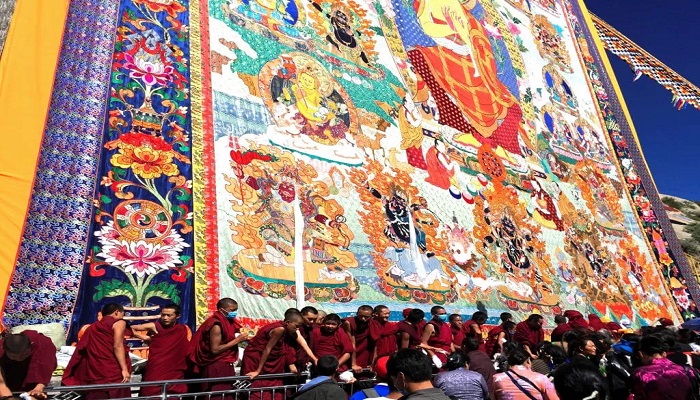
Travelers on a small group tour have the unique opportunity to interact with local communities in a respectful and meaningful way. Visits to nearby monasteries reveal intricate thangka paintings and ancient scriptures preserved by dedicated monks. Unlike the heavily visited monasteries in Lhasa, the religious sites in Yadong are quiet, working institutions where daily rituals proceed uninterrupted by crowds. Observing a morning prayer session or spinning the prayer wheels alongside locals offers a genuine window into Tibetan Buddhist practice.
The architectural style in Yadong also reflects its unique position. Traditional Tibetan flat-roofed stone houses blend with structures featuring sloped wooden roofs designed to handle the heavier precipitation that falls in this southern valley. Engaging with local artisans, whether they are weaving traditional carpets or carving wooden bowls, provides insight into skills passed down through generations. These interactions are facilitated organically within a small group setting, avoiding the transactional feel that often accompanies larger tourist arrivals.
Essential Gear and Preparation for the Journey
Preparing for a trip to the Yadong region requires packing for multiple microclimates within a single day. Because the route traverses high, windswept passes and descends into humid, forested valleys, layering is the fundamental strategy for clothing. A moisture-wicking base layer is essential to keep sweat away from the skin during hikes, followed by an insulating mid-layer like fleece or down for the cold mornings and high altitudes. A waterproof and windproof outer shell is non-negotiable, as weather in the Himalayas can shift from bright sunshine to torrential rain or snow in a matter of hours.
Footwear must be carefully considered. Sturdy, waterproof hiking boots with excellent ankle support are required for navigating the uneven, rocky trails leading to the alpine lakes. However, bringing a pair of lightweight camp shoes or sandals is highly recommended for relaxing around the guesthouses or walking near the hot springs. Trekking poles are invaluable for reducing strain on the knees during steep descents and providing stability on loose gravel.
Beyond clothing, personal gear should include high-SPF sunscreen and UV-blocking sunglasses, as the sun’s rays are exceptionally intense at high altitudes. A reusable water bottle, preferably insulated, ensures you stay hydrated with warm liquids. Basic first-aid supplies, including blister treatments, pain relievers, and any personal prescription medications, should be packed in your day bag. While guides carry comprehensive medical kits, having personal essentials readily accessible adds a layer of comfort and security.
Gastronomy: What to Eat on the Trail
Food is an integral part of the travel experience, and the Yadong region offers a fascinating culinary profile. Due to its lower altitude and proximity to the subcontinent, the diet here incorporates more fresh vegetables and varied spices than what is typically found on the higher, drier plateau. However, traditional Tibetan staples remain the foundation of local nutrition.
Tsampa, roasted barley flour mixed with butter tea, continues to be the primary energy source for locals and trekkers alike. Butter tea itself, made from black tea, yak butter, and salt, is an acquired taste for many foreigners but is absolutely essential for combating the cold and providing sustained caloric energy at altitude. Momos, the beloved Tibetan dumplings filled with meat or vegetables, are ubiquitous and deeply satisfying after a long day of travel.
In Yadong specifically, travelers might encounter dishes influenced by Sikkimese and Nepali cuisines, such as hearty noodle soups spiced with local herbs, or fermented dairy products unique to the border regions. Small group tours often arrange meals at local family-run establishments rather than sterile hotel dining rooms, ensuring that the food is authentic and supports the local economy directly. Dietary restrictions, including vegetarian or vegan requirements, can usually be accommodated if communicated to the guide in advance, though options may become simpler as you move deeper into remote areas.
The Role of Expert Logistics in Remote Travel
Executing a flawless journey through the remote corners of Tibet requires meticulous behind-the-scenes coordination. Road conditions can change rapidly due to landslides or weather events, necessitating alternative routes and flexible scheduling. Permits for foreign travelers entering the Tibet Autonomous Region, and specifically the border zones like Yadong, involve complex bureaucratic processes that must be handled well in advance.
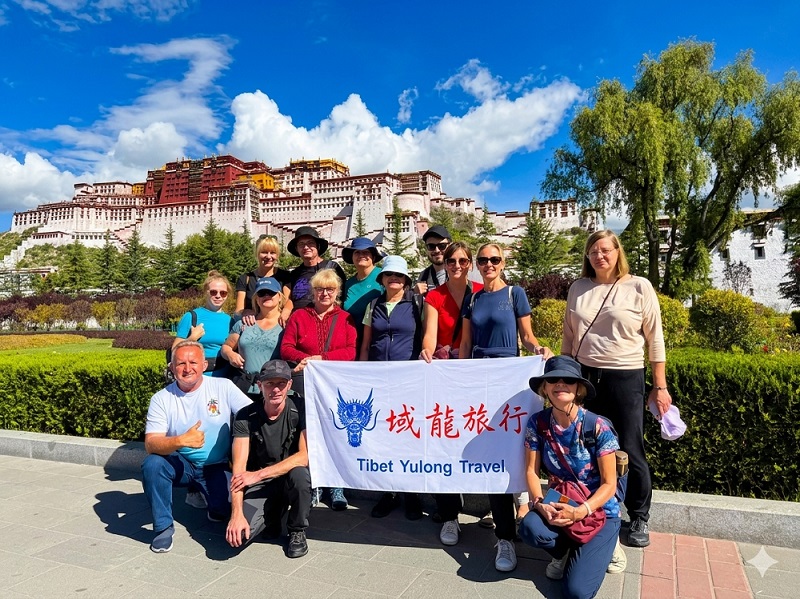
This is where partnering with experienced operators becomes critical. Companies like Tibet Yulong Travel specialize in navigating these logistical hurdles, ensuring that all necessary documentation, transport arrangements, and accommodation bookings are secured seamlessly. Their deep roots in the region mean they maintain strong relationships with local authorities, drivers, and guesthouse owners, which translates to smoother operations and faster problem resolution if unexpected challenges arise. By entrusting the logistics to professionals who understand the nuances of a Yadong hot spring & lake small group tour Tibet, travelers are freed from administrative stress and can focus entirely on immersing themselves in the landscape and culture.
Best Seasons to Experience Yadong
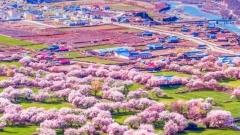
Timing your visit to Yadong significantly impacts the type of experience you will have. The region experiences distinct seasons, each offering its own advantages. Spring, from April to May, brings the blooming of wild rhododendrons, painting the hillsides in vibrant shades of pink and red. The temperatures are mild, making it an ideal time for trekking to the alpine lakes before the summer rains begin.
Summer, spanning June to August, coincides with the monsoon season. While rainfall is frequent, it usually comes in afternoon showers, leaving the mornings clear. The landscape is at its most lush and green during these months, and the waterfalls feeding the hot springs are at their most powerful. However, road conditions can be more challenging due to potential mudslides.
Autumn, from September to November, is widely considered the premier season for photography and clear-sky viewing. The monsoon clouds dissipate, revealing sharp, unobstructed views of the Himalayan peaks. The air is crisp, and the autumn foliage adds golden hues to the forests. Winter, though cold, offers a stark, beautiful landscape where soaking in the hot springs while surrounded by snow is a magical experience, provided travelers are prepared for freezing ambient temperatures.
Responsible Tourism and Environmental Stewardship
The privilege of visiting fragile ecosystems like those in Yadong comes with a profound responsibility. The principles of sustainable tourism must be actively practiced, not just preached. Waste management is a significant challenge in remote mountainous areas where municipal services are limited. Travelers on small group tours are expected to pack out all non-biodegradable waste, including plastic wrappers, batteries, and hygiene products.
Respecting wildlife is equally important. Maintaining a safe distance from animals, never feeding them human food, and keeping noise levels low preserves their natural behaviors and reduces stress on local populations. When visiting sacred sites or interacting with locals, asking for permission before taking photographs demonstrates basic respect for privacy and cultural boundaries.
By choosing a Yadong hot spring & lake small group tour Tibet organized by conscientious operators, visitors contribute to a model of tourism that values preservation over exploitation. Supporting local businesses, hiring local guides, and adhering to environmental guidelines ensures that the economic benefits of tourism remain within the community, incentivizing the continued protection of Yadong’s extraordinary natural and cultural heritage for decades to come.