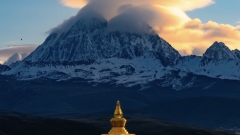
Traveling to Tibet during the autumn months offers some of the most spectacular scenery on the planet, with clear blue skies, golden landscapes, and crisp mountain air. When planning this journey, one of the most critical decisions you will face is understanding the autumn Tibet tour cost for private vs group travel. Choosing between a shared group tour and a customized private expedition significantly impacts your overall budget, daily itinerary, and personal experience on the plateau. Both options have distinct advantages, but the financial breakdown varies widely depending on your travel style, group size, and desired level of comfort. This guide breaks down every expense category so you can make an informed decision before booking your Tibetan adventure.
Before diving into the detailed financial breakdown, here are the key takeaways regarding the autumn Tibet tour cost for private vs group travel:
- Group tours offer the lowest baseline price by splitting vehicle, guide, and permit costs among multiple travelers.
- Private tours cost more per person but provide total control over the itinerary, pace, and accommodation standards.
- Permit fees remain fixed regardless of whether you choose a private or group arrangement.
- Accommodation upgrades are much easier to arrange and often cheaper per room on a private tour compared to standard group packages.
- Shoulder season timing in early autumn can slightly reduce costs compared to peak national holiday weeks.
Understanding the Autumn Tibet Tour Cost for Private vs Group Travel
Autumn, spanning from September to November, is widely considered the best time to visit Tibet. The monsoon rains have passed, leaving the atmosphere incredibly clear, which is essential for viewing Mount Everest and other high peaks. Because of this ideal weather, demand remains relatively high, influencing overall pricing structures. When evaluating the autumn Tibet tour cost for private vs group options, it is important to understand how local travel agencies structure their pricing.
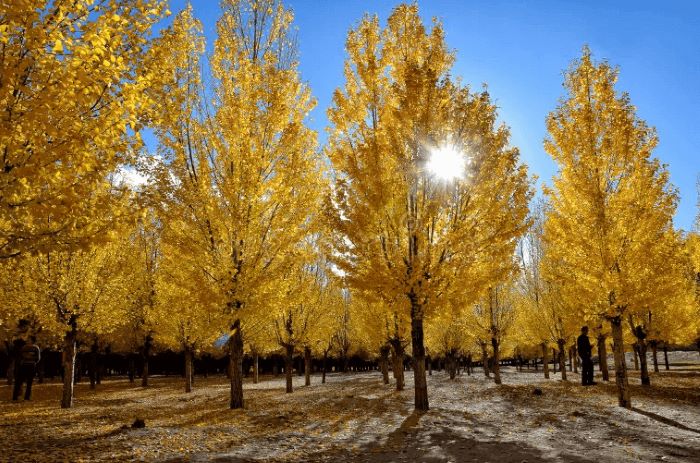
Yarlung Tsangpo
Group tours operate on a fixed schedule. You join a pre-arranged itinerary with other international or domestic travelers, typically ranging from four to twelve people per vehicle. The agency handles everything, and you pay a single flat rate. Private tours, on the other hand, are built entirely around your preferences. You select the start date, the route, the hotels, and the pace. Naturally, this bespoke service commands a premium, but the gap in pricing narrows significantly if you are traveling with a family or a small group of friends who can split the private charter costs.
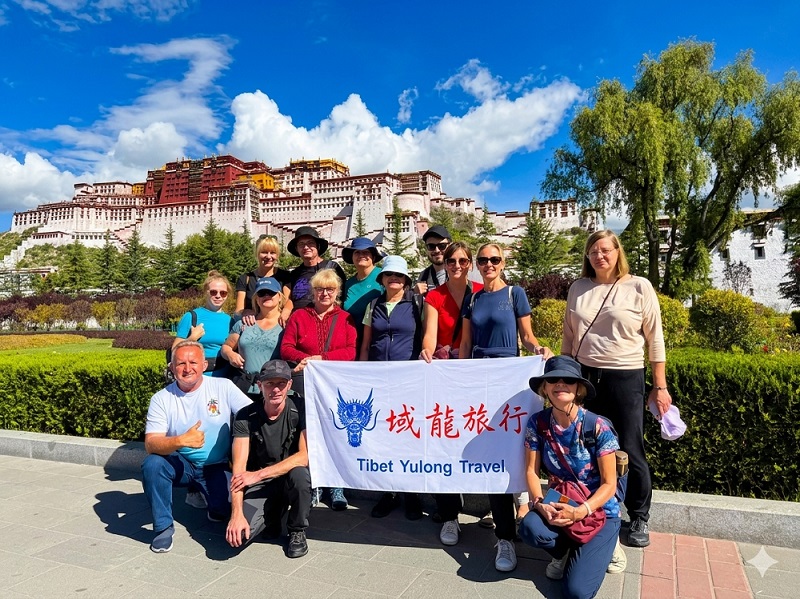
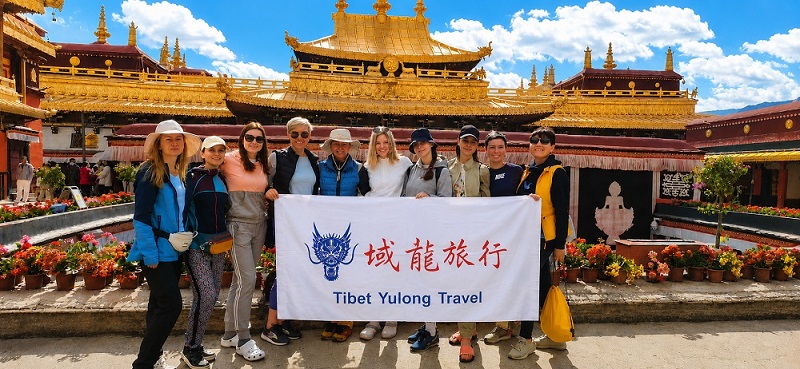
Agencies like Tibet Yulong Travel specialize in both formats, helping travelers navigate the complexities of plateau logistics while offering transparent pricing models that clearly outline what is included in either a shared or private package.
Baseline Expenses Shared by Both Tour Types
Regardless of whether you opt for a private or group tour, certain foundational costs remain identical. These are non-negotiable expenses required by local authorities and the nature of travel in remote, high-altitude regions.
Tibet Travel Permit and Documentation
Foreign travelers cannot enter Tibet independently; you must be part of an organized tour and possess a Tibet Travel Permit (TTP). The cost of the permit itself is generally absorbed into your overall tour package by the organizing agency. However, if your itinerary includes restricted areas like Mount Everest Base Camp, Mount Kailash, or the eastern forests of Nyingchi, additional Alien Travel Permits and Military Permits are required. These administrative costs do not change based on whether you are in a group of ten or a private party of two. The agency processes these documents on your behalf, and the associated fees are standardized across the industry.
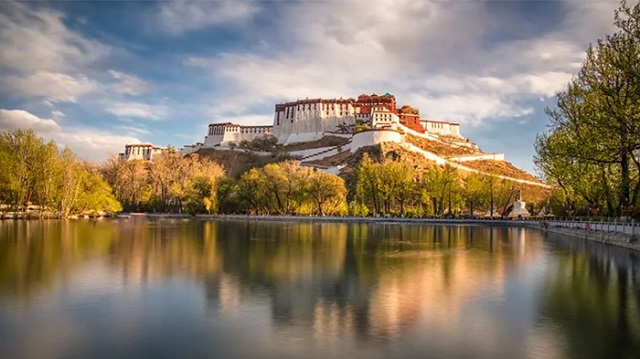
Potala Palace in Autumn
Transportation to the Starting Point
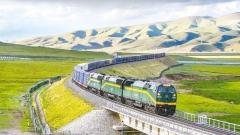
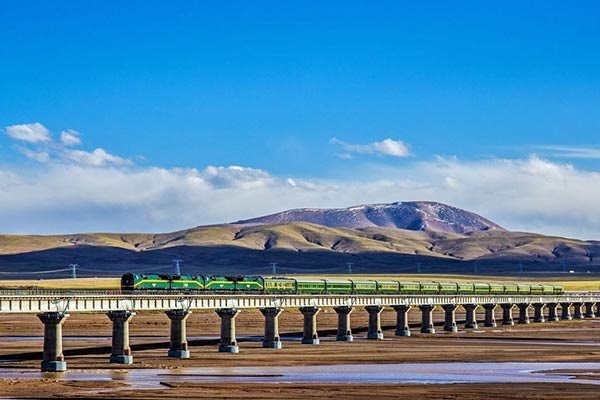
Your flights or train tickets to reach Lhasa or Nyingchi are almost never included in standard Tibet tour packages. Whether you fly in from Kathmandu, Chengdu, or Beijing, or take the scenic Qinghai-Tibet Railway, these transit costs are your responsibility. For budget-conscious travelers comparing the autumn Tibet tour cost for private vs group travel, securing cheap inbound transportation is just as vital as choosing the right tour type, as flights during the autumn clear-weather window can be pricey if booked late.
Mandatory Guide Services
Local regulations require all foreign visitors to be accompanied by a licensed Tibetan tour guide at all times outside of Lhasa city center. In a group tour, the guide’s daily wage is divided among all participants, making it a negligible individual expense. On a private tour, you bear the full cost of the guide’s daily fee, meals, and accommodation. This is one of the primary reasons the per-person cost of a private tour is higher, especially for solo travelers or couples.
Breaking Down Group Tour Costs in Autumn
Joining a group tour is the most economical way to experience the Tibetan plateau. By pooling resources with other travelers, you drastically reduce the financial burden of logistics in a region where infrastructure is limited and distances are vast.
Vehicle and Fuel Sharing
The most significant savings in a group tour come from transportation. Tours typically utilize comfortable minibuses or off-road vehicles depending on the route. The cost of renting the vehicle, paying the driver, and purchasing fuel for journeys that often exceed 2,000 kilometers is split evenly. If a vehicle rental costs several thousand dollars for a week-long expedition, dividing that by eight passengers makes the transport portion highly affordable. During autumn, road conditions are generally excellent, meaning fewer unexpected delays or detours that might otherwise inflate fuel costs.
Standardized Accommodations
Group tours usually rely on a set list of partner hotels. These are typically three-star or standard four-star properties in cities like Lhasa, Shigatse, and Gyantse. Because agencies book these rooms in bulk throughout the season, they secure discounted rates that individual travelers could rarely negotiate on their own. While you may not have the option to upgrade to a luxury boutique hotel without disrupting the group’s logistics, the baseline accommodation cost is kept very low. In remote areas, such as the guesthouses near Everest Base Camp, everyone stays in the same basic facilities, keeping costs uniform.
Fixed Itineraries and Meal Plans
Group tours follow strict, pre-planned routes. You will visit the Potala Palace, Jokhang Temple, Yamdrok Lake, and other highlights on specific days. Meals are often partially included—usually breakfasts at hotels and designated group lunches or dinners at local restaurants chosen by the guide. Because the restaurant bills are settled collectively, the per-person food cost remains controlled. However, you have little say in where or what you eat, which is the trade-off for the lower price point.
When calculating the autumn Tibet tour cost for private vs group travel, a standard seven-to-eight-day group tour covering Lhasa, Gyantse, Shigatse, and Everest Base Camp is generally the most budget-friendly entry point for international visitors.
Analyzing Private Tour Costs in Autumn
A private tour transforms your Tibetan journey from a standard sightseeing trip into a deeply personalized expedition. While the initial quote may seem steep compared to a group package, understanding the mechanics of private pricing reveals where your money actually goes.
Exclusive Vehicle Charter
On a private tour, you rent the vehicle exclusively. Whether you need a standard sedan for paved roads around Lhasa or a rugged Land Cruiser for venturing into the remote western regions toward Mount Kailash, you pay the entire daily rental rate plus the driver’s salary, fuel, and tolls. If you are a solo traveler, this cost rests entirely on your shoulders. However, if you are traveling as a family of four or a group of five friends, splitting the exclusive vehicle cost makes the price difference between a private and group tour surprisingly narrow. Autumn is an ideal time for private charters, as dry roads allow access to remote valleys that might be muddy or blocked during the summer monsoon.
Customized Accommodation Choices
One of the greatest financial variables in a private tour is lodging. You are not bound to the agency’s bulk-booked partner hotels. If you prefer luxury, you can book five-star properties in Lhasa, which will significantly increase your budget. Conversely, if you are a backpacker-style traveler wanting to save money, you can request clean, basic guesthouses instead of mid-range tourist hotels. This flexibility means the autumn Tibet tour cost for private vs group travel can sometimes overlap if private travelers intentionally choose budget accommodations while enjoying the freedom of their own vehicle.
Tailored Dining Experiences
Without a large group to manage, dining becomes a highly personal affair. Your guide can take you to authentic local teahouses, high-end restaurants serving modern Tibetan cuisine, or even arrange a picnic by a glacial lake. You pay for exactly what you consume. While this means you miss out on the bulk-discounted group meal rates, it also prevents you from paying for expensive set-menu dinners you might not enjoy. Food costs on a private tour fluctuate wildly based on your appetite and preferences.
Pacing and Extended Routes
Private tours allow you to linger. If you fall in love with the golden birch forests of Nyingchi in October, you can add an extra day to your itinerary. However, every added day increases the cost of the guide, driver, vehicle, and hotel. When discussing the autumn Tibet tour cost for private vs group options, remember that the sheer length and complexity of a custom route will always drive the final price higher than a rigid, standardized group schedule.
Hidden Costs and Variables to Consider
When comparing the autumn Tibet tour cost for private vs group travel, looking only at the base package price can be misleading. Several hidden variables can alter your final expenditure.
Entrance Fees to Monasteries and Natural Parks
Some tour operators include all entrance fees in their upfront quotes, while others list them as exclusions to make the base price appear lower. Major sites like the Potala Palace, Tashilhunpo Monastery, and the Everest National Nature Reserve charge substantial entrance fees. In a group tour, these are almost always bundled. In a private tour, ensure your contract explicitly states whether attraction tickets are covered or if you will be paying out-of-pocket along the way.
Altitude Sickness and Medical Contingencies
Autumn weather is stable, but altitude sickness does not discriminate by season. If a member of your private tour falls ill and requires supplemental oxygen, medical attention, or an immediate descent to a lower elevation, the logistical costs of altering the route fall on you. In a group tour, the itinerary continues for the healthy members, and the sick individual may need to hire separate assistance to return to Lhasa, which can be financially stressful. Carrying comprehensive travel insurance that covers high-altitude evacuation is mandatory for both styles of travel.
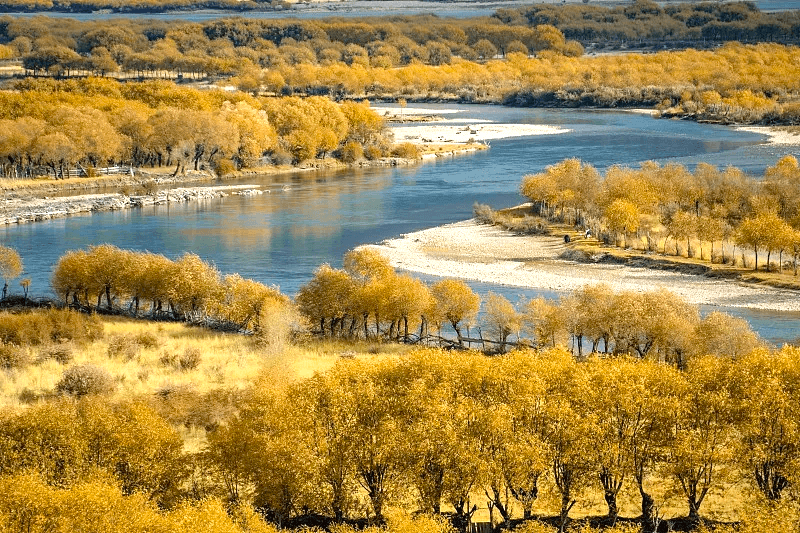
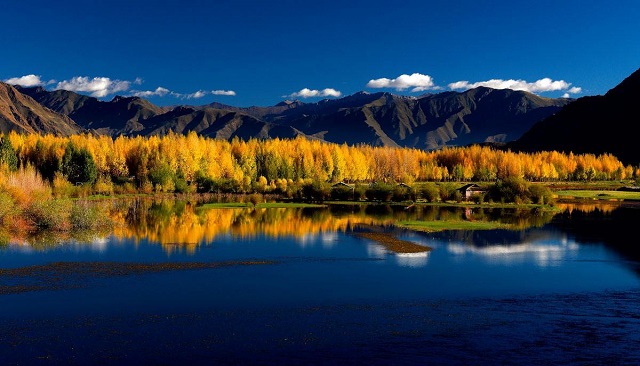
Scenery of the Nyang River in Nyingchi
Driver and Guide Gratuities
While tipping is not traditionally a Tibetan custom, it has become an expected practice within the tourism industry for international visitors. On a group tour, tips are pooled, resulting in a modest contribution per person. On a private tour, you are solely responsible for tipping your dedicated guide and driver. Given the grueling nature of driving long hours on winding plateau roads, generous tipping is a standard courtesy that should be factored into your overall budget.
Seasonal Pricing Fluctuations During Autumn
Autumn is not a monolith when it comes to pricing. The specific month you choose heavily influences the autumn Tibet tour cost for private vs group travel.
September is still closely tied to the tail end of the summer peak season. Prices for both private and group tours remain relatively high. Early October coincides with the Chinese National Day Golden Week. During this period, domestic tourism surges massively. Hotel prices skyrocket, and vehicle availability drops. International travelers are strongly advised to avoid the first week of October if they wish to keep costs manageable. By mid-to-late October and into November, the crowds dissipate. This shoulder season offers the best value. Hotels drop their rates, agencies offer discounts to fill remaining group seats, and private tour logistics become cheaper due to lower overall demand. Furthermore, November provides some of the clearest views of the Himalayas, making the slight chill well worth the financial savings and photographic rewards.
Which Option Offers Better Value for Your Money?
Determining whether the autumn Tibet tour cost for private vs group travel represents better “value” depends entirely on your priorities as a traveler. Value is not synonymous with the lowest price.
If your primary goal is to see the major highlights of Tibet—Lhasa, Yamdrok Lake, and perhaps a glimpse of Everest—without breaking the bank, a group tour is unbeatable. The logistical heavy lifting is done for you, the costs are distributed, and you benefit from the collective bargaining power of the agency. It is the safest, most predictable financial choice for solo travelers or couples on a strict budget.
However, if you value time, privacy, and specific interests, a private tour delivers superior value despite the higher price tag. Photographers chasing the perfect autumn light will not want to be rushed by a group schedule. Hikers wanting to explore specific trails around Mount Kailash need the flexibility that only a private charter provides. Families traveling with young children or elderly members require the ability to stop frequently and adjust the daily pace, which is impossible on a shared bus.
Ultimately, the most effective way to manage your budget is to work with experienced local operators. Agencies like Tibet Yulong Travel can customize a hybrid approach, offering the structural reliability of established routes while allowing private modifications that suit your specific financial parameters. They provide transparent cost breakdowns, ensuring that whether you choose to share a minibus with fellow adventurers or charter your own Land Cruiser through the golden autumn valleys, there are no surprises when it comes time to pay.
Carefully weigh your group size, your tolerance for rigid schedules, and your desire for luxury against the realities of plateau travel. By thoroughly analyzing the autumn Tibet tour cost for private vs group options, you can design a journey that respects your wallet while fulfilling your dream of experiencing Tibet during its most beautiful season.