Crossing the Himalayas by road is one of the most profound travel experiences available today. The 9-day overland tour Kathmandu to Lhasa via EBC takes travelers from the bustling streets of Nepal’s capital, through the roof of the world at Everest Base Camp, and finally into the spiritual heart of Tibet. This journey is not merely a transit between two cities; it is a continuous ascent into a landscape that defies imagination. You will witness dramatic shifts in topography, culture, and climate as you navigate ancient trade routes now paved for modern adventurers. Whether you are drawn by the challenge of high-altitude travel, the allure of Tibetan Buddhism, or the sheer scale of Mount Everest, this route delivers on every front. Preparing for such an expedition requires careful planning, proper documentation, and a solid understanding of what lies ahead on the Tibetan Plateau.
Before diving into the day-by-day breakdown, here are the essential takeaways for anyone considering this expedition:
- Route Overview: Crosses the Sino-Nepal border at Gyirong, reaching altitudes over 5,200 meters.
- Permits Required: Chinese Group Visa, Tibet Travel Permit, Alien Travel Permit, and Border Area Travel Permit(BAT permit).
- Acclimatization: Gradual ascent built into the itinerary helps mitigate Acute Mountain Sickness (AMS).
- Best Time to Visit: April to May and September to October offer the clearest mountain views.
- Logistics: Independent travel in Tibet is prohibited; a registered guide and pre-arranged transport are mandatory.
Why Choose the 9-Day Overland Tour Kathmandu to Lhasa via EBC
Opting for the 9-day overland tour Kathmandu to Lhasa via EBC over flying directly into Tibet offers unparalleled advantages for acclimatization and scenery. When you fly into Lhasa, which sits at 3,650 meters, your body is forced to adjust rapidly. By driving from Kathmandu (1,400 meters) through the Himalayas, your elevation gain is gradual, allowing your physiology to adapt naturally to the thinning air. This significantly reduces the risk of severe altitude sickness during the latter stages of the trip.
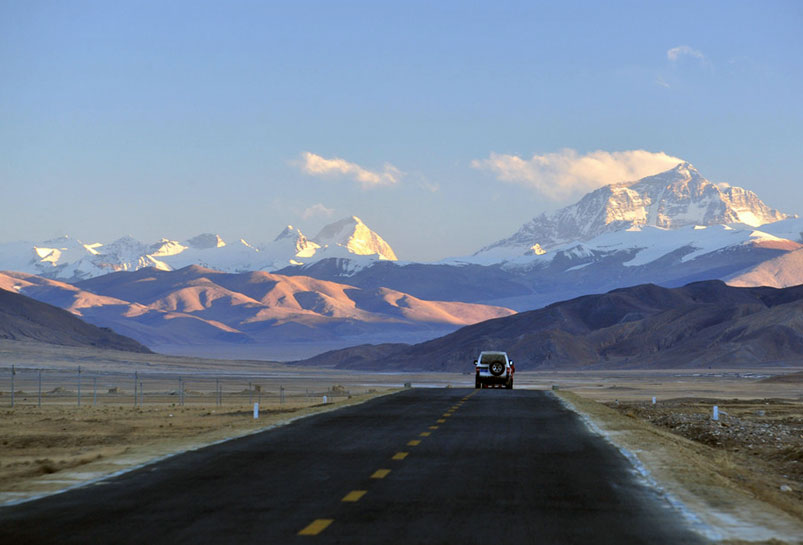
Kathmandu to Lhasa Overland tour
Furthermore, the overland route covers some of the most spectacular landscapes on Earth. You transition from the subtropical valleys of Nepal into the arid, wind-swept expanses of the Tibetan Plateau. Flying skips all of this. The road journey allows you to visit remote monasteries, interact with nomadic herders, and stand at the base of the world’s highest peak—experiences that simply cannot be replicated from an airplane window. For photographers, geologists, and cultural enthusiasts, the drive itself is the destination.
Essential Permits and Visas for the Journey
Navigating the bureaucratic requirements is the most complex part of organizing this trip. Because Tibet is an autonomous region of China, standard Chinese tourist visas do not suffice for entry from Nepal. You must obtain a Chinese Group Visa, which is issued by the Chinese Embassy in Kathmandu. Unlike regular visas stamped into your passport, this is a separate sheet of paper listing all members of your tour group. Your travel agency will handle the application, but you must be physically present in Kathmandu for several days prior to departure to facilitate this process.
In addition to the Group Visa, you need a Tibet Travel Permit (TTP), issued by the Tibet Tourism Bureau. This document is required to board any transport into Tibet and to check into hotels within the region. Once inside Tibet, visiting areas outside Lhasa—such as Shigatse, Everest Base Camp, and Gyantse—requires an Alien Travel Permit (ATP), also known as a PSB permit. Finally, because the route passes through sensitive border zones near Nepal and India, a Military Border Pass is mandatory. Reputable operators like Tibet Yulong Travel specialize in managing these intricate permit applications, ensuring that all paperwork is secured well before your departure date so you can focus entirely on the journey.
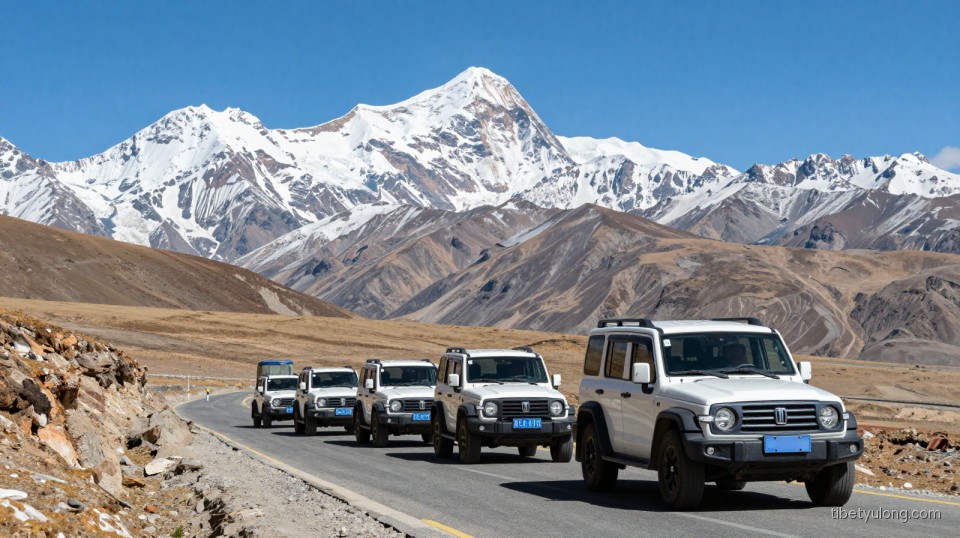
Detailed Itinerary: Day-by-Day Breakdown
Understanding the daily progression of the 9-day overland tour Kathmandu to Lhasa via EBC helps set realistic expectations regarding driving times, altitudes, and sightseeing opportunities. The pace is deliberately measured to prioritize safety and acclimatization.
Day 1: Arrival in Kathmandu (1,400m)
Your journey begins in the vibrant capital of Nepal. Upon arrival at Tribhuvan International Airport, you will be transferred to your hotel in the Thamel district. Kathmandu is a sensory overload of narrow alleys, ancient temples, and bustling markets. Use this day to rest, recover from jet lag, and meet your fellow travelers. Your guide will conduct a comprehensive briefing regarding the upcoming route, packing strategies, and altitude precautions. If time permits, a stroll around Durbar Square offers a glimpse into Nepal’s rich Newari architecture and history.
Day 2: Kathmandu Sightseeing and Visa Processing
While your agency processes the Chinese Group Visa, you will spend the day exploring Kathmandu’s UNESCO World Heritage Sites. A typical itinerary includes the sacred Hindu temple of Pashupatinath, where cremation rituals take place along the Bagmati River, and the massive Boudhanath Stupa, one of the largest spherical stupas in the world and a center of Tibetan Buddhism in exile. Walking the kora (circumambulation path) around Boudhanath alongside monks and pilgrims sets a deeply spiritual tone for the journey ahead. In the afternoon, you will finalize your luggage preparations, separating items needed for the overland drive from any belongings you might leave behind in storage.
Day 3: Drive from Kathmandu to Gyirong Town (2,700m)
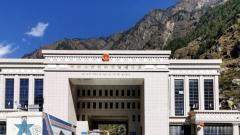
Today marks the official start of the overland drive. You will depart early, leaving the Kathmandu valley and winding through the hilly terrain towards the Nepalese border town of Rasuwagadhi. The drive takes approximately 6 to 8 hours, depending on road conditions, which can be affected by seasonal rains. After crossing the Friendship Bridge over the Trishuli River, you complete exit formalities for Nepal and enter China. On the Tibetan side, you pass through immigration at Gyirong Port. From there, a short drive brings you to Gyirong Town. Notice how the lush greenery of Nepal abruptly gives way to the drier, rugged canyon landscapes of Tibet. Rest early tonight to prepare for the significant altitude gains tomorrow.
Day 4: Gyirong to Tingri (4,300m)
Leaving Gyirong Town, the road begins its relentless climb onto the Tibetan Plateau. You will ascend through the Peiku Tso lake basin, often catching your first distant glimpses of the snow-capped Himalayas, including Mount Shishapangma, the only 8,000-meter peak located entirely within Tibet. The landscape transforms into vast, high-altitude grasslands dotted with yaks and sheep. By the time you reach Tingri (also known as Shegar or New Tingri), you will have crossed the 4,000-meter threshold. Tingri serves as a crucial staging point for Everest expeditions. The air is noticeably thinner here, so move slowly, stay hydrated, and avoid heavy meals or alcohol. Your guide will monitor everyone’s oxygen saturation levels closely.
Day 5: Tingri to Everest Base Camp (5,200m)
This is the pinnacle of the physical journey. The drive from Tingri to Rongbuk involves navigating the Gawu La Pass, standing at 5,198 meters. From this vantage point, on a clear day, you can see a panoramic chain of five peaks over 8,000 meters: Makalu, Lhotse, Everest, Cho Oyu, and Shishapangma. Descending slightly from the pass, you eventually arrive at Rongbuk Monastery, the highest monastery in the world. Just beyond it lies Everest Base Camp (EBC). Standing at the foot of the North Face of Mount Everest is a humbling experience. You will spend the night either in the Rongbuk guesthouse or in local nomad tent camps, depending on the season. The cold is intense, and the altitude demands absolute rest. Sleep may be elusive due to the thin air, but the view of the sunset turning Everest’s peak gold makes every discomfort worthwhile.
Day 6: EBC to Shigatse (3,840m)
After watching the sunrise illuminate the summit of Everest, you will begin the long descent toward Shigatse. Leaving the extreme altitudes of EBC brings immediate physical relief. The drive retraces part of yesterday’s route before branching off toward Lhatse and eventually Shigatse, Tibet’s second-largest city. The descent to under 4,000 meters means richer oxygen levels, allowing your body to recover from the strain of EBC. Along the way, the scenery shifts from barren rocky outcrops to fertile agricultural valleys fed by glacial meltwater. Upon arriving in Shigatse, you will check into a comfortable hotel. Take advantage of the lower altitude to enjoy a hearty meal and a restful sleep.
Day 7: Shigatse to Gyantse (3,950m)
The morning in Shigatse is dedicated to visiting Tashilhunpo Monastery, the traditional seat of the Panchen Lama. Founded in 1447, this sprawling complex features golden roofs, massive prayer wheels, and the largest copper Buddha statue in the world, housed within the Maitreya Chapel. After exploring the monastery, you will drive to Gyantse, a historic town situated along the ancient trade route between India and Tibet. The drive takes about three hours through scenic river valleys. Gyantse is famous for its heroic resistance against British forces in 1904, earning it the nickname “Heroic City.” Spend the afternoon resting or wandering the quiet streets, absorbing the slower pace of life compared to larger Tibetan cities.
Day 8: Gyantse to Lhasa (3,650m) via Yamdrok Lake
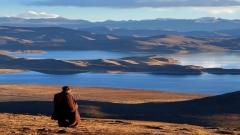
This day features some of the most beautiful driving on the entire 9-day overland tour Kathmandu to Lhasa via EBC. Departing Gyantse, you will first visit the Palcho Monastery and its iconic Kumbum Stupa, a unique architectural marvel featuring 108 chapels spread across nine tiers. Shortly after leaving Gyantse, the road climbs over the Karo La Pass (5,045m), where glaciers hang precariously close to the highway. Descending from the pass, the breathtaking turquoise expanse of Yamdrok Lake reveals itself. Considered one of Tibet’s three holy lakes, its color shifts with the light and weather. After spending time at the viewpoints, you cross the Kamba La Pass and follow the Yarlung Tsangpo River valley all the way into Lhasa. Arriving in the capital feels like a triumphant conclusion to the overland trek.
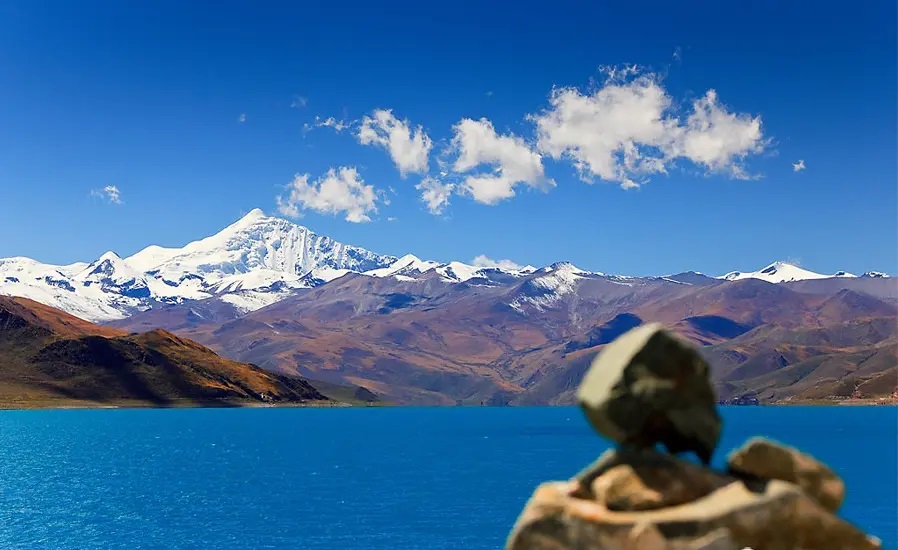
Yamdrok
Day 9: Lhasa Exploration and Departure
Your final day focuses on the crown jewels of Lhasa. The morning is reserved for the Potala Palace, the former winter residence of the Dalai Lamas. Towering 117 meters above the city, this architectural masterpiece contains thousands of rooms, chapels, and tombs. Visitors are strictly limited to one hour inside to preserve the structure, so pacing is important. In the afternoon, you will join the pilgrims circumambulating the Jokhang Temple in the Barkhor Street area. The Jokhang houses the Jowo Shakyamuni, the most sacred statue in Tibetan Buddhism. The scent of juniper incense and the sound of chanting monks provide a deeply moving finale to your journey. Depending on your flight or train schedule, you will be transferred to the airport or railway station for your onward departure.
Altitude Sickness and Health Precautions
The most significant challenge of traveling through Tibet is Acute Mountain Sickness (AMS). Symptoms include headaches, nausea, dizziness, fatigue, and shortness of breath. The itinerary of the 9-day overland tour Kathmandu to Lhasa via EBC is specifically designed to mitigate these risks by gradually increasing sleeping elevations. However, individual responses to altitude vary wildly regardless of age or fitness level.
To minimize risks, hydration is paramount. Drink at least three to four liters of water daily. Avoid alcohol, caffeine, and smoking, especially during the first few days above 4,000 meters. Eat light, carbohydrate-rich meals that are easier for your body to digest when oxygen is scarce. Move slowly; what feels like a normal walking pace at sea level will leave you breathless in Tingri. Many travelers consult their doctors before the trip regarding prophylactic medications like Acetazolamide (Diamox), which accelerates acclimatization. Your guide will carry portable oxygen cylinders and pulse oximeters to monitor the group’s health continuously. If severe symptoms develop, descending to a lower altitude is the only definitive cure, and your itinerary includes strategic descents to ensure safety.
Best Time to Embark on the Journey
Timing your trip correctly dictates the quality of your experience. The optimal windows for the 9-day overland tour Kathmandu to Lhasa via EBC are spring (April to May) and autumn (September to October). During these months, the monsoon clouds have either not yet arrived or have recently departed, offering crystal-clear visibility of the Himalayan giants. Temperatures are manageable, though nights at EBC remain freezing year-round.
Summer (June to August) coincides with the South Asian monsoon. While Tibet receives less rain than Nepal, cloud cover frequently obscures Mount Everest, and landslides can occasionally disrupt the road between Kathmandu and the border. Winter (November to March) provides incredibly clear skies, but temperatures plummet drastically, sometimes dropping below -20°C at higher elevations. Furthermore, heavy snowfall can lead to temporary road closures at high mountain passes. Regardless of when you travel, layering is the key to comfort, as daytime sunshine can feel surprisingly warm while shaded areas and evenings are bitterly cold.
Packing Essentials for the Overland Route
Packing for this journey requires balancing the need for warmth with strict luggage weight limits, especially since vehicles must navigate steep mountain passes. Your wardrobe should rely on a layering system: moisture-wicking base layers, insulating mid-layers like fleece or down jackets, and a windproof, waterproof outer shell. Thermal underwear is non-negotiable for the nights spent at Everest Base Camp.
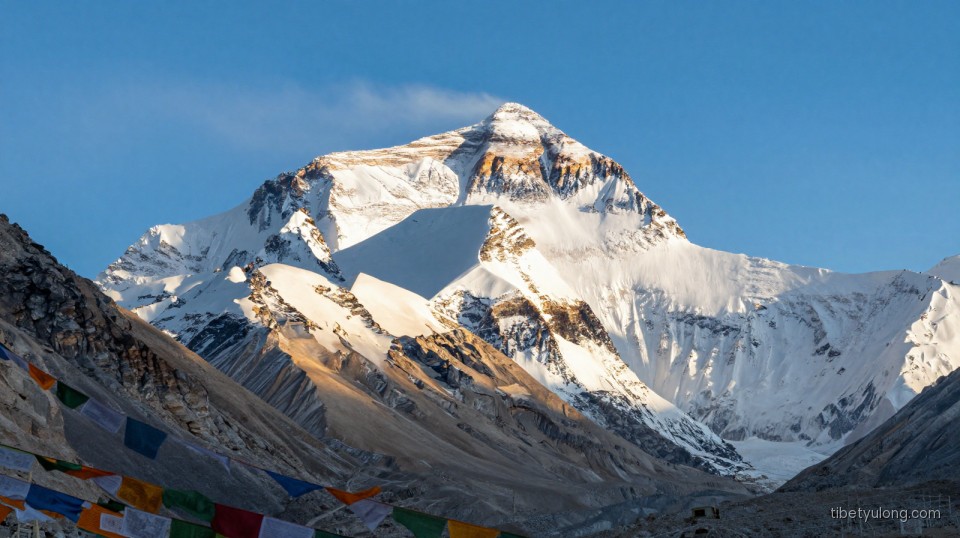
Best Month to See Mount Everest Clearly from Base Camp: A Complete Guide
Footwear should consist of sturdy, broken-in hiking boots for outdoor excursions and comfortable slip-on shoes for inside monasteries and hotels. Sun protection is critical at high altitudes where UV radiation is exponentially stronger. Bring high-SPF sunscreen, polarized sunglasses with UV protection, and a wide-brimmed hat. Lip balm and heavy moisturizer will combat the extremely dry plateau air.
For electronics, power banks are essential, as charging opportunities may be limited during long driving days or at remote guesthouses. Bring a universal adapter. A basic medical kit containing painkillers, anti-diarrheal medication, blister plasters, and any personal prescriptions should be packed in your day bag. Finally, bring enough cash in Chinese Yuan (RMB); ATMs are virtually nonexistent outside major cities like Shigatse and Lhasa, and credit cards are rarely accepted in rural Tibet.
Cultural Etiquette and Responsible Travel
Tibet is a deeply religious society, and respecting local customs is vital for a harmonious journey. When visiting monasteries, always walk clockwise around stupas, prayer wheels, and temple complexes. Remove your hat and sunglasses before entering chapels, and never wear shorts or revealing clothing inside sacred spaces. Photography is often prohibited inside monastery interiors, or it may require a small fee paid to the monks. Always ask permission before photographing local people, particularly nomads and monks, and respect their wishes if they decline.
Tibetan Buddhism influences every aspect of daily life. You will see prayer flags strung across mountain passes; never touch or remove them, as they carry mantras into the wind. Pointing at sacred objects or people with a single finger is considered rude; use an open hand instead. Environmental responsibility is equally important. The fragile ecosystem of the Tibetan Plateau recovers very slowly from damage. Carry out all your trash, stick to established trails, and avoid purchasing products made from endangered wildlife. Engaging respectfully with local communities enriches your experience and ensures that tourism benefits the people who call this harsh, beautiful landscape home.
Choosing experienced professionals to manage your logistics is the difference between a stressful ordeal and a seamless adventure. Agencies like Tibet Yulong Travel possess deep local knowledge, established relationships with authorities, and the operational expertise required to navigate the complexities of the Sino-Nepal border crossings. They ensure your permits are processed flawlessly, your guides are highly trained in altitude medicine, and your vehicles are maintained for the rugged terrain. Trusting your journey to specialists allows you to fully immerse yourself in the awe-inspiring reality of crossing the Himalayas by land.