Travelers often wonder how much is Tibet blue ice tour in winter per person before booking their Himalayan adventure. The frozen glaciers of Tibet transform into spectacular sapphire landscapes between November and March, attracting photographers and nature enthusiasts worldwide. Understanding the complete cost structure helps you budget accurately for this remote journey.
✨ Highlights:
- Total winter tour costs range from $800 to $3,000+ per person depending on comfort level
- Tibet Travel Permit is mandatory and usually arranged by local agencies like Tibet Yulong Travel
- Group tours significantly reduce individual expenses compared to private expeditions
- Winter season offers lower prices than peak summer months with fewer crowds
- Acclimatization days in Lhasa are essential and factor into overall itinerary costs
How Much Is Tibet Blue Ice Tour in Winter Per Person: A Detailed Breakdown
When travelers search for how much is Tibet blue ice tour in winter per person, they need comprehensive information covering every expense category. The total cost varies dramatically based on group size, accommodation standards, transportation preferences, and specific glacier destinations. Generally, a standard five-to-seven-day winter blue ice tour ranges between $800 and $3,000 per person. Budget backpackers joining large groups can stay near the lower end, while those preferring private vehicles and premium hotels approach the higher range. Winter actually represents the most economical season for visiting Tibetan glaciers because hotel rates drop significantly, and competition among tour operators increases.
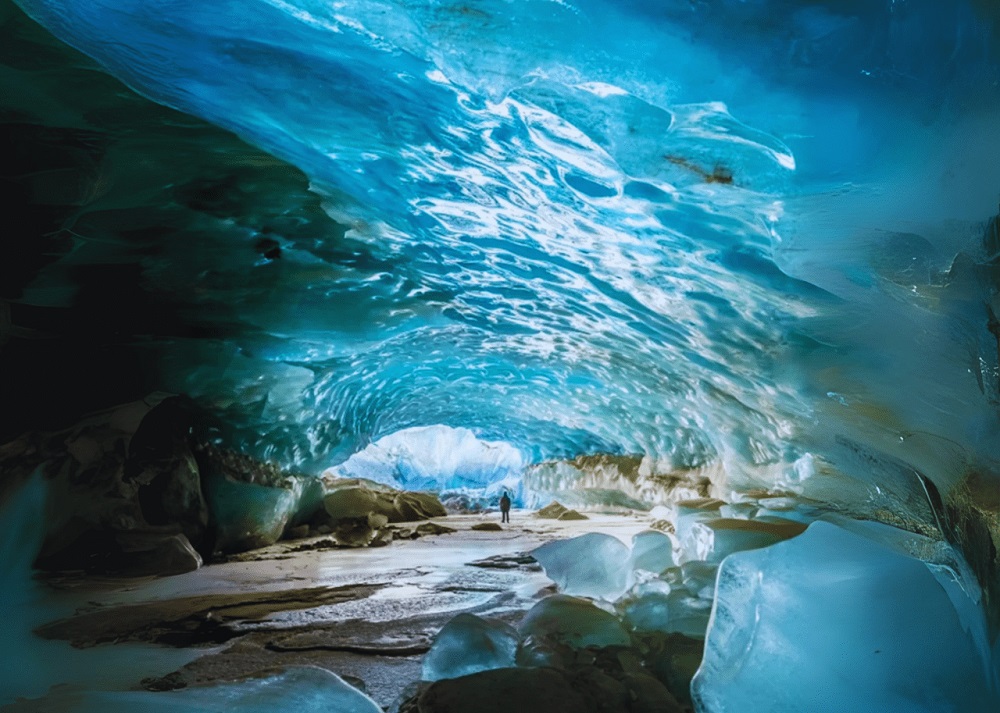
Laigu Glacier
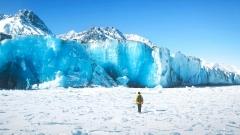
The “blue ice” phenomenon occurs primarily at glaciers like Midui Glacier, Rongbuk Glacier near Mount Everest, and the less-visited Kangshung Glacier. These ancient ice formations develop deep blue hues during winter when temperatures compress air bubbles within the ice, creating translucent sapphire walls. Accessing these locations requires specialized logistics, experienced drivers familiar with icy mountain roads, and proper altitude acclimatization protocols.
Transportation Costs for Winter Glacier Expeditions
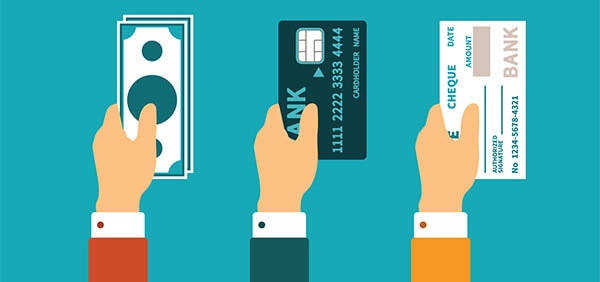
Getting to Tibet forms the largest single expense component when calculating how much is Tibet blue ice tour in winter per person. Most international travelers must first reach mainland China, typically flying into Chengdu, Kunming, or Xining before connecting to Lhasa. Domestic flights to Lhasa Gonggar Airport range from $150 to $400 one-way depending on departure city and booking timing. Alternatively, the Qinghai-Tibet Railway offers scenic train journeys from Xining to Lhasa, with hard sleeper tickets costing approximately $60 to $100 and soft sleepers ranging from $100 to $170.
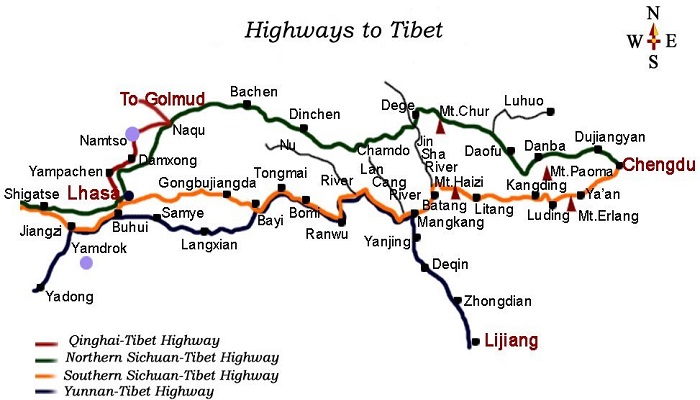
Once in Lhasa, reaching the blue ice glaciers requires overland transportation. Winter road conditions demand reliable four-wheel-drive vehicles equipped with snow chains and experienced local drivers. Vehicle rental with driver typically costs $150 to $300 per day depending on vehicle type and passenger count. A Land Cruiser accommodating four passengers splits costs more favorably than smaller vehicles. For a round trip from Lhasa to Midui Glacier in Bomê County, expect three to four driving days covering roughly 600 kilometers each way through mountainous terrain.
Fuel surcharges sometimes apply during winter when consumption increases due to cold weather and difficult road conditions. Some tour operators include fuel in their daily vehicle rate, while others charge separately. Always clarify this detail before confirming bookings. Shared group tours distribute transportation costs among participants, making them substantially cheaper per person than private charters.
Accommodation Expenses During Winter Months
Winter dramatically reduces accommodation costs across Tibet, directly impacting how much is Tibet blue ice tour in winter per person. In Lhasa, budget guesthouses charge $15 to $30 per night during winter compared to $50 to $100 in summer. Mid-range hotels offering heating, hot water, and oxygen supply systems range from $40 to $80 nightly. Luxury properties like the St. Regis Lhasa or Shangri-La may offer winter promotions bringing rates down to $150 to $250 per night, compared to $400+ during peak season.
Outside Lhasa, options become more limited but also more affordable. Along routes toward glaciers, small towns like Bayi (Nyingchi), Bomi, or Tingri offer basic guesthouses ranging from $10 to $40 per night. Heating availability becomes crucial during winter when nighttime temperatures plunge well below freezing. Verify that accommodations provide adequate heating, as some budget establishments close entirely during the coldest months.
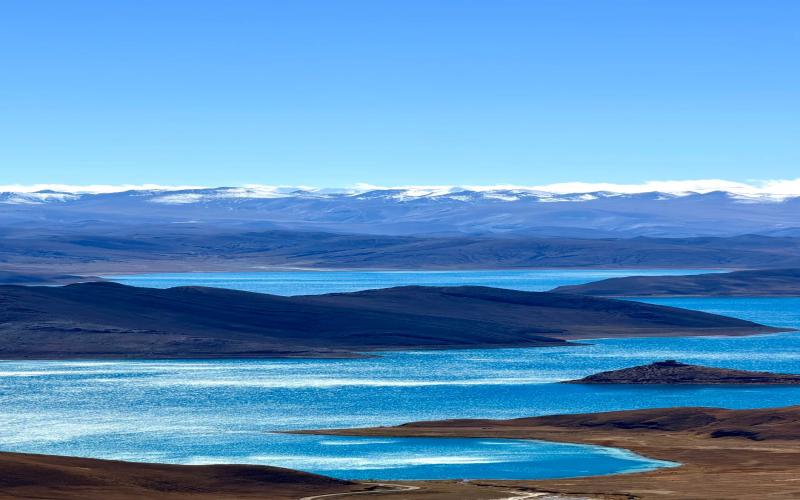
Yamdrok Lake
For multi-day glacier approaches, camping might be necessary, though winter camping at extreme altitudes requires specialized equipment and experience. Most organized tours avoid winter camping, instead arranging lodging in nearby villages. When booking through established operators like Tibet Yulong Travel, accommodation arrangements typically include verified heating capabilities, which proves essential for comfortable winter travel at high elevations.
Mandatory Permits and Entry Fees
No discussion about how much is Tibet blue ice tour in winter per person would be complete without addressing permit requirements. Foreign travelers cannot visit Tibet independently; a Tibet Travel Permit issued by the Tibet Tourism Bureau is mandatory. This permit is free officially but requires processing through registered travel agencies. Agencies bundle permit processing with tour packages, so the “cost” appears within your overall tour fee rather than as a separate line item.
Beyond the primary Tibet Travel Permit, visiting border regions where many glaciers reside requires an Alien Travel Permit (PSB Permit) and potentially a Border Area Travel Permit. Areas near Mount Everest, including Rongbuk Glacier, fall within restricted zones requiring additional documentation. These permits add complexity but not necessarily significant extra cost when arranged through experienced operators.
Glacier entry fees vary by location. Midui Glacier charges approximately $50 per person for entry, while Rongbuk Glacier access involves Mount Everest National Park fees around $25 plus environmental protection charges. Some remote glaciers lack formal ticketing infrastructure, meaning access depends entirely on your guide’s knowledge and relationships with local communities. Winter sometimes sees reduced entry fees or waived charges at certain sites to encourage off-season tourism, though policies fluctuate.
Guide Services and Agency Packages
Professional guidance significantly influences both safety and cost when exploring Tibetan glaciers in winter. When researching how much is Tibet blue ice tour in winter per person, you will encounter various package structures from different operators. Full-service packages typically include transportation, accommodation, meals, permits, guides, and entrance fees bundled into one price.
Budget group tours spanning five to seven days generally cost $800 to $1,500 per person during winter. These involve sharing vehicles with six to ten other travelers, staying in basic accommodations, and following fixed itineraries. Mid-range packages for smaller groups of three to five people range from $1,500 to $2,200 per person, offering better hotels, more flexible scheduling, and personalized attention.
Private customized tours start around $2,000 and can exceed $3,500 per person depending on luxury preferences and itinerary complexity. Private tours allow targeting specific glaciers, adjusting pace for acclimatization needs, and accommodating photography schedules. English-speaking guides command premium rates compared to Chinese-only speaking guides, adding $30 to $80 daily to your overall cost.
Reputable agencies such as Tibet Yulong Travel have established networks of experienced winter drivers, reliable accommodation partnerships, and streamlined permit processing systems. Their expertise proves particularly valuable during winter when unexpected road closures or weather changes require quick itinerary adjustments. Choosing established operators might cost slightly more upfront but prevents expensive complications arising from inadequate planning in harsh winter conditions.
Food and Daily Living Expenses
Daily meal costs represent a manageable portion of how much is Tibet blue ice tour in winter per person. In Lhasa, restaurants cater to diverse budgets. Local Tibetan eateries serve hearty noodle soups, momos (dumplings), and butter tea for $3 to $8 per meal. Chinese restaurants offer broader menus at $5 to $15 per dish. Western food exists in tourist areas but carries premium pricing of $15 to $30 per meal.
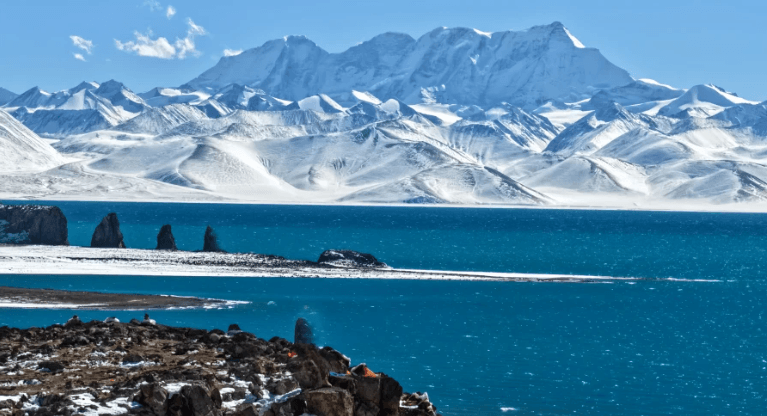
Namtso Lake
During glacier excursions away from major towns, dining options narrow considerably. Small village restaurants serve basic rice dishes, noodles, and simple vegetable preparations for $5 to $10 per meal. Many tour packages include meals during transit days, simplifying budgeting. If meals are excluded, allocate $20 to $40 daily for food depending on appetite and preferences.
Winter demands increased caloric intake to maintain body heat at high altitudes. Hot beverages, particularly sweet tea and ginger drinks available everywhere, help combat cold and altitude symptoms simultaneously. Bottled water costs $1 to $2 per bottle, though bringing purification tablets saves money on longer trips. Snacks purchased in Lhasa before departing for remote glacier regions prove cheaper than buying supplies in isolated mountain villages where transportation markups inflate prices.
Equipment and Preparation Costs
Proper gear directly affects both comfort and safety, contributing to how much is Tibet blue ice tour in winter per person when considering pre-trip investments. Winter glacier exploration demands serious cold-weather equipment. If you already own suitable gear, costs remain minimal. However, purchasing new equipment specifically for this trip adds considerably to your budget.
Essential items include insulated mountaineering boots rated for extreme cold ($200 to $500), layered thermal clothing systems ($150 to $400), windproof outer shells ($100 to $300), UV-protection sunglasses or glacier goggles ($50 to $150), and quality sleeping bags if camping ($150 to $400). Crampons or microspikes might be necessary for walking on glacial ice, costing $50 to $150.
Some tour operators provide specialized equipment like crampons or trekking poles as part of their package, reducing personal expenditure. Confirm what gear is included versus what you must bring yourself. Altitude sickness medication, such as Diamox (acetazolamide), should be obtained before arrival, costing $20 to $50 for a prescription course. Sunscreen with high SPF is critical given intense ultraviolet radiation at elevation, even during winter months.
Comparing Different Blue Ice Destinations
Tibet hosts several glaciers displaying the coveted blue ice phenomenon, each presenting different logistical challenges and cost implications. Understanding destination differences helps answer how much is Tibet blue ice tour in winter per person more precisely.
Midui Glacier (Bomi County): Located along the Sichuan-Tibet highway route, Midui offers relatively accessible blue ice viewing. The glacier tongue descends into forested valleys, creating dramatic contrasts between white ice and dark evergreens. Reaching Midui requires traveling from Lhasa through Nyingchi to Bomi, taking two to three days by road. Winter conditions make the final approach challenging but feasible with proper vehicles. Tours here tend toward the moderate price range due to established infrastructure along the route.
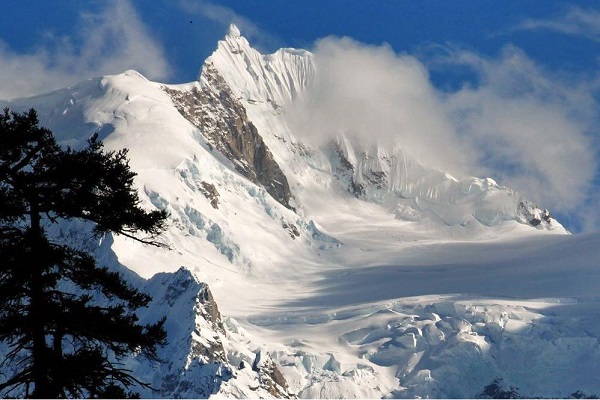
Midui Glacier
Rongbuk Glacier (Everest Region): As the world’s highest glacier, Rongbuk presents extreme altitude challenges alongside stunning blue ice formations visible near Everest Base Camp. Winter access depends heavily on road conditions over Gyatso La pass. Tours combining Everest Base Camp with glacier viewing rank among the more expensive options due to distance from Lhasa and required permits.
Kangshung Glacier: Situated on Everest’s eastern face, Kangshung remains largely inaccessible during winter due to heavy snowfall blocking approach routes. Only highly specialized expeditions attempt winter access, placing costs far beyond standard tourism parameters.
Puruogangri Ice Field: Located in northern Tibet near Nagqu, this massive ice field features extensive blue ice surfaces. However, its remote position and extreme winter cold make it suitable only for well-funded expeditionary travel rather than conventional tourism packages.
Most travelers seeking reasonable answers to how much is Tibet blue ice tour in winter per person find Midui Glacier offers the best balance of accessibility, visual spectacle, and manageable cost during winter months.
Hidden Costs and Unexpected Expenses
Experienced travelers know that initial quotes rarely capture total expenditure. Several hidden costs influence how much is Tibet blue ice tour in winter per person beyond advertised package prices.
Altitude sickness occasionally requires medical intervention, including supplemental oxygen purchases ($20 to $50 per tank), clinic visits ($30 to $100), or emergency descent arrangements. Travel insurance covering high-altitude activities and emergency evacuation is strongly recommended, costing $100 to $300 depending on coverage limits and provider.
Winter weather frequently disrupts travel plans. Road closures due to snowstorms might necessitate extra hotel nights, rebooking fees, or alternative routing. Building buffer days into your itinerary prevents missed international connections if delays occur. These contingency days add accommodation and meal costs not reflected in standard tour quotes.
Tips for guides and drivers represent customary practice in Tibet’s tourism industry. While not mandatory, allocating $10 to $20 per day for your guide and $5 to $15 for your driver acknowledges their expertise and effort, especially under demanding winter conditions. Photography permits at certain monasteries or cultural sites along transit routes add small but cumulative charges of $2 to $10 per location.
Communication costs arise if purchasing local SIM cards for data connectivity, typically $15 to $30 including initial credit. International roaming charges from home carriers prove substantially more expensive, making local SIMs worthwhile investments for extended trips.
Money-Saving Strategies for Winter Tours
Optimizing your budget requires strategic planning when determining how much is Tibet blue ice tour in winter per person. Several proven approaches reduce expenses without compromising safety or experience quality.
Joining group departures rather than booking private tours immediately cuts per-person costs by distributing vehicle, guide, and fuel expenses among multiple participants. Many agencies organize scheduled winter group departures specifically targeting glacier destinations, ensuring compatible travel companions and shared costs.
Booking well in advance secures better flight prices to Lhasa and allows agencies to arrange optimal logistics before winter complications arise. Last-minute bookings during winter often incur premium charges due to limited available vehicles and accommodation.
Traveling in early winter (November) rather than deep winter (January-February) balances lower costs against somewhat milder weather conditions. November retains autumn clarity while introducing winter pricing, whereas January brings extreme cold that occasionally forces expensive itinerary modifications.
Negotiating directly with established operators like Tibet Yulong Travel sometimes yields custom pricing, especially for returning clients or referrals. Transparent communication about budget constraints allows agencies to suggest appropriate modifications—perhaps substituting one luxury hotel night for a comfortable mid-range option—without sacrificing core glacier experiences.
Bringing essential snacks, medications, and minor equipment from home avoids inflated prices in Lhasa shops catering to tourists who forgot critical items. Every dollar saved on preventable purchases contributes to funding memorable experiences on the glaciers themselves.
Health and Safety Considerations
Winter glacier travel in Tibet demands respect for environmental extremes. Temperatures regularly drop below -20°C at glacier elevations, with wind chill amplifying cold exposure. Frostbite risk requires constant vigilance regarding extremity protection and recognizing early warning signs.
Altitude compounds winter challenges. Most blue ice glaciers sit above 4,000 meters, where oxygen levels challenge even fit individuals. Proper acclimatization schedules—spending two to three days in Lhasa (3,650m) before ascending further—prevent dangerous acute mountain sickness. Rushing this process risks hospitalization or emergency evacuation, catastrophically inflating your actual cost beyond any planned budget.
Hydration becomes counterintuitively important in cold environments. Dry winter air combined with altitude-induced respiratory water loss causes dehydration faster than expected. Maintaining fluid intake supports acclimatization and prevents headaches often mistaken for altitude sickness progression.
Choosing operators with proven winter safety records matters more than saving marginal dollars. Reliable agencies maintain emergency communication equipment, carry supplemental oxygen during glacier approaches, and employ drivers experienced navigating black ice on mountain passes. These safety investments justify slightly higher tour prices when evaluating how much is Tibet blue ice tour in winter per person holistically.
Planning Your Winter Glacier Adventure
Answering how much is Tibet blue ice tour in winter per person ultimately depends on your priorities, physical condition, and comfort expectations. Budget-conscious travelers joining group tours can experience Tibet’s magnificent blue ice for under $1,200 per person including domestic transport from mainland China. Those seeking privacy, luxury, and flexibility should budget $2,500 to $3,500 for comprehensive winter glacier expeditions.
The winter season transforms Tibetan glaciers into uncrowded wonderlands where deep blue ice contrasts against pristine snow landscapes and crystalline skies. Lower prices, absent summer crowds, and exceptional photographic conditions make winter an increasingly popular choice despite colder temperatures. Working with knowledgeable local operators like Tibet Yulong Travel ensures your investment delivers safe, memorable encounters with these ancient frozen landscapes while navigating permit complexities and winter logistics seamlessly.
Begin planning several months ahead, secure necessary medical clearances for high-altitude travel, invest in quality cold-weather gear, and confirm all details with your chosen operator before departure. The financial commitment required for a Tibet blue ice tour in winter rewards travelers with experiences few ever witness—the silent majesty of Himalayan glaciers dressed in their deepest blue winter colors.