🌟 Highlights:
- 📜 Clear official document rules for foreign tourists traveling G318 to Tibet
- 🗺️ Classic 12-day Chengdu to Lhasa overland tour itinerary with altitude acclimatization design
- ⛰️ Practical altitude sickness prevention and first-aid tips
- 🚙 Vehicle, packing and roadside logistics guide for the Sichuan-Tibet Highway
- 🙏 Tibetan culture etiquette for foreign visitors on G318
- 🗓️ Seasonal travel advice, road condition overview and common travel pitfalls to avoid
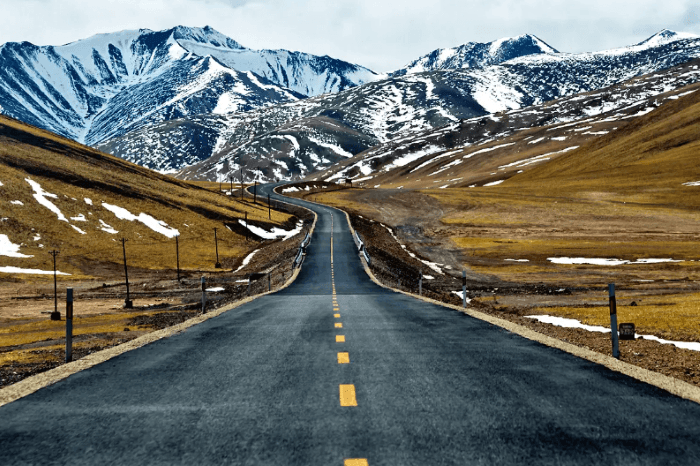
The G318 National Highway, widely known as the Sichuan-Tibet Highway, is celebrated worldwide as one of the most epic road trip routes on Earth. Stretching from Chengdu in Sichuan Province westward to Lhasa in Tibet, this legendary route passes through snow-capped peaks, deep river valleys, ancient Tibetan villages, turquoise highland lakes, dense forests and vast grasslands.
For foreign travelers dreaming of a once-in-a-lifetime plateau adventure, a G318 Sichuan Tibet Highway road trip delivers unmatched natural scenery and immersive Tibetan cultural encounters. However, traveling G318 to Tibet has unique regulations, altitude challenges and logistical requirements that differ greatly from regular travel in mainland China. This comprehensive guide covers official document requirements, recommended itineraries, high-altitude health management, vehicle preparation, best travel time, local etiquette and safety advice, to help foreign visitors plan a smooth, memorable journey.
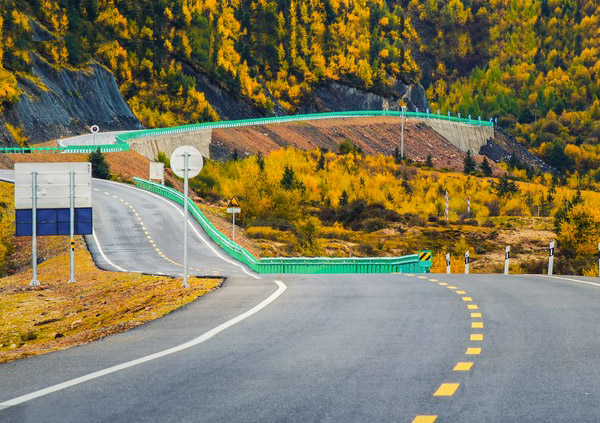
G318
Important Official Travel Rules & Required Documents for Foreign Travelers
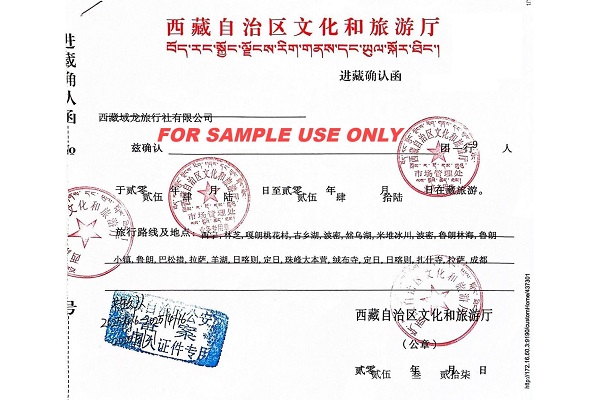
Before booking flights or planning your route, understanding Tibet entry regulations is the most critical step for all foreign travelers on G318. Foreign nationals cannot travel independently or self-drive without an authorized travel arrangement into the Tibet Autonomous Region. You must book your trip via a qualified inbound travel agency that can apply for the Tibet Entry Permit, also known as the Tibet Travel Permit. This permit is mandatory and will be checked at multiple roadside police checkpoints along G318 once you enter Tibet territory.
Required documents checklist
1. Valid passport with a Chinese tourist visa. Your passport must remain valid for at least six months after your planned departure date from China.
2. Tibet Entry Permit, processed by a licensed travel agency, usually requires 15–30 working days for application. Personal applications are not accepted.
3. English-speaking tour guide: foreign groups must travel with a registered guide throughout the Tibet section of G318. Your travel schedule, accommodation and travel route must be pre-submitted and approved when applying for the entry permit. You cannot freely change your route or hotel bookings without advance notification.
4. Border Pass: If you plan to extend your trip beyond Lhasa to remote border destinations such as Everest Base Camp, you will need an additional Border Pass. This is not required for the core Chengdu–Lhasa main road trip.
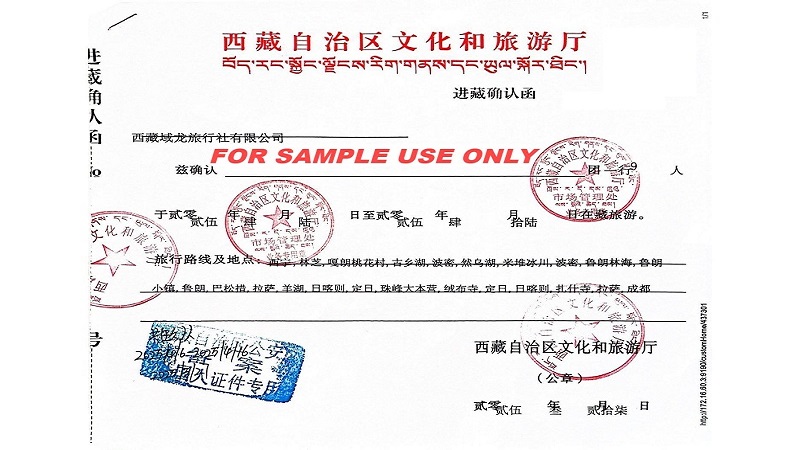
Tibet Travel Permit – Tibet Yulong
Hong Kong and Macau passport holders follow separate policies, while all other foreign nationalities need the Tibet Entry Permit. Always submit your passport information to your travel agency early to avoid delays or rejection. Many overseas visitors search for a reliable Sichuan Tibet highway travel guide before committing to their plateau adventure, and verifying permit requirements is always the starting point.
Best Time to Travel G318 Sichuan Tibet Highway
The G318 highway crosses 14 high mountain passes over 4000 meters, and weather and road conditions change dramatically across seasons. Choosing the right travel window directly impacts safety and scenery quality.
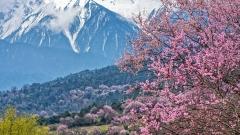
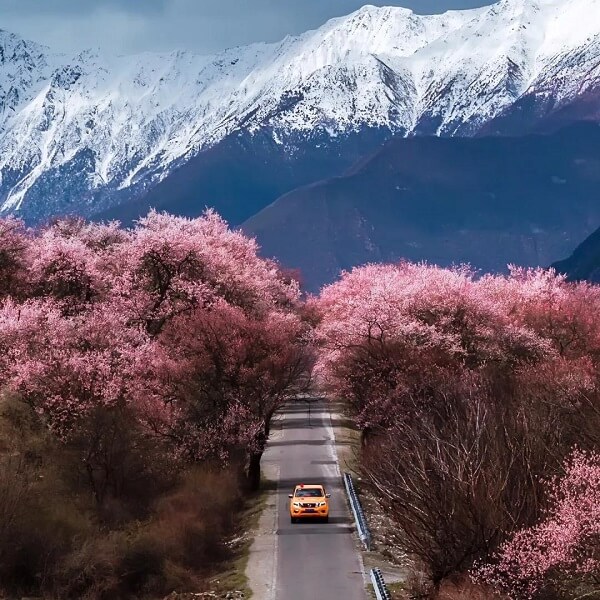
- May to June: Spring season. Peach blossoms bloom heavily in Nyingchi, the temperature is mild, rainfall is relatively low. This is a popular photography season, and crowds are smaller than summer. Snow may still remain on high mountain passes.
- July to August: Summer peak season. The grasslands are lush green, wildflowers cover the hillsides. But this is also the rainy season. Heavy rain increases risks of mudslides, falling rocks and temporary road closures on the canyon sections between Batang and Bomi. Traffic jams are common.
- September to early October: Autumn. This is widely regarded as the best time for a G318 road trip. Clear skies offer unobstructed views of snow mountains, forests turn golden and red, rainfall decreases significantly. Temperatures are comfortable, though nights turn cold at high altitude. Book permits and accommodation months in advance for this window.
- November to April: Winter. Mountain passes often have ice and snow. Snow chains are compulsory for vehicles. Many roadside inns close. The scenery is stark and beautiful with heavy snow cover, but driving risk is much higher. Only experienced travelers with professional guides should consider winter G318 trips.
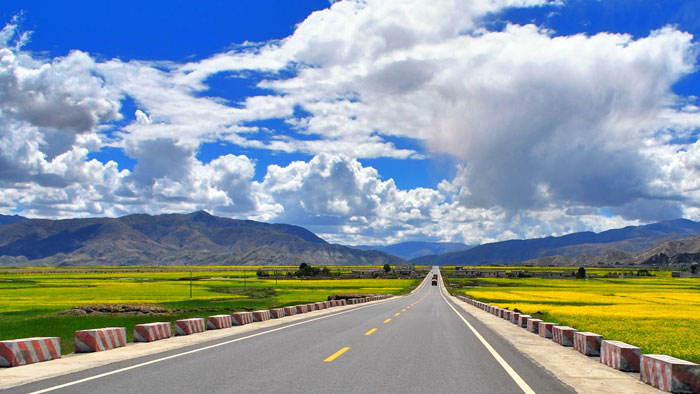
Classic 12-Day Itinerary
This itinerary uses gradual altitude gain to help your body acclimatize to high elevation, which is the golden rule to reduce altitude sickness risk. We avoid overnight stays at towns above 4000 meters whenever possible.
Day 1: Chengdu (500m). Arrive, rest and meet your English guide. Explore Chengdu city, taste Sichuan hotpot. Do not over-exercise to prepare for altitude climbing ahead.
Day 2: Chengdu → Kangding (2560m). Cross Erlangshan Tunnel, visit Luding Bridge. Stay overnight in Kangding, the gateway to the Tibetan plateau.
Day3: Kangding → Xinduqiao (3300m). Cross Zheduo Mountain Pass at 4298m. Xinduqiao is famous as “Photographer’s Paradise”, dotted with Tibetan stone houses, poplar trees and rolling grasslands.
Day4: Xinduqiao → Litang (4014m). Pass over many high passes, enjoy vast grasslands. Visit Litang Monastery. Note: Litang’s elevation is high; keep activities light.
Day5: Litang → Batang (2580m). Drive across Haizi Mountain. Descend to Batang, a low-altitude town perfect for rest and recovery.
Day6: Batang → Mangkam (3875m). Cross Jinsha River, the official boundary between Sichuan and Tibet. This section has multiple checkpoints.
Day7: Mangkam → Zuogong (3800m). Cross Dongda Mountain Pass, the highest pass on the Sichuan-Tibet main route.
Day8: Zuogong → Basu (3280m). Travel through river valleys and forested slopes.
Day9: Basu → Ranwu Lake → Bomi (2725m). See the iconic Nujiang 72 Turns, a famous winding stretch of G318. Ranwu Lake’s deep blue water surrounded by glaciers is one of the most photographed spots on this highway.
Day10: Bomi → Nyingchi (3000m). Bomi is known as Tibet’s Jiangnan, full of ancient forests and waterfalls. Nyingchi has relatively low altitude for Tibet, great for recovery.
Day11: Nyingchi → Lhasa (3650m). Arrive in Lhasa. Slow down, avoid heavy meals and strenuous walking.
Day12: Lhasa sightseeing. Visit Potala Palace, Jokhang Temple and Barkhor Street. Book Potala Palace tickets in advance.
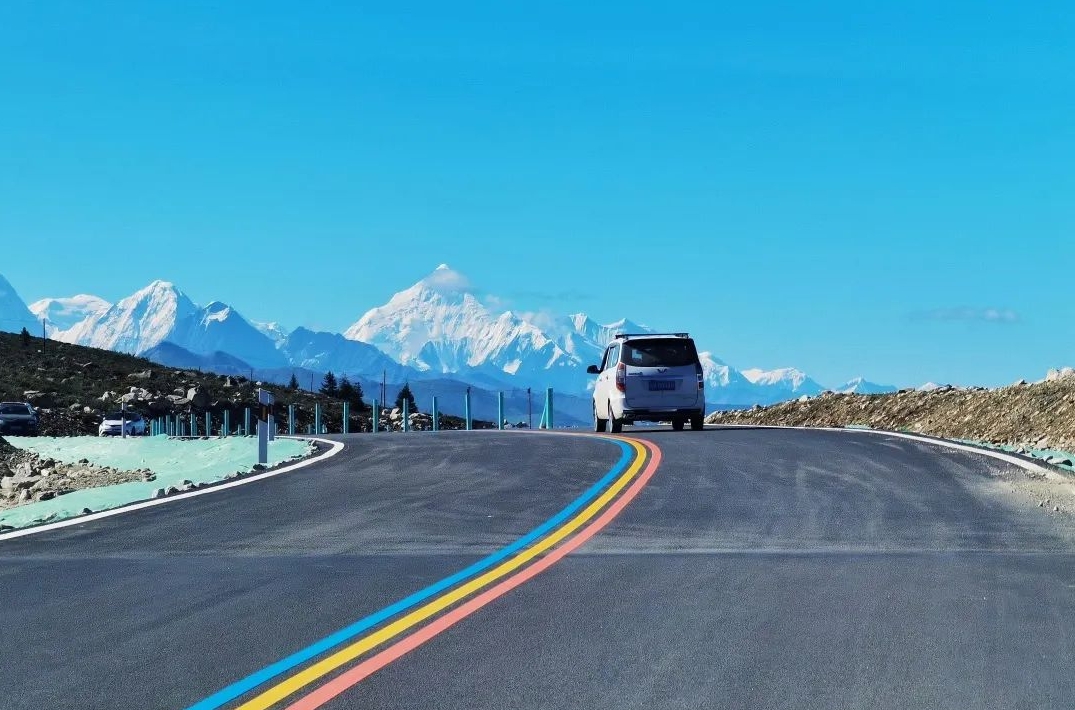
Many international visitors looking for a G318 Tibet road trip for foreigners opt for this slow-paced schedule instead of rushing the route, as it gives the body enough time to adapt to the rising elevation.
Altitude Sickness (AMS): Prevention & Emergency Guide for Foreign Travelers
Acute Mountain Sickness is the most common health risk on G318. Symptoms include headache, dizziness, fatigue, nausea, loss of sleep and shortness of breath. Serious cases can develop into high-altitude pulmonary or cerebral edema, which is life-threatening.
Core rules
1. Climb slowly. Our 12-day itinerary is designed for gradual elevation gain. Never rush upward.
2. Do not drink alcohol, smoke or take sleeping pills during the first few high-altitude days. Drink plenty of water.
3. Avoid heavy physical exertion when you first arrive at high altitude. Do not run or climb hills quickly.
4. Basic medicine: carry paracetamol for headaches. Portable oxygen cylinders can be purchased along G318 towns, but oxygen is only for emergency relief, not for constant use.
5. If you suffer severe persistent vomiting, confusion or breathing difficulty, descend immediately to lower altitude and seek medical help.
People of any age or fitness level can get altitude sickness; physical fitness does not protect you.
Vehicle Preparation & Road Conditions on G318
Foreign travelers have two options: hire a private vehicle with a professional driver-guide, or bring your own vehicle with customs-approved temporary entry paperwork. Most international visitors choose a local 4WD SUV with a licensed driver, which removes stress about vehicle maintenance, road navigation and checkpoint communication.
Road conditions: The main G318 paved road is generally well maintained. However, sections in canyon areas may have potholes, fallen rocks or temporary road closures during rainy summer months. Mountain passes can suddenly encounter fog, rain or snow even in summer.
Vehicle checklist:
– 4WD SUV is recommended. Normal city sedans can travel the main route in dry seasons but struggle on damaged or slippery sections.
– Spare tire, repair tools, tow rope, snow chains (essential for spring, autumn and winter mountain passes).
– Full fuel tank whenever possible. Gas stations are available along G318 but spaced far apart in remote areas.
– Power bank, satellite communicator or offline GPS maps. Mobile signal is lost in many valley sections.
When planning your G318 national highway Tibet tour, confirm vehicle rental terms and driver qualifications with your travel agency well before departure.
Packing List for Foreign Visitors on G318 Road Trip
Weather on the plateau changes rapidly; you may experience sunshine, wind, rain and snow in one single day.
– Clothing: Layered outdoor wear, waterproof jacket, thermal base layers, warm fleece, hat, gloves, UV-protective sunglasses. Strong plateau sunlight causes sunburn easily.
– Skincare: High SPF sunscreen, lip balm with UV protection, moisturizer. Dry plateau air can crack skin and lips quickly.
– Toiletries: Many small roadside stops have basic or simple restroom facilities. Wet wipes and hand sanitizer are useful.
– Electronics: Power bank, camera, extra memory cards. Note: Some sacred monasteries restrict photography, and you must ask permission before taking photos of local Tibetan residents.
– Documents: Always keep original passport and Tibet Entry Permit in your hand luggage. You will need them for police checkpoints every day inside Tibet.
Tibetan Culture & Etiquette
Respect for local Tibetan culture is essential for a meaningful G318 trip.
1. When visiting monasteries, walk clockwise around prayer wheels, mani stones and shrines. Do not step on thresholds of temple doors.
2. Do not touch Buddha statues, religious artifacts or prayer flags. Never sit on mani stone piles.
3. Ask for permission before photographing local people. Some residents may decline photos; please respect their choice.
4. Do not put your hand on the heads of Tibetan children, as this carries religious meaning.
5. Do not litter. The plateau ecosystem is fragile. Keep all trash and dispose of it in towns.
6. Speak softly inside monasteries. Avoid loud conversations.
Roadside Logistics, Food & Accommodation Along G318
The G318 route has developed steadily for tourism. You can find hotels ranging from budget inns to comfortable tourist hotels in major towns like Kangding, Batang, Bomi and Nyingchi. During peak autumn season, rooms fill up quickly, so bookings must be locked with your travel agency when applying for the Tibet Entry Permit.
Food options: Sichuan-style Chinese food is the most common along the route. Tibetan restaurants serve tsampa, butter tea, yak meat and Tibetan noodles. Vegetarian meals can be arranged in most towns, but options become limited in remote mountain villages. Bring your preferred snacks and bottled water.
Cash and payments: Major towns accept UnionPay cards, but mobile payment apps such as Alipay require a Chinese local account. Carry enough cash for small towns and roadside purchases.
FAQ
Q1: Can foreign travelers self-drive G318 Sichuan Tibet Highway alone?
A1: No. Foreign tourists cannot travel independently inside Tibet. You must travel with a licensed travel agency, obtain the Tibet Entry Permit and travel with an assigned guide. You may join a private vehicle tour with a local driver.
Q2: What is the total driving distance and time for Chengdu to Lhasa G318?
A2: The driving distance is roughly 2140 km. A comfortable road trip takes 10–12 days, allowing altitude acclimatization and sightseeing. Rushing the trip in fewer days greatly increases altitude sickness risk.
Q3: Can I fly to Lhasa first then join a G318 road trip?
A3: It is possible, but arriving directly at Lhasa’s 3650m altitude raises altitude sickness risk. Most doctors and tour guides recommend the Chengdu westbound G318 route for gradual altitude adaptation.
Q4: Are there internet and Wi-Fi on G318?
A4: Major towns have hotel Wi-Fi, but mobile signal drops completely in long mountain valleys and remote passes. Prepare offline maps and download translation tools in advance.
Final Words
A G318 Sichuan Tibet Highway road trip remains one of the world’s most remarkable overland journeys. For foreign travelers, this adventure rewards patience, preparation and cultural respect with unforgettable views of snow mountains, holy lakes and living Tibetan culture. Start your planning early: contact a qualified inbound travel agency at least one month before departure to process your Tibet Entry Permit, build a gradual altitude itinerary, and prepare your body and gear for the plateau environment. When you follow the official travel rules and respect local customs, your overland journey from Chengdu to Lhasa will become an unforgettable journey of a lifetime.