📌Highlights:
- 🌄 Prioritize altitude acclimatization in Lhasa before long drives across Central Tibet’s high plateau passes
- 🧥 Layered clothing, strong sun protection and a thermos are non-negotiable for rapid temperature swings
- ⏱️ Schedule short, frequent stops; avoid rushing long driving segments to prevent altitude fatigue
- 🗺️ Prepare offline maps, first-aid kit, motion sickness remedies and portable oxygen for remote stretches
- 🍫 Pack high-energy snacks and bottled water; basic restroom facilities are limited away from towns
Central Tibet, home to Lhasa, Yamdrok Lake and Shigatse, offers one of the world’s most breathtaking overland experiences. Snow-capped Himalayan peaks, turquoise high-altitude lakes, endless grasslands and ancient monasteries unfold around every bend. However, long driving days on the Tibetan plateau bring unique challenges: thin air, intense UV radiation, dramatic temperature shifts, winding mountain roads and limited roadside services. A beautiful Central Tibet road trip can quickly become uncomfortable without proper planning. These road trip comfort tips for long driving days in Central Tibet will help you stay healthy, relaxed and ready to enjoy the scenery instead of fighting fatigue or altitude discomfort.
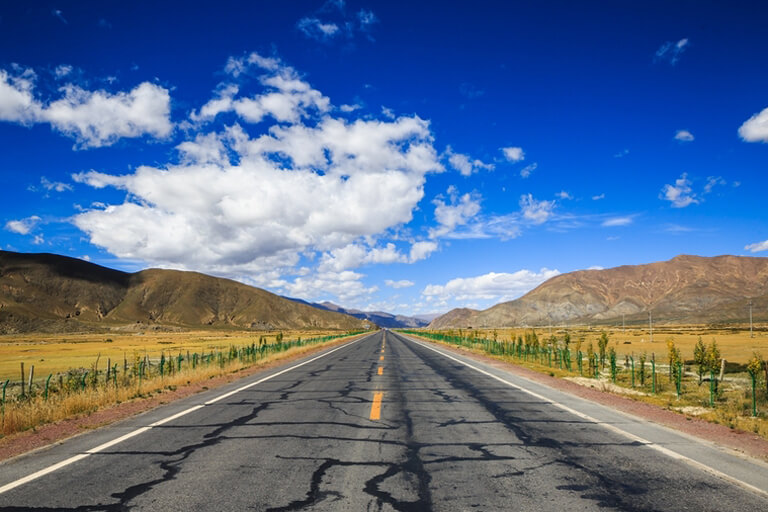
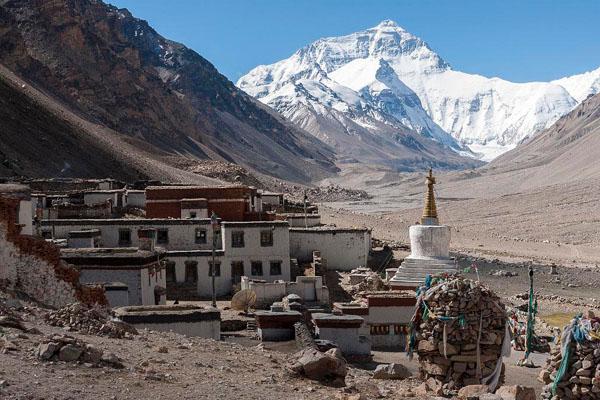
318 National road
Understand Central Tibet’s Unique Driving Environment Before You Go
Central Tibet’s core routes connect Lhasa to Shigatse, Yamdrok Lake, Gyantse and nearby mountain passes. Many driving days cover 200–400 kilometres, with stretches above 4,500 metres elevation. Unlike lowland road trips, comfort here starts with understanding the plateau environment.
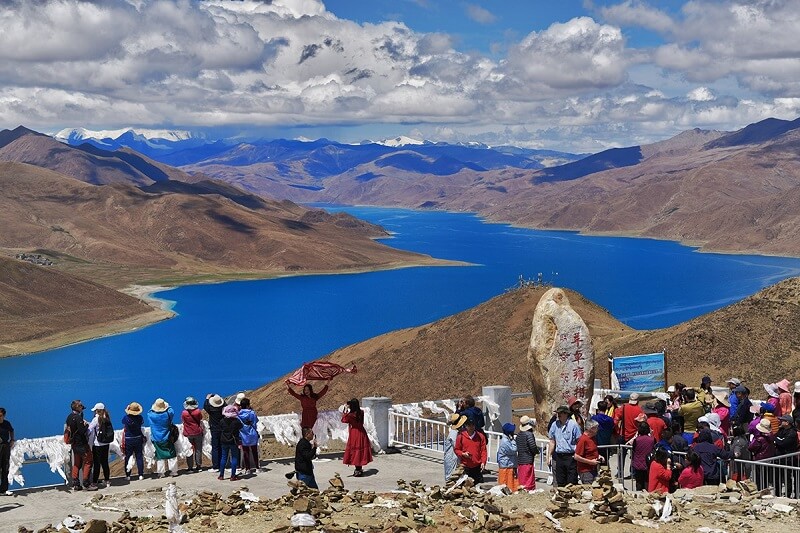
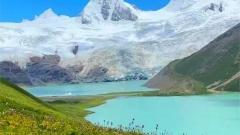
Yamdrok Lake
Altitude is the biggest factor. Even if you feel fine walking around Lhasa, sitting for hours in a vehicle, then stepping out at a high mountain pass can trigger altitude sickness (AMS). Prolonged sitting reduces blood circulation, and the thin air amplifies tiredness, headaches and nausea. Road conditions vary. Main paved highways are well maintained, but you will encounter slow speed limits, livestock crossing the road, sharp switchbacks and occasional gravel sections. Mobile signal frequently drops out between towns, so you cannot rely on real-time navigation or internet access everywhere.
Weather changes rapidly. Morning temperatures can hover near freezing, while midday sunshine may feel warm. Wind at mountain passes is fierce, even in summer. Rain and occasional hail can appear suddenly during the rainy season from July to August. If you are researching Central Tibet overland travel tips, keep this unpredictable weather in mind when building your itinerary. All these factors mean comfort planning cannot be the same as a regular low-altitude road trip.
Pre-Trip Acclimatization: The Foundation of Comfort on Long Drives
The single most important comfort tip for long driving days in Central Tibet is proper altitude acclimatization. Never jump straight into a full-day long drive immediately after arriving in Lhasa. Spend your first two to three nights resting in Lhasa to let your body adapt to 3,650m. Avoid heavy exercise, hot baths, alcohol and tobacco during this period, as they worsen dehydration and altitude stress.
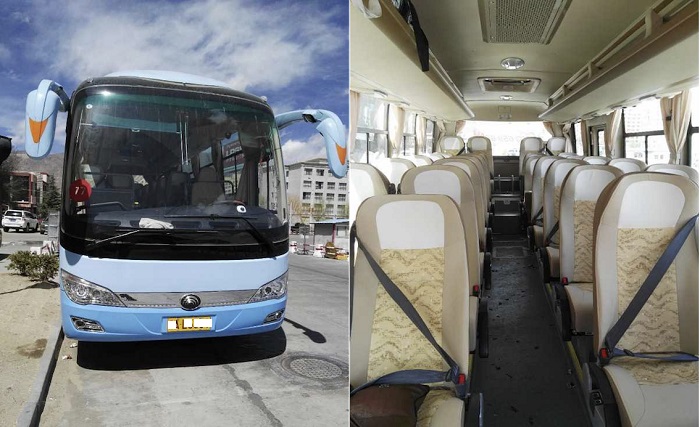
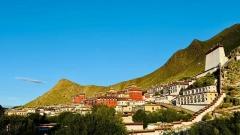
Tibet Travel Vehicles
Build your itinerary gradually. Start with short sightseeing trips close to Lhasa before planning longer drives to Yamdrok Lake or Shigatse. For travellers worried about plateau health risks, learning Tibet altitude sickness prevention on road trips is essential before your departure. If you develop mild altitude headache, rest, drink warm water and avoid rushing. Listen closely to your body during stops. When you exit the car at high passes, move slowly. Do not sprint for photos or overexert yourself. Sudden heavy physical activity is the easiest way to trigger AMS mid-road trip.
Consult your doctor before travel if you have heart or respiratory conditions. Discuss altitude medication options if recommended. Bring a pulse oximeter to monitor oxygen levels, which helps you judge whether you need to slow down or take extra rest during your journey.
Vehicle & Driver Preparation for Plateau Road Trip Comfort
Whether you travel with a private driver or tour vehicle, vehicle preparation directly impacts comfort on long driving days in Central Tibet. For foreign visitors, self-driving is not permitted; all overland journeys require a licensed local driver and properly registered tourist vehicle. Choose a high-rise SUV rather than a sedan. SUVs offer smoother rides on bumpy sections, extra storage space and better visibility for viewing plateau landscapes.
Before departure, confirm the vehicle has a full mechanical check: brakes, tires, spare tire, engine coolant and battery. High altitude affects engine performance, and breakdowns in remote areas are stressful. Ask the driver to carry jumper cables, basic repair tools and tow rope. Keep portable oxygen canisters inside the car cabin, stored safely away from direct sunlight.
Work with your driver to set a relaxed pace. Do not stack too many sightseeing stops into one day. The most comfortable Central Tibet road trips limit driving time to 6–7 hours daily, with planned rest breaks every 60–90 minutes. Agree on stop locations in advance for photos, stretching and restroom visits. If you are looking for a complete Tibet road trip preparation guide, vehicle and driver arrangements should sit at the very top of your checklist. On winding mountain roads, motion sickness is common. If any passenger suffers from car sickness, reserve the front seat, keep fresh air circulating and focus your gaze on distant horizons rather than nearby cliffs. Ginger sweets, motion sickness bands or tablets can reduce nausea on curvy mountain stretches.
Packing Essentials to Stay Comfortable During Long Driving Days in Central Tibet
Packing for Central Tibet road trips follows the layered clothing principle, the golden rule for plateau travel. Temperatures swing wildly within a single day. Wear moisture-wicking base layers, fleece or wool mid-layers, plus a windproof and waterproof outer shell jacket. Even in summer, always pack warm gloves, a neck gaiter and a warm hat for windy high passes.
Sun protection is critical. UV radiation at high altitude is far stronger than at sea level, even on cloudy days. Pack high-factor sunscreen (SPF50+), lip balm with UV protection, polarized sunglasses and a wide-brim sun hat. Sunburn on lips and cheeks can ruin your comfort over multiple driving days.
Keep a dedicated in-car daypack within easy reach, not packed in the luggage compartment. Inside this bag:
– Insulated thermos filled with hot water or Tibetan butter tea; staying hydrated improves altitude tolerance
– High-energy snacks: nuts, dried fruits, energy bars, hard candies. Restaurants and shops are sparse between towns
– Personal medication: pain relievers for altitude headaches, stomach medicine, bandages and antiseptic wipes
– Hand sanitizer and toilet paper, as roadside facilities are basic or non-existent
– Power bank, fully charged offline maps downloaded on your phone, flashlight
– Lightweight blanket for cold air conditioning or chilly mountain drives
Avoid heavy, bulky items in the cabin. Keep the car interior uncluttered so passengers can stretch legs easily.
In-Vehicle Comfort: Reduce Fatigue & Discomfort While Spending Hours on the Road
Sitting stationary for hours at altitude worsens stiffness, poor circulation and altitude fatigue. Simple habits greatly improve your comfort during long driving days in Central Tibet. Adjust your seat position for good back support. Bring a small portable lumbar pillow or neck pillow to ease strain on bumpy roads. Every time you stop, step out of the car, stretch your legs, roll your shoulders and take slow deep breaths for 5–10 minutes. Do not remain seated for hours continuously.
Maintain gentle airflow inside the vehicle. Fully closed windows can create stale air and make altitude discomfort feel worse. Crack the window slightly for fresh air, but shield yourself from cold wind at mountain passes. Manage temperature smartly. If sunlight hits your seat directly, use the car sunshade. Put on extra layers instead of adjusting the air conditioning too high, as rapid cooling can trigger colds at altitude.
Stay consistently hydrated. Sip warm water regularly throughout the day rather than drinking large amounts at once. Dehydration mimics altitude sickness symptoms such as headache and tiredness. Limit caffeine and sugary drinks, which accelerate fluid loss. Light snacks help maintain energy levels; avoid heavy, greasy meals before or during long drives, as they can cause stomach discomfort on winding roads. For anyone planning long distance driving in Central Tibet, these small in-car habits will make a huge difference day after day.
Smart Rest & Itinerary Planning for Comfortable Central Tibet Overland Travel
The most overlooked road trip comfort tip for long driving days in Central Tibet is itinerary pacing. Many travellers overschedule, packing too many destinations into one day, which forces rushed driving and minimal rest. Build buffer time into your schedule for unexpected delays: livestock herds crossing highways, road checks, weather slowdowns or spontaneous photo stops.
Plan overnight stays at reasonably low elevations whenever possible. Avoid consecutive nights sleeping above 4,500m, as poor sleep at high altitude accumulates fatigue over multiple driving days. Choose accommodation with reliable heating for cool nights. Good rest overnight directly determines how comfortable you feel in the car the next morning.
Plan restroom stops ahead. Outside Lhasa, Shigatse and Gyantse, public toilet quality declines sharply. Some roadside stops have pit toilets with minimal facilities. Prepare mentally and carry toilet paper and hand sanitizer. When stopping at scenic spots, use the opportunity to use facilities before continuing into remote stretches.
Time your driving wisely. Try to start early in the morning, so you complete mountain pass sections before afternoon wind and storm clouds build up. Avoid late-night driving on plateau highways. Roads lack lighting, wildlife may cross the roadway, and fatigue risk rises significantly after dark.
Health & Safety Tips to Prevent Altitude Discomfort on the Road
Watch for early warning signs of altitude sickness: persistent headache, dizziness, fatigue, loss of appetite, nausea, shortness of breath or trouble sleeping. If symptoms appear, stop driving activity, rest and drink warm water. Mild symptoms often improve with rest. If symptoms become severe, such as confusion, breathlessness at rest or coughing, descend to lower elevation immediately and seek medical help.
Portable oxygen canisters are useful for temporary relief, especially at high passes, but they are not a cure for altitude sickness. Use oxygen sparingly during your trip, and do not rely on it to push through serious symptoms.
Keep your immune system strong. Avoid getting cold. A simple cold can turn serious quickly on the plateau. Carry basic cold medicine. Eat clean food and drink bottled water in remote areas to avoid stomach upset, which will quickly turn a long driving day miserable.
Cultural & Small Comfort Hacks for Central Tibet Road Trips
Small thoughtful touches elevate your road trip experience in Central Tibet. Respect local culture while stopping. When visiting monasteries or villages, dress modestly with covered shoulders and knees. Ask permission before photographing local people. A polite attitude creates warm interactions and makes stops more pleasant.
Carry some cash. Many remote roadside shops and basic teahouses do not accept cards or mobile payments. Small banknotes are useful for buying bottled water, snacks or toilet fees.
Download offline music, podcasts or audiobooks before departure. Long stretches have no cellular service, so streaming media will not work. Having entertainment makes long driving days more relaxed. Keep camera batteries and power banks fully charged overnight because power supply can be unreliable in rural guesthouses.
Be flexible. Plateau weather and road conditions can change plans instantly. A comfortable road trip in Central Tibet depends on keeping calm when schedules shift. Leave room in your mindset to pause longer at a stunning lake or monastery instead of rigidly sticking to timetables. These simple tricks are core plateau travel comfort tips that many first-time plateau visitors overlook.
Final Checklist for Long Driving Days in Central Tibet
Before setting off each morning, quickly go through this comfort checklist:
✅ Thermos filled with hot water
✅ Sun protection kit: sunscreen, lip balm, sunglasses, hat
✅ Layered clothing ready for sudden temperature drops
✅ First-aid pouch, personal medicines and oxygen canisters accessible
✅ Snacks and bottled water stocked
✅ Phone offline maps downloaded, power bank charged
✅ Agreed stop schedule with driver for stretching and restroom breaks
✅ Check all passengers for early altitude symptoms before climbing high passes
Conclusion
A Central Tibet road trip rewards travellers with unforgettable highland scenery and authentic Tibetan culture, but comfort on long driving days does not happen by chance. It comes from careful altitude acclimatization, sensible itinerary pacing, proper vehicle arrangement, layered packing and consistent small habits: frequent stretching, steady hydration and listening to your body. These road trip comfort tips for long driving days in Central Tibet help you reduce fatigue, avoid altitude discomfort and focus on enjoying the journey rather than battling avoidable troubles. With thoughtful preparation, your overland adventure across Central Tibet will be safe, comfortable and deeply memorable.