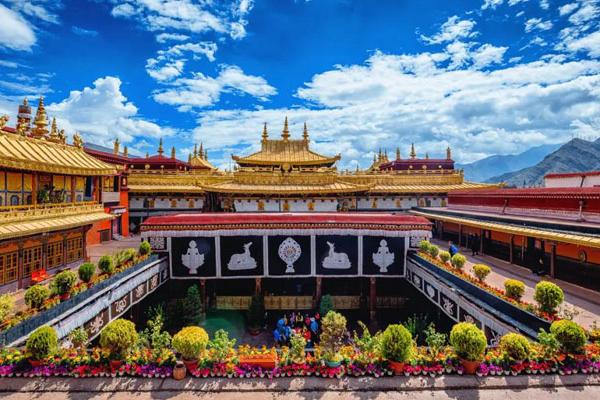
Standing at the foot of the world’s highest peak is a dream shared by adventurers globally. However, Mount Everest straddles two borders, offering two distinct experiences depending on which country you approach from. Understanding the differences between these routes is essential before booking your flights or packing your gear. This comprehensive Everest Base Camp Tibet side vs Nepal side comparison will break down every critical factor, from altitude profiles and trekking difficulty to permit requirements and overall costs. Whether you prefer a rugged multi-week wilderness expedition or a more accessible high-altitude road journey, both sides deliver unforgettable encounters with the Himalayas. By the end of this guide, you will have all the practical information needed to make an informed decision for your next great adventure.
✨ Highlights:
- Nepal requires a multi-day trek; Tibet offers direct vehicle access.
- The Nepal side provides closer views of the Khumbu Icefall; the Tibet side offers broader panoramic vistas.
- Permit processes differ significantly, with Tibet requiring organized tour bookings.
- Nepal EBC sits slightly higher in altitude than Tibet EBC.
- Costs vary based on trekking duration, guide requirements, and transportation logistics.
Overview of the Everest Base Camp Tibet Side vs Nepal Side Comparison
When travelers begin researching their Himalayan journey, they quickly realize that “Everest Base Camp” actually refers to two different locations. The South Base Camp lies in Nepal within Sagarmatha National Park, while the North Base Camp is situated in the Tibet Autonomous Region of China. Both serve as staging grounds for mountaineering expeditions, but they cater to very different types of visitors. An accurate Everest Base Camp Tibet side vs Nepal side comparison must acknowledge that neither route is inherently superior; rather, they appeal to different travel styles, physical capabilities, and logistical preferences. The Nepal side has long been synonymous with classic trekking culture, teahouse hospitality, and Sherpa heritage. Conversely, the Tibet side offers a stark, dramatic landscape accessible via paved roads, deeply intertwined with Tibetan Buddhist culture. Choosing between them fundamentally shapes your entire experience, dictating how many days you need, how much physical exertion is required, and what kind of scenery will dominate your photographs.
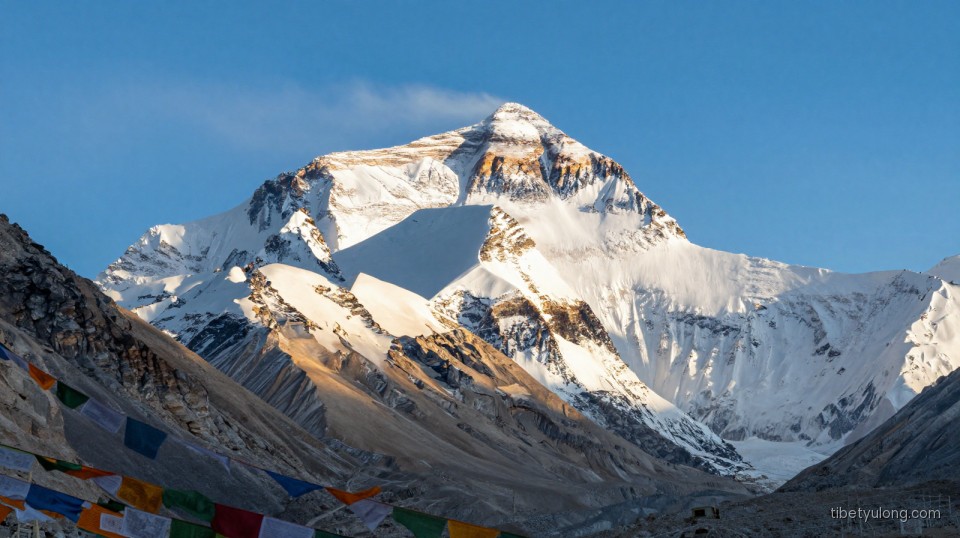
Mount Everest
Accessibility and Transportation: How to Reach Each Base Camp
Reaching the Nepal Side (South Base Camp)
Getting to the South Base Camp in Nepal is an adventure in itself. The journey almost always begins with an international flight into Tribhuvan International Airport in Kathmandu. From there, trekkers take a short, often turbulent domestic flight to Lukla’s Tenzing-Hillary Airport, widely considered one of the most thrilling airport approaches in the world. Alternatively, some travelers opt for a multi-day jeep ride from Kathmandu to trailheads like Jiri or Salleri to avoid the expensive and weather-dependent flights. Once at the trailhead, there are no roads leading to the Nepal base camp. Every kilometer must be covered on foot or by riding mules and yaks. This lack of vehicular access preserves the remote, pristine nature of the Khumbu Valley but demands a significant time commitment, usually taking eight to twelve days just to reach the base camp from Lukla.
Reaching the Tibet Side (North Base Camp)
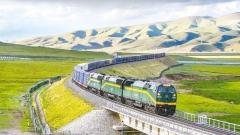
The accessibility of the North Base Camp presents a stark contrast in any Everest Base Camp Tibet side vs Nepal side comparison. Travelers typically fly into Lhasa Gonggar Airport or take the famous Qinghai-Tibet Railway, which offers incredible high-altitude scenery. From Lhasa, the journey to Everest involves traveling along well-maintained highways. The drive passes through Shigatse and Tingri, gradually ascending onto the Tibetan Plateau. Unlike the Nepal side, the Tibet base camp is fully accessible by vehicle. A paved road leads directly to Rongbuk Monastery, and from there, eco-buses or authorized tourist vehicles transport visitors to the designated tourist base camp area. This means you can technically go from Lhasa to the foot of Everest in about two to three days of driving. For those lacking the time or physical stamina for a two-week trek, this vehicular access makes the Tibet side incredibly appealing. However, it also means the rapid ascent requires careful attention to acclimatization to prevent altitude sickness.
Trekking Difficulty and Physical Requirements
The Nepal Trekking Experience
The trek to the South Base Camp is classified as moderate to strenuous. It does not require technical climbing skills, ropes, or crampons for the standard trekking route, but it demands excellent cardiovascular fitness and mental endurance. Trekkers walk for five to seven hours daily over rocky, uneven terrain, crossing high suspension bridges and navigating steep ascents and descents. The cumulative elevation gain over the trek is substantial, as the trail constantly undulates through deep river valleys before climbing higher. Altitude is the primary challenge. As you push past 4,000 meters, the air thins significantly, making every step feel heavier. Proper acclimatization days built into the itinerary are non-negotiable. Most reputable trekking agencies enforce rest days in villages like Namche Bazaar and Dingboche to allow the body to adjust. The physical toll is real, but the sense of achievement upon reaching the Khumbu Icefall viewpoint is unmatched.
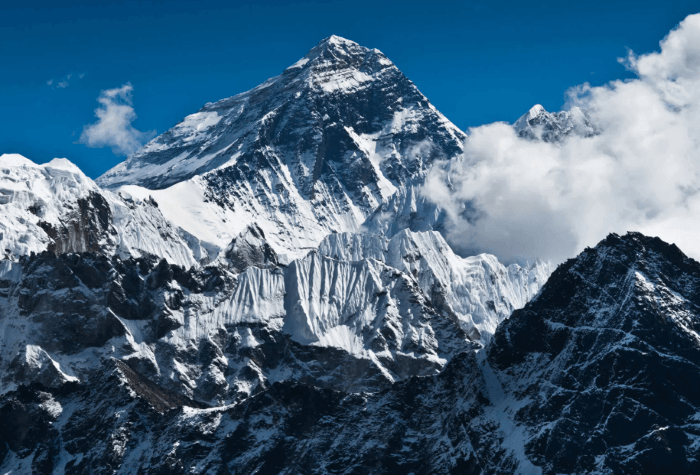
Mount Everest in Nepal
The Tibet Overland Journey
In an Everest Base Camp Tibet side vs Nepal side comparison regarding physical exertion, the Tibet side is generally less demanding in terms of sustained aerobic effort. Because you are driven most of the way, you do not face weeks of continuous hiking. However, this does not mean the Tibet side is effortless. The primary physical challenge here is the extreme altitude combined with the speed of ascent. The North Base Camp sits at roughly 5,200 meters, and the surrounding passes, such as Pang La, exceed 5,200 meters. Because you arrive by vehicle, your body has less time to naturally adapt compared to the gradual walking ascent in Nepal. Visitors must be prepared for headaches, nausea, and fatigue associated with Acute Mountain Sickness (AMS). While you can take short walks around Rongbuk Monastery or hike slightly higher for better photographic angles, extensive trekking is not the main activity. Therefore, the Tibet side is highly suitable for older travelers, families, or those with limited mobility who still wish to witness Everest up close.
Scenery and Landscape Differences
Views from the South Base Camp (Nepal)
The scenery in Nepal’s Khumbu region is lush, dynamic, and culturally rich. The lower elevations feature dense rhododendron and pine forests, rushing glacial rivers, and terraced fields. As you climb above the tree line, the landscape transforms into a rugged alpine environment dominated by massive glaciers and towering peaks. Standing at the South Base Camp, you are surrounded by an amphitheater of giants, including Nuptse, Lhotse, and Pumori. Crucially, the Nepal base camp places you directly adjacent to the Khumbu Icefall, a chaotic, shifting river of ice that climbers must navigate to summit Everest. While you cannot see the absolute summit of Everest clearly from the South Base Camp itself due to the blocking mass of Nuptse, nearby viewpoints like Kala Patthar (5,644 meters) offer the iconic, unobstructed panorama of Everest’s summit that graces countless postcards.
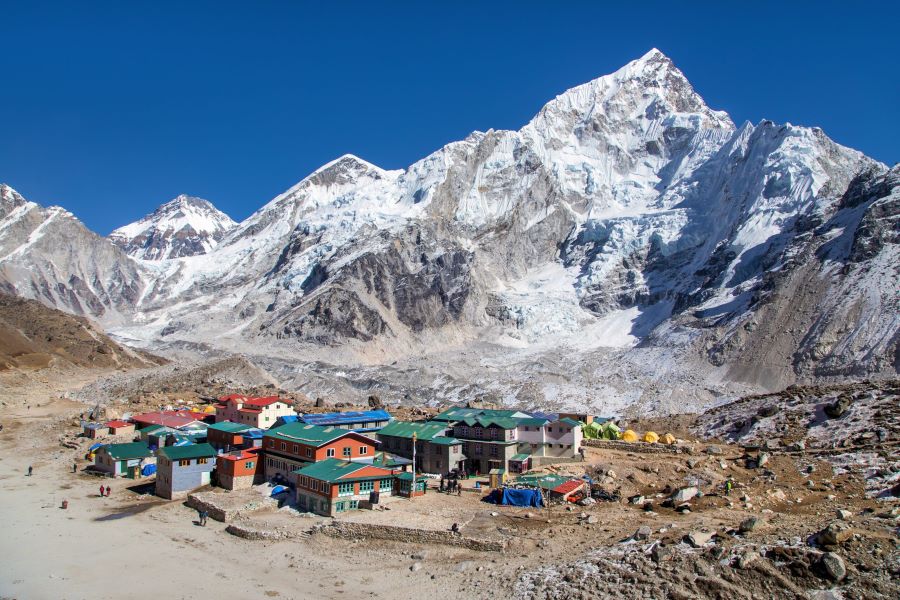
Views from the North Base Camp (Tibet)
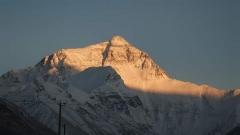
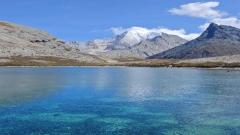
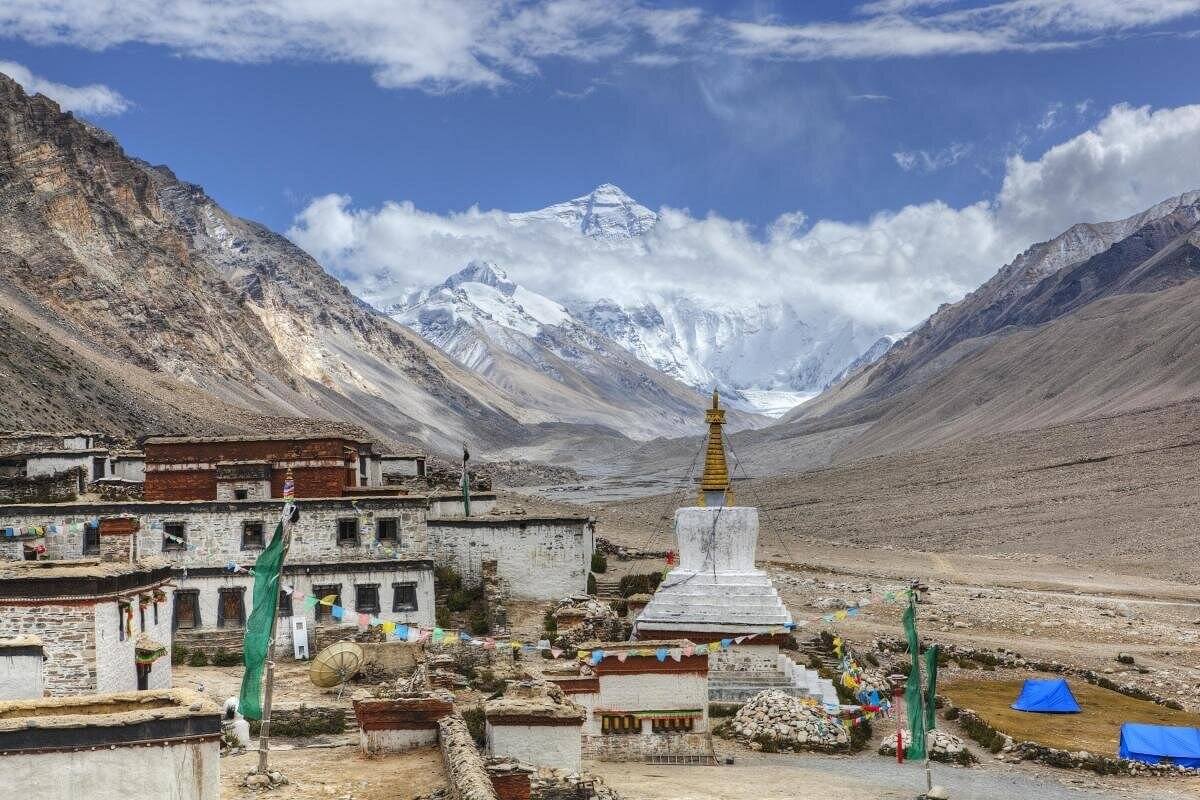
The Tibetan landscape offers a completely different aesthetic. It is arid, vast, and starkly beautiful. The high plateau stretches out in shades of brown, ochre, and gold, contrasting sharply with the brilliant white snowcaps. When discussing scenery in an Everest Base Camp Tibet side vs Nepal side comparison, the Tibet side wins for sheer scale and unobstructed viewing. From the North Base Camp and the nearby Rongbuk Monastery, you get a sweeping, direct view of Everest’s formidable North Face. The mountain dominates the horizon without the visual clutter of deep valleys or intervening ridges. Furthermore, the drive to the base camp includes crossing Pang La Pass, which offers a jaw-dropping panoramic vista of five of the world’s highest peaks—Makalu, Lhotse, Everest, Cho Oyu, and Shishapangma—lined up like teeth on a saw. The stark beauty of the Tibetan plateau provides a deeply spiritual and visually dramatic backdrop that differs entirely from the greener, more enclosed valleys of Nepal.
Permits, Regulations, and Logistics
Navigating Nepal’s Permit System
Trekking in Nepal requires specific documentation, but the process is relatively straightforward and allows for independent travel. Foreign trekkers need a Sagarmatha National Park entry permit and a Khumbu Pasang Lhamu Rural Municipality entrance permit. Previously, the TIMS (Trekkers’ Information Management System) card was mandatory, though local municipality fees have largely replaced its function in the Everest region. These permits can be obtained in Kathmandu or at the park entrance in Monjo. Importantly, solo trekking is permitted in Nepal, although hiring a guide or porter is highly recommended for safety and logistical ease. You have the freedom to alter your itinerary, stay longer in a village you love, or change your teahouse plans on the fly. This flexibility is a major draw for backpackers and independent adventurers.
Navigating Tibet’s Permit System
Travel regulations in Tibet are strictly controlled, and independent travel is not permitted for foreign passport holders. To visit the North Base Camp, you must book your trip through a registered travel agency. Your agency will arrange the mandatory Tibet Travel Permit (TTP), which is required just to enter the region. Additionally, visiting Everest requires an Alien’s Travel Permit (ATP) and sometimes a Border Pass, all of which your agency handles on your behalf. You must be accompanied by a licensed Tibetan tour guide and travel in an authorized vehicle for the entire duration of your stay. This might sound restrictive, but it significantly simplifies the logistical burden on the traveler. Agencies like Tibet Yulong Travel specialize in managing these complex bureaucratic requirements, ensuring seamless transitions between checkpoints so you can focus entirely on the experience. Their expertise in organizing overland tours, securing permits efficiently, and providing knowledgeable local guides makes navigating the regulatory landscape of Tibet stress-free. If you are planning an expedition to the northern slopes, partnering with experienced operators like Tibet Yulong Travel is practically essential for a smooth journey.
Accommodation and Dining Options
Teahouses in Nepal
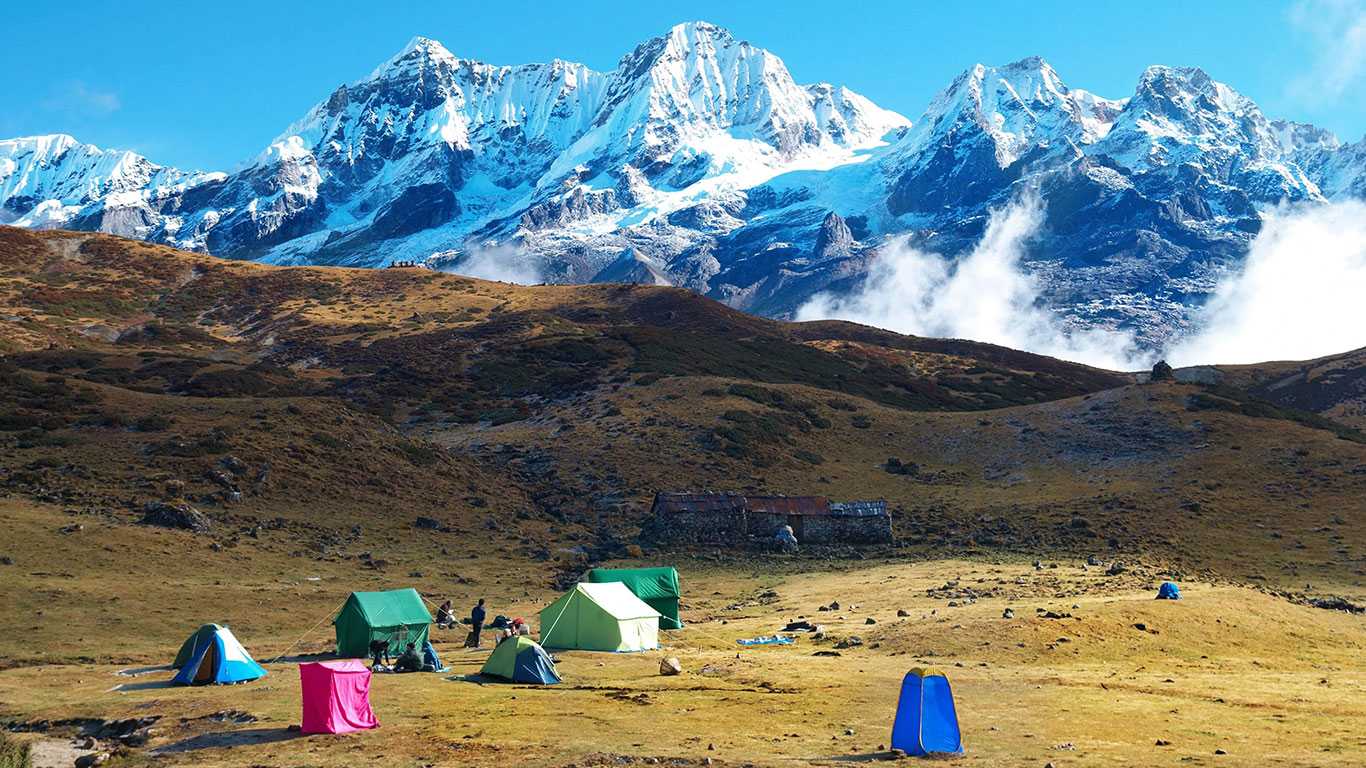
The teahouse culture is one of the defining features of the Nepal trek. Along the entire route to the South Base Camp, small family-run lodges provide beds and meals. In lower villages like Namche Bazaar, accommodations can be surprisingly comfortable, offering private rooms, hot showers, Wi-Fi, and even bakeries. As you climb higher toward Gorak Shep and the base camp, amenities become more basic. Rooms are unheated, requiring thick sleeping bags, and toilets may be squat-style and located outside. Dining revolves around communal dining halls heated by yak-dung stoves. The menus are extensive, featuring local staples like Dal Bhat (lentil soup and rice), momos (dumplings), noodles, and even pizza or pancakes tailored to Western tastes. This infrastructure means you do not need to carry tents or food, keeping your backpack relatively light.
Lodging in Tibet
Accommodation on the Tibet side reflects the overland nature of the journey. During the drive from Lhasa, you will stay in standard hotels in cities like Shigatse and towns like Tingri, which range from basic guesthouses to comfortable, modern hotels with en-suite bathrooms and heating. Once you reach the Everest area, options become unique. Historically, travelers stayed in the tent camps run by local nomads near the base camp during the warmer months, or in the guesthouse attached to Rongbuk Monastery—the highest monastery in the world. Recent environmental protection initiatives have led to stricter regulations on where tourists can sleep, often requiring visitors to stay at designated eco-lodges or return to Tingri for the night, depending on current seasonal rules. Food in Tibet leans heavily into Tibetan and Chinese cuisine. Expect hearty dishes like yak meat stew, tsampa (roasted barley flour), thukpa (noodle soup), and standard Chinese stir-fries. The dining experience is less about communal trekker socializing and more about resting after long drives.
Cost Breakdown: Budgeting for Your Everest Trip
Costs for the Nepal Route
Budgeting for the Nepal side depends heavily on your travel style. A budget-conscious backpacker trekking independently might spend around $1,000 to $1,500 for the entire two-week journey, covering flights to Lukla, permits, basic teahouse lodging, and simple meals. However, most travelers opt for guided group tours or private arrangements. A standard guided trek typically ranges from $1,500 to $3,500 per person. Luxury trekking options, which include helicopter returns, premium lodges, and gourmet food, can easily exceed $5,000. Additional costs to consider include travel insurance that explicitly covers high-altitude trekking up to 6,000 meters, tips for guides and porters, hot showers, device charging fees at higher altitudes, and Wi-Fi cards. Flights to Kathmandu from your home country are an extra variable.
Nepal Base Camp Trekking
Costs for the Tibet Route
When analyzing expenses in an Everest Base Camp Tibet side vs Nepal side comparison, the Tibet side operates on a different pricing model due to the mandatory guided tour requirement. A typical overland tour from Lhasa to Everest Base Camp and back, lasting about eight days, generally costs between $1,200 and $2,500 per person. This price usually includes all necessary permits, a dedicated guide, a driver, vehicle costs, accommodation, and sometimes meals. Since you are not paying for daily teahouse stays or individual snacks along a trail, the costs are bundled. However, getting to Lhasa can be expensive. Flights to Lhasa from mainland China or international hubs, or tickets for the Qinghai-Tibet train, add significantly to the total budget. Furthermore, if you plan to extend your trip to explore other parts of Tibet, such as Mount Kailash or the western regions, the overall cost will increase proportionally with the added days and distances.
Cultural Encounters and Local Interactions
Sherpa Culture in Nepal
The trail to the South Base Camp is a living museum of Sherpa culture. The Sherpa people, originally migrants from eastern Tibet centuries ago, have built a thriving society in the harsh Khumbu environment. Walking through villages, you pass intricately carved mani stones, spinning prayer wheels, and ancient monasteries like Tengboche, which hosts spectacular masked dances during festivals. The interaction with locals is organic and continuous. Porters carrying impossible loads, teahouse owners brewing butter tea, and seasoned climbing guides sharing stories around the stove create a warm, communal atmosphere. Buddhism permeates daily life, and trekkers are encouraged to respect local customs, such as walking clockwise around stupas and removing shoes before entering sacred spaces.
Tibetan Heritage in Tibet
The cultural immersion on the Tibet side is profound but experienced differently. Tibetan Buddhism is the absolute core of life on the plateau. The journey to Everest is punctuated by visits to magnificent monasteries, such as Tashilhunpo in Shigatse or the awe-inspiring Rongbuk Monastery at the mountain’s base. Here, monks in maroon robes debate in courtyards, and the scent of juniper incense fills the thin air. Interactions with locals are facilitated through your guide, as language barriers are more pronounced and independent wandering is restricted. You will encounter nomadic herders tending yaks across the vast grasslands, witnessing a traditional way of life that has remained largely unchanged for generations. The spiritual weight of the landscape is palpable; Mount Everest is known as Chomolungma (Goddess Mother of the World) in Tibetan, and the reverence the local population holds for the mountain adds a deeply moving dimension to the visit.
Best Time to Visit Each Side
Optimal Seasons for Nepal
The trekking seasons in Nepal are strictly defined by the monsoon. The absolute best times to visit the South Base Camp are pre-monsoon (March to May) and post-monsoon (late September to November). During spring, the trails are vibrant with blooming rhododendrons, and the weather is generally stable, though afternoon clouds can build. Autumn offers the clearest skies, crisp air, and the most reliable mountain views, making it the peak season. Winter (December to February) is possible but brutally cold, with heavy snow potentially blocking high passes. The summer monsoon (June to August) brings heavy rain, leeches, obscured views, and slippery trails, making it the least desirable time for trekking.
Optimal Seasons for Tibet
The climate on the Tibetan plateau is harsh, characterized by extreme temperature fluctuations. The ideal window for visiting the North Base Camp is from April to early June, and September to October. During these months, the skies are generally clear, offering spectacular views of Everest, and the temperatures, while still cold at night, are manageable during the day. July and August coincide with the rainy season, which can bring cloud cover that obscures the peak, though rainfall on the plateau is generally less intense than the Nepalese monsoon. Winter (November to March) is exceptionally cold, with strong winds and temperatures plummeting well below freezing. Many tourist facilities, including the tent camps near the base camp, close entirely during the winter months, limiting access strictly to the monastery guesthouse or requiring retreats to lower elevations.
Environmental Impact and Sustainability
Both sides of Everest face significant environmental challenges due to increasing visitor numbers, and understanding these issues is a vital part of any Everest Base Camp Tibet side vs Nepal side comparison. In Nepal, the Sagarmatha National Park authorities and various NGOs work tirelessly to manage waste. Trekkers are now required to carry out certain types of trash, and initiatives to ban single-use plastics are gaining traction. However, the sheer volume of human traffic strains the fragile alpine ecosystem, leading to deforestation for firewood (though kerosene and solar are increasingly used) and waste accumulation at higher camps. On the Tibet side, the Chinese government has implemented strict environmental protection zones. Vehicle access is heavily regulated, and tourists are confined to specific areas to minimize ecological footprint. Large-scale cleanup operations regularly remove debris left by historical mountaineering expeditions. Both routes require travelers to practice Leave No Trace principles diligently, ensuring that the majesty of the world’s highest peak remains preserved for future generations.
Making Your Final Decision
Ultimately, the choice between these two legendary routes comes down to what you seek from your Himalayan experience. If you crave a physically challenging, immersive wilderness trek filled with daily hiking, teahouse camaraderie, and the rich heritage of the Sherpa people, the Nepal side is your undisputed path. It rewards effort with intimate valley views and a deep connection to the rhythm of the trail. If you prefer a more accessible journey that combines dramatic road trips across a vast, arid plateau with unparalleled, wide-angle panoramas of Everest’s north face, without the need for weeks of strenuous hiking, the Tibet side is ideal. Leveraging the expertise of specialized operators like Tibet Yulong Travel ensures that the logistical complexities of the Tibetan route are handled flawlessly, allowing you to absorb the spiritual and visual grandeur of Chomolungma safely. Whichever side you choose, standing at the base of the earth’s highest point remains a transformative milestone that few experiences on the planet can match.