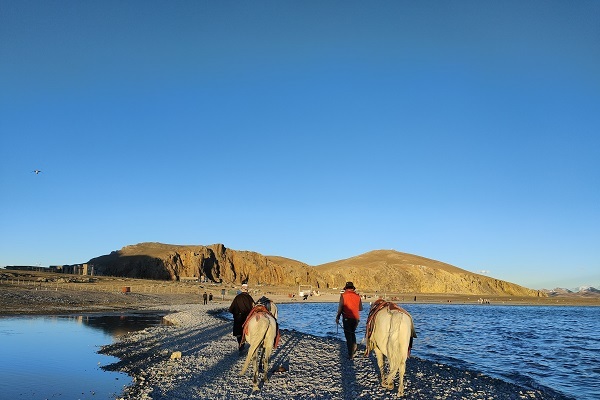
Planning a trip to the Himalayas is a dream for many travelers, but choosing between two of its most iconic regions can be challenging. When weighing Tibet vs Bhutan which destination for first time visitor suits you best, the answer depends entirely on your travel style, physical readiness, and cultural interests. Both destinations offer profound spiritual experiences, breathtaking landscapes, and deeply preserved traditions that exist nowhere else on Earth. However, they differ drastically in terms of accessibility, travel regulations, daily costs, and the overall atmosphere you will encounter upon arrival.
To help you make an informed decision quickly, here is a summary of key points regarding this comparison:
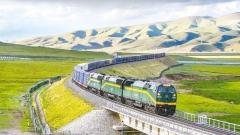
- Accessibility: Bhutan requires flying into Paro, while Tibet is accessible via flights or the famous Qinghai-Tibet Railway from mainland China.
- Altitude: Tibet sits at a significantly higher average elevation, demanding careful acclimatization compared to Bhutan’s lower valleys.
- Travel Style: Bhutan enforces guided tours with a minimum daily fee; Tibet requires a travel agency for permits but offers more itinerary flexibility.
- Culture: Tibet focuses heavily on Tibetan Buddhism and monastic life, whereas Bhutan blends Vajrayana Buddhism with unique national traditions.
- Budget: Bhutan is generally more expensive due to its sustainable tourism policy, while Tibet can be tailored to various budgets.
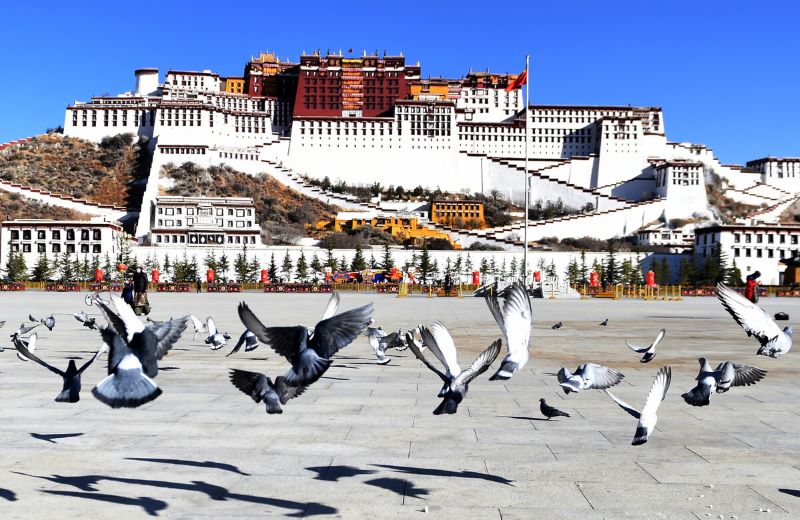
Potala Palace
Understanding the Core Differences: Tibet vs Bhutan Which Destination for First Time Visitor
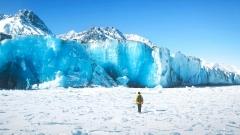
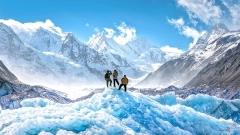
When evaluating Tibet vs Bhutan which destination for first time visitor makes the most sense, you must look beyond the stunning photographs and understand the fundamental nature of each place. Tibet, often referred to as the “Roof of the World,” is an autonomous region within China, characterized by vast, arid plateaus, towering snow-capped peaks, and a deeply rooted monastic culture. It feels immense, rugged, and spiritually intense. The landscape is dominated by open spaces where nomadic herders still roam, and ancient monasteries cling to cliff faces.
Bhutan, on the other hand, is an independent sovereign kingdom nestled in the eastern Himalayas. It is famously known as the last Shangri-La, prioritizing Gross National Happiness over economic growth. Unlike the dry expanses of Tibet, Bhutan is lush, green, and forested. Its valleys are terraced with rice paddies, and its towns are small, quiet, and strictly regulated to maintain traditional architectural styles. For a first-time visitor to the Himalayas, Bhutan feels like stepping into a carefully curated fairy tale, while Tibet feels like embarking on a raw, high-altitude expedition.
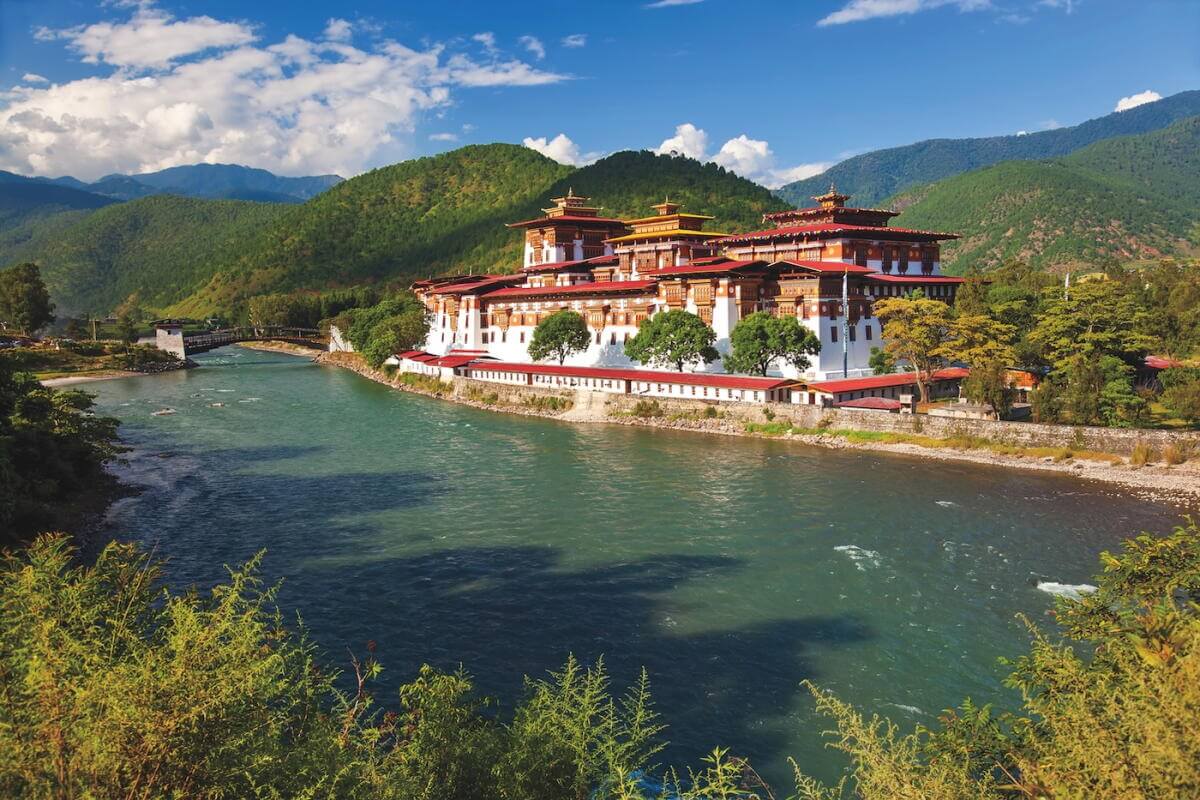
Punakha Dzong in Bhutan
The core difference also lies in how these nations interact with the outside world. Bhutan intentionally limits tourist numbers to protect its environment and culture, resulting in a highly controlled, premium experience. Tibet, while requiring strict permits, sees a larger volume of visitors, particularly during peak seasons, offering a mix of remote wilderness and bustling pilgrimage sites. Understanding this dichotomy is the first step in deciding which destination aligns with your expectations.
Visa and Permit Requirements for First-Time Travelers
Navigating the bureaucratic requirements is often the most daunting part of planning a Himalayan trip. For those asking about Tibet vs Bhutan which destination for first time visitor is easier to enter legally, the processes are quite different, though both require advance planning through authorized channels.
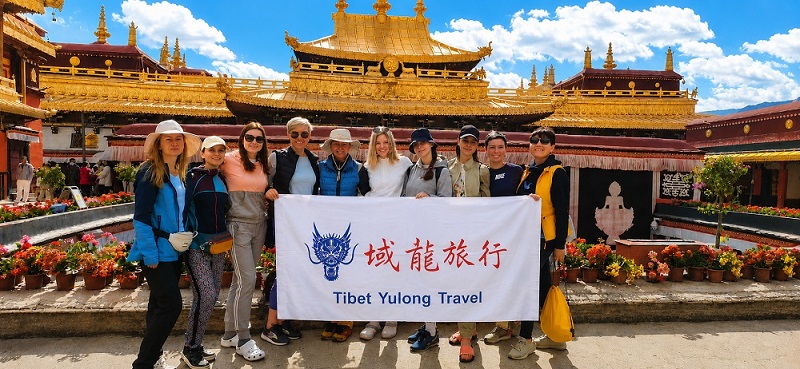
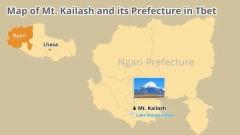
To visit Tibet, foreign travelers cannot simply book a flight and go. You must obtain a Tibet Travel Permit, which is only issued through a registered travel agency. Independent travel is not permitted for foreigners in Tibet; you must be part of an organized tour with a guide. This is where partnering with experienced operators like Tibet Yulong Travel becomes invaluable. A reputable agency handles the complex paperwork, including the Chinese visa required to enter Tibet from mainland China, the Tibet Travel Permit itself, and any additional military or border permits needed if you plan to visit restricted areas like Mount Everest Base Camp or Mount Kailash. The process usually takes several weeks, so booking well in advance is mandatory.
Bhutan’s entry requirements have evolved but remain strict. All international tourists (except those from India, Bangladesh, and the Maldives) must pay a Sustainable Development Fee (SDF) per person, per night. Additionally, you must book your trip through a licensed Bhutanese tour operator or an international partner. Your operator will handle the visa application process, which is generally straightforward once the SDF and tour payments are confirmed. While you must have a guide and driver in Bhutan, the experience feels less restrictive than Tibet because the entire country operates under this unified tourism model, making it feel like a standard procedure rather than a special exception.
For a first-time visitor, Bhutan’s system might feel slightly more streamlined since everything is handled under one national policy, whereas Tibet requires navigating both Chinese entry visas and specific regional permits. However, with a reliable agency managing your Tibet itinerary, the logistical burden is effectively removed.
Altitude and Physical Preparation: A Crucial Factor
Perhaps the most critical physical consideration when deciding between Tibet vs Bhutan which destination for first time visitor is appropriate for you is altitude. The difference in elevation between these two destinations is staggering and directly impacts who can safely travel there.
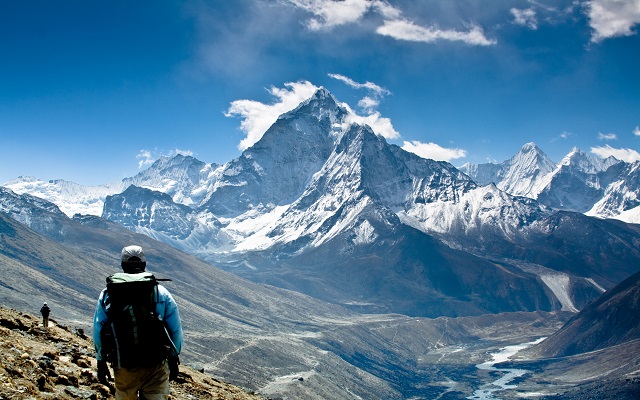
Tibet’s average elevation exceeds 4,000 meters (over 13,000 feet). Lhasa, the capital and usual entry point, sits at about 3,650 meters. If your itinerary includes Mount Everest Base Camp, you will ascend above 5,200 meters. At these altitudes, the air is thin, and Acute Mountain Sickness (AMS) is a genuine concern for almost everyone, regardless of age or fitness level. Symptoms range from mild headaches and shortness of breath to severe nausea and pulmonary edema. First-time visitors to Tibet must build acclimatization days into their schedule, avoid strenuous activity upon arrival, stay hydrated, and sometimes consult a doctor about preventative medications like acetazolamide. The physical toll of traveling in Tibet is real and should not be underestimated.
Bhutan offers a much gentler introduction to high-altitude travel. While it is a mountainous country, most tourist activities take place in the western and central valleys, such as Paro (2,200 meters), Thimphu (2,300 meters), and Punakha (1,200 meters). These elevations are comparable to many ski resorts worldwide and rarely cause significant altitude sickness for healthy individuals. Even the famous trek to the Tiger’s Nest Monastery, which reaches about 3,100 meters, is manageable for most people with a reasonable level of fitness. Only if you venture into Bhutan’s high-altitude treks, like the Snowman Trek, will you face elevations comparable to Tibet.
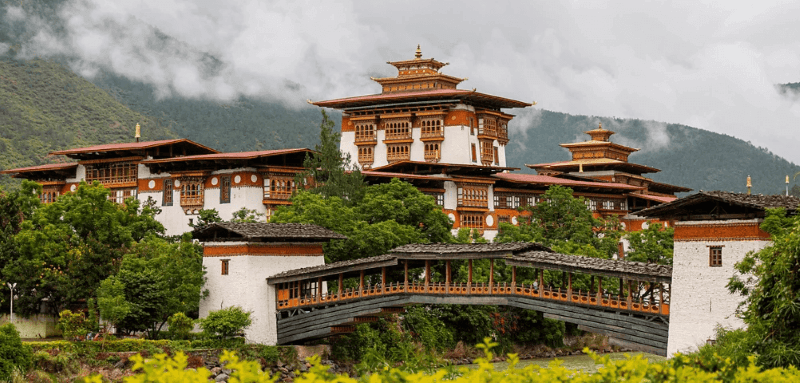
Punakha Bazam
If you have underlying cardiovascular or respiratory conditions, or if you are traveling with young children or elderly family members, Bhutan is objectively the safer and more comfortable choice. For adventurous travelers seeking the ultimate high-altitude challenge, Tibet provides an unmatched experience.
Cultural Immersion and Spiritual Experiences
Both destinations are deeply spiritual, but the flavor of that spirituality differs. When exploring Tibet vs Bhutan which destination for first time visitor offers better cultural immersion, consider what type of heritage fascinates you most.
Tibetan culture is synonymous with Tibetan Buddhism. The landscape is dotted with massive monasteries like Sera, Drepung, and Tashilhunpo, where thousands of monks study, debate, and practice. The atmosphere in Tibet is heavy with devotion. You will see pilgrims performing full-body prostrations along the roads, spinning prayer wheels, and circumambulating sacred sites like the Jokhang Temple in Lhasa. The art, architecture, and daily life are all intertwined with religious practice. Visiting Tibet offers a window into a resilient culture that has maintained its core identity despite modern changes. The sheer scale of the monasteries and the intensity of the local faith leave a lasting impression on first-time visitors.
Bhutanese culture is also rooted in Vajrayana Buddhism, but it is uniquely blended with indigenous Bon traditions and a strong sense of national identity. Bhutan is famous for its Dzongs—massive fortress-monasteries that serve as both religious and administrative centers for each district. The culture here feels more integrated into everyday civic life. You will notice that all buildings, even modern banks and gas stations, must adhere to traditional Bhutanese architectural guidelines featuring intricate woodwork and colorful motifs. Festivals, known as Tsechus, are vibrant community events featuring masked dances that tell moral stories. Bhutan’s isolation until the mid-twentieth century means its traditions feel incredibly pristine and uncommercialized.
For a traveler interested in deep, austere monastic traditions and epic pilgrimage routes, Tibet is unparalleled. For someone who wants to experience a living, breathing traditional society where ancient customs dictate modern daily life, Bhutan is extraordinary.
Landscape and Scenery: Plateau vs. Valleys
The visual contrast between these two regions is one of the main reasons travelers struggle with the Tibet vs Bhutan which destination for first time visitor dilemma. They represent two completely different geographical extremes of the Himalayas.
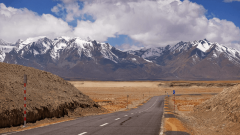
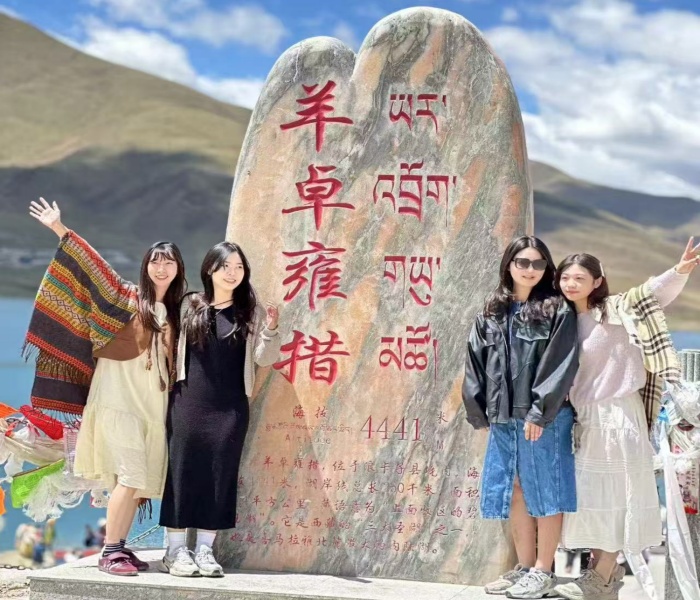
Tibet is defined by its plateau. The scenery is vast, stark, and overwhelmingly large. You will encounter endless stretches of brown and gold grasslands, turquoise lakes like Yamdrok and Namtso reflecting the sky, and the jagged, snow-covered peaks of the Himalayas forming the southern horizon. The light in Tibet is piercingly clear due to the thin atmosphere, making colors appear hyper-saturated. It is a landscape that makes you feel incredibly small. The drive between cities involves crossing high mountain passes adorned with fluttering prayer flags, looking down into deep river gorges carved by the Yarlung Tsangpo.
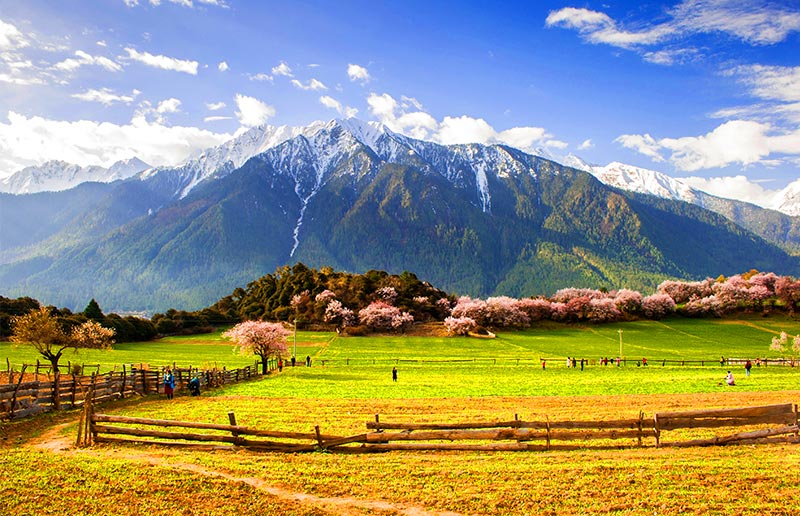
Nyingchi in Tibet
Bhutan is a vertical country of deep, forested valleys. Instead of wide-open spaces, your vision is constantly framed by steep mountainsides covered in pine, oak, and rhododendron forests. Rivers rush through narrow gorges at the bottom of the valleys, crossed by traditional cantilever bridges. The scenery shifts dramatically as you drive from the subtropical south up to the alpine north. In spring, the valleys bloom with flowers, and in autumn, the forests turn brilliant shades of red and gold. Bhutan feels intimate, enclosed, and lush, offering a cozy contrast to Tibet’s expansive emptiness.
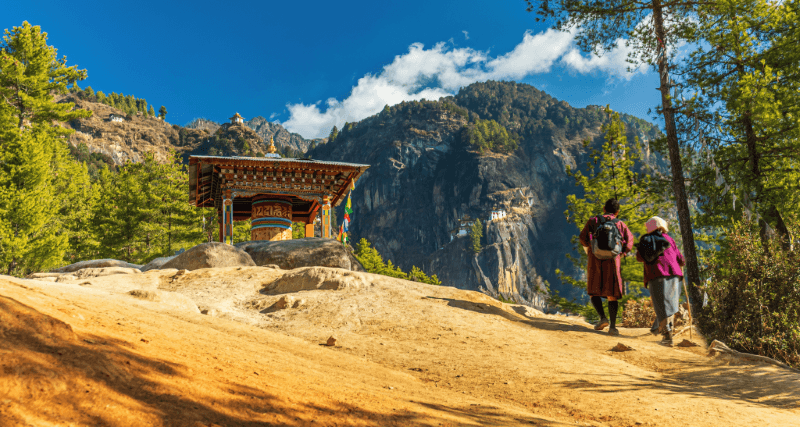
First-time visitors who love dramatic road trips, wide-angle photography, and stark natural beauty will prefer Tibet. Those who enjoy hiking through forests, spotting rare wildlife like the black-necked crane, and relaxing in verdant, peaceful valleys will lean toward Bhutan.
Budget and Cost of Travel
Financial considerations play a major role in determining between Tibet vs Bhutan which destination for first time visitor fits your wallet. The pricing models of these two places are fundamentally opposed.
Bhutan operates on a “high value, low volume” tourism policy. The primary cost driver is the Sustainable Development Fee (SDF), which is a daily charge per person mandated by the government. On top of this, you must pay for your accommodation, meals, transport, and guide services through your tour operator. Because independent backpacking is impossible, Bhutan is inherently a luxury or mid-to-high-budget destination. While budget options exist within the approved hotel categories, the baseline cost per day is significantly higher than most Asian destinations. You are paying for exclusivity, environmental preservation, and a highly managed experience.
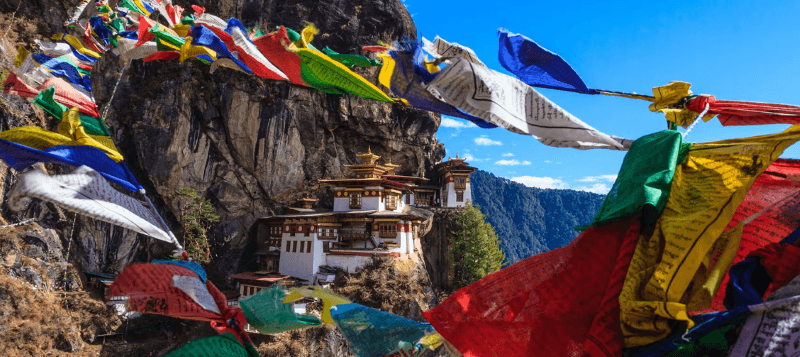
Paro Taktsang – Tiger’s Nest
Tibet’s costs are structured differently. Since you must book through an agency like Tibet Yulong Travel, you will pay for a tour package that typically includes the vehicle, driver, guide, permits, and sometimes hotels and meals. However, because Tibet receives more tourists and has a wider range of infrastructure—from basic guesthouses to luxury hotels—the overall cost can be scaled. You can opt for shared group tours to significantly reduce expenses, or book private luxury expeditions. Flights or train tickets to reach Tibet from mainland China add to the cost, but once there, daily expenses for food and souvenirs can be quite reasonable. Generally speaking, excluding the cost of getting to the region, a standard tour in Tibet can be more affordable than the mandatory daily spend in Bhutan.
For budget-conscious first-time visitors willing to join group tours, Tibet offers more financial flexibility. For travelers who view the higher cost as an investment in sustainability and crowd-free exploration, Bhutan justifies its price tag.
Food and Culinary Experiences
Dining in the Himalayas is an adventure in itself, and the culinary differences further inform the Tibet vs Bhutan which destination for first time visitor decision.
Tibetan cuisine is designed for survival in a harsh, cold climate. It is heavy, warming, and relies on staples like barley, yak meat, and dairy. The most famous dish is Tsampa, roasted barley flour mixed with butter tea to form a dough. Momos (dumplings filled with meat or vegetables) are ubiquitous and beloved by travelers. Thukpa, a hearty noodle soup, is perfect after a long day of sightseeing. Yak butter tea is an acquired taste for foreigners—salty, rich, and very different from sweet tea—but it is essential for hydration and energy at high altitudes. In larger cities like Lhasa, you will also find excellent Chinese and Nepali restaurants catering to diverse palates.
Bhutanese food is famous for one thing: chili peppers. Unlike many cuisines where chili is a spice, in Bhutan, it is treated as a vegetable. The national dish, Ema Datshi, consists of whole green or red chilies cooked in a rich, creamy local cheese sauce. It is fiery, delicious, and served with red rice at almost every meal. You will also find Phaksha Paa (pork with radishes or spinach) and various mushroom dishes. Because Bhutan’s tourism model includes meals arranged by your guide, you will eat at hotel restaurants or designated tourist eateries where the spice levels can be adjusted for foreign stomachs, though trying the authentic heat is highly recommended.
If you prefer hearty, mild, noodle-based comfort food, Tibet will satisfy you. If you are a spice enthusiast eager to try bold, unique flavors centered around cheese and chilies, Bhutan is a culinary paradise.
Safety, Infrastructure, and Getting Around
Infrastructure dictates how smoothly your trip unfolds. When considering Tibet vs Bhutan which destination for first time visitor provides a smoother logistical experience, understanding the transportation networks is key.
Tibet has seen massive infrastructure development. The Qinghai-Tibet Railway is an engineering marvel, offering one of the most scenic train journeys on the planet. Highways connecting major cities are paved and well-maintained, though distances are vast, meaning long driving days are common. Domestic flights connect Lhasa to other regional hubs. Accommodations range from international standard hotels in Lhasa and Shigatse to very basic guesthouses in remote areas like Everest Base Camp. Internet access and mobile coverage are widespread, though certain international websites may be restricted due to mainland China’s network policies.
Bhutan’s infrastructure is smaller in scale but highly functional for its tourism model. There is only one international airport in Paro, and landing there is considered one of the most thrilling pilot maneuvers in the world due to the surrounding mountains. Roads are mostly two-lane highways winding through valleys. Landslides during the monsoon season can occasionally cause delays, but drivers are exceptionally skilled. Hotels in Bhutan range from charming boutique properties to ultra-luxury lodges. Because tourism is tightly managed, the infrastructure never feels overwhelmed. Mobile internet is available, and purchasing a local SIM card upon arrival is easy, providing good connectivity throughout the main tourist circuits.
For first-time visitors, Bhutan’s compact size and managed tourism mean fewer logistical surprises. Tibet requires patience for long travel times between sites, but rewards you with world-class engineering feats and expansive road-trip scenery.
Making Your Final Decision
Ultimately, resolving the question of Tibet vs Bhutan which destination for first time visitor comes down to personal priorities. If you seek a raw, high-altitude adventure focused on monumental landscapes, deep Buddhist monasticism, and the thrill of standing on the roof of the world, Tibet is your destination. Utilizing the expertise of specialized agencies like Tibet Yulong Travel ensures that the permit complexities and logistical challenges are handled seamlessly, allowing you to focus entirely on the majesty of the plateau.
If you prefer a lush, culturally intact kingdom where sustainable tourism protects ancient traditions, where the pace is slower, the air is thicker, and the focus is on holistic well-being and vibrant local life, Bhutan awaits. It is a gentle yet profoundly moving introduction to the Himalayas.
Both destinations offer life-changing experiences. As a first-time visitor, you cannot make a wrong choice; you can only choose the one that speaks loudest to your current travel desires. Whether you are chanting mantras overlooking the Himalayas in Tibet or eating spicy Ema Datshi in a quiet Bhutanese valley, the magic of this mountain range will stay with you forever.