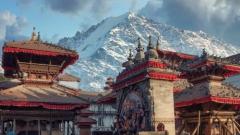
Planning a trip to the Tibetan Plateau often leads travelers to a common dilemma: Lhasa vs Shigatse which city to visit first. Both cities offer profound cultural experiences, breathtaking landscapes, and deep spiritual significance, yet they cater to different travel styles and physical readiness levels. Choosing your starting point is not merely a logistical decision; it directly impacts how well your body acclimatizes to the high altitude and how deeply you can immerse yourself in the local heritage. While Lhasa serves as the political, economic, and religious heart of Tibet, Shigatse stands proudly as the second-largest city and the traditional seat of the Panchen Lama. Understanding the distinct characteristics of each destination will ensure your journey across the Roof of the World is safe, comfortable, and unforgettable.
Before diving into the detailed comparison, here are the key takeaways to help you decide between Lhasa and Shigatse:
- Lhasa is the best starting point for altitude acclimatization due to better infrastructure and medical facilities.
- Shigatse offers a quieter, more authentic glimpse into traditional Tibetan daily life and agriculture.
- Potala Palace and Jokhang Temple make Lhasa the undisputed center of Tibetan Buddhism.
- Tashilhunpo Monastery in Shigatse provides a less crowded but equally magnificent spiritual experience.
- Most travelers should visit Lhasa first before heading to Shigatse to minimize altitude sickness risks.
Understanding the Dilemma: Lhasa vs Shigatse Which City to Visit First
When evaluating Lhasa vs Shigatse which city to visit first, it is essential to look beyond the famous landmarks and consider the practical realities of traveling on the Tibetan Plateau. The debate is rarely about which city is “better,” as both are indispensable to understanding Tibet. Instead, the question revolves around logistics, physical preparation, and the narrative arc of your journey. Starting your trip in the right location sets the tone for everything that follows. If you arrive in a city that is too high or lacks adequate tourist infrastructure, your entire itinerary could be compromised by altitude sickness. Conversely, choosing the right entry point allows your body to adjust gradually, giving you the energy to explore remote monasteries, hike through rugged valleys, and engage with local communities meaningfully.
The route between these two cities is one of the most spectacular overland journeys in Asia. Whether you travel via the northern or southern road, the landscape transitions dramatically from river valleys to towering mountain passes. Therefore, the sequence in which you visit them matters. Traveling from east to west—from Lhasa toward Shigatse—follows the natural flow of the Yarlung Tsangpo River and aligns with historical trade routes. This progression feels organic, moving from the bustling capital into the vast, open expanses of western Tibet.
Altitude and Acclimatization: The Most Critical Factor
Altitude is the single most important factor when deciding Lhasa vs Shigatse which city to visit first. Lhasa sits at an elevation of approximately 3,650 meters (11,975 feet) above sea level. While this is undeniably high, it is significantly lower than many other parts of the Tibetan Plateau. More importantly, Lhasa has spent decades developing its tourism infrastructure specifically to handle international and domestic arrivals. Hotels in Lhasa frequently offer rooms equipped with oxygen concentrators, and the city has multiple hospitals and clinics experienced in treating acute mountain sickness (AMS). Spending your first two to three days in Lhasa allows your body to produce more red blood cells and adapt to the thinner air in a relatively controlled environment.
Shigatse, on the other hand, sits at an elevation of roughly 3,840 meters (12,598 feet). While a difference of nearly 200 meters might seem negligible on paper, at extreme altitudes, every meter counts. Furthermore, if your ultimate goal includes visiting Mount Everest Base Camp, which sits above 5,000 meters, Shigatse acts as a necessary stepping stone. However, flying or taking the train directly into Shigatse without prior acclimatization in Lhasa is highly discouraged for first-time visitors. The medical facilities in Shigatse, while improving, are not as extensive as those in the capital. For the vast majority of travelers, the physiological reality dictates the answer: Lhasa must be your first stop.、
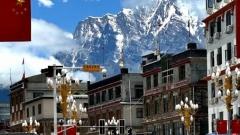
Shigatse Dzong
Cultural Heritage and Historical Significance
Both cities boast extraordinary cultural wealth, but the flavor of history differs significantly between them. When comparing Lhasa vs Shigatse which city to visit first from a purely historical perspective, Lhasa holds the title of the ancient capital. It has been the center of Tibetan political and religious power for centuries. The Potala Palace, perched dramatically on Marpo Ri hill, served as the winter residence of the Dalai Lamas and remains an architectural marvel that dominates the city skyline. Inside its thousand-plus rooms, you will find intricate murals, golden stupas, and meditation caves dating back to the seventh century. Just a short distance away lies the Jokhang Temple, considered the most sacred site in Tibetan Buddhism. Pilgrims from all over the plateau travel thousands of miles to prostrate themselves before its doors, creating an atmosphere of intense devotion that is palpable the moment you enter Barkhor Street, the ancient circumambulation route surrounding the temple.
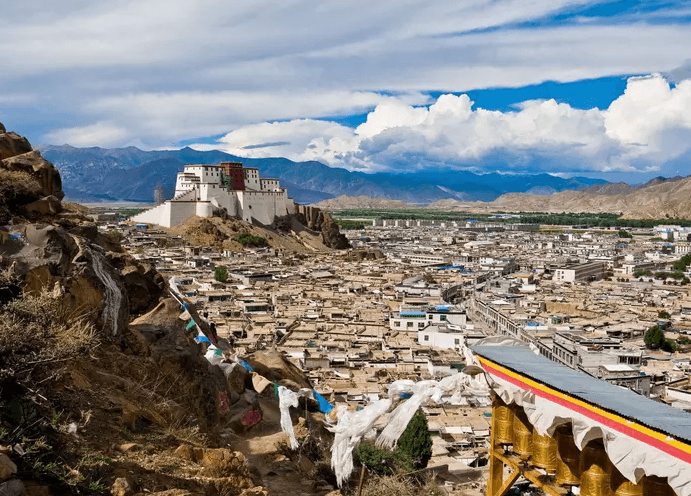
Shigatse offers a different kind of historical immersion. Historically known as the capital of the Tsang region, it was the stronghold of the Kings of Tsang and later became the traditional seat of the Panchen Lamas, who hold the second-highest spiritual authority in the Gelug school of Tibetan Buddhism. Because it was historically a rival power center to Lhasa, Shigatse developed its own distinct cultural identity. The city feels less like a grand imperial capital and more like a prosperous, historic trading hub where agriculture and religion have coexisted harmoniously for generations. Visiting Shigatse after Lhasa allows you to appreciate the nuances of regional Tibetan history, moving from the central narrative of the Dalai Lamas to the equally rich legacy of the Panchen Lamas.
Monasteries and Spiritual Landmarks
For travelers drawn to Tibet for its spiritual atmosphere, the monasteries in both cities are major highlights. In Lhasa, beyond the Jokhang Temple, you will find the great Gelug monasteries of Sera, Drepung, and Ganden. Sera Monastery is world-renowned for its lively monk debates, held every afternoon in a courtyard shaded by trees. Watching the monks clap their hands and stamp their feet to emphasize philosophical points is a unique cultural experience. Drepung, once the largest monastery in the world, housed thousands of monks and sprawls across a hillside just outside the main city area. These institutions are massive, complex, and heavily visited, reflecting Lhasa’s status as the epicenter of Tibetan religious life.

Shigatse Peace Airport
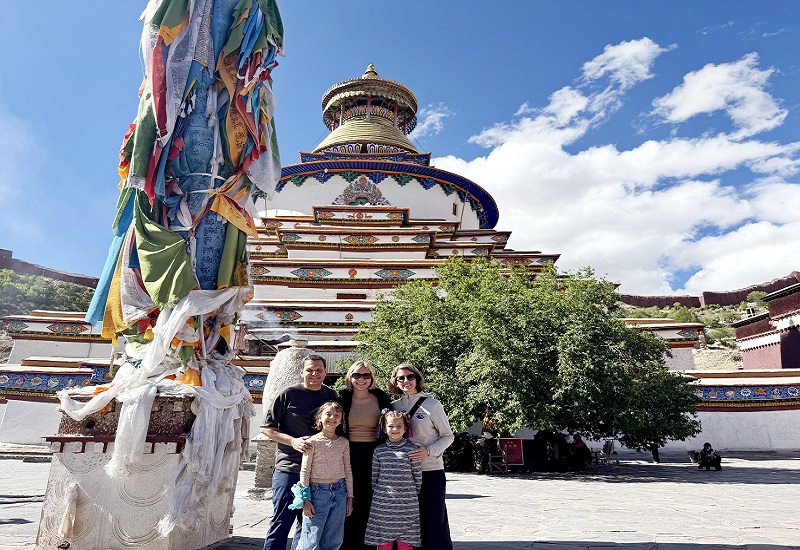
Shigatse is anchored by the magnificent Tashilhunpo Monastery. Founded in the mid-fifteenth century, Tashilhunpo is a sprawling complex of golden roofs, white walls, and winding cobblestone alleys. As the seat of the Panchen Lama, it houses the largest copper Buddha statue in the world, known as the Qiangba Buddha. What makes Tashilhunpo particularly appealing is the relative lack of crowds compared to Lhasa’s major sites. Here, you can wander through quiet courtyards, watch monks going about their daily routines, and experience a more contemplative pace. Additionally, Shigatse serves as the gateway to other significant spiritual sites further west, including Sakya Monastery, known for its stunning Mongolian-influenced architecture and vast library of ancient texts. If you are wondering about Lhasa vs Shigatse which city to visit first for a quieter monastic experience, Shigatse wins, but only after you have paid your respects at the foundational sites in Lhasa.
Natural Scenery and Surrounding Landscapes
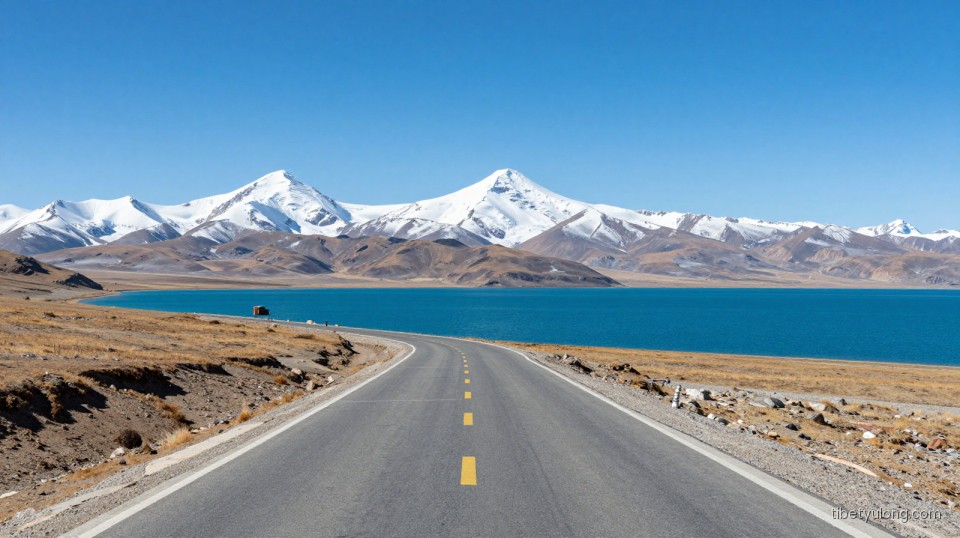
The geography surrounding these two cities provides contrasting visual feasts. Lhasa is nestled in a wide valley carved by the Lhasa River, a tributary of the Yarlung Tsangpo. The immediate surroundings feature brown, rugged mountains that turn surprisingly green during the summer months. Day trips from Lhasa often involve driving up to stunning alpine lakes. Yamdrok Lake, located on the route between Lhasa and Shigatse, is a shocking expanse of turquoise water surrounded by snow-capped peaks. Its beauty is so striking that it is considered one of the three sacred lakes in Tibet. Namtso Lake, situated north of Lhasa, offers another otherworldly landscape, though its higher altitude requires careful planning.
Shigatse, however, opens the door to the vast, untamed wilderness of western and southern Tibet. The drive from Lhasa to Shigatse itself is a scenic masterpiece, especially if you take the southern route over the Gyampa La pass, which offers panoramic views of the Himalayan range. Once in Shigatse, you are geographically closer to the highest mountains on Earth. The city is the primary staging ground for expeditions to Mount Everest Base Camp. The journey from Shigatse through Tingri to Everest involves navigating dizzying mountain passes, including Gawu La, where you can see five peaks over 8,000 meters on a clear day. Furthermore, the fertile plains around Shigatse are the agricultural heartland of Tibet, providing sweeping views of barley fields and rural villages that contrast sharply with the arid landscapes near the capital. When weighing Lhasa vs Shigatse which city to visit first for mountain scenery, Shigatse is the undeniable gateway to the giants of the Himalayas.
Transportation and Accessibility
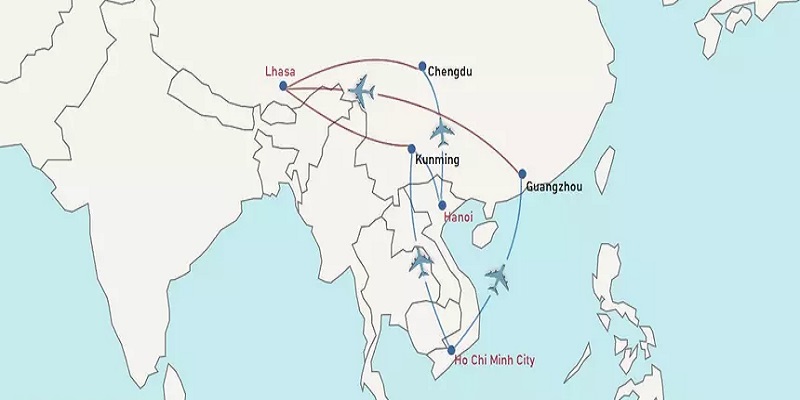
Accessibility plays a massive role in itinerary planning. Lhasa is the primary transportation hub for the entire Tibet Autonomous Region. Gonggar Airport receives flights from major Chinese cities such as Chengdu, Beijing, Chongqing, and Xining. More famously, the Qinghai-Tibet Railway terminates at Lhasa Railway Station, offering one of the world’s greatest train journeys. This connectivity means that almost all international and domestic travelers naturally arrive in Lhasa first. The city also boasts a well-developed network of paved roads, reliable public transport within the urban area, and a large fleet of licensed tourist vehicles.

Tashilunpo Monastery
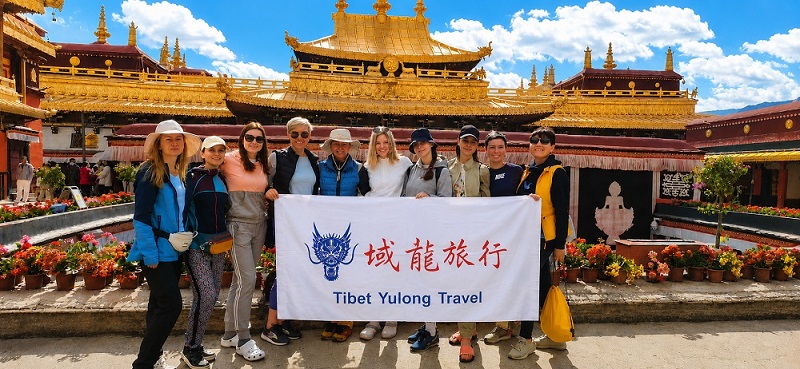
Shigatse has seen significant improvements in accessibility. Peace Airport in Shigatse handles some domestic flights, and the railway line has been extended from Lhasa to Shigatse, reducing the travel time between the two cities to roughly two and a half hours by train. Despite these advancements, the volume of transport options remains a fraction of what is available in Lhasa. Most travelers reach Shigatse by road, utilizing the journey itself as part of the sightseeing experience. The overland route allows for stops at Yamdrok Lake, Karola Glacier, and various small towns. Because independent travel is generally restricted in Tibet, tourists must book organized tours. Agencies like Tibet Yulong Travel specialize in crafting seamless itineraries that manage the complex logistics of moving between Lhasa and Shigatse, ensuring that transportation permits, vehicle quality, and driver experience meet high standards. Relying on professional operators is crucial, as the road conditions in remote areas can change rapidly due to weather.
Accommodation, Dining, and Local Lifestyle
The standard of living and tourist amenities varies noticeably between the two cities. Lhasa offers a wide spectrum of accommodations, ranging from basic guesthouses favored by backpackers to luxurious five-star international hotels. Many hotels provide modern amenities, including central heating, humidifiers, and in-room oxygen supplies, which are vital for comfort at high altitudes. Dining in Lhasa is equally diverse. You can enjoy traditional Tibetan food—such as yak butter tea, tsampa (roasted barley flour), and momos (dumplings)—or opt for Sichuan cuisine, Nepalese dishes, and Western-style restaurants catering to international palates. The Barkhor Street area buzzes with teahouses where locals and tourists mingle, creating a vibrant, cosmopolitan atmosphere unique to the plateau.
Shigatse provides a more subdued, traditional lifestyle. While there are several comfortable hotels suitable for foreign tourists, the ultra-luxury options found in Lhasa are limited. The accommodations are clean and functional, designed primarily to offer a warm resting place after long days of exploration. Dining leans heavily toward authentic Tibetan and Chinese regional cuisines. The pace of life in Shigatse is slower, more agrarian, and deeply connected to the rhythms of the monasteries. Walking through the older sections of the city, you will see artisans crafting religious items, farmers bringing goods to market, and families spinning prayer wheels. For travelers seeking raw authenticity over modern convenience, Shigatse delivers. However, the transition is best handled after enjoying the comforts of Lhasa during your initial acclimatization period.
Suggested Itinerary: Combining Both Cities
Rather than viewing the choice as an either-or scenario, the most rewarding approach is to combine both cities into a single, cohesive itinerary. The question of Lhasa vs Shigatse which city to visit first is definitively answered by starting in Lhasa. A classic and highly recommended route spans seven to ten days.
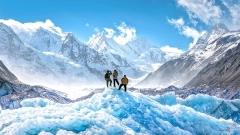
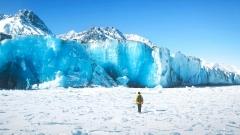
Spend your first three days in Lhasa. Use this time strictly for acclimatization and light sightseeing. Visit the Potala Palace, walk the Barkhor circuit around Jokhang Temple, and rest at your hotel. Drink plenty of water, avoid alcohol, and do not overexert yourself. On the fourth day, begin the overland journey to Shigatse. Take the southern route to witness the breathtaking colors of Yamdrok Lake and the imposing ice wall of the Karola Glacier. Arrive in Shigatse by evening.
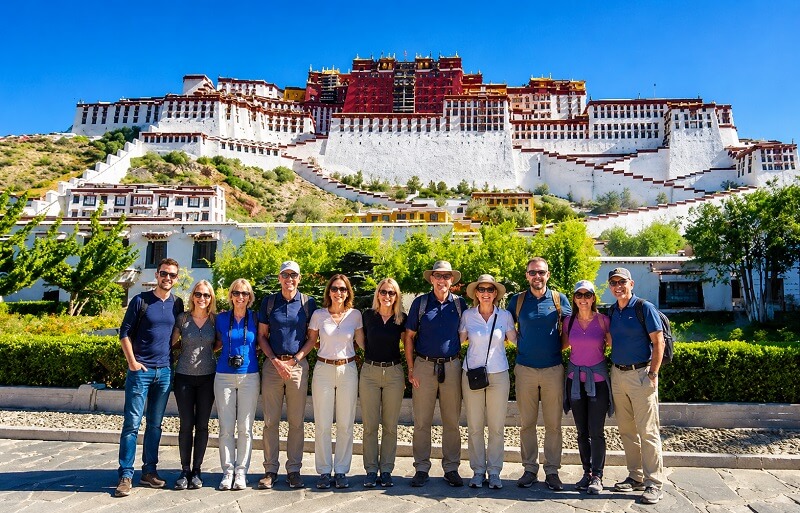
Potala Palace in Summer
Dedicate your fifth day to exploring Shigatse thoroughly. Spend the morning wandering through the golden halls of Tashilhunpo Monastery and the afternoon walking through the local free market. From Shigatse, you have the option to continue westward toward Everest Base Camp, adding three to four days to your itinerary, or return to Lhasa via the faster northern route along the Yarlung Tsangpo River valley. Expert tour operators, including Tibet Yulong Travel, frequently recommend this specific loop because it balances cultural depth, natural wonders, and physiological safety. Their experienced guides monitor your health throughout the transition from Lhasa to Shigatse, adjusting the pace as needed to ensure a safe and enjoyable expedition.
Permits and Practical Considerations
Traveling in Tibet requires meticulous preparation regarding documentation. All foreign passport holders must obtain a Tibet Travel Permit before entering the region. This permit is issued based on a confirmed itinerary booked through a registered travel agency. If your plans include traveling from Lhasa to Shigatse, the permit will cover both destinations. However, if you intend to push further west from Shigatse toward Mount Everest or the Nepal border, additional Alien Travel Permits and military border passes are required.
Because regulations can be strict and subject to change, attempting to navigate the permit process independently is virtually impossible. Working with established professionals ensures that your paperwork is filed correctly and on time. The logistics of securing permits for both Lhasa and Shigatse highlight why answering Lhasa vs Shigatse which city to visit first usually defaults to Lhasa—it is the administrative hub where most travel agencies are headquartered and where the bureaucratic machinery of Tibetan tourism operates most smoothly. Always carry your original passport and permit documents, as checkpoints exist on the highways between cities.
Ultimately, the magic of Tibet lies in experiencing the full spectrum of its identity. Lhasa provides the grand introduction—the soaring architecture, the dense spiritual energy, and the necessary physical adjustment. Shigatse offers the deeper exploration—the quiet monasteries, the fertile valleys, and the gateway to the towering Himalayas. By structuring your journey to embrace both, starting in the capital and venturing outward, you ensure a travel experience that is not only logistically sound but profoundly transformative. Whether you are standing beneath the golden roofs of the Potala Palace or listening to the chanting monks at Tashilhunpo, the Tibetan Plateau promises memories that will last a lifetime.