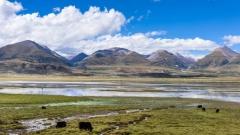
Traveling to the Roof of the World is a dream for many adventurers, but women often wonder about the practical realities of making the journey alone. If you are asking whether Tibet is a suitable destination for independent women, the answer requires understanding both the environment and local regulations. The region offers breathtaking landscapes and profound spiritual experiences, yet it demands careful preparation. Unlike backpacking through Southeast Asia, traveling here involves specific permits, guided itineraries, and high-altitude considerations. However, with the right mindset and preparation, female travelers frequently report feeling secure and welcomed. The key lies in respecting local customs, managing your health proactively, and partnering with reliable travel professionals who understand the unique logistics of the Tibetan Plateau.
✨ Highlights:
- Foreigners must travel with a licensed guide and organized tour.
- Altitude sickness is the primary health concern; acclimatize slowly.
- Dress modestly to respect local Buddhist culture and harsh weather.
- Petty crime against tourists is extremely rare in the region.
- Reliable agencies like Tibet Yulong Travel ensure smooth, safe logistics.
Understanding Is Tibet Safe for Solo Female Travelers Advice
When researching is Tibet safe for solo female travelers advice, the first thing to understand is that independent, unguided travel by foreign passport holders is not permitted in the Tibet Autonomous Region. This regulation fundamentally shapes the safety landscape. Because all international visitors must be part of an organized tour accompanied by a licensed local guide and driver, the traditional risks associated with solo female travel—such as navigating unfamiliar public transport late at night or getting lost in remote areas—are virtually eliminated. Your guide acts as a constant companion, translator, and logistical manager, which provides an inherent layer of security that many other destinations cannot offer.
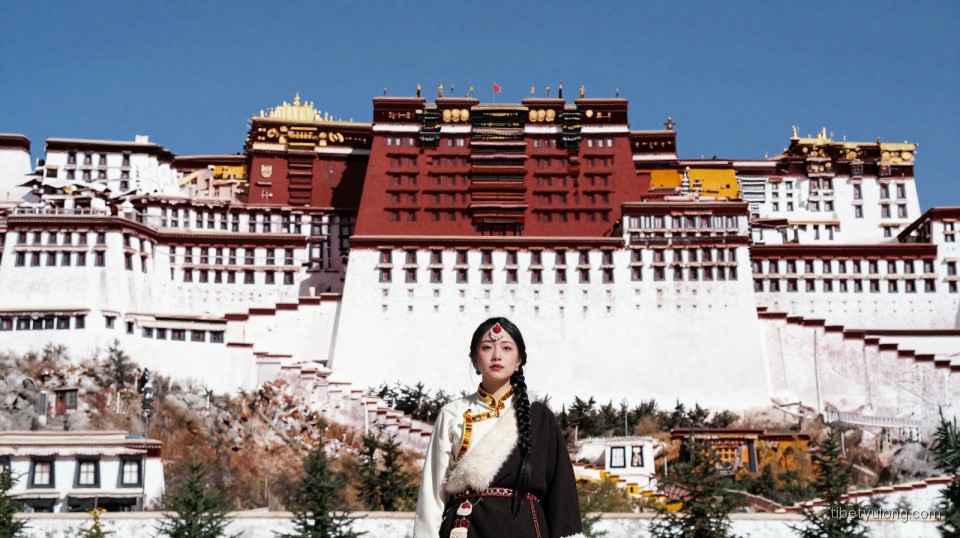
This structured approach means that while you may be a “solo” traveler in the sense that you booked the trip for yourself without friends or family, you will rarely be truly alone. You will be integrated into a small group or have a private guide dedicated to your itinerary. For women concerned about personal safety, this framework is incredibly reassuring. The presence of a local professional ensures you avoid restricted areas, interact appropriately with locals, and handle any unexpected situations with ease. When seeking is Tibet safe for solo female travelers advice, experienced adventurers consistently point out that this mandatory guided system transforms what could be a daunting expedition into a highly managed, secure experience.
Furthermore, the local population is deeply rooted in Tibetan Buddhism, a religion that emphasizes compassion, non-violence, and hospitality toward pilgrims and visitors. Violent crime against tourists is exceedingly rare. Women walking around Lhasa during the day, visiting monasteries, or shopping in the Barkhor Street area generally report feeling entirely comfortable. The atmosphere is more akin to a large, open-air spiritual sanctuary than a bustling, chaotic metropolis. However, standard common sense still applies. Being aware of your surroundings, keeping valuables secure, and maintaining respectful interactions are universal travel practices that hold true on the plateau just as they do anywhere else in the world.
Personal Security and Crime Rates on the Plateau
One of the most comforting pieces of is Tibet safe for solo female travelers advice relates to the remarkably low crime rate in the region. The tight-knit nature of local communities, combined with the heavy presence of tourism infrastructure and security checkpoints, creates an environment where theft and harassment are uncommon. Pickpocketing can occasionally occur in crowded areas like the Barkhor circuit during major festivals, but even this is less prevalent than in many major global cities. By using a money belt or keeping your bag zipped and in front of you, you can easily mitigate this minor risk.
For female travelers, unwanted attention or street harassment is rarely an issue. Local Tibetan men are generally respectful, and the cultural norms discourage aggressive behavior toward strangers. In larger towns like Lhasa or Shigatse, you will encounter a mix of locals, mainland Chinese tourists, and international visitors. The environment is cosmopolitan yet deeply traditional. If you ever feel uncomfortable, your guide is immediately available to intervene or help you navigate the situation. This immediate support network is invaluable and is a core reason why the region is considered accessible for women traveling on their own.
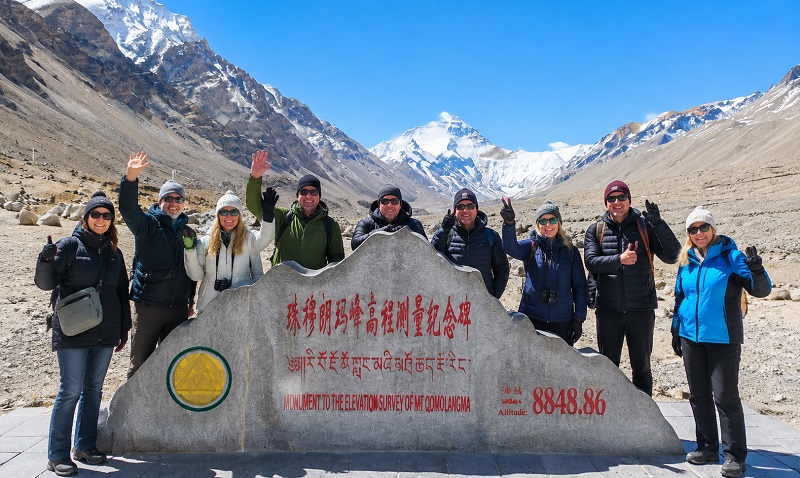
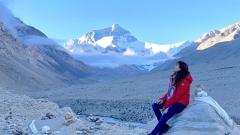
Mount Everest
Nighttime safety is another consideration. While the streets of Lhasa are generally safe after dark, it is advisable to stay within well-lit areas and avoid wandering into isolated alleyways alone. Most hotels used by international tourists have good security protocols, including reception staff available around the clock. Returning to your hotel via a vehicle arranged by your agency is always the safest option if you have been out for dinner. Ultimately, the combination of strict tourism regulations, cultural respect, and low crime rates makes personal security one of the least stressful aspects of planning your journey.
Health Precautions and Altitude Sickness Management
While personal security is high, the physical environment presents the most significant challenge for any visitor. No comprehensive guide addressing is Tibet safe for solo female travelers advice would be complete without a detailed discussion on altitude sickness. The average elevation of the plateau exceeds 4,000 meters (13,000 feet), and Lhasa itself sits at about 3,650 meters. At these heights, the oxygen level is significantly lower than at sea level, which can lead to Acute Mountain Sickness (AMS). Symptoms include headaches, nausea, dizziness, fatigue, and shortness of breath. AMS does not discriminate based on age, gender, or fitness level; even marathon runners can be affected.
For female travelers, managing health requires proactive planning. Before your trip, consult with a physician about prophylactic medications such as acetazolamide, which can help your body acclimatize faster. Upon arrival, the golden rule is to take it slow. Do not rush to explore the city on your first day. Rest in your hotel, drink plenty of water, and eat light meals. Avoid alcohol and strenuous exercise for the first 48 hours. Your guide will monitor your condition closely, as they are trained to recognize the early signs of altitude-related illnesses.
Women should also consider specific health needs. The dry climate and intense UV radiation require diligent skincare. High-SPF sunscreen, lip balm, and heavy moisturizers are daily necessities. Additionally, access to feminine hygiene products can be limited outside of Lhasa. It is highly recommended to bring an adequate supply of your preferred brands from home, as local shops may only stock basic options. If you are prone to urinary tract infections or yeast infections due to changes in climate and hygiene routines, pack any necessary over-the-counter treatments or prescriptions before departure. Maintaining your physical comfort is crucial to enjoying the spiritual and visual splendor of the region safely.
Cultural Etiquette and Dress Code for Women
Understanding and respecting local customs is a vital component of staying safe and building positive relationships with locals. When evaluating is Tibet safe for solo female travelers advice, cultural sensitivity plays a massive role in how you are received. Tibetan society is conservative, and dressing modestly is not just a sign of respect; it is practically required when visiting religious sites. Both men and women should avoid wearing shorts, tank tops, or revealing clothing inside monasteries and temples. Shoulders and knees must be covered. Wearing long skirts, loose trousers, and layered tops is the best approach.
Beyond modesty, dressing in layers is a survival strategy. The weather on the plateau is notoriously unpredictable. A sunny morning can quickly turn into a freezing, windy afternoon. Thermal base layers, fleece jackets, and a windproof outer shell are essential. Sturdy, comfortable walking shoes are a must, as monastery grounds are often uneven, and you will spend a lot of time on your feet. Interestingly, dressing practically and modestly also helps female travelers blend in better and avoids drawing unnecessary attention, further enhancing your sense of security.
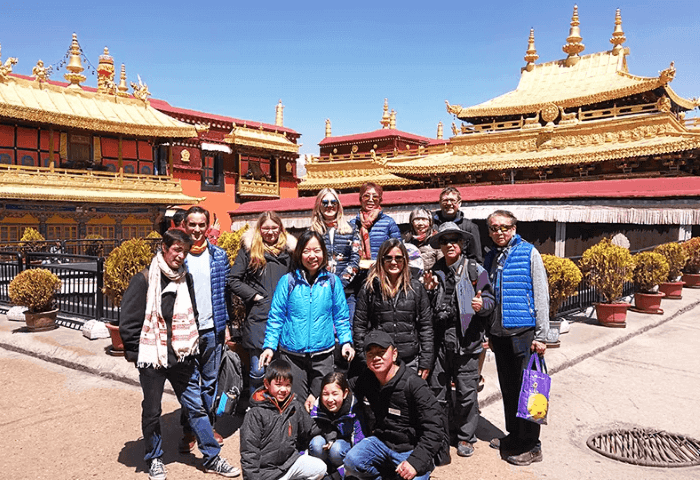
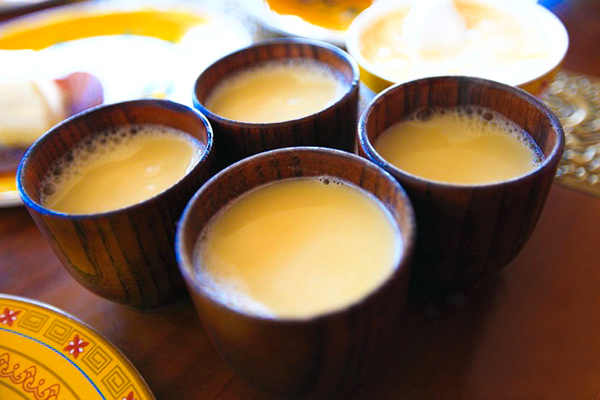
When interacting with monks or locals, observe a few basic rules. Always walk clockwise around stupas, mani stones, and prayer wheels. Never touch a monk if you are a woman, as physical contact between women and ordained monks is strictly prohibited in Tibetan Buddhism. If you wish to greet someone, a slight bow and a warm smile are universally appreciated. Ask for permission before taking photographs of people, especially inside temples where photography is often banned. By demonstrating that you have taken the time to learn their ways, you will find that locals are incredibly welcoming, often inviting you for butter tea or offering blessings. This mutual respect forms the foundation of a safe and enriching travel experience.
Choosing the Right Tour Operator and Logistics
Because independent travel is not an option for foreigners, the agency you choose dictates the quality, comfort, and safety of your entire trip. When looking for is Tibet safe for solo female travelers advice, seasoned travelers emphasize the importance of booking with reputable companies. A good operator handles the complex bureaucracy of securing your Tibet Travel Permit, arranges comfortable transportation, and assigns knowledgeable, English-speaking guides who prioritize your well-being.
This is where specialized agencies prove their worth. For instance, Tibet Yulong Travel has built a strong reputation for providing seamless, secure, and culturally immersive experiences for international visitors. They understand the unique concerns of solo travelers, particularly women, and tailor their services to ensure maximum comfort. From arranging single-room supplements so you do not have to share accommodation with a stranger, to assigning female guides upon request, agencies like Tibet Yulong Travel remove the friction from travel planning. Their drivers are experienced in navigating high-altitude mountain roads, ensuring that the physical journey between cities like Lhasa, Gyantse, and Shigatse is as safe as possible.
Logistics extend beyond the agency to your daily routine. Ensure your hotel is centrally located and has reliable heating, as nighttime temperatures drop drastically even in summer. Carry a portable power bank, as long drives between towns mean you might be away from electrical outlets for hours. Keep digital and physical copies of your passport, visa, and travel permits in separate locations. By meticulously organizing these details through a trusted partner, you free up mental energy to focus entirely on the majestic landscapes and ancient traditions surrounding you.
Transportation Safety and Navigating Remote Areas
The geography of the region means that much of your time will be spent in vehicles traversing high mountain passes. Road conditions have improved dramatically over the past decade, but driving on the plateau still requires expertise. Landslides during the summer rainy season and icy patches in winter are real hazards. This is another reason why having a professional driver provided by your tour operator is non-negotiable for safety. Attempting to hitchhike or use unofficial local transport is strongly discouraged for foreign travelers, both for legal reasons and personal safety.
During long drives, bathroom breaks can be a concern for female travelers. Public restrooms in remote areas are often squat toilets with minimal privacy. Carrying your own toilet paper, wet wipes, and hand sanitizer is essential. Your guide will know the safest and cleanest stops along the route. If you need to relieve yourself in nature during a remote stretch, your guide and driver will ensure you have privacy and that the area is safe. Communication is key; never hesitate to ask your driver to pull over if you feel unwell due to the winding mountain roads or altitude changes.
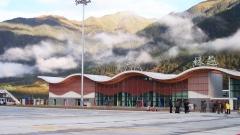
Domestic flights into Lhasa or train rides along the Qinghai-Tibet Railway are the primary ways to enter the region. The train is highly recommended for acclimatization, as it gradually ascends over several days. Both modes of transport are very safe, with standard security screenings similar to those found globally. Once you arrive, your agency’s representative will meet you directly, eliminating the stress of navigating an unfamiliar airport or train station alone.
Managing Money, Connectivity, and Daily Comforts
Financial safety is straightforward on the plateau. Cash is still widely used, especially in smaller towns and rural monasteries, though mobile payment systems dominate in urban centers like Lhasa. As a foreigner, setting up local mobile payment apps can sometimes be complicated, so carrying sufficient Chinese Yuan in cash is the most reliable method. ATMs are available in major cities, but they can be scarce once you leave Lhasa or Shigatse. Keep your money distributed in different places—a small amount in your pocket for daily purchases and the rest secured in a hidden pouch or hotel safe.
Connectivity is another factor to consider. Internet access is available in most hotels, but speeds can be slow, and certain foreign websites or social media platforms may be inaccessible due to national internet regulations. Purchasing a local SIM card upon arrival is possible, but requires your passport and registration. Inform your family or friends back home about potential communication gaps so they do not worry if you are offline for a day while crossing a remote mountain pass. Having an offline map application downloaded to your phone is a smart backup strategy.
Daily comforts greatly impact your overall sense of security and well-being. Food hygiene is generally good in restaurants catering to tourists, but stick to bottled or boiled water to avoid stomach issues. Tibetan cuisine—heavy on yak meat, barley, and dairy—might not suit everyone’s palate, but Chinese and Western food options are readily available in Lhasa. Listen to your body, rest when needed, and communicate openly with your guide about your preferences and limits. A comfortable traveler is a confident traveler, and confidence is your best asset when exploring new cultures alone.
Ultimately, the question of whether the region is suitable for women exploring independently comes down to preparation and perspective. The mandatory presence of guides, the deeply spiritual and peaceful nature of the local culture, and the rarity of violent crime create a surprisingly secure environment. The challenges lie not in human threats, but in the formidable natural environment and the logistics of high-altitude travel. By educating yourself on health protocols, respecting ancient traditions, and entrusting your itinerary to experienced professionals like Tibet Yulong Travel, you transform potential vulnerabilities into strengths. The plateau rewards those who prepare thoroughly, offering solo female travelers an unparalleled journey of self-discovery amidst some of the most awe-inspiring scenery on Earth.